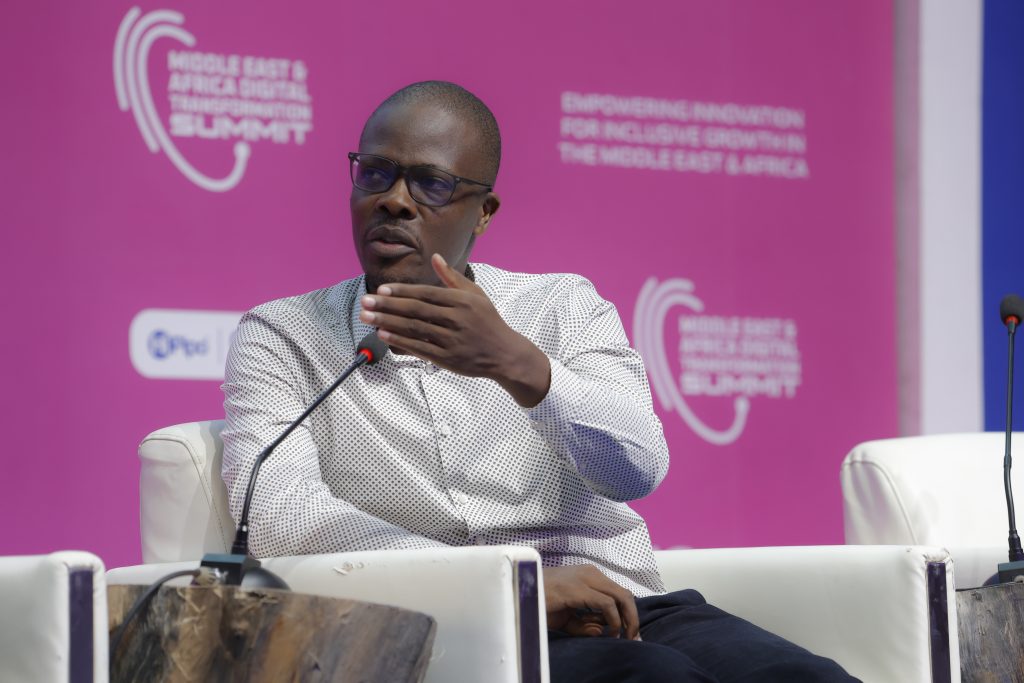
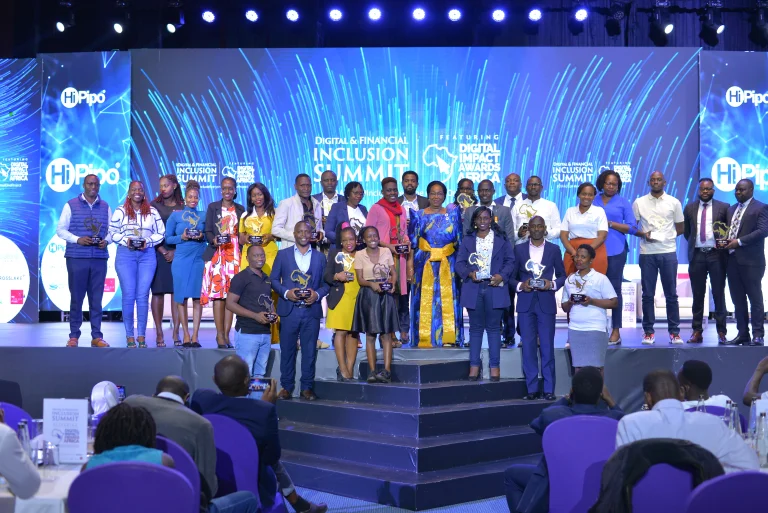
For nearly two decades, HiPipo has been on the frontline of championing digital financial inclusion through its flagship Include Everyone Program.
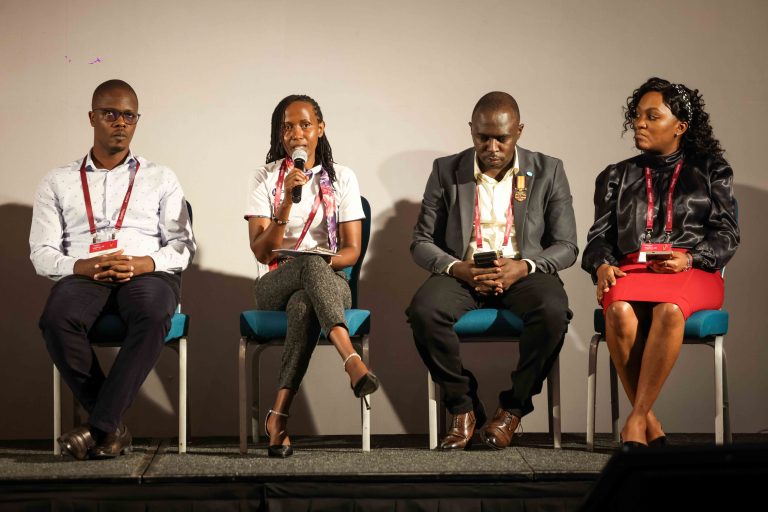
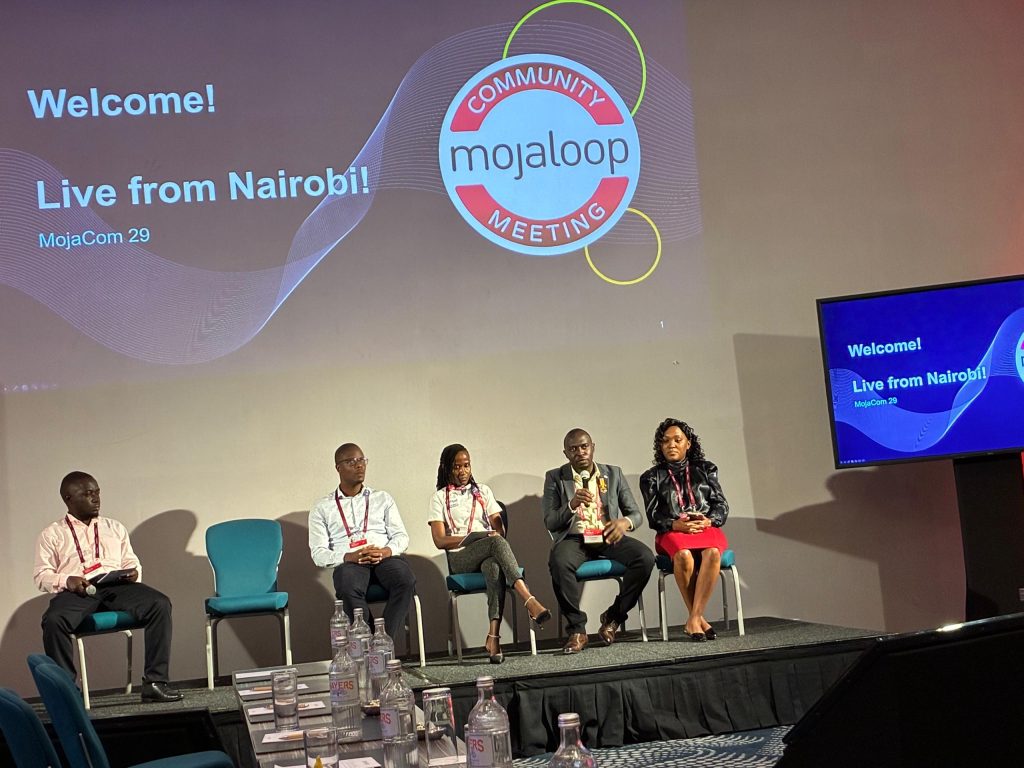
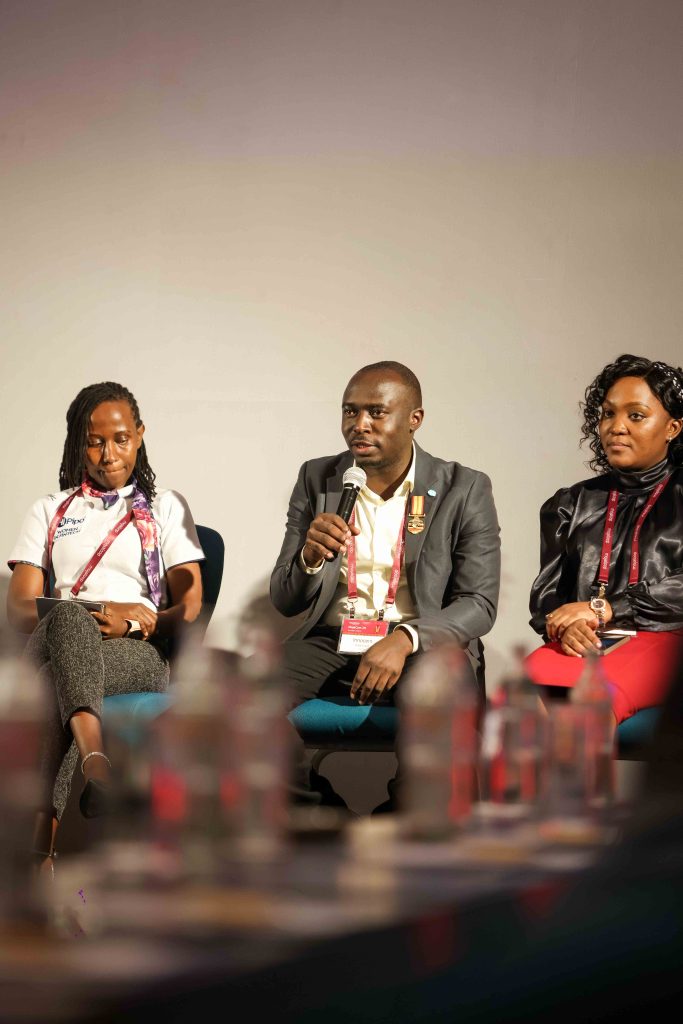
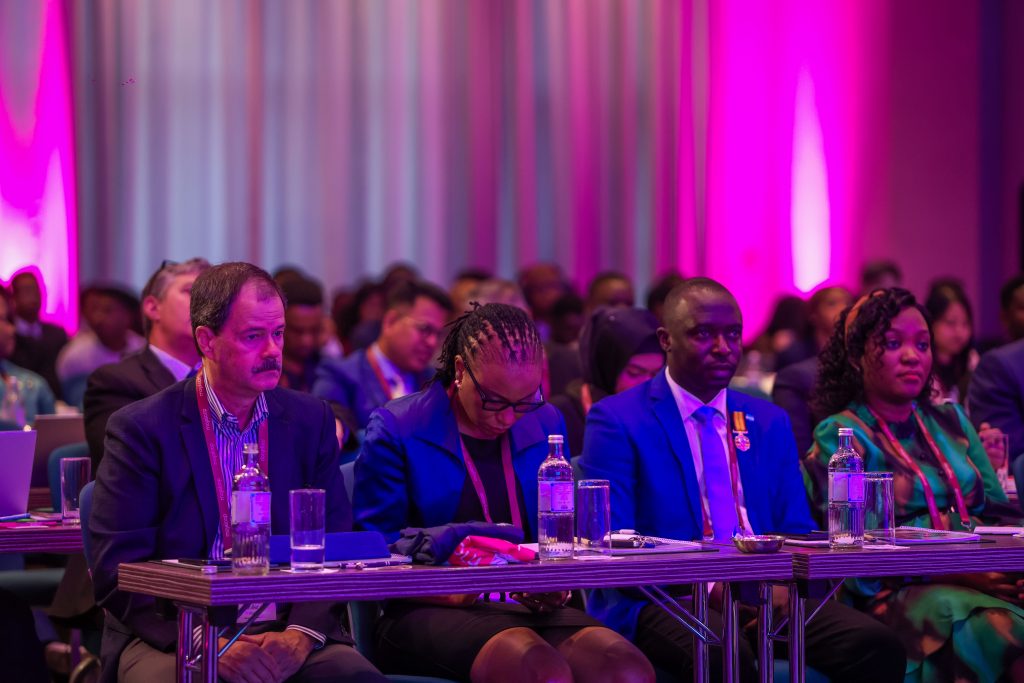
At the 29th Mojaloop Community meeting (MojaCom 29) held in Nairobi, Kenya, the HiPipo team led a critical conversation on the importance of last-mile interventions in advancing Inclusive Instant Payment Systems (IIPS), systems designed to make digital payments accessible to everyone, everywhere.
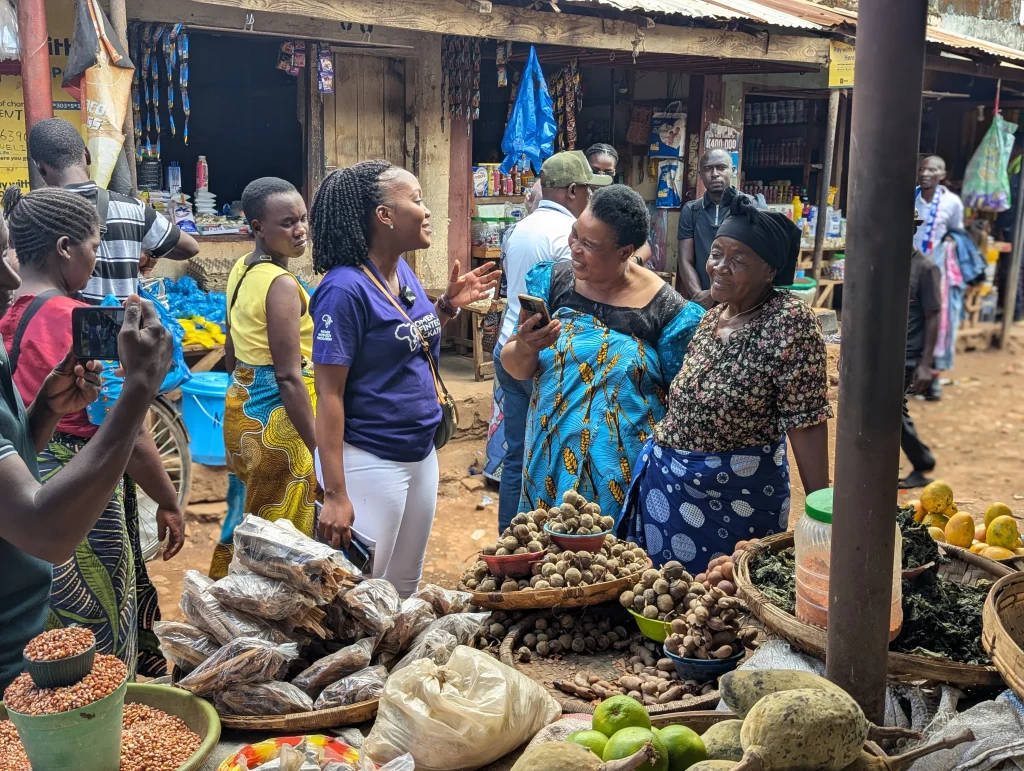
Under the theme “From Borders to Boardrooms: Advancing Women, Trade and Inclusion,” the team shared inspiring real-life examples from Zambia and Malawi, where over 4,000 women cross-border traders have been trained in digital and financial literacy. These traders are now confidently using digital financial services to manage and grow their businesses.
HiPipo’s Chief Operations Officer, Nicholas Kalungi, emphasized that in collaboration with the COMESA Business Council (CBC) and other regional stakeholders, HiPipo has spent the past year laying the groundwork to make IIPS the backbone of regional integration.
“Through HiPipo’s Include Everyone Program, we are building readiness on the ground, equipping FinTechs, empowering women innovators, and supporting cross-border traders,” Nicholas said.
“For me, this is proof that policy, infrastructure, and community preparedness must work hand-in-hand. That is the only way to sustain adoption and unlock the full economic transformation that IIPS can deliver.”
HiPipo CEO Innocent Kawooya urged innovators to look beyond the technology and see the human impact of inclusion.
“When we talk about inclusive instant payment systems, we must see beyond the pipes and platforms,” Innocent said.
“For me, IIPS is the last-mile hook; the moment where technology becomes dignity for a mother trader, where a safe transaction translates into food security, and where inclusion turns into health, wealth, and opportunity. At HiPipo, our mission has always been to ensure these systems serve people, not just institutions. That is the future we must fight for together.”
HiPipo’s FinTech Events Manager Charlotte Neeza highlighted the organization’s sustained investment in nurturing innovators through initiatives such as 40 Days 40 FinTechs and Women in FinTech. Over the years, these programs have empowered more than 500 and 300 organizations and innovators to design localized and gender-intentional solutions that address real-world challenges.
“Inclusion means that women innovators and cross-border traders can see themselves in the digital economy, not as outsiders looking in, but as leaders shaping its future,” she said.
Meanwhile, Joseph Kimbowa, HiPipo’s Chief Content Officer, revealed that among participants in the 2025 Include Everyone Project in Zambia and Malawi, 68% of FinTechs reported developing gender-intentional products as a direct result of HiPipo’s support. HiPipo recognizes that persistent barriers, especially those faced by women, continue to slow the realization of fully inclusive payment systems. Our ongoing advocacy and training efforts aim to close these gaps and build the confidence and capability needed for everyone to participate in the digital economy.
“From our work in Uganda, Zambia, Kenya, and other COMESA countries, we see that the biggest challenges are not just technical; they’re about trust, identity, and access,” noted Doreen Nanfuka, HiPipo’s Senior Programs Officer.
“Many merchants still operate informally, which complicates KYB and onboarding processes. Payment providers each have different compliance steps, and cross-border inconsistencies make it even harder. This slows down the adoption of instant payments among the very groups who need them most.”
As the digital economy continues to grow across Africa, HiPipo remains steadfast in its mission to ensure Inclusive Instant Payment Systems become not just technological tools, but instruments of dignity, equality, and economic transformation for all.
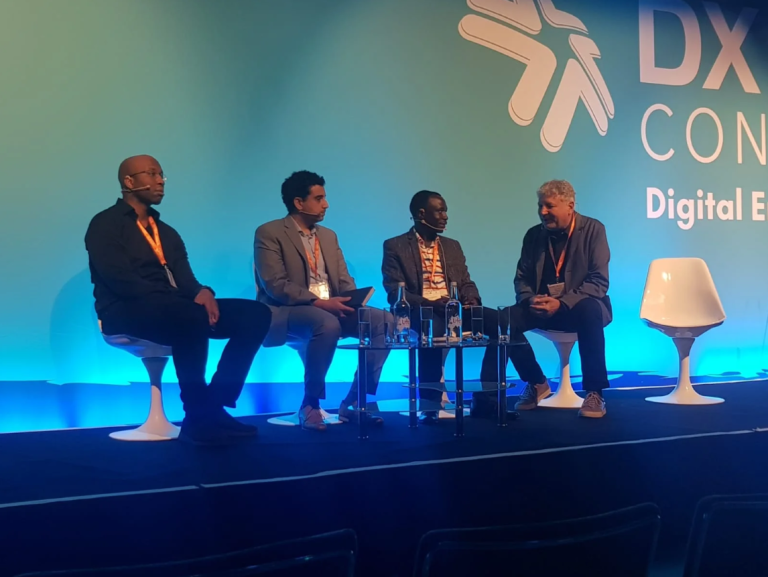
In December 2019, I sat on a panel at FinTech Connect in London, hosted by the Gates Foundation and moderated by Kosta Peric. I thank Miller Abel for inviting me. That day, I made a statement that still holds today: “Even if the works of the Level One Project and initiatives like Mojaloop were to fail, their championship in independently leading the conversations of interoperability would remain the king of accelerating financial inclusion. Interoperability is the main rail.” When I look back in time, it was not a prediction, but a call to action.
Six years later, the evidence is undeniable. The Level One Project and its guiding principles have not failed. They supported the building of safe, secure, reliable, efficient, and interoperable Inclusive Financial Systems. They have transformed entire economies and continue to reshape the future of financial inclusion across Africa.
Since the launch of its financial inclusion strategy in 2005, the Gates Foundation has invested more than $2 billion, working with partners across the globe to ensure that financial tools reach the people who need them most. The achievements are historic. Today, 75 percent of adults in low- and middle-income countries now own a formal financial account. The gender gap in account ownership has narrowed to just five per cent, a milestone once thought unattainable. Twenty African countries already have an Inclusive Instant Payment System in place, while another ten are developing or upgrading theirs. These are not just statistics; they are a signal of dignity, opportunity, and access for millions. Without the Gates Foundation’s leadership, particularly its Inclusive Financial Systems division, the pace of global financial inclusion would have been far slower and less coordinated.
But progress has not erased inequality. The 2025 McKinsey report “Closing the Loop: The Quest for Gender Parity in African Tech” paints a mixed picture. Africa produces the highest global share of women STEM graduates, at 47 percent, and women account for 26 percent of entrepreneurs, more than any other region. Yet less than 20 percent of top tech leadership roles are held by women, and in 2024, women-led start-ups attracted only one percent of Africa’s tech funding. The 2021 WEE-FI Barriers Analysis helps explain why. Women face obstacles at every turn. Rigid KYC requirements, lack of foundational IDs, or limited phone ownership often shut them out before they even start. High costs of mobile internet and non-transparent fee structures make access expensive. Long distances to financial service points keep many excluded. Low literacy makes it hard for many women to even start the journey. Weak consumer protection leaves them exposed and afraid to trust the system. In many homes, men are still seen as the ones to handle money, while women carry most of the unpaid work that keeps families running.
What this means is real. It means cross-border traders remain stuck in informal circles where they cannot grow. For many young women in the village, digital payments are not exciting, they are frightening. Losing even a small amount of money can shake a household, and with no one close to explain or step in when things go wrong, it feels safer to stay away. Women with ideas for businesses face another wall. They may have the drive and the vision, but raising money is close to impossible, not because the ideas lack value, but because the system was never built with them in mind.
These are not small issues. They keep millions of women from taking part in Africa’s economic growth. Traders are embroiled in cash transactions that hold them back. Rural women continue to watch opportunities pass them by. Innovators are left pushing uphill, fighting to be seen and supported. Why it matters is simple: without women, inclusion is incomplete, and without inclusion, Africa cannot achieve its promise of shared prosperity.
The good news is that solutions exist. Well-designed digital financial services have been shown to shift norms, create access, and empower women as leaders, innovators, and decision-makers. This is where the HiPipo Include Everyone Program has stepped in, working alongside the Gates Foundation’s agenda to turn policy into practice. Its focus is clear and measurable. A shift from informal to formal trading among cross-border traders. Increased use of DFS among female cross-border traders. Reduction in the gender gap in DFS use. Enhanced representation of women in leadership and policy influence.
HiPipo’s Train-the-Trainer model magnifies these outcomes. Women leaders, regulators, and community champions gain financial and digital skills, and then pass this knowledge to hundreds more in their circles. The ripple effect is fast and sustainable. When women train other women, barriers collapse faster, and progress becomes embedded in communities.
At the heart of all this is interoperability. The Level One Project Guide remains the blueprint for building systems that serve everyone, especially low-income users. Its principles of real-time, push-only, irrevocable payments, open-loop systems for banks and non-banks alike, tiered KYC, pro-poor governance, and not-for-loss utility models are now standards in the push for inclusive digital economies. As Miller Abel, Deputy Director and Principal Technologist at the Gates Foundation, put it: “A scalable, accessible, low-cost infrastructure is achievable – we have seen success in other domains. We can achieve it with real-time retail payments as well.” And as Kosta Peric reminds us: “Payments are the connective tissue of any financial system. The Level One Project Guide shows how to build and scale a real-time digital payment platform to serve low-income consumers and merchants and bring them into the formal financial economy.”
These words capture what is already happening. From Tanzania’s TIPS to the COMESA Digital Retail Payments Platform, interoperability has moved from ambition to reality. It is the infrastructure on which Africa’s digital economy is being built.
Using the Train-the-Trainer model, HiPipo is equipping cross-border women traders with digital and financial literacy tools to empower others within their ecosystems.
HiPipo continues to play its role in this journey. Not only as a proponent and advocate, but as a champion of inclusive design. Through initiatives like 40 Days 40 FinTechs, the Women in FinTech Hackathon, and the Digital Impact Awards Africa, HiPipo has united FinTechs, MNOs, regulators, banks, innovators and users around the cause of interoperability. These programmes have become Africa’s meeting ground for serious discussions about inclusion. HiPipo has walked the talk by ensuring that women, people with disabilities, cross-border traders, informal entrepreneurs, regulators, and policymakers are all part of the design. That is what “inclusive by design” truly means; no one left out, from the smallest trader to the biggest institution.
The danger now is complacency. Too many still see interoperability as an option rather than a necessity. That must change. When interoperability becomes mandatory, the benefits multiply. Every woman empowered with DFS strengthens her family and her community. Every cross-border trader using digital payments strengthens regional economies. Every regulator embedding inclusivity safeguards the financial future of their nation. This is why HiPipo’s advocacy is more important now than ever. By combining grassroots models like Train-the-Trainer with the Level One Project’s principles, Africa has a formula for inclusion that is both sustainable and scalable.
Africa is standing at a defining moment. The progress is real, but the gaps remain. The gender funding gap, low literacy, and stubborn social norms remind us that the job is not yet done. Yet the tools are in our hands. With the Gates Foundation’s Inclusive Financial Systems division, the Level One Project’s blueprint, HiPipo’s Include Everyone Program and several other stakeholders, we can reach the last mile. It is villages without electricity, women who trade across borders, and young people looking for a first chance that remind us why this work matters. Inclusion is not about numbers alone; it is about giving people the tools to live, trade, and dream on equal ground.
Africa has come far, but millions are still waiting. The job now is to move faster, to make digital systems work for the last person in the queue, not just those already inside the circle. That is why interoperability cannot remain optional; it must be the rule that ties us all together.
When the story of Africa’s financial journey is told, it should be clear that progress was not an accident. It was built by those who insisted that everyone counts, and that no woman, no trader, no community should be left behind.
HiPipo is proud to unveil the nominees for the 2025 Digital Impact Awards Africa (#DIAA2025), following a rigorous review of hundreds of submissions received between 28th July and 22nd September 2025.
This year introduces six new categories that reflect the real issues shaping people’s lives – from sustainable energy and fuel distribution to ride-hailing services, home technology, and democratizing vehicle ownership. These categories matter because they speak to the services that directly affect how consumers move, live, and power their everyday lives.
Joseph Kimbowa, HiPipo’s Chief Content Officer, explained:
“Many submissions went beyond the original categories, pushing us to recognize the real changes happening in society. That’s why we introduced new categories and a Special Commendation for Transforming Uganda – to highlight leaders making a visible difference in people’s lives.”
Now in its 12th edition, #DIAA2025 remains Africa’s most consistent and influential awards platform, celebrating those who use digital to serve not just the connected elite, but also the underbanked, underserved, and unbanked communities.
For customers, these awards showcase the brands, platforms, and leaders you can trust, those solving the last-mile challenges of cost, access, and reliability. For businesses, this recognition signals where the future is headed and which players are setting the standard.
Public voting opens on Friday, 3rd October, and runs until Friday, 14th November (8:00am EAT).
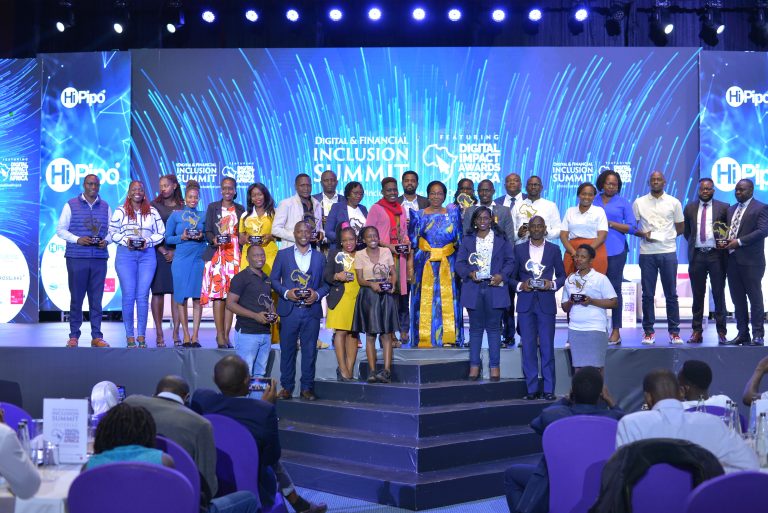
The Grand Finale of #DIAA2025 will be held on November 14, 2025, at the Kampala Serena Hotel, during the Digital and Financial Inclusion Summit. It’s where leaders, innovators, and everyday consumers meet face-to-face to discuss what’s next for digital and financial services in Africa.
The Digital Impact Awards Africa and the Summit are proudly organised by HiPipo, with the backing of partners who believe in making inclusion and innovation a reality for everyone.
Here is the Full List of #DIAA2025 Nominations:
Holistic Ride-Hailing Services
Faras
Ride Now
UNION APP
Little APP
SafeBoda
Sustainable Energy & Fuel Distribution
Shell / Vivo Energies
TotalEnergies
Rubis Energy
Stabex
Oryx
Mogas
Texol
Excellent Personal and Home Technology.
KIMA Home Security.
Yunga
Transtel Ltd (Samsung)
Tecno Mobile
Infinix Uganda
Hisense Uganda
Blacklyf
M-Kopa
Democratizing Cars’ Ownership
Ayyan Motors
Autochek
Success Motors
Majibu Africa
Yuasa Investment
JanJapan
Democratizing Motorbikes’ Ownership.
Watu Credit
Mogo Uganda
Zembo EV
Spiro Uganda
Gogo Electric
Haojue Motors Uganda
Yuvraj TVS
Bajaj Boxer (Verma Co Ltd)
Union (United Boda Boda Riders Cooperative Union)
Financial Inclusion Excellence.
Agent Banking Insurance Scheme by SPADES Insurance.
AgriShare
aXiom Zorn
ClinicPesa
FutureLink Technologies
Pride Bank
My Doctor Connected Care Platform
Digital Banking Excellence.
ABSA Bank
Centenary Bank
Equity Bank
I&M Bank
Stanbic Bank
Standard Chartered Bank
Banking Innovation Excellence.
FlexiPay by Stanbic Bank
Craft Silicon
Islamic Banking and Green Financing by Salaam Bank
QuickTeller Agents Partnership by Interswitch and Centenary Bank
PDM digitization by WENDI Digital Wallet / Post Bank (Pearl Bank)
Community/MFI Banking Innovation Excellence.
Centenary Bank
Finca
Finance Trust Bank
Letshego
Post Bank (Pearl Bank)
Pride Bank
FinTech Start-up of the Year.
Fido
Furaha
HamzPay
Kacyber
Kanzu Finance Limited
PayTota
PesaJet
FinTech of the Year.
FutureLink Technologies
Interswitch
Jumo
SafeBoda
School Pay
Yo Uganda
Financial Services Digital Excellence.
Airtel Money
Interswitch
MTN MoMo
Stanbic Bank
Standard Chartered
Consumer Goods and Services Digital Excellence.
Belle Beauty
Glovo Uganda
Jumia Uganda
Jude Color Solutions
Movit Products
Utilities and Government Services Digital Excellence.
NWSC
URA
URSB
UDB
UEDCL
Technology Services Digital Excellence
Airtel Uganda
Cente Tech
DHS Africa
Comviva
Ericsson
Huawei
MTN Uganda
CEO of the Year (DFS).
Fabian Kasi – Centenary Bank
Japhet Aritho – Airtel Mobile Commerce Uganda Limited (AMCUL)
HiPipo is thrilled to bring you the 2025 Digital and Financial Inclusion Summit featuring the Digital Impact Awards Africa.
Scheduled for November 14th at Kampala Serena hotel, the Digital and Financial Inclusion Summit will bring together C-Level executives and industry stakeholders that are spearheading the scaling, adoption and usage of digital and financial services across Africa.
Meanwhile, now in its twelfth consecutive edition, the Digital Impact Awards Africa, which is by far Africa’s most consistent and influential Awards ceremony, will recognize and reward players that are spearheading the use of digital mediums to serve not only the haves, but also the traditionally underbanked, underserved, unbanked and unserved communities!
“Having recently added the very successful and colorful Middle East and Africa Digital Transformation Summit to our catalogue, we have cemented our position as a premier organisation in spearheading conversations around Digital and Financial Inclusion, Innovation and Excellence,” Innocent Kawooya, the HiPipo CEO noted.
He added: “From Uganda to the rest of Africa, the Digital and Financial Inclusion Summit, featuring the Digital Impact Awards Africa, is more than a ceremony. It is a revolution; a catalyst for policy improvement, innovation, and inclusive finance across the continent – and a driving force for Maximizing the Digital Dividend.”
#DIAA2025 Nomination Categories.
The 2025 Digital Impact Awards Africa Nominations will run until 22nd September, after which the nominees will be unveiled on the 30th day of the same month. Voting will then kick off until 14th November, 2025 when the overall winners will be announced and crowned.
Financial Inclusion Excellence.
Digital Banking Excellence.
Banking Innovation Excellence.
Community/MFI Banking Innovation Excellence.
FinTech Start-up of the Year.
FinTech of the Year.
Financial Services Digital Excellence.
Consumer Goods and Services Digital Excellence.
Utilities and Government Services Digital Excellence.
As HiPipo celebrates 20 years of existence and 14 consecutive years of hosting the prestigious HiPipo Music Awards, the organising committee has announced two special recognition categories for this year’s gala.
Scheduled for November 14th, 2025 at the Kampala Serena Hotel, the 2025 HiPipo Music Awards will, once again, convene, recognise and award Africa’s best in the music industry.
In addition to recognising musical excellence, this year’s event will honour the Media Personality of the Year (Radio and TV) and Influencer of the Year.
These categories have been introduced to recognise the contributions of mainstream and social media personalities in promoting the music industry through their platforms.
In a distinct way, winners of the two special categories and the Breakthrough Artiste of the Year will each receive a plot of land.
Now in its 14th consecutive season, the HiPipo Music Awards stand as a beacon in Africa, renowned as the continent’s most consistent platform for showcasing and celebrating outstanding talent. Over the years, it has not only honoured but also empowered countless artists, reaffirming its dedication to musical excellence.
With the addition of the special recognition categories, the total number of award categories now stands at 14.
Only songs that were released for the past one year are eligible for nomination. Nominations will run until September 22nd, after which the nominees will be unveiled. Voting will run until November 14th when emerging winners will be announced and awarded.
HiPipo has clinched top honours at the 2025 Wealth & Finance International FinTech Awards, securing two prestigious accolades that reaffirm its trailblazing role in advancing digital and financial inclusion across the Middle East and Africa (MEA).
The Ugandan-based impact-driven organisation was named Best Financial Inclusion Organisation 2025 – Middle East & Africa, while its founder and CEO, Innocent Kawooya, NIM, was crowned FinTech CEO of the Year (MEA).
The double win follows a highly competitive and merit-led evaluation process, with the judging panel recognising HiPipo’s significant efforts to extend access to financial services to underserved populations — including women, youth, and rural communities — through inclusive digital innovation.
“This award is for the millions we serve — the women now budgeting for the first time, the youth building startups from remote villages, and the communities lighting their homes with Solar M7,” said Innocent Kawooya. “It is a celebration of impact. And it reminds us: true innovation must always include everyone.”
HiPipo’s recognition as Best Financial Inclusion Organisation speaks to the success of its holistic and high-impact initiatives, such as:
Include Everyone – its flagship program advocating for equitable digital economies
Women in FinTech – empowering women-led innovations
40 Days 40 FinTechs – spotlighting startups transforming lives through financial technology
Interoperability campaigns, last-mile connectivity, and digital literacy training
Kawooya, who has emerged as a continental voice for inclusive innovation, was hailed for his leadership in driving ecosystem collaboration, policy advocacy, and investment in homegrown FinTech solutions. His stewardship has positioned HiPipo as a force for good within the digital financial services landscape.
This milestone also underscores HiPipo’s broader vision: a digitally empowered Africa where every individual — regardless of gender, geography, or income level — can thrive in the economy of the future.
As the organisation celebrates this global recognition, it reiterates its commitment to a future where no one is left behind in accessing health, finance, education, or opportunity.