Home Blog Page 7

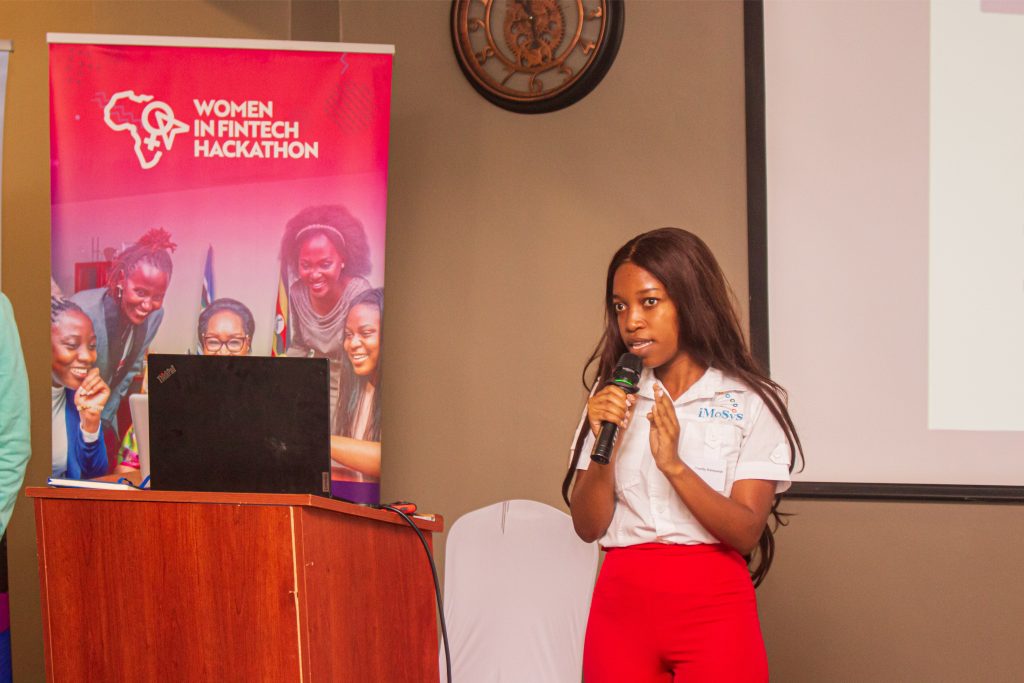
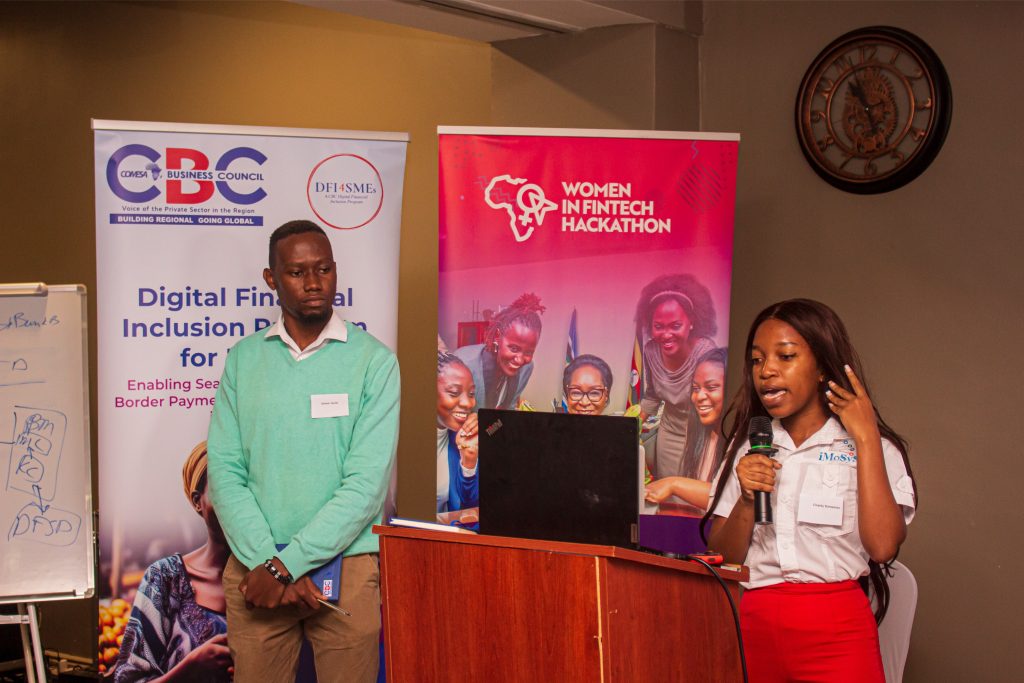
Chalo Money is using FinTech to help Farmers access digital market tools. #40Days40FinTechs Zambia and Malawi edition, Day 36

Malawi and Zambia are agriculture-driven countries, with more than half of their populations relying on smallholder farming.

However, there is currently no centralized or regulated market control at the Mwami-Mchinji one stop border post, which is the main border point between these two countries, leading to fragmented trade practices.

To address these challenges, Chalo Money has developed a USSD-based platform tailored to the needs of smallholder farmers in Malawi and Zambia.

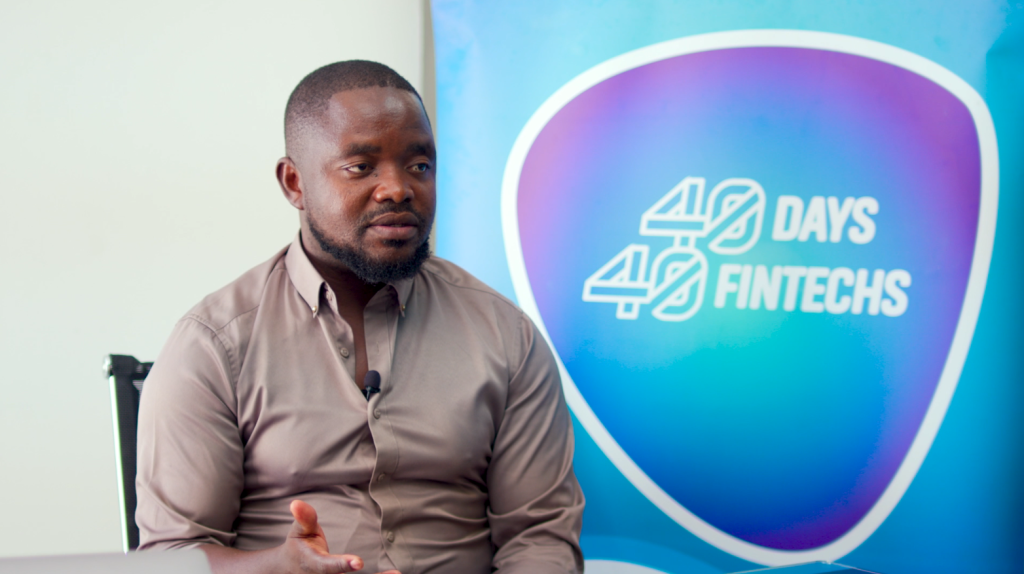
According to Wongani Msumba, the founder of Chalo Money, this platform allows farmers to engage in both local and cross-border transactions using feature phones, which are more widely accessible in rural areas compared to smartphones. By offering affordable forex and local transfer fees, the platform reduces transaction costs and enhances market access for smallholder farmers, ultimately supporting their economic growth.

“We thought that using feature phone penetration would be good because most farmers have feature phones,” she said.

Women in FinTech Hackathon Participation

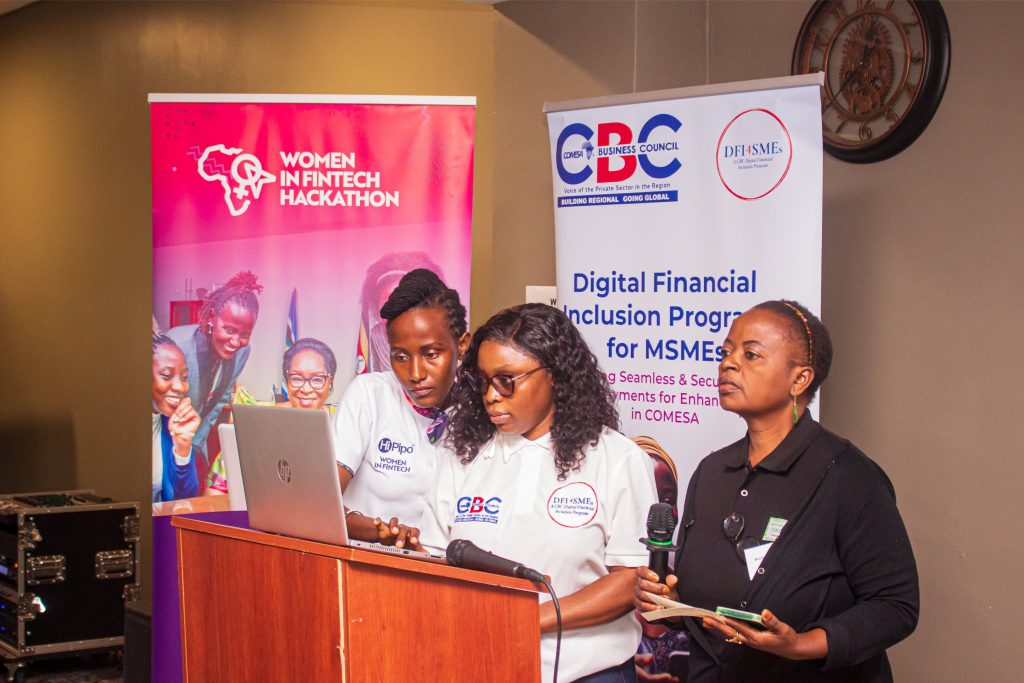
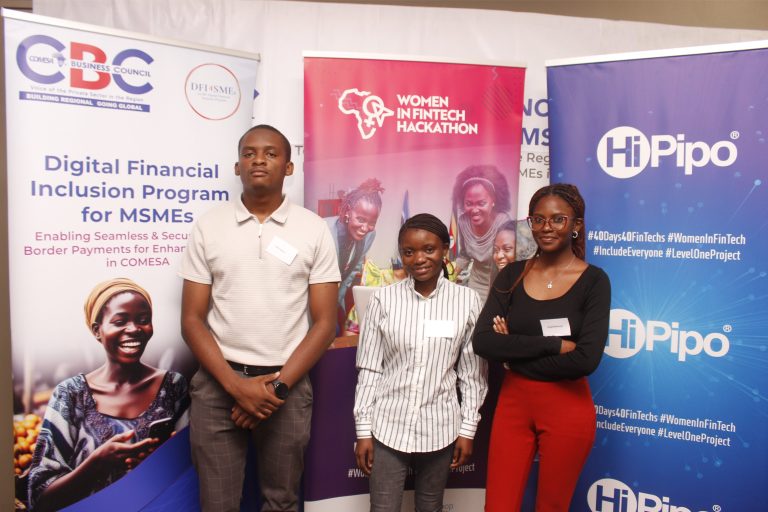
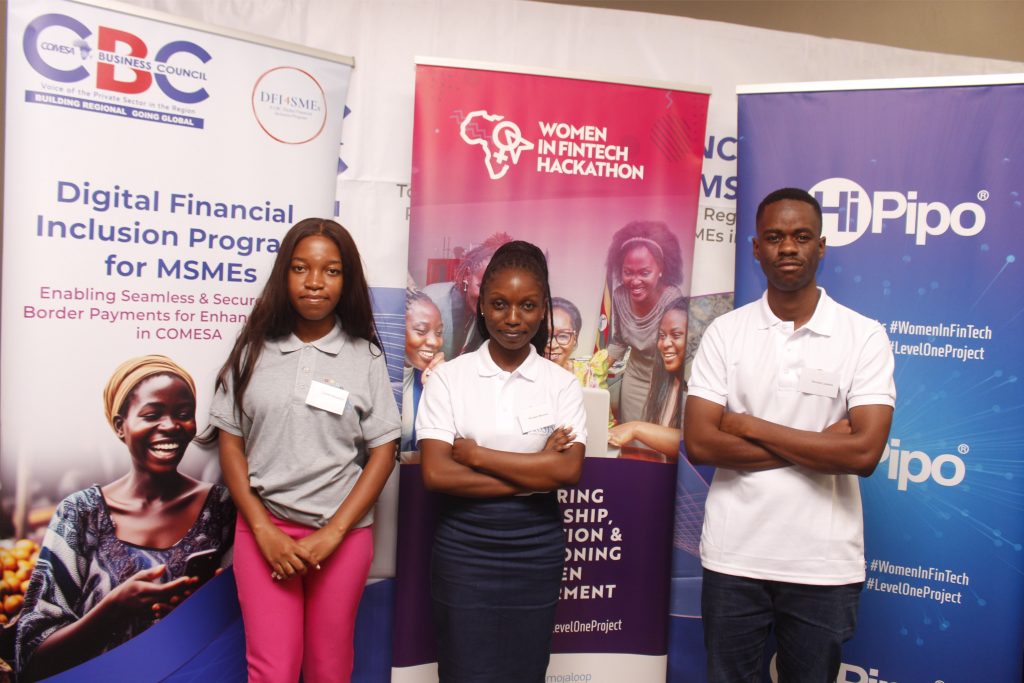
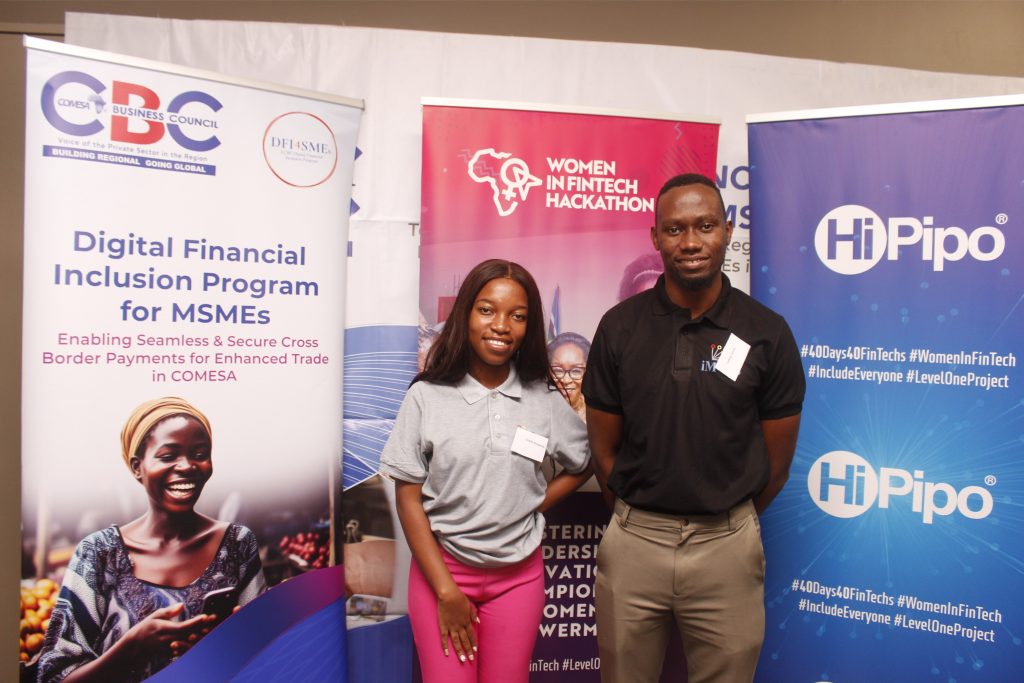
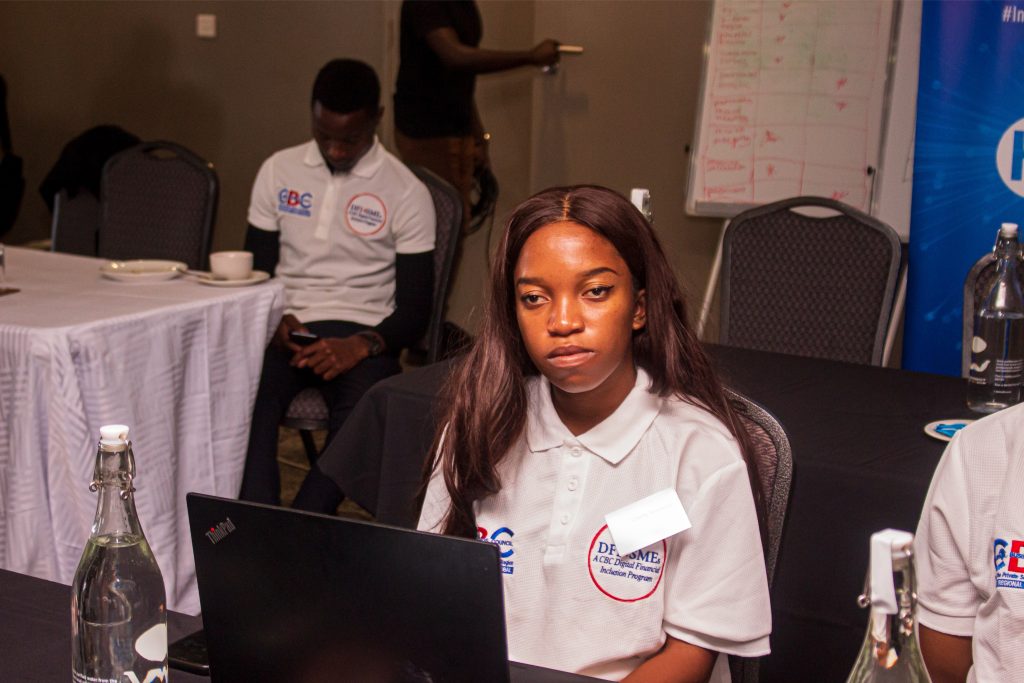
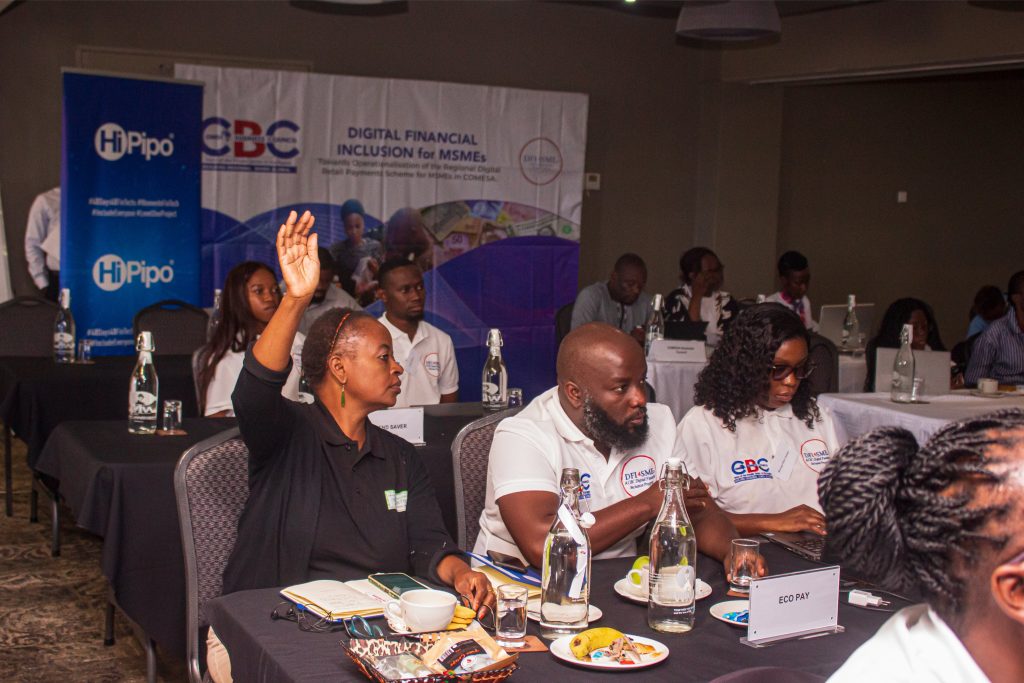
Following their participation in the COMESA Women in FinTech Hackathon organised by HiPipo and COMESA Business Council (CBC), the team is confident that the training and mentorship received were critical in refining their solution.

“Initially our solution was all over the place but following our participation in the Hackathon, we were able to narrow it down from transparency to market access down to market control,” she added.

They were especially pleased with the inclusivity aspects embedded in the Level One Project principles, which they hope to integrate into their product.

“The core principles of the Level One Project are inclusivity, interoperability and push payments, we are bringing together low-level income households to be able to participate in this financial scheme. For interoperability, we want to bring DFSPs together using Open API,” noted Horace Lwanda from Chalo Money.

Chalo Money featured on Day 36 of the 40 Days 40 FinTechs initiative; Zambia and Malawi edition. The roll-out of the 40 Days 40 FinTechs initiative in Zambia and Malawi followed its success in East Africa. Over the past 5 years, the 40 Days 40 FinTechs initiative has featured over 200 FinTech stories from Uganda, Tanzania, Kenya, and Rwanda. This initiative has also engaged hundreds of end-users and shared their stories with millions worldwide.

The primary objective of this initiative is to support and showcase innovative FinTech giants and start-ups from across Africa, with a focus on promoting financial inclusion and economic growth, in addition to giving start-ups access to the resources they need to develop new and innovative financial solutions that can benefit underserved populations. Such resources include but are not limited to Level One Project guidelines, Mojaloop Open Source Software and Inclusive Finance systems, etc. 
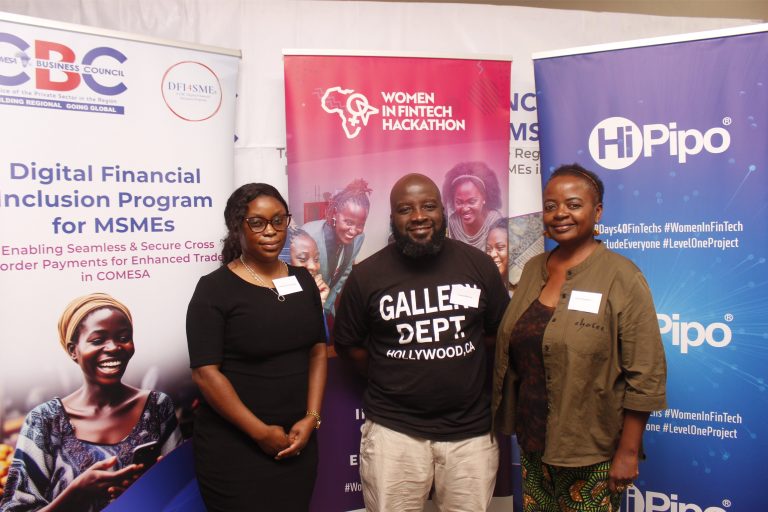
EcoPay using FinTech to solve Zambia’s charcoal problem. #40Days40FinTechs Zambia and Malawi edition, Day 35

Approximately 70% of Zambian households rely on charcoal or firewood for cooking, yet there are some few clean energy solutions in the country.

It is this problem that Zambian FinTech EcoPay sought to address during their participation in the 2025 COMESA Women in FinTech Hackathon, by ideating eco-friendly cooking solutions in Zambia and beyond.

EcoPay has developed a secure, efficient, and user-friendly payment system where people can acquire ethanal oil and eco-friendly cookers as substitutes to charcoal.

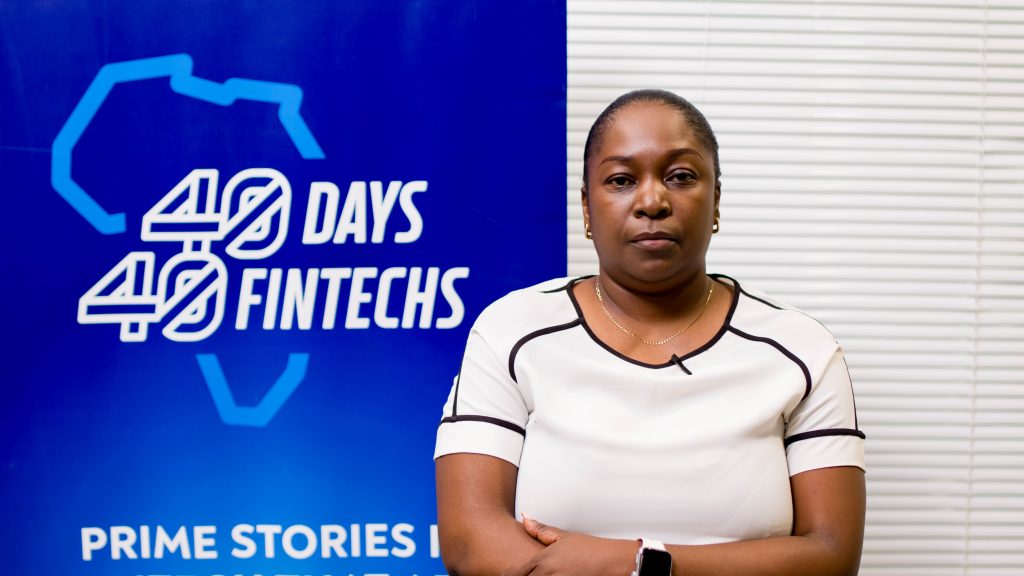
“EcoPay is a digital payment platform designed to facilitate the adoption of eco-friendly cooking solutions in Zambia. By providing a secure, efficient, and user-friendly payment system, we aim to increase access to clean energy solutions, improve the financial inclusion of women entrepreneurs and the youths; and reduce carbon emissions from cooking,” noted Annie Chabala Kapapula, Team Lead at EcoPay.

“We are planning to introduce an ethanol cooker and ethanol cooking gel, so that people can stop using charcoal especially in this dispensation of load shedding, everybody is really using charcoal,” she said, noting that they target at least millions of Zambians.

“Now it is a digital age, even if we are in the rural part of Zambia, people have feature phones as some have smartphones. We are ensuring that everybody who has a phone is able to buy our product, is able to know the price and where to get it,” Kapapula noted.

The solution is a short-code-based payment platform, enabling easy access to eco-friendly cooking products, seamless integration with mobile money, and credit cards.

On the tech side, the team is leveraging Mojaloop Open Source Software, especially its inclusiveness and instant payment functionalities.

“Mojaloop and Level One Project are enablers; so, with these, our platform will enable people make payments efficiently and instantly, because more people are not using cash anymore,” noted Chawa Mulengo, the Team Developer.

As participants in their first-ever COMESA Women In FinTech Hackathon, the team was happy to meet, network and collaborate with fellow innovators.

“We are grateful to COMESA Business Council (CBC) and HiPipo for the opportunity to showcase and refine our idea,” she said.

EcoPay featured on Day 35 of the 40 Days 40 FinTechs initiative; Zambia and Malawi edition. The roll-out of the 40 Days 40 FinTechs initiative in Zambia and Malawi followed its success in East Africa. Over the past 5 years, the 40 Days 40 FinTechs initiative has featured over 200 FinTech stories from Uganda, Tanzania, Kenya, and Rwanda. This initiative has also engaged hundreds of end-users and shared their stories with millions worldwide.

The primary objective of this initiative is to support and showcase innovative FinTech giants and start-ups from across Africa, with a focus on promoting financial inclusion and economic growth, in addition to giving start-ups access to the resources they need to develop new and innovative financial solutions that can benefit underserved populations. Such resources include but are not limited to Level One Project guidelines, Mojaloop Open Source Software and Inclusive Finance systems, etc. 
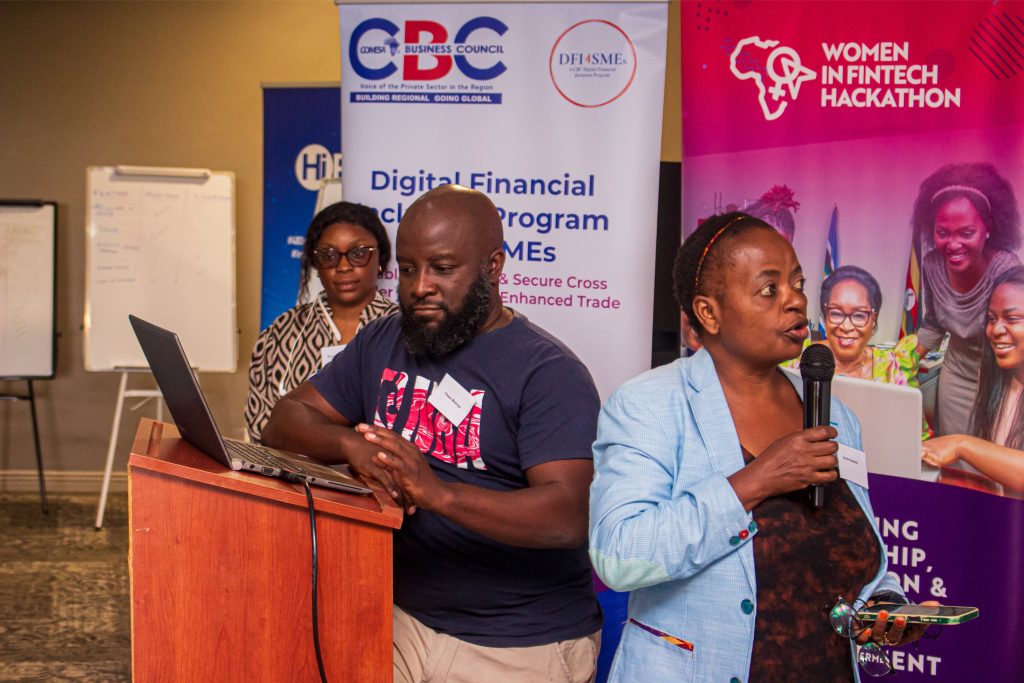
RippleWave is using FinTech to solve crowdfunding challenges. #40Days40FinTechs Zambia and Malawi edition, Day 34

Millions of Africans, particularly women, children, and marginalized communities, struggle to access financial support due to barriers in traditional crowdfunding platforms, which require credit/debit cards.

Since most people in these communities rely on mobile money, they are excluded from global crowdfunding solutions, limiting their ability to raise funds for urgent needs.

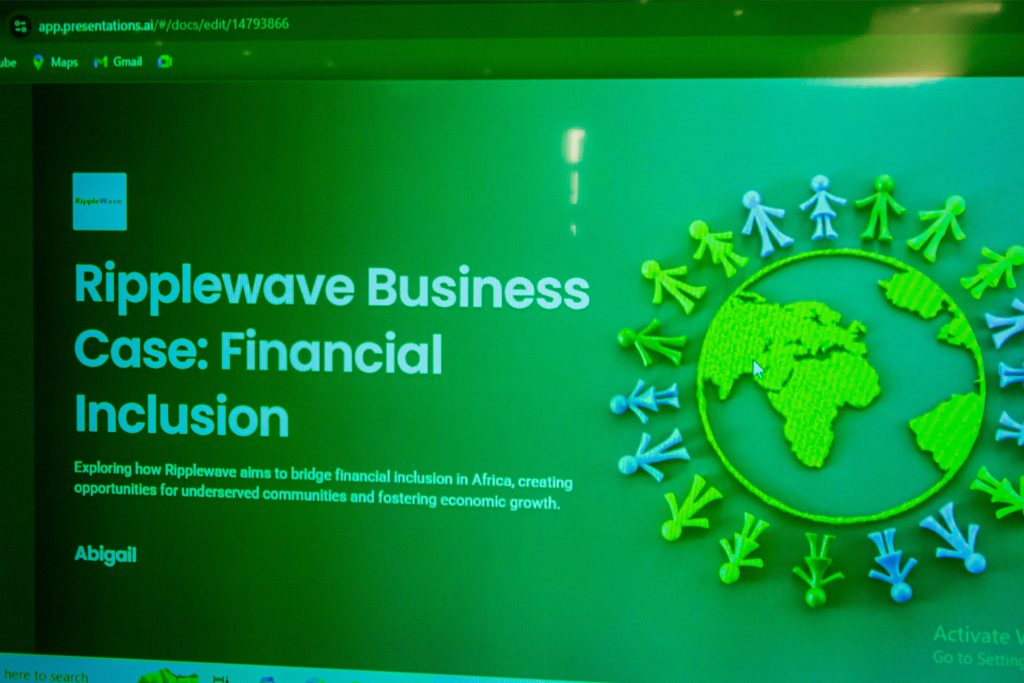
RippleWave was formed to bridge this gap by providing a crowdfunding platform tailored for Africa, allowing individuals to raise funds directly from their communities via mobile money.

According to Abigail Musenge, the CEO and Co-Founder, RippleWave targets the underbanked to raise funds for any of their causes and projects, targeting vulnerable women as well as orphanages to raise funds via a web platform or USSD.

“In our platform we have been able to integrate financial inclusion best practices such as accessibility on low end phones and USSD functionality. It is a crowd-based platform available wherever one is found,” Musenge said.

Women in FinTech Hackathon Participation.

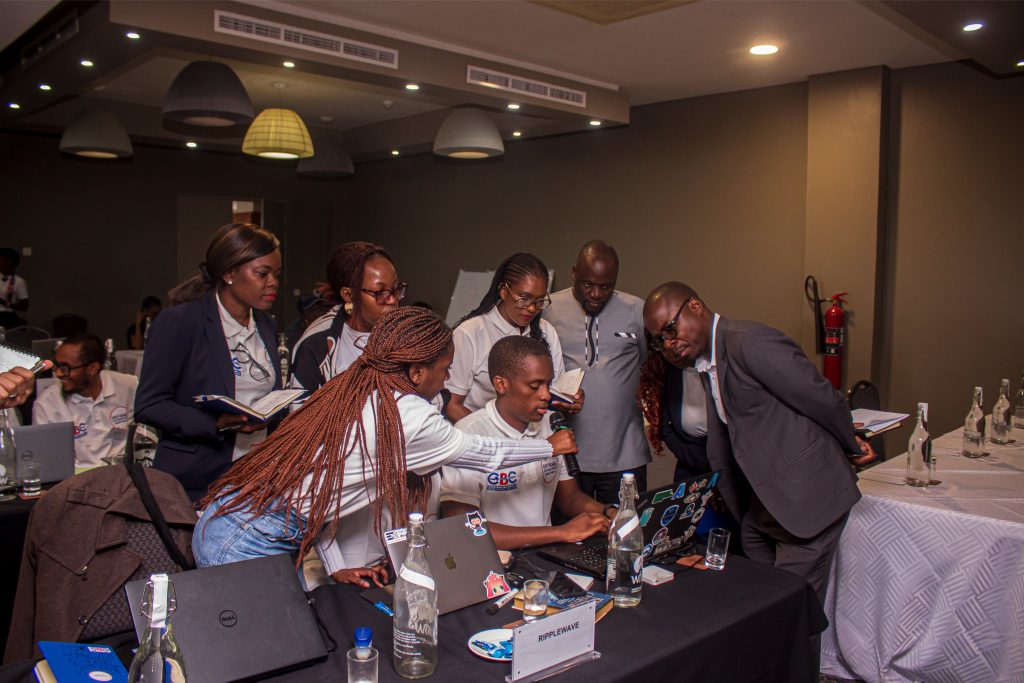
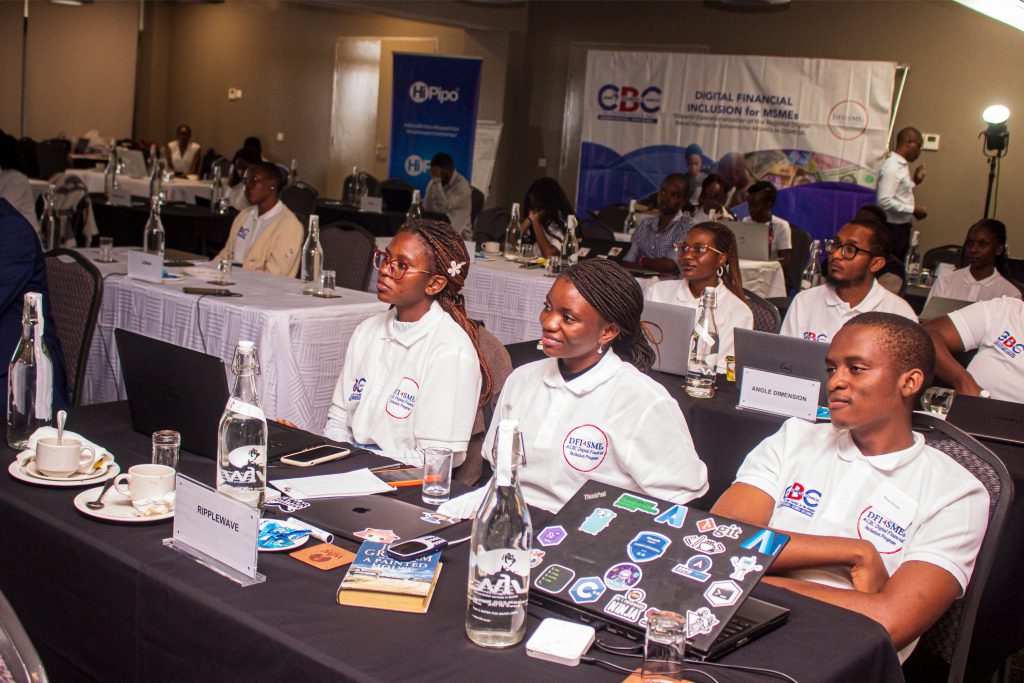
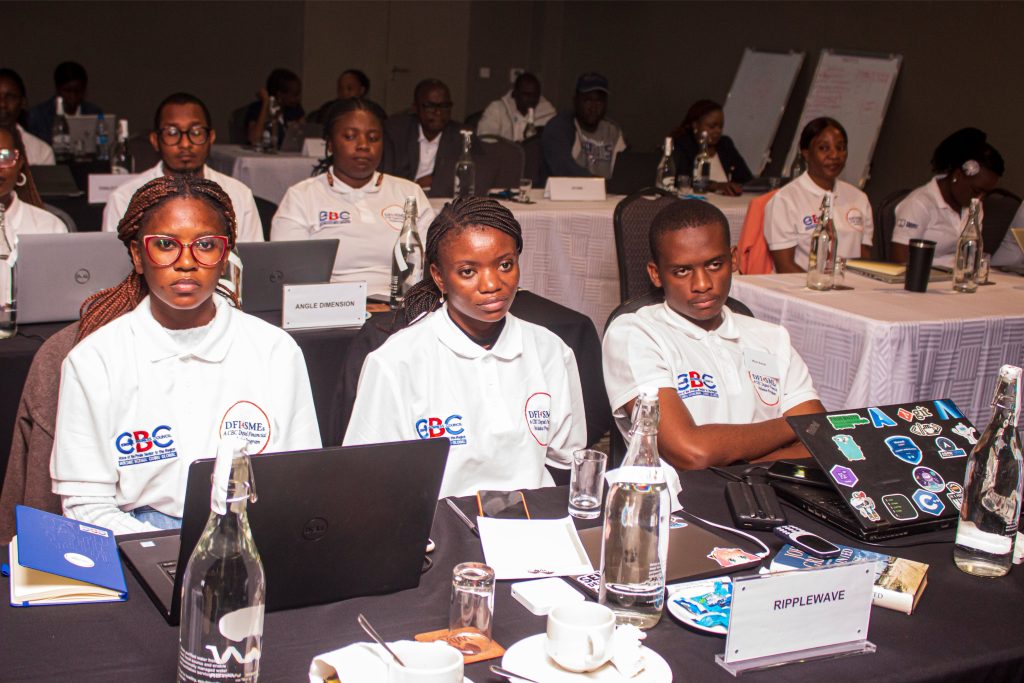
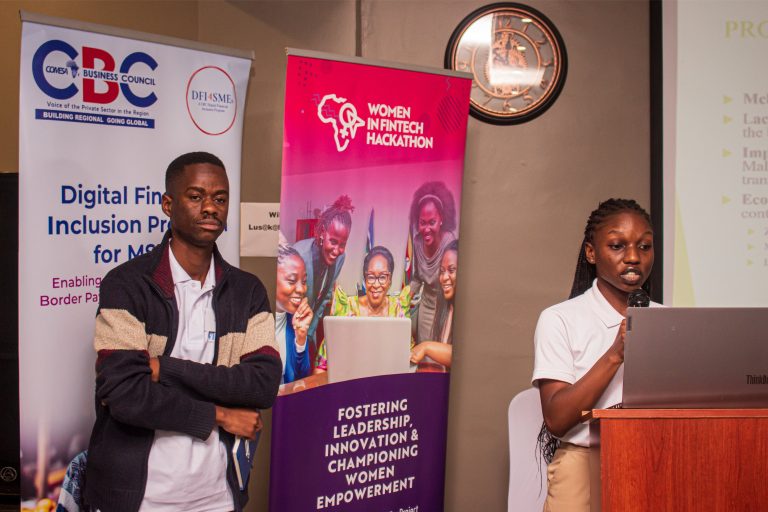
Team RippleWave participated in the 2025 COMESA Women in FinTech Hackathon and built this crowdfunding platform tailored for Africa.

According to its other co-founders, traditional crowdfunding platforms primarily rely on bank cards, excluding millions who depend on mobile money. They thus argue that by prioritizing mobile money integration, RippleWave unlocks accessible community-driven funding for those who need it most.

“Our competitive advantage is that we are mobile-money-first, meaning that anyone can be able to donate money regardless of them having a bank account or not,” added Mwansa Mwansa, a co-founder.

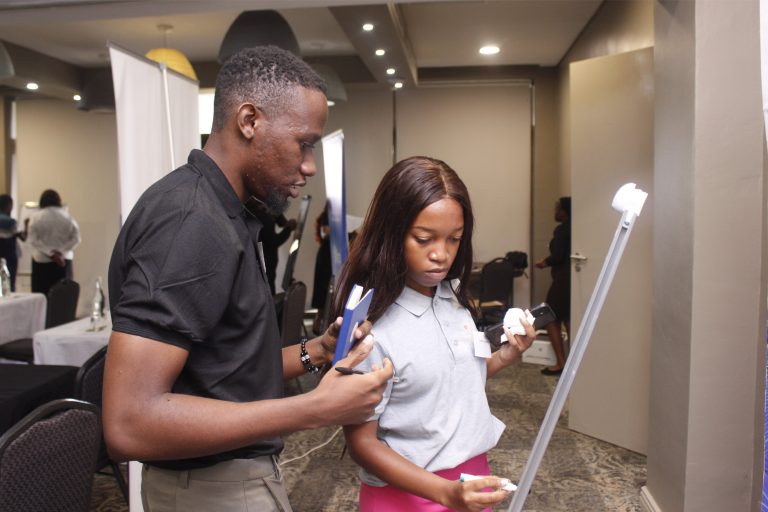
The team, along with 15 other participating teams, were taken through rigorous training on ideation, product development and business case presentations.  

In the end, they were happy with this incredible experience where they had a chance to network, collaborate, innovate and learn.

“The Hackathon gave us an opportunity to meet like-minded people from different countries solving everyday challenges,” noted Musenge.

“We are thankful to HiPipo and COMESA Business Council (CBC) for the opportunity to help us build a platform that is accessible to even people in rural areas,” she added.

RippleWave has been featured on Day 34 of the 40 Days 40 FinTechs initiative; Zambia and Malawi edition. The roll-out of the 40 Days 40 FinTechs initiative in Zambia and Malawi followed its success in East Africa. Over the past 5 years, the 40 Days 40 FinTechs initiative has featured over 200 FinTech stories from Uganda, Tanzania, Kenya, and Rwanda. This initiative has also engaged hundreds of end-users and shared their stories with millions worldwide.

The primary objective of this initiative is to support and showcase innovative FinTech giants and start-ups from across Africa, with a focus on promoting financial inclusion and economic growth, in addition to giving start-ups access to the resources they need to develop new and innovative financial solutions that can benefit underserved populations. Such resources include but are not limited to Level One Project guidelines, Mojaloop Open Source Software and Inclusive Finance systems, etc. 
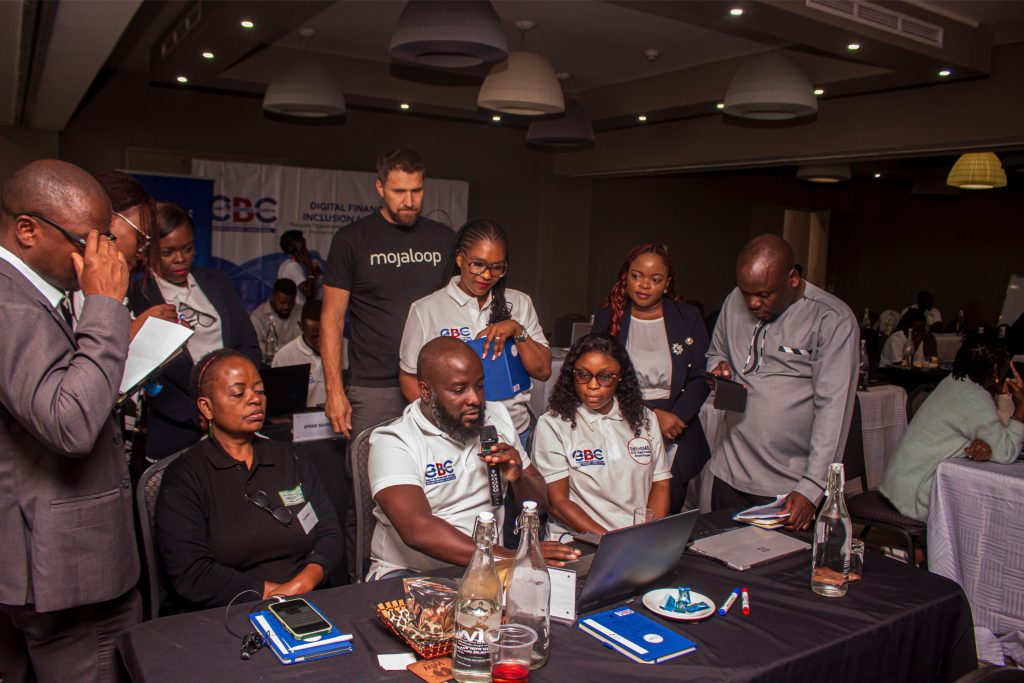
SpendSaver using FinTech to help MSMEs to generate automated financial reports. #40Days40FinTechs Zambia and Malawi edition, Day 33

Micro, Small and Medium Enterprises (MSMEs) are the backbone of Africa’s economy, contributing more than 80% of employment and 50% of GDP.

However, majority of MSMEs in Sub-Saharan Africa lack proper financial records, making it difficult for them to access loans, attract investors, or manage cash flow effectively.

In Malawi, an estimated 70% of small businesses struggle with unstructured financial records, significantly reducing their chances of securing formal credit.

This lack of financial visibility leads to poor decision-making, cash flow mismanagement, and missed investment opportunities. As a result, many start-ups in Africa fail within five years, with financial mismanagement being a primary cause.

It is for this reason that SpendSaver,a Malawian FinTech start-up was conceptualized.

According to Charity Kampanje, the CEO at SpendSaver, this mobile platform provides real-time tracking of revenue and expenses and enhances loan eligibility through automatic financial reports.

“The reasons why most MSMES don’t want to have financial records is because they find the process tiresome such as manually inputting records, there is also the complexity of tools on the market right now such as QuickBooks…so, for someone who is not financially literate, it is hard,” she said.

“The SpendSaver tool is different, because it provides real-time tracking of records and we are including mobile money platforms. Because most MSMEs come from the lower side of the economy, most of them don’t have smartphones, so we decided to have a USSD platform, but we also have a mobile App to ensure inclusion, we don’t have to leave anyone out…”   

Women in FinTech Hackathon Participation.

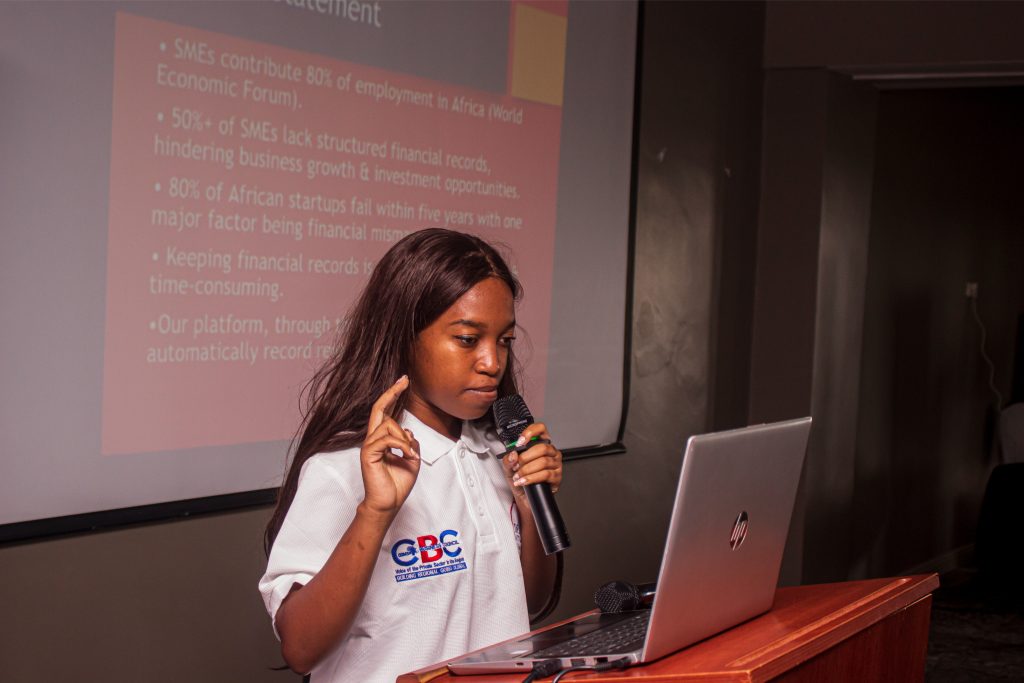
SpendSaver was one of 16 FinTechs from Zambia and Malawi that underwent rigorous product development during the 2025 COMESA Women in FinTech Hackathon for Zambia and Malawi.

According to the team members, the hackathon was an eye-opening experience, especially due to the training they received from industry-leading professionals across various areas.

“We have been able to learn quite a lot, from the basics of preparing a pitch-tech to legal aspects, and aspects such as Level One Project Principles, with emphasis on inclusion and open-source software.”

They expressed their gratitude to the organizers for the opportunity.

“We would like to appreciate COMESA Business Council (CBC), HiPipo and the Gates Foundation for the insightful sessions,” Kampanje said.

SpendSaver featured on Day 33 of the 40 Days 40 FinTechs initiative; Zambia and Malawi edition. The roll-out of the 40 Days 40 FinTechs initiative in Zambia and Malawi followed its success in East Africa. Over the past 5 years, the 40 Days 40 FinTechs initiative has featured over 200 FinTech stories from Uganda, Tanzania, Kenya, and Rwanda. This initiative has also engaged hundreds of end-users and shared their stories with millions worldwide.

The primary objective of this initiative is to support and showcase innovative FinTech giants and start-ups from across Africa, with a focus on promoting financial inclusion and economic growth, in addition to giving start-ups access to the resources they need to develop new and innovative financial solutions that can benefit underserved populations. Such resources include but are not limited to Level One Project guidelines, Mojaloop Open Source Software and Inclusive Finance systems, etc. 
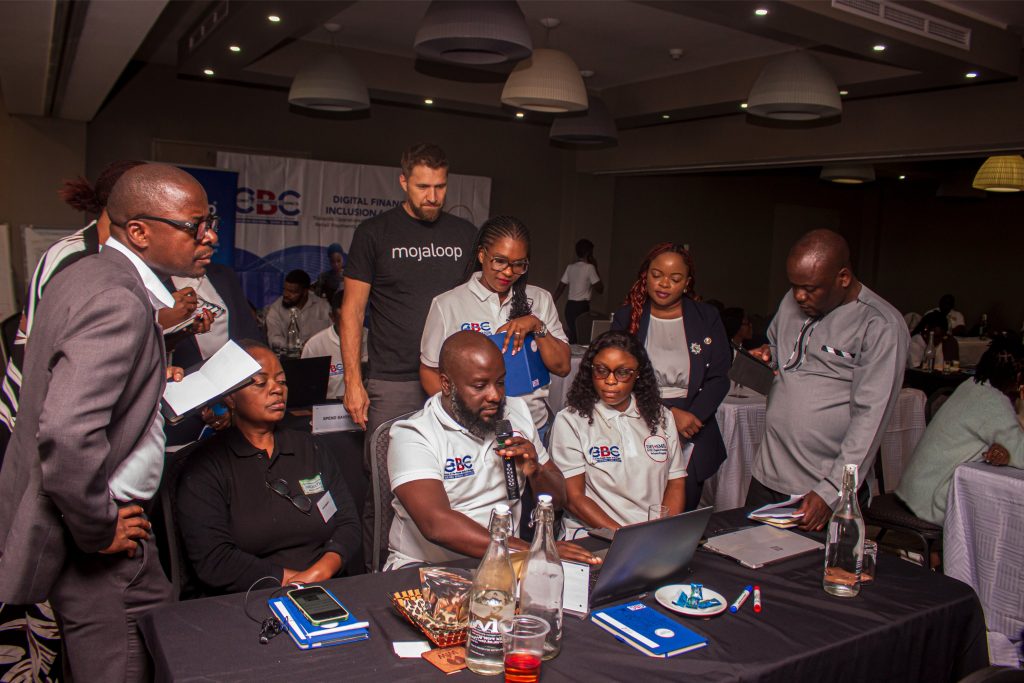
BroadPay is easing Collections, Payments and Payouts. #40Days40FinTechs Zambia and Malawi edition, Day 32

BroadPay; a Zambian FinTech is supporting last mile financial inclusion through digital financial services accessible anywhere, anytime. The company processes electronic payments for different service providers ranging from mobile network operators, utilities like electricity & water companies and Internet merchants through self-service kiosks.

BroadPay’s flagship product is Lenco; a payments gateway that accept and make payments in Zambia with mobile money, bank transfers and cards.

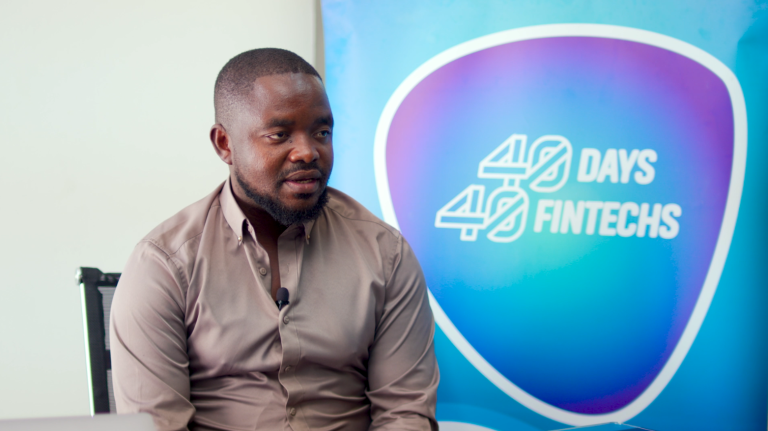
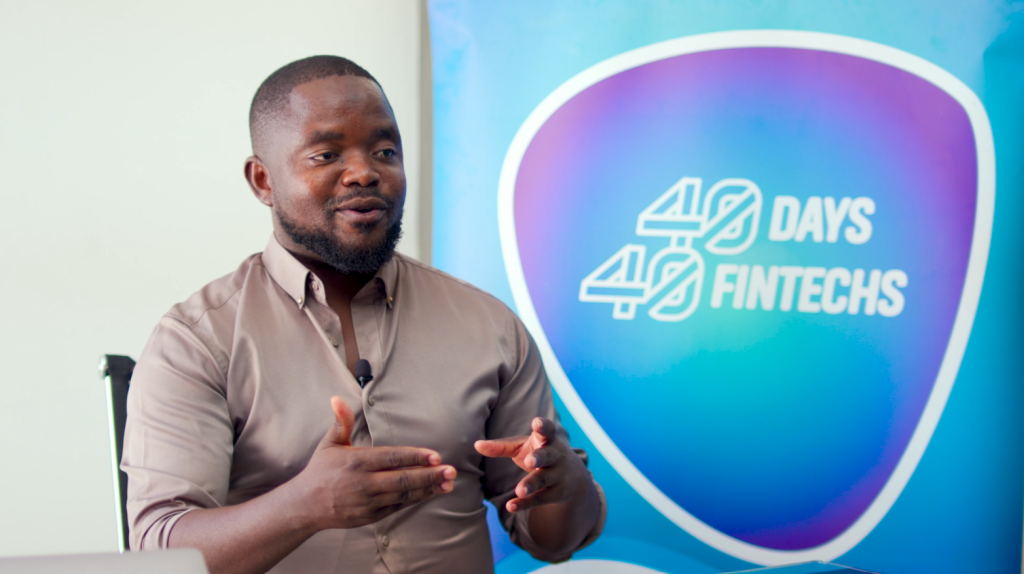
“We are a payment company that helps businesses accept payments from their customers through cards and mobile money payments. We incorporated in 2012 and started looking for investors. Our operations started in 2013 after we got our first seed investment. We onboard our clients through our APIs available on our web page. Clients fill in the onboarding forms available on our website and get started,” Bright Chinyundu, the Founder and CEO of BroadPay said.

He added: “We started with bill payments so we deployed self service kiosks in shopping malls where people could deposit cash and pay for bills like airtime, electricity and pay TV. In 2018, we started to scale and developed an APP so that people from anywhere across the country could access our services. But this meant that we needed a payment solution. At that time, there was only one payment gateway which was a card payment gateway owned by a bank. This inspired us to build our own APIs and payment platform.”

Chinyundu stressed that interoperability and collaboration is key to the success of FinTech in Zambia and across Africa.

“Unlike other markets, in Africa, we have to build the foundation ourselves. For example, when we started, we had to build a payment gateway. That is the foundation. So, someone else who comes and says they want to build a digital wallet, they will have to collaborate with us because we already got a payment gateway. They now don’t need to go and start building from scratch. That is how important collaboration is,” Chinyundu said.  

He noted that the other issues affecting the FinTech industry are low trust in digital innovations, preference for cash over digital money and limited funding for FinTech innovations.

“We keep going out to look for money. In an ecosystem like this, we don’t only need the founders and companies building the products. We also need HiPipo, COMESA Business Council and other partners because without you, we will not get the additional support. Thank you for the 40 Days 40 FinTechs initiative as it is really supporting the ecosystem. We need enablers like you,” he concluded.

BroadPay featured on Day 32 of the 40 Days 40 FinTechs initiative; Zambia and Malawi edition. The roll-out of the 40 Days 40 FinTechs initiative in Zambia and Malawi followed its success in East Africa. Over the past 5 years, the 40 Days 40 FinTechs initiative has featured over 200 FinTech stories from Uganda, Tanzania, Kenya, and Rwanda. This initiative has also engaged hundreds of end-users and shared their stories with millions worldwide.

The primary objective of this initiative is to support and showcase innovative FinTech giants and start-ups from across Africa, with a focus on promoting financial inclusion and economic growth, in addition to giving start-ups access to the resources they need to develop new and innovative financial solutions that can benefit underserved populations. Such resources include but are not limited to Level One Project guidelines, Mojaloop Open Source Software and Inclusive Finance systems, etc. 
Save and Remit is helping Saving Groups and Cooperatives digitize. #40Days40FinTechs Zambia and Malawi edition, Day 31

Africa has thousands of women savings and lending groups. Many of these are still informal, cash and paper based thus making them prone to administration mismanagement and funds misuse. It is such ills that Save and Remit services was founded to solve in Zambia.

According to Putty Kabango Muuka, the Founder and CEO of Save and Remit Services, this platform was born from the development of a digital application which caters for saving groups, village banking groups and cooperatives.

“The main focus of this application is to create a digital identity for these informal sector savings and lending groups and make them viable to microfinance institutions (MFIs) as well as give them a digital structure which also intensifies security in terms of payments because the application is linked to digital payments like mobile money and bank cards,” Putty Kabango Muuka said.

She added: “The Save and Remit application is currently present on the Google Play store. Our users are able to download it on the Google Play store. Once they download, they register their group and its details such as number of members, circle period and whether they would want to use the application for payments, savings plus administration which is all digitized. When they contact us, the registration is completed in less than 5 minutes. We then produce for them an 11 digits code to which the administrators of the group use to invite all their members. Once the members log on, they link themselves to the group using the 11 digits code and their administrators can confirm them on to the group.”

She noted that once onboarding is done, then the group and its members are able to transact digitally as per the services they signed up for.

“All transactions like savings are updated in real time. Every member can access their details and information from anywhere across the world. They are also able to download their statements which are generated in real time as members are transacting.

Kabango noted that while this platform was launched at the start of the COVID-19 pandemic, it picked up in 2022 when they were able to carry out pilot projects with organizations such as FSD Zambia.

“We currently have 50 saving groups that sit on our application with each group having a minimum of 20 members. We have at least 1000 members utilizing the APP.”

Kabango revealed that it is very difficult for FinTech start-ups to acquire certification and regulatory qualifications.

“For one to get a payment license, there a number of requirements needed. Also, the amount of money needed to acquire such a license is quite high for start-ups like ours. Also getting aggregation agreements with telecoms is hard as they also look at the volumes you have thus favoring already established FinTechs. Other challenges we are facing are high costs of new APP’ features development, and high cost for development of a USSD version to include those that don’t use smart phones.”

She applauded the 40 Days 40 FinTechs initiative for its gender intentional approach that supports women innovators and urged the initiative to further empower women through helping them address some of the challenges they face, working with regulators to improve certain regulations to enable more women to roll-out their ideas plus extending technical and financial aid if possible.

Save and Remit featured on Day 31 of the 40 Days 40 FinTechs initiative; Zambia and Malawi edition. The roll-out of the 40 Days 40 FinTechs initiative in Zambia and Malawi followed its success in East Africa. Over the past 5 years, the 40 Days 40 FinTechs initiative has featured over 200 FinTech stories from Uganda, Tanzania, Kenya, and Rwanda. This initiative has also engaged hundreds of end-users and shared their stories with millions worldwide.

The primary objective of this initiative is to support and showcase innovative FinTech giants and start-ups from across Africa, with a focus on promoting financial inclusion and economic growth, in addition to giving start-ups access to the resources they need to develop new and innovative financial solutions that can benefit underserved populations. Such resources include but are not limited to Level One Project guidelines, Mojaloop Open Source Software and Inclusive Finance systems, etc.