
An analytical deep dive into the policies, technologies and partnerships powering financial inclusion across Africa.
Inclusive financial systems are reshaping Africa’s economic landscape. Over the past decade, the share of people worldwide with an account at a bank or mobile money provider has risen from roughly half to nearly 80 percent. Across Africa, mobile money adoption has driven account ownership from 34 percent in 2011 to 55 percent in 2021 and 33 percent of adults now hold mobile money accounts. These gains show that affordable, accessible digital services can bring millions into the formal economy.
Yet gaps persist. Gender differences in account ownership remain pronounced: in low‑ and middle‑income countries, women are five percentage points less likely to have an account than men, and in Sub‑Saharan Africa, the gap is about 12 percentage points. Rural areas continue to suffer from weak infrastructure and poor connectivity, while low levels of financial literacy and strict regulatory regimes undermine progress. Tackling these challenges requires a coordinated push from governments, central banks, telecom operators, innovators and civil society.
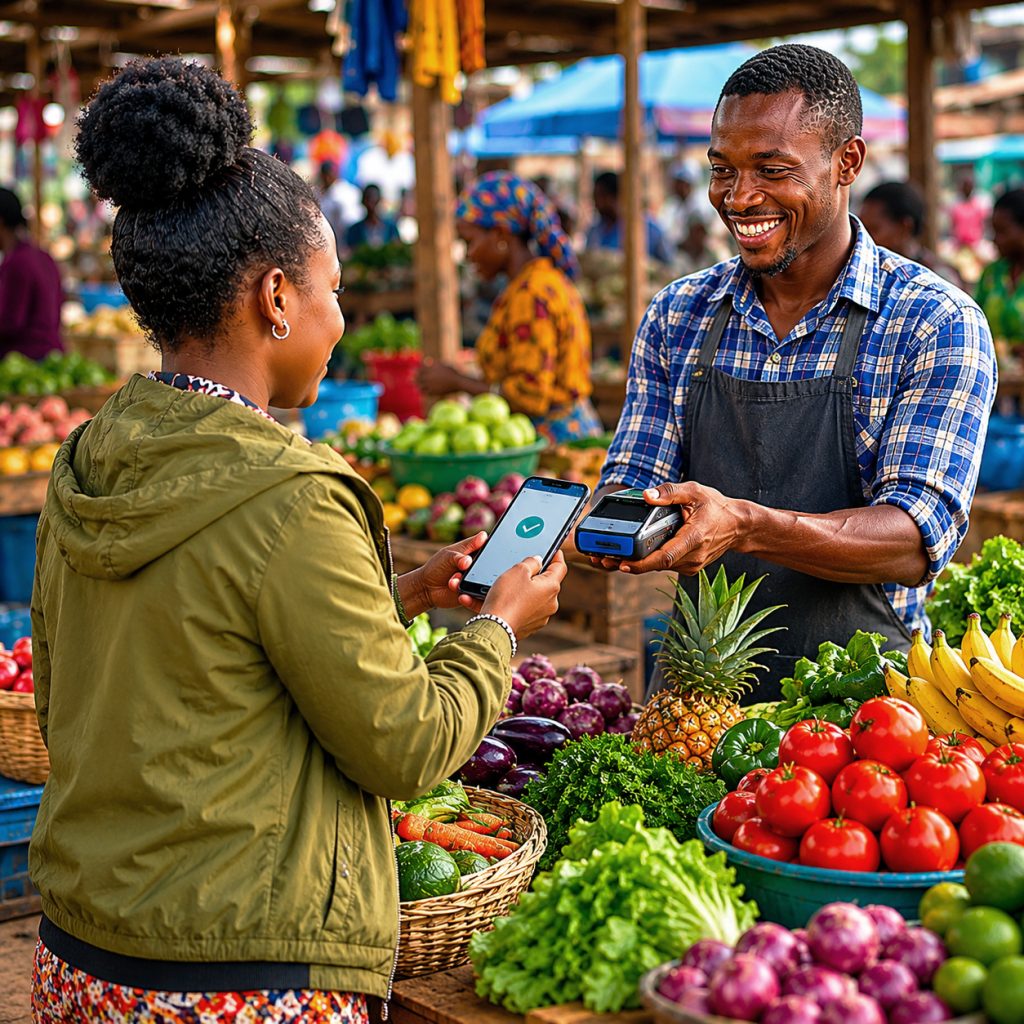
Innovations from Africa’s FinTech ecosystem show what is possible. Mobile money pioneers like M‑Pesa and MTN MoMo have brought banking to millions; fintech start‑ups are using alternative data to expand credit and savings; and open‑source payment systems such as Mojaloop promise interoperable instant payments. Programmes like the HiPipo Include Everyone initiative advocate for sound, safe and affordable services and push for open APIs, while microfinance institutions provide tailored products that empower women and smallholder farmers.
Still, digital finance must be inclusive by design. It should cater for women and youth, small and micro enterprises and rural populations. Policies that encourage competition and interoperability can lower costs and spark innovation. Infrastructure investments can extend broadband to remote communities. Education campaigns can equip people with the skills they need to use digital tools. Achieving universal financial inclusion will not be easy, but the economic and social benefits, reduced poverty, greater resilience and wider prosperity, make it imperative.
Inclusive finance is not just a technology story; it is a development strategy. Access to safe, affordable and interoperable financial services allows households to save for emergencies, invest in education and health and start businesses. It empowers women and youth, reduces rural–urban divides and underpins progress toward Sustainable Development Goals such as poverty eradication, gender equality and decent work. Policymakers, innovators and investors should therefore view financial inclusion as a key lever for broad‑based economic growth.