How mobile money and microlending turn ordinary Africans into entrepreneurs.
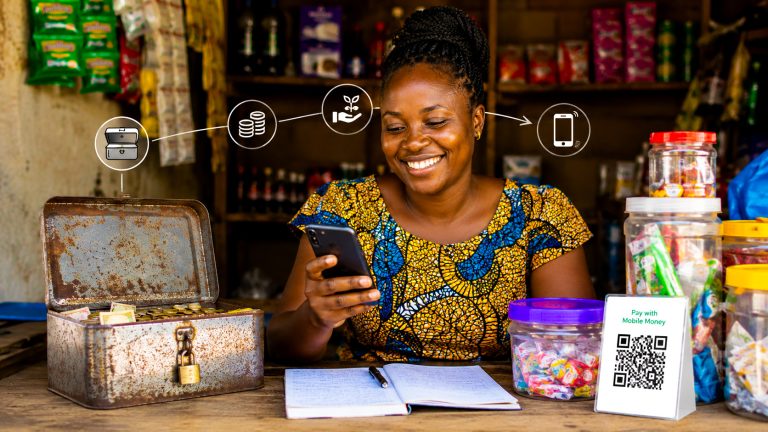
Rose Mary’s story begins in a small Ugandan town with a mobile phone and a dream. As an assistant mobile money agent, she spent her days helping neighbours receive remittances and pay bills. Instead of hiding her earnings in a tin box under a bed, like Miriam, one of Africa’s 400 million unbanked adults, Rose Mary saved through the very platform she managed. Within months, she bought a bicycle and started delivering meals to her clients. A year later, she secured a micro‑loan for a motorbike and became a Safe Boda rider. By reinvesting profits and partnering with her sister, she repaid each loan early and grew a fleet of three boda bodas, earning around $900 per month.
Rose Mary’s journey illustrates how inclusive financial systems turn aspiration into action. Mobile money services enable users to save, borrow and pay without a bank account. Microfinance institutions and digital microlenders provide small loans based on transaction histories rather than collateral. Digital platforms integrate with e‑commerce sites like Jumia, so informal merchants can serve a broader market. For women and youth groups traditionally excluded from finance, these tools are transformative. They offer a path to independence and entrepreneurship.
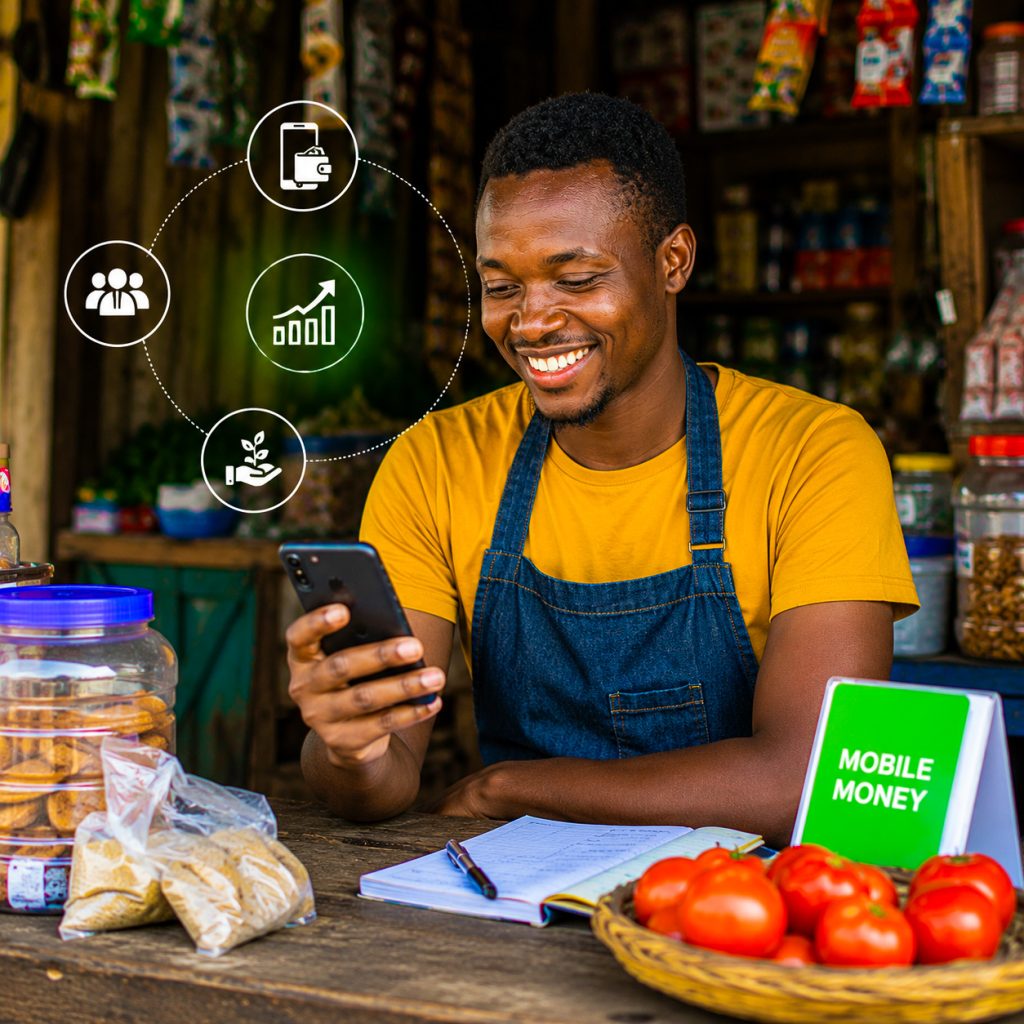
Inclusion benefits society at scale, too. Uganda’s top 1,000 taxpayers save about $1.995 million daily thanks to digital tools; over a decade, that efficiency amounts to $7.28 billion in savings. Each online interaction cuts travel time by 30 minutes, collectively saving 1.5 million hours per day. As payments evolve from cash to mobile wallets and interoperable instant systems, similar gains are emerging across Africa. Women, especially in urban areas, use digital services to save time and money, yet efforts must extend to off‑grid communities where electricity and internet access remain scarce.
Inclusive finance is about people more than platforms. It is about the vendor who can now receive payments instantly, the farmer who can access weather insurance, the mother who can pay school fees remotely and the youth who can build a credit history. For Rose Mary, it meant turning a job into a thriving transport business; for millions like her it means dignity, choice and hope.
Human stories demonstrate why financial inclusion matters. When digital tools reach women, rural entrepreneurs, and informal workers, entire families and communities benefit. Inclusive finance reduces vulnerability, unlocks entrepreneurship and makes the economy more resilient. If policies continue to support open systems, consumer protection and digital literacy, millions more will follow Rose Mary’s path from subsistence to success.