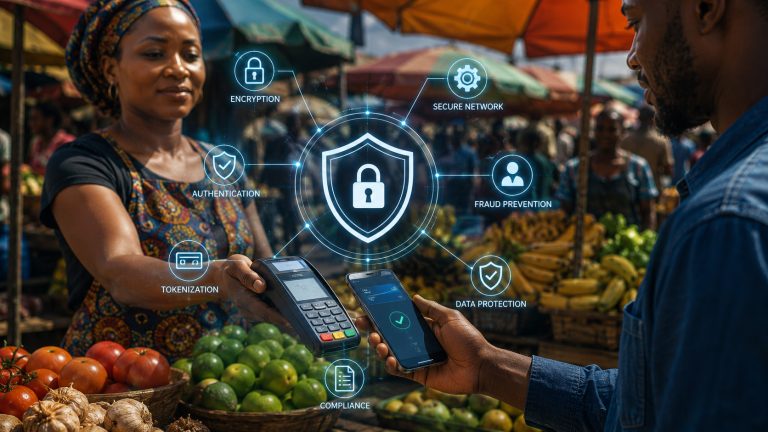
A narrative journey through markets and villages where digital payments are redefining commerce.
In a bustling market in Lagos, a street vendor scans a QR code on a customer’s phone and receives instant payment. The transaction happens over a mobile wallet built on Mastercard’s rails, yet tomorrow the same vendor might accept a Visa-enabled QR code or a local fintech app. This fluidity reflects the ground reality of Africa’s digital payments boom. Sub‑Saharan Africa accounts for 65 percent of global mobile money transactions, with $910 billion in value processed in 2023. Behind every tap, scan and transfer lies a struggle for supremacy among global giants and local challengers.
Mastercard’s community‑first approach is evident in the way it equips small merchants with low-cost terminals and provides training and microloans. In rural Rwanda, women’s cooperatives use Mastercard’s tools to sell crafts online and receive cross‑border payments. Visa, meanwhile, focuses on scale. It signs deals with large banks, mobile operators and governments to integrate Visa Direct and virtual card services into mobile wallets. In Tanzania, Visa has partnered with a mobile network operator to offer a unified QR code that works across multiple banks and telecoms.
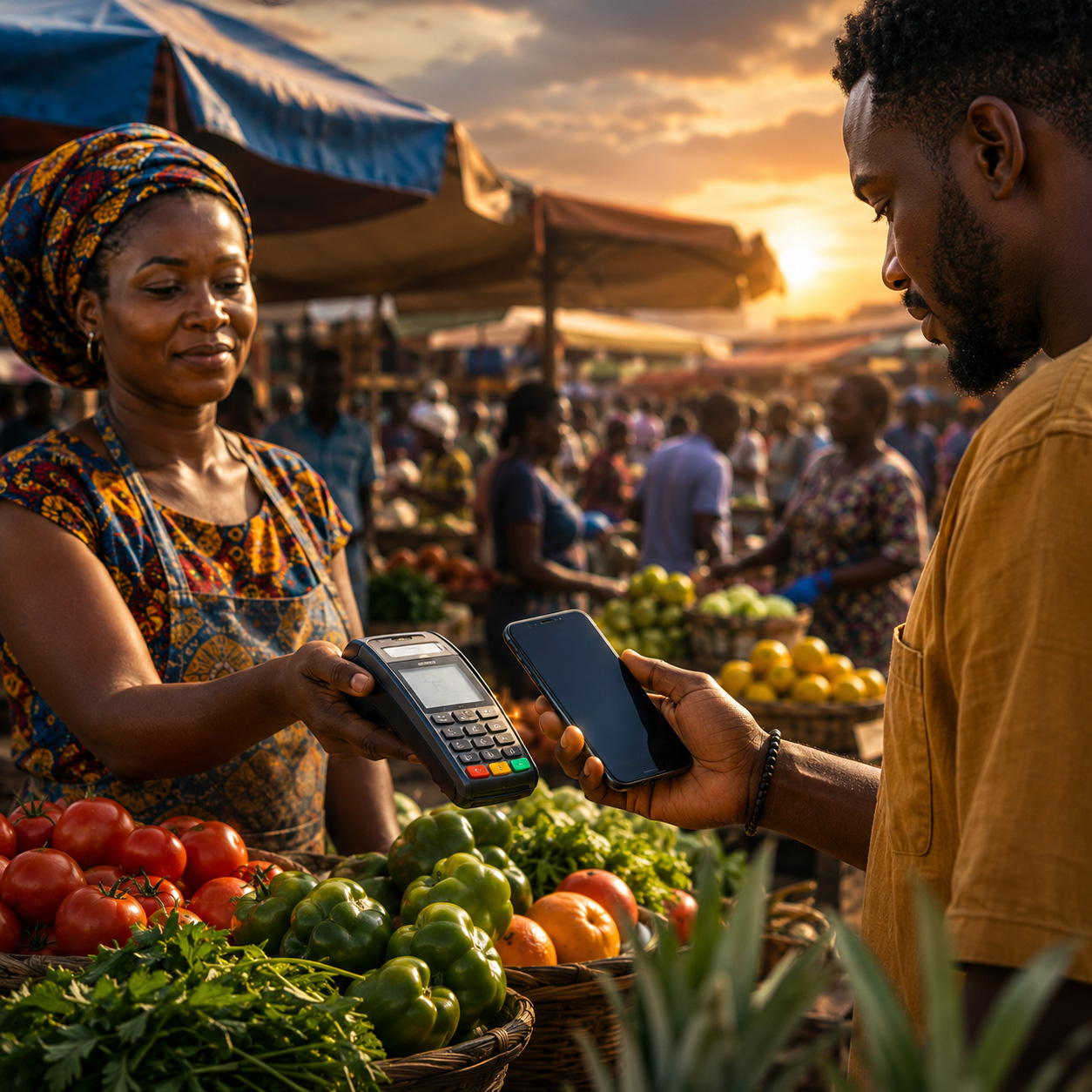
For merchants and consumers, the benefits are tangible. Electronic payments eliminate the need to carry cash, reduce theft and open access to formal credit. Entrepreneurs can accept international payments through e-commerce platforms, while farmers can get paid promptly for produce. Yet these gains depend on inclusive infrastructure. Many rural areas still lack reliable internet or agent networks; regulatory fragmentation increases costs; and some global players prioritise proprietary systems over interoperability. To ensure that competition drives innovation rather than fragmentation, regulators and industry groups must enforce standards and incentivise open APIs.
The contest between Visa and Mastercard matters most to the people on the ground. Their choices determine whether digital payments empower a boda boda rider, a market trader or a tech start‑up. A balanced playing field where local providers and global giants collaborate will enable Africa’s payment revolution to reach every corner of the continent.
For Africa’s shopkeepers, farmers and young entrepreneurs, digital payments are more than convenience; they are a lifeline to formal finance and a gateway to e‑commerce. Highlighting the lived experiences of vendors and cooperative members underscores why payment innovation must be inclusive. By ensuring interoperability and fair competition, regulators can help global players and local fintechs build a digital economy that leaves no one behind.