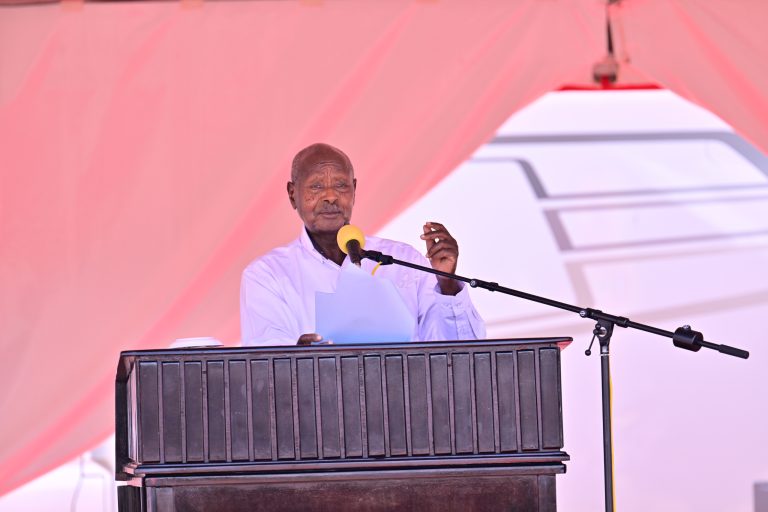
President Yoweri K. Museveni delivered a characteristically firm State of the Nation address on Thursday, painting a picture of steady economic progress while issuing sharp warnings to absentee leaders, corrupt officials, and underperforming public servants.
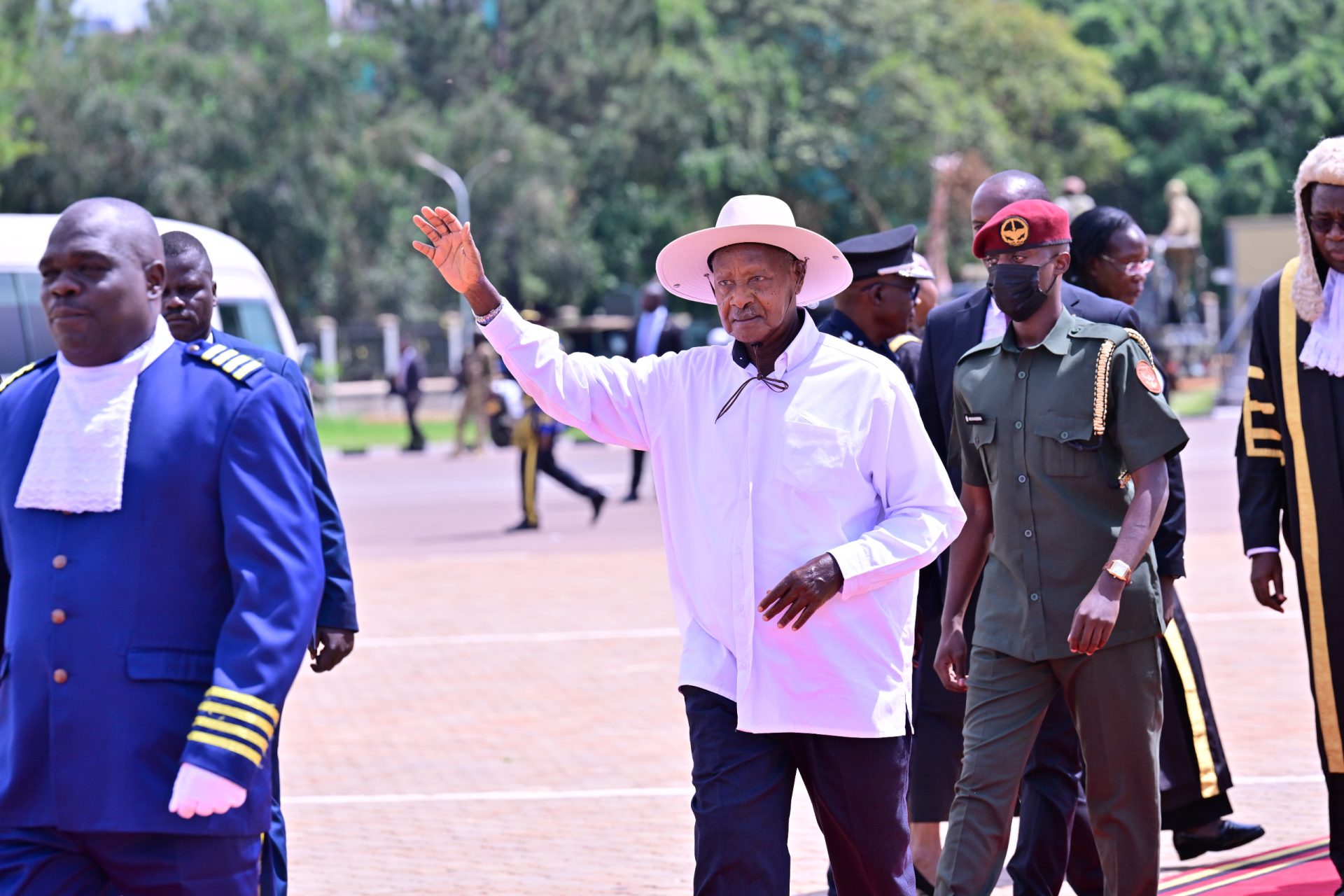
Speaking before a limited audience at Kololo Ceremonial Grounds due to Ebola safety restrictions, the President declared that the coming term would be one of “no more sleep, no more corruption, and no more politeness” in dealing with lax leadership.
“All non-performers should leave positions of leadership,” Museveni said, drawing a clear line on accountability.
The President reported significant improvements in household livelihoods, saying poverty levels had fallen from 56 percent to 16.1 percent. He projected that Uganda’s economy would grow from 6.4 percent to 10 percent by 2027, driven by key investments and the anticipated commencement of oil production.
Museveni said the NRM government had identified all the key requirements needed to build a prosperous Uganda, and that the mission now was to support companies that align with the development agenda and are committed to wealth creation.
The President devoted considerable attention to agriculture, explaining why he has consistently emphasised the sector.
“I have spent a lot of time emphasising agriculture, not because I do not value other sectors, but because it is where our people can earn a living more easily,” Museveni said.
He showcased video testimonies highlighting individuals who have benefited from government wealth creation programmes introduced over the years, underscoring their impact on livelihoods and economic empowerment.
Museveni also touted the benefits of the East African Crude Oil Pipeline, saying fuel tankers would eventually be phased off the roads once the pipeline and related petroleum infrastructure are completed.
“Petrol will be transported through pipelines instead of competing with vehicles on the roads, leaving the roads for cars and light cargo,” the President said.
In one of the more striking passages of his address, Museveni expressed frustration with leaders who request allowances to engage with citizens at the grassroots while remaining disconnected from the people they represent.
He criticised some leaders for failing to visit their constituencies, alleging that they instead remain in Kampala. The President warned that anyone who does not care about the people should not attempt to assume leadership roles.
“Don’t try to be a leader when you don’t care about the people,” Museveni said.
The President announced that government would table 38 bills before Parliament, outlining an ambitious legislative agenda aimed at advancing national development and policy reforms. Specific details of the proposed bills were not provided during the address.
Speaker of Parliament Jacob Marksons Oboth echoed Museveni’s “no more sleep” message, urging Members of Parliament to adopt a more vigilant and proactive approach in their legislative and oversight duties. He called on MPs to become a “Parliament of no more sleep,” emphasising heightened responsibility and responsiveness in serving the public.
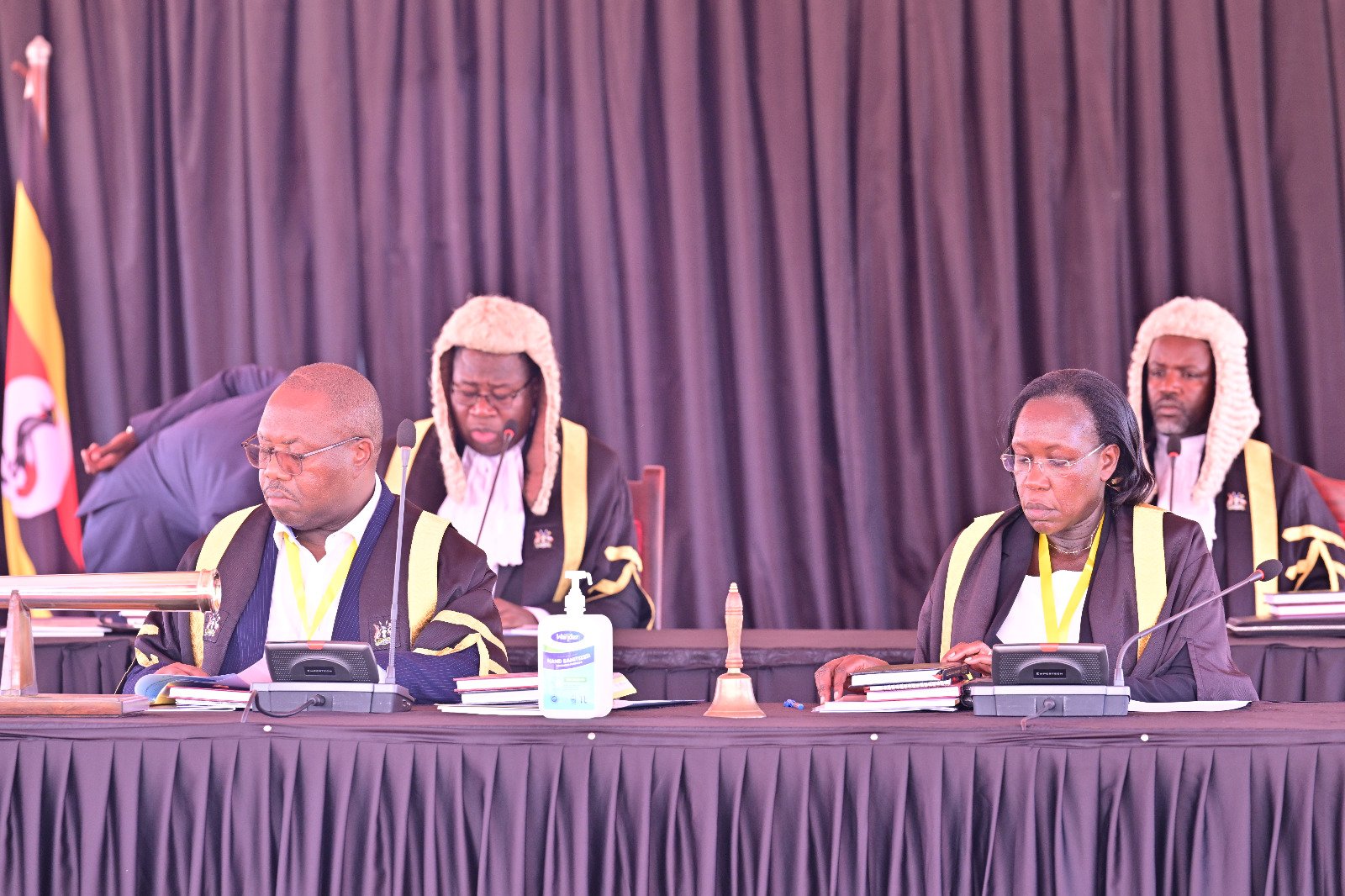
Oboth also announced that President Museveni would deliver the 2026/27 national budget speech on Thursday, 11th June 2026, at Kololo Independence Grounds, beginning at 2:00 pm.
Attendance at the event was limited to Members of Parliament, parliamentary staff, and a select group of invited guests, in line with measures put in place to prevent the spread of Ebola. The President thanked voters for what he described as overwhelming support for the National Resistance Movement in the 2026 elections.
In his 2025 State of the Nation address, Museveni had reported that Uganda’s economy had grown from $3.9 billion in 1986 to $61 billion, with growth estimated at 6.7 percent. He had highlighted progress in industrialisation, infrastructure, and health investment, including a 250-bed cardiac hospital, while stressing the need to move away from exporting raw materials.
This year’s address built on those themes while striking a tougher tone on governance and performance.