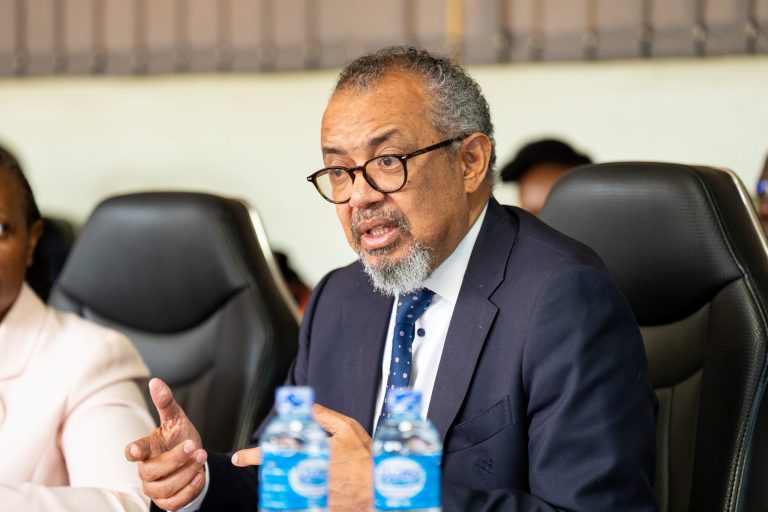
World Health Organization Director-General Dr. Tedros Adhanom Ghebreyesus has praised Uganda’s “prompt and capable” response to the ongoing Ebola outbreak, expressing confidence that the situation can be brought under control through continued regional collaboration.
Dr. Tedros arrived in Uganda on Monday, 8th June 2026, fresh from a high-stakes assessment tour in the neighbouring Democratic Republic of Congo (DRC), which is currently battling a larger outbreak of the rare Bundibugyo strain of the virus.
In a statement posted on X, Dr. Tedros noted that rigorous screening protocols established at Uganda’s borders have been instrumental in detecting and managing cases flowing from the DRC epicentre.
“The country’s surveillance, testing, and case management systems are doing steady work,” Dr. Tedros wrote, adding that WHO and the Africa Centres for Disease Control and Prevention are actively supporting the government-led response.
According to a weekend situation report from Uganda’s Ministry of Health, the country had registered a cumulative total of 19 confirmed Ebola cases as of 6th June 2026. Crucially, health officials reported zero new cases in their latest specific update, signalling that containment measures are yielding positive results.
Of the 19 recorded cases, 14 were imported from the DRC, while five are Ugandan nationals. The ministry reported that 13 patients are currently receiving medical care in active admissions, and four individuals have been successfully discharged.
Two deaths have been registered so far, both falling under the category of imported cases from the DRC.
The relatively low number of locally transmitted cases suggests that Uganda’s border screening protocols are functioning as intended. Travellers entering from the DRC are being tested, and those found infected are being isolated before they can spread the virus to local communities.
Despite the complex cross-border dynamics, Uganda’s Ministry of Health has reassured the public that the outbreak remains tightly managed and the country is safe.
Dr. Tedros echoed this optimism while extending condolences to the families of the deceased.
“The key to ending the regional threat relies on swift leadership, partnership, and cross-border trust,” he said.
The DRC is battling a larger outbreak of the Bundibugyo strain, a less common variant of the Ebola virus. While Uganda has managed to limit imported cases, the situation in eastern DRC remains fluid, and continued vigilance at the border will be essential.
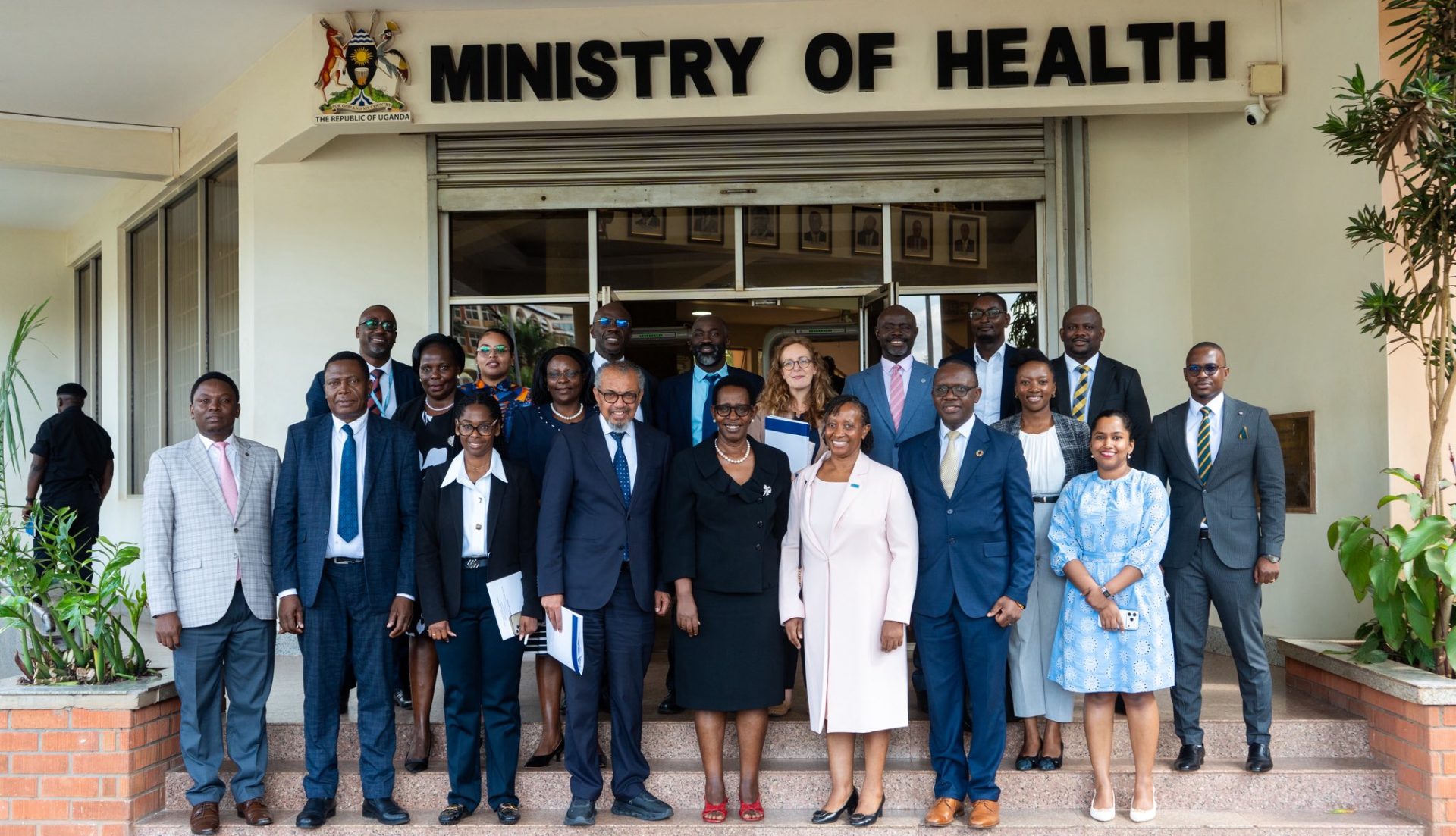
The WHO chief’s back-to-back visits to both countries underscore the importance of coordinated regional action. Ebola knows no borders, and an outbreak in one country quickly becomes a concern for its neighbours.
With zero new cases reported in the latest update, Uganda’s health authorities will be hoping to maintain that trend. The focus now shifts to monitoring the 13 active admissions, ensuring that all contacts of confirmed cases are traced and isolated, and maintaining border screening protocols.
The successful discharge of four patients offers a measure of hope, demonstrating that with proper medical care, recovery is possible.
For now, the Ministry of Health has urged the public to remain calm but vigilant, reporting any suspected cases to health authorities immediately.