Home Blog Page 39

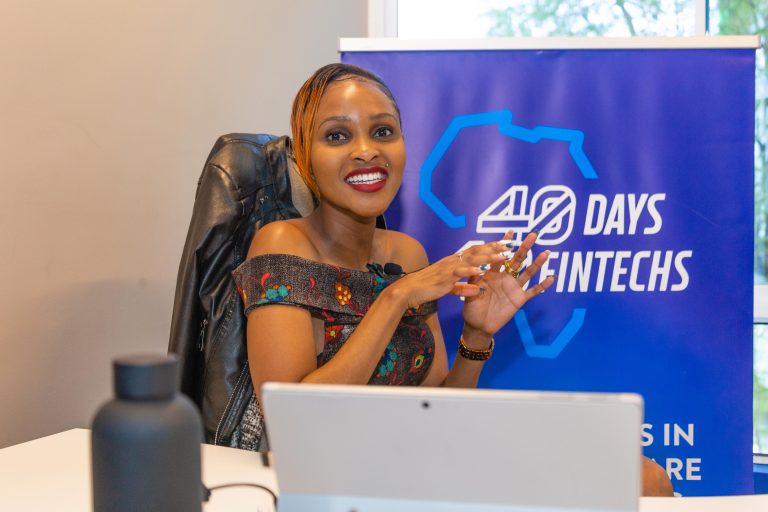
Little App Surpasses One Million User Milestone in Kenya. #40Days40FinTechs Season 4 Day 41

Steve Wanderi, a dedicated taxi driver from Kenya, recently adopted Little Cab, a digital ride-hailing service, in his quest to enhance the quality of his services. This decision has brought about remarkable transformations in his professional life.

Wanderi notes that the biggest challenge for any cab driver is the lack of consistent clientele – but Little has solved this problem for him.

“The Little APP is impressive. You can’t stay in an area without getting a client. Most of the time, you get a client and are fully compensated for your time,” he says of Little, a Kenyan transport and logistics solution jointly founded in 2016 by tech giants Craft Silicon and Safaricom. Little Cab has nascent operations in other East African countries and hopes to expand beyond the region.

Wanderi is happy that with Little’s mobile application, a cab driver can get paid instantly without waiting for days or weeks to cash out.
“They calculate every minute you spend on the ride. Even if you are stuck in traffic, your hours are compensated. We appreciate them for that,” he says.

One-stop App.

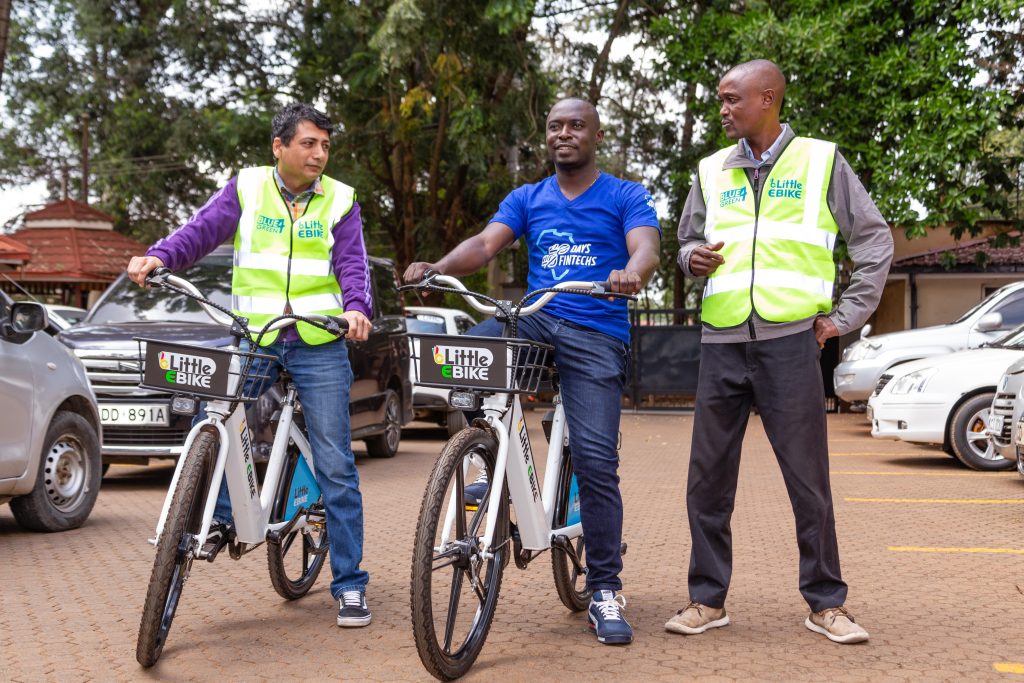
Nyawira Maina, the country corporate manager for Little Limited, says that besides providing excellent mobility services, Little has morphed into a one-stop app where clients can access extra services such as deliveries, entertainment, payments, and healthcare.

“We have a variety of products ranging from both retail and corporate. From a retail perspective, clients can enjoy aspects such as ordering groceries, paying utility bills and ordering a ride and delivery. On the Corporate front, we have multiple items and services. Companies can be able to order taxis, staff shuttles, courier services, and logistics which is a bigger vehicle category,” she says.

Maina says that the unique part about Little is the fact that every service is digitized.

“The other innovation that we added is for companies that have their own fleet of vehicles, we can sell to them something that is known as SAS (software as service) for them to manage their fleet using Little technology,” she explains

Within seven years of operation, Little currently serves up to 1,900 companies and more than one million people in Kenya alone.

“Out of 42 banks in Kenya, we serve at least 39 and are privileged of having the largest employer in the country which is KRA (Kenya Revenue Authority),” she says.
Operational bottlenecks.

Maina says that for any ride-hailing service provider to thrive, they need a strong infrastructure. Unfortunately, both mobile and internet penetration in the East African region is still undesirable.

“In Kenya, we are privileged to have a 92 percent penetration unlike in other East African countries where penetration is still low. Accessibility to technology does not come cheap in reference to the purchase of data. This makes it a little bit hard for people,” she says.

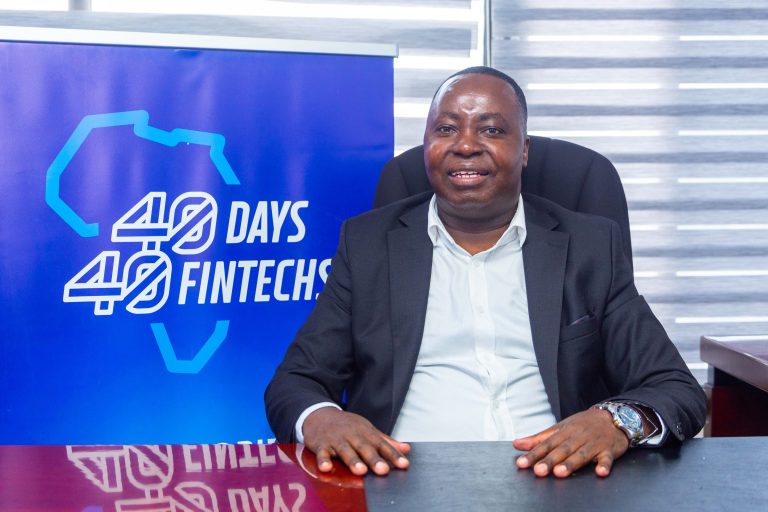
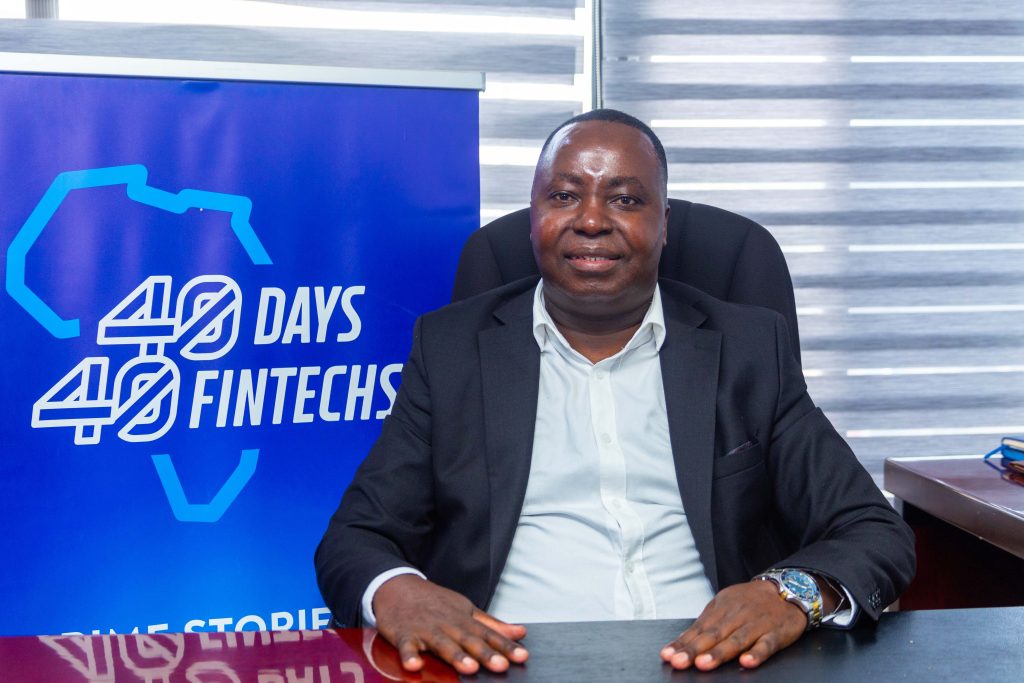
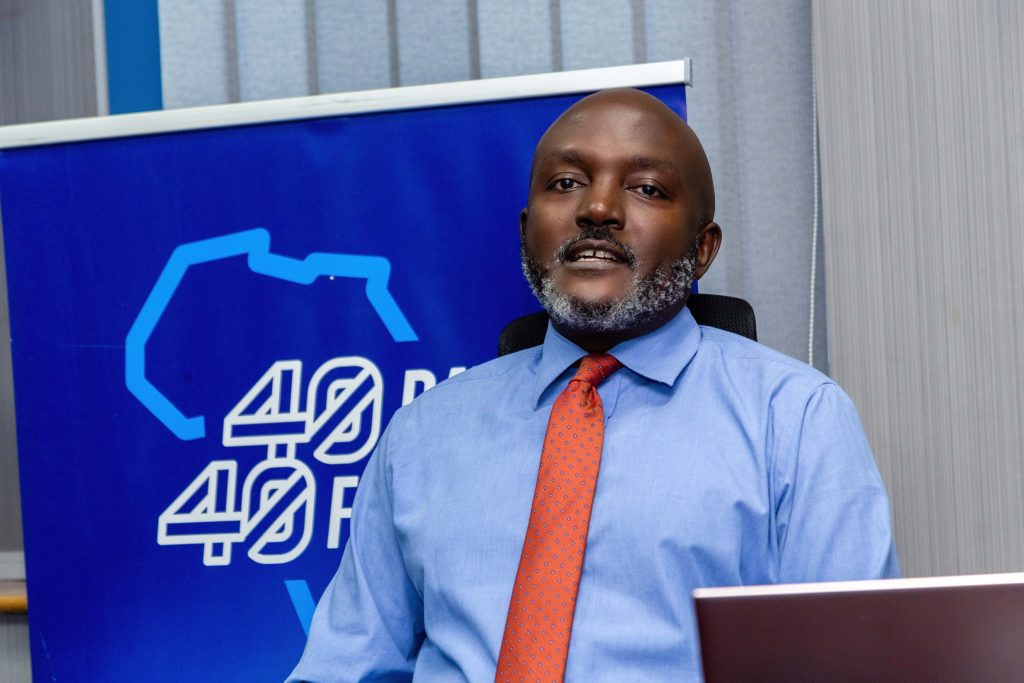
Meanwhile, Kamal Budhabhatti, the Founder and Group CEO at Craft Silicon and Little, ranks scaling as the biggest challenge faced by young FinTechs.

“Beginning modestly with just a handful of clients, the demand for scaling arises as these clients start to embrace the new technology. Prior to the advent of COVID-19, there was a certain hesitance towards the uptake of new FinTech technologies. However, the pandemic has significantly expedited the pace at which people are embracing technology,” he says.

He further notes that much as scaling up was primarily a challenge, it has since become an opportunity.

“As the retail sector experiences significant growth parallel to FinTech, we observe an increasing number of Small and Medium Enterprises (SMEs) entering the retail consumer space. Everything is aligning, and we anticipate a substantial surge in the symbiotic relationship between SMEs and FinTech in the near future,” he says.

40 Days 40 FinTechs

Kamal and Maina are grateful to the organisers of the 40 Days 40 FinTechs initiative for allowing innovators to converge and share ideas that can improve the FinTech landscape in the region and Africa at large.

“The #40Days40FinTechs initiative provides an invaluable opportunity for us to comprehend the dynamics within the FinTech landscape. While global engagement is crucial, the significance of local engagement cannot be overstated. Regardless of geographic location, the presence of a local expert who can offer guidance and strategies for business growth enhances the value of this initiative substantially,” notes Kamal.
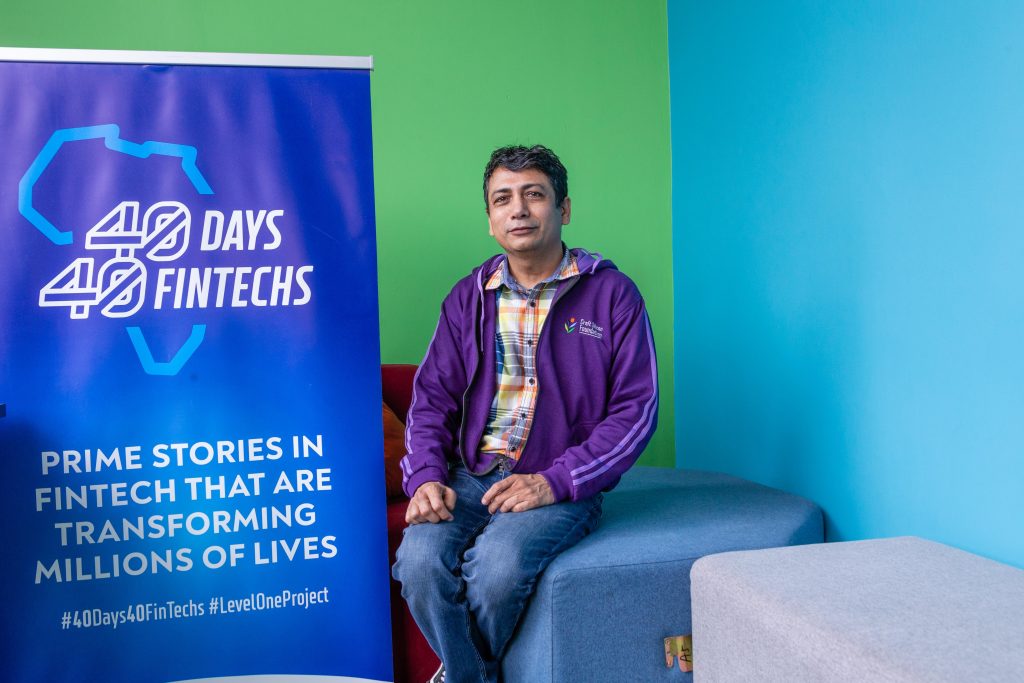
Little are participants number 41 in this year’s edition of 40 Days 40 FinTechs, run by HiPipo in partnership with the Level One Project, Mojaloop Foundation, INFITX, Cyberplc Academy, Ideation Corner and Crosslake Technologies with generous support from the Bill and Melinda Gates Foundation.

Innocent Kawooya, the HiPipo CEO notes that Little APP is an example of last mile inclusion enabler. “In our ongoing pursuit of fostering last-mile financial inclusion, it is paramount to acknowledge those at the forefront of this cause. The Little App is commendably providing services and opportunities to riders, retailers, and others, thereby addressing the needs of the underserved populace. This effort deserves our utmost admiration and recognition.”

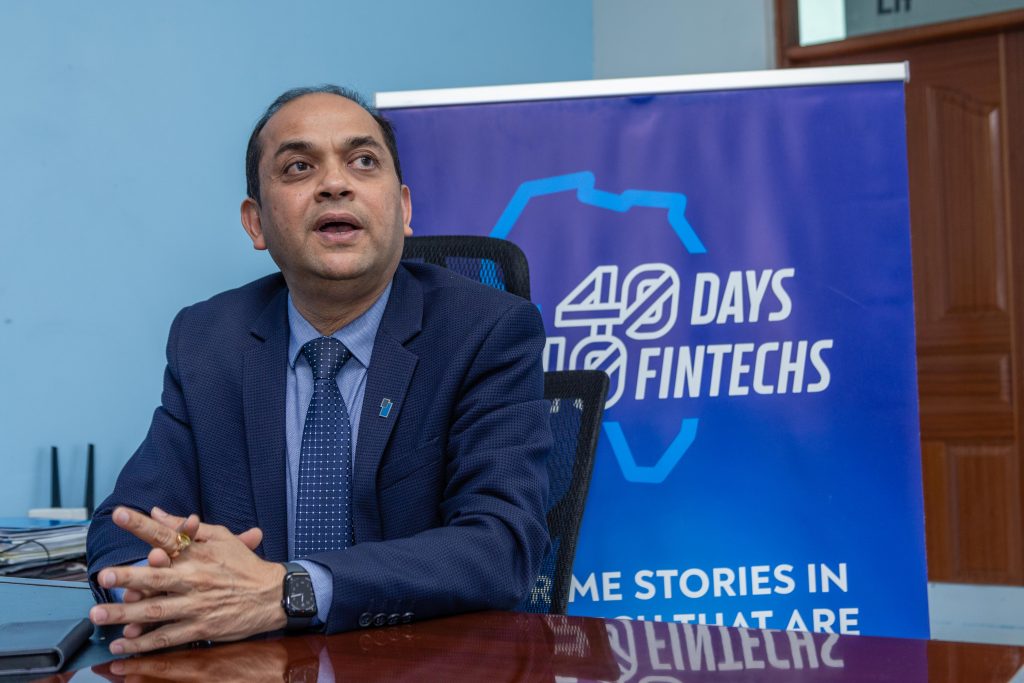
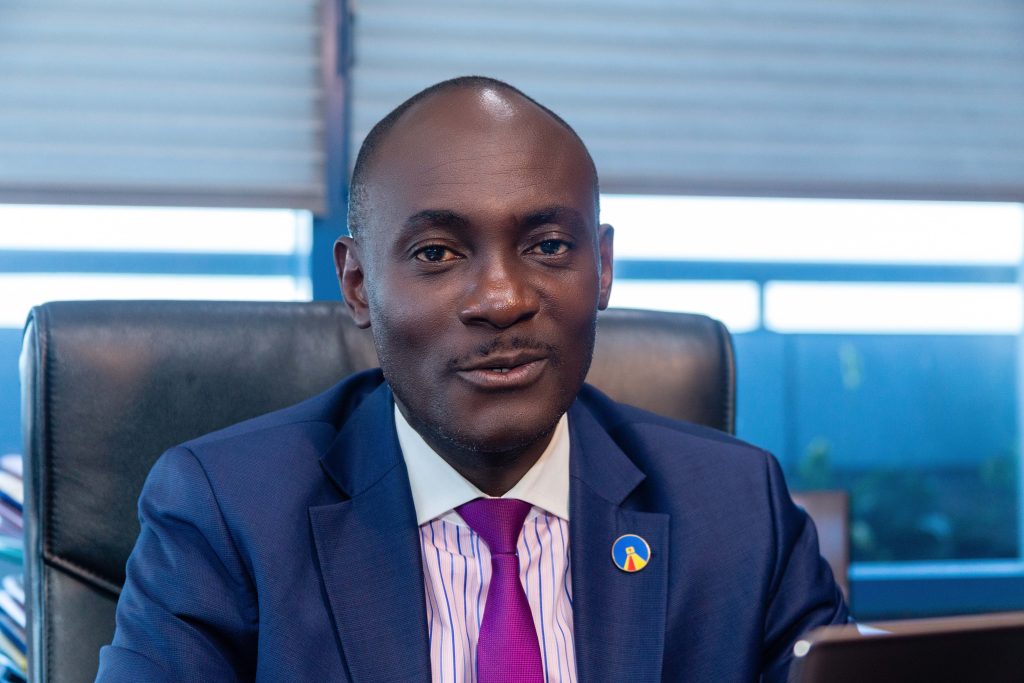
Craft Silicon is Pioneering a Financial Inclusion Revolution in Africa. #40Days40FinTechs Season 4 Day 40

With an impressive 23-year legacy, Craft Silicon stands as one of the most enduring and influential FinTech companies, boasting a clientele spanning over 30 nations across Africa and Asia. Their broad spectrum of services has demonstrated profound versatility, encompassing domains from microfinance to commercial banking, Islamic banking, digital banking platforms, anti-money laundering solutions, micro-lending, and most recently, ‘Buy Now, Pay Later’ platforms. Over the past two decades, Craft Silicon has manifested an exhaustive range of capabilities, asserting its prominence in the financial technology landscape.

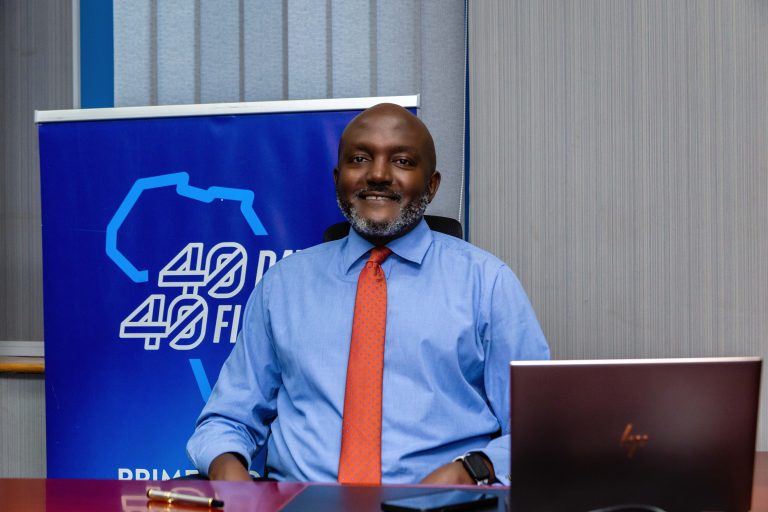
Dhimant Shah, Chief Executive Officer at Craft Silicon, asserts that their comprehensive and extensive experience positions them within the upper echelon of organizations instrumental in propelling financial inclusion worldwide.

“We started with our core banking solutions for microfinance which is something we excel at and are probably the number one microfinance core banking provider in the world,” he asserts.

In addition to its foundational services, Craft Silicon offers an extensive digital suite encompassing mobile banking platforms, retail and corporate Internet banking solutions, along with an array of payment platforms. This breadth of service offerings has rightfully earned them a spot amongst the top 50 fastest-expanding FinTechs in Africa.

Shah notes that it is this experience that has seen them work with more than 250 financial institutions across the world, serving about 89 million end users.

“At Craft Silicon, our reach extends beyond banks and financial institutions. We’ve recently established a division specifically to collaborate with governments, delivering essential revenue collection services. With this strategic move, we aim to broaden our impact and touch the lives of millions more through these interactions,” he says.

To put it into perspective, Craft Silicon processed about USD 7.5 billion worth of transactions in 2022.

“Our estimation at the end of this year we will be about USD13 billion worth of transactions processed by our systems,” he noted.

Thriving amid tough times

Craft Silicon is the 40th participant in this year’s 40 Days 40 FinTechs initiative. Now in its impressive fourth season, this initiative, orchestrated by HiPipo, is designed to spotlight groundbreaking innovations that are instrumental in facilitating the integration of underserved populations into the digital economy. The initiative is proudly conducted in collaboration with renowned partners such as the Level One Project, the Mojaloop Foundation, INFITX, Cyberplc Academy, and Crosslake Technologies, with generous backing from the Bill and Melinda Gates Foundation.

Shah says that FinTech in Africa is laced with opportunities, especially at a time when there is emerging artificial intelligence and machine learning.

“So, how do we harness this technology for the end consumers?  How can they take advantage of the platforms that we provide? We are certainly excelling in that area of artificial intelligence; some of the products benefit immensely from artificial intelligence. It is not just about providing the rules,” he says.

In the pursuit of providing fair credit to consumers, Shah notes that artificial intelligence would be very helpful because it can check many money data checkpoints simultaneously and contribute towards a fair score for the consumer.

Furthermore, with its significant presence throughout Africa, Craft Silicon operates as a leading figure within the FinTech industry. Nonetheless, despite their esteemed position, they still encounter operational challenges on occasion.

First, Shah identifies cyber security threats as a primary challenge that they have learned to mitigate by employing certified ethical hackers as well as security professionals.

“There are also regulatory challenges across the countries that we work with.  The regulatory framework keeps changing and we have to keep up with it,” he says.

He however encourages African innovators to identify unique African problems and come up with specific solutions.

“We don’t have to always copy everything that the West does. How do we move with our own solutions to address the unique problems of Africans? We don’t always need to copy because there are areas where we excel in these technologies like our mobile money systems of M-Pesa,” he says.

In a similar vein, Shah applauds the organisers of the 40 Days 40 FinTechs initiative for creating awareness among African FinTechs and end-users.

“People get to know what technologies are available, who are the people behind them, and their philosophies. This is not just a flash of knowledge that perhaps Craft Silicon is doing this but who are the people at Craft Silicon? What are their motives or philosophies? Why are they doing the things that they do?” he said.

Innocent Kawooya, CEO of HiPipo, posits that the involvement of well-established FinTechs like Craft Silicon in the industry serves as a potent catalyst for inspiring nascent startups. “Craft Silicon has exhibited remarkable resilience and adaptability. By offering a rich insight into the sector’s evolution and sharing how they’ve continually adapted to remain pertinent, we trust that emerging FinTechs can derive inspiration. We commend Craft Silicon for their unwavering commitment to hastening financial inclusion across Africa,” Kawooya noted.

Airtel Money Pay is powering Uganda’s cashless economy drive. #40Days40FinTechs Season 4 Day 39

Brenda Sekabembe cannot forget the day when a staff member at her company – Bake for Me, ran off with the company phone along with all the money on its mobile money account. The staffer was never found. The phone was not found. The money was never recovered.

But it was amid this adversity that Ssekabembe was introduced to another life-changing solution – Airtel Money Pay.

“We were trying to find solutions and we were told to try Airtel Money Pay, because with this service, as soon as the money hits our phones, it is sent directly to our account,” she says.

“The fact that the money goes straight to the bank, we don’t have to worry about it being stolen. Sometimes, your staff could even be part of the racket to steal the money. Airtel Money Pay brings a safer and more convenient process where you receive a message on your phone that money has been banked onto your account.”

Ssekabembe adds that the biggest advantage is the fact that, unlike ordinary mobile money accounts, Airtel Money Pay has no transaction limits.

“We now can receive as much money as we want and we also don’t get to worry about exceeding any transaction limits,” she says.

The charge is also not big compared to the risk involved in dealing with cash transactions.

“You pay EFT charges for the bank and this is okay with us. This is about Shs 3,500 for a day but it is small when you compare it with the risk that you would have undertaken if you decided to carry the money physically to the bank,” she says.

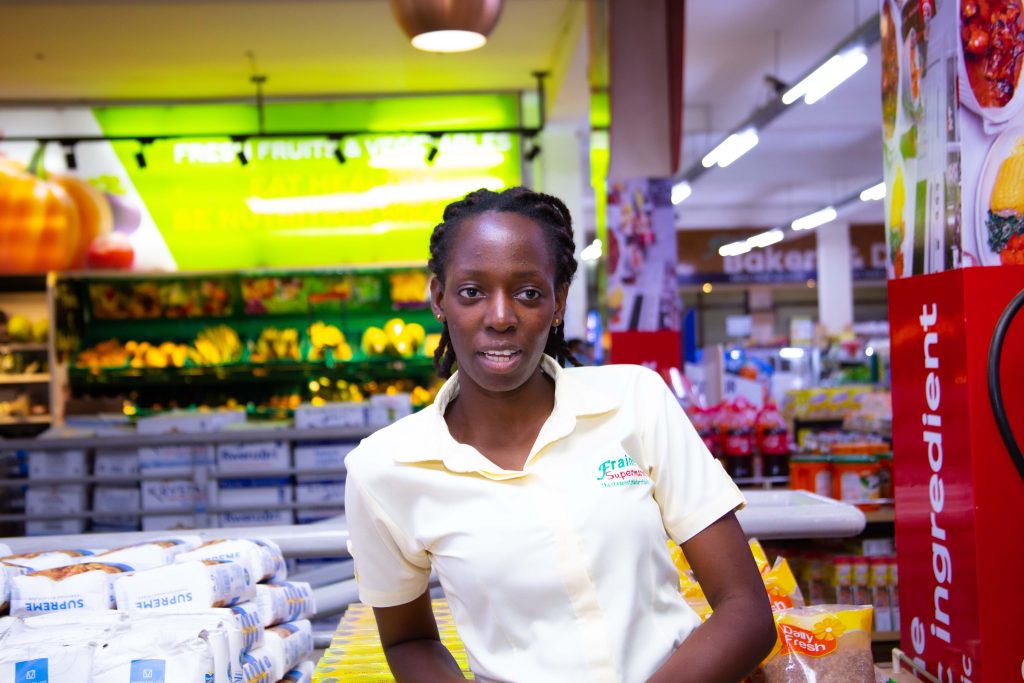
Further, Linda Akatuhurira, the Head Cashier at Fraine Supermarket, Ntinda notes that Airtel Money Pay has transformed their payments collection experience and significantly reduced accounting challenges.

“Airtel Money Pay has been really good because it has been aiding customers on paying promptly and cashless. We haven’t had any reconciliation issues because Airtel Money Pay reports come in instantly which is a win-win on our side,” Akatuhirira says, adding;

“We have nonetheless faced network challenges mainly over the weekends. Maybe because of high traffic during the weekends.”

Payments Revolution.

According to Japhet Aritho, the managing director of Airtel Mobile Commerce Uganda Limited (Airtel Money), Airtel Money Pay was introduced to transform the traditional mobile money business which was purely a money transfer business where a customer would just walk to an agent to deposit or send money to another person.

“Over time, we have discovered that the market is shifting. If you look at the payment landscape – foundationally, it was domiciled by cash in the country, and very few people who were privileged to have bank accounts used to have cards like Visa or Mastercard. Most of our traders are not in that formalized structure and the Airtel Money Pay is simply a means of enabling all our customers to conveniently pay for goods and services to a trader or enabling businesses to receive payment digitally from their customers,” he adds.

Aritho notes that everybody is a beneficiary starting from customers because they no longer need to cash out or risk their money in their pockets. Aritho notes that transactions worth more than Shs 700bn were completed via Airtel Money Pay in one year.

“For me, this value is expected to continue growing. In terms of unique users like people paying to businesses, if I look at their [individual] totals, it is close to Shs 2.4 million. This gives us hope,” he explains.

Aritho further adds that close to 40,000 businesses in Uganda are accepting payments via Airtel Money, which is a great sign for the shift to a cashless economy.

“If I look at the micro merchants – a product launched less than one year ago – we are already talking about 600,000 traders that have adopted the Airtel Money Pay,” he says.

Aritho acknowledges the fact that most consumers still believe in physical cash – both at the customer and business levels. Changing this behaviour from cash to cashless is always a very big challenge.

“In a market where we have more than 600,000 merchants where payments are accepted, why would a customer cash out and then pay a merchant when they can conveniently have money in their wallet and pay this merchant digitally? The behavioural change on adoption still requires massive sensitization,” he says.

HiPipo revolution.

Aritho extends credit to HiPipo, the organisers of the 40 Days 40 FinTechs initiative, for bringing industry players together to discuss and understand where the industry is going. This is in addition to understanding the problems that they face and the possible partnerships.

“I can assure you and comment openly that Open APIs in Airtel Money would not be a reality today if not for the 40 Days 40 FinTechs platform. In last year’s event, we picked that as a challenge because everybody was talking about making the platform open. We have been able to do that and a month ago, we were able to bring to the public and launch – we actually have exposed like 10 Open APIs but people think it is one – which enables businesses to be digitized. I give HiPipo credit. What you are doing in this country is priceless,” he said.

Airtel Money is the 39th participant in this year’s 40 Days 40 FinTechs initiative presented by HiPipo in partnership with Level One Project, Mojaloop Foundation, INFITX, Cyberplc Academy, Ideation Corner, and Crosslake Technologies with generous support from the Bill and Melinda Gates Foundation.

Innocent Kawooya, CEO of HiPipo, expressed his gratitude towards Airtel Money for their consistent engagement and their efforts in fostering an inclusive environment within the FinTech industry. “We deeply appreciate the involvement of prominent FinTechs like Airtel Money in this initiative. This year, our focus is on enhancing user experiences, and it’s encouraging to see that Airtel Money is making its APIs accessible to the public. This is certainly a significant stride towards the right direction,” Kawooya said.

Cente Tech is accelerating Centenary Bank’s digital journey as more clients switch to Digital Financial Services. #40Days40FinTechs Season 4 Day 38

The year 2023 is a special one for Uganda’s largest indigenous bank. Centenary Bank is celebrating 40 years of transforming the country’s banking sector. Because of their rural development agenda, Centenary Bank transformed Uganda’s banking from an elitist perspective to targeting the ordinary person.

And when the world experienced the digital revolution over the past decade, Centenary Bank has been at the forefront of championing a shift from over-the-counter transactions to digital services such as Cente Mobile and, most recently, the partnership with Cente Tech.

The bank is working with Cente Tech, a Technology company started about two years ago by Centenary Group to drive the institution’s wider digital agenda.

According to Joseph Kiwanuka Balikuddembe, the executive director of Centenary Bank, since partnering with Cente Tech, there has been a tremendous change in the bank’s smart or digital journey.

“We have an estimate of about 1.3 million customers that are using our alternative channels. We have also seen a vast drop over the last two years in terms of over-the-counter transactions because we are seeing a larger volume of clients going to the digital channels using ATMs, Agent Banking, our Mobile APP and USSD,” he says, adding;

“We are now driving the digital smart bank agenda which we intend to achieve by 2026. We believe in making our customers’ lives easier and simpler.”

Centenary Technology Services.

According to Steven Kirenga, the head of product, business development and customer experience at Centenary Technology Services (Cente Tech), they are helping the bank to radically change customer experiences through digital interventions.

“Centenary Bank, being the largest in Uganda and second most profitable, we at Cente Tech are helping them with their technology for customers who are using Cente APP, USSD or Cente Mobile. If you have been a customer for more than one year, you must have noticed that between February 2022 and now, there has been a big change – all because of what we are able to do,” he says.

Kirenga notes that while Centenary Bank was already running a Mobile Application for clients before this partnership, they have had to make several changes to ensure customer satisfaction.

“We undertook an audit and brought our expertise from a digital perspective and changed some of the processes that the APP does. The improved version of the APP allows you to pay for a multitude of things and has a better experience,” he says.

Balikuddembe, the Centenary Bank executive director is grateful to this partnership because it has reduced the burden at their respective physical branches as more customers continue to prefer alternative banking channels.

In the same vein, Kirenga welcomes the ongoing partnership with Centenary Bank because partnerships between Banks and Technology companies eventually work to the benefit of the final consumers.

“At Cente Tech, we believe that we can’t build everything. If there is somebody providing a service that we can use, we will approach them and build a partnership to serve the people,” he says.

40 Days 40 FinTechs.

CenteTech is the 38th participant in this year’s 40 Days 40 FinTechs initiative which is organised to shine a light on life-changing innovations and solutions targeting under-served communities.

Kirenga says that the truth about building transformation is consistency and effort.

“That is what HiPipo is doing through the 40 days 40 FinTechs initiative. This is season four, which means consistency. I applaud HiPipo for shining a light on the industry. This is called sustainable inclusion. We should join them in this noble cause.” he said.

Now in its fourth season, HiPipo’s 40 Days 40 FinTechs initiative has become a household name in the financial technology space of the East African region. In the last three editions, more than 100 FinTechs have been showcased, highlighting stories changing people’s lives, especially in the under-served sectors. The 40 Days 40 FinTechs initiative is run by HiPipo in partnership with Level One Project, Mojaloop Foundation, INFITX, Cyberplc Academy, Ideation Corner and Crosslake Technologies with support from the Bill and Melinda Gates Foundation.

clinicPesa saves expectant mothers from financial pressures. #40Days40FinTechs Season 4 Day 37

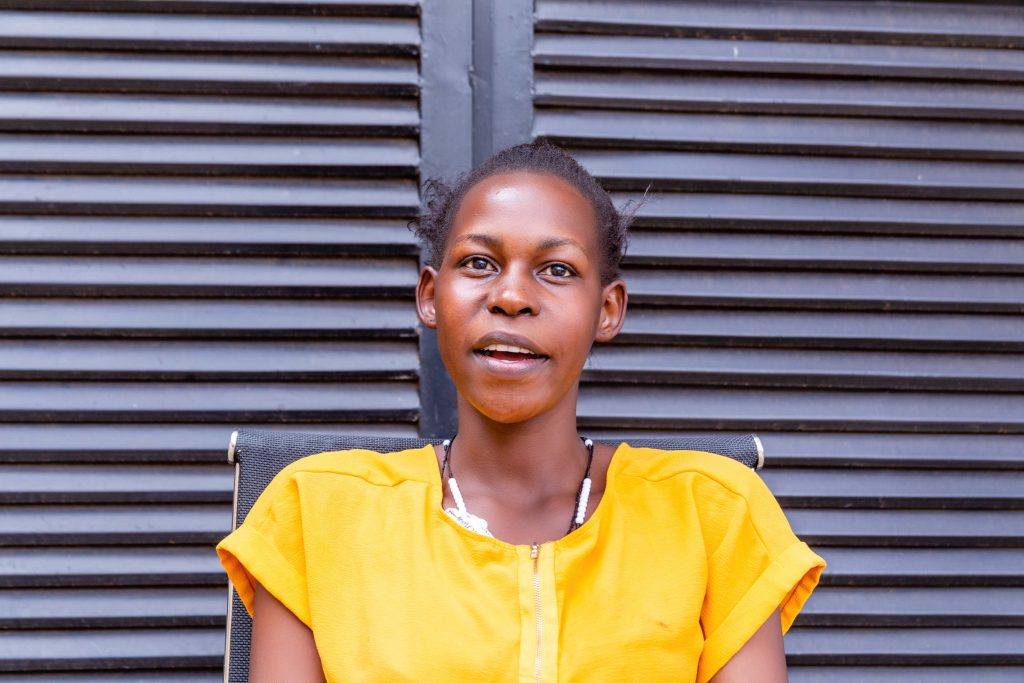
Sometime in 2022, Rosemary Nankabirwa got the shock of her life when her underage daughter was impregnated by another juvenile. Despite the disappointment, Nankabirwa, a teacher by profession, chose to support her daughter through this trying experience.

She started by enrolling the expectant mother at a nearby health centre for antenatal care, and it is here that her story shifted from sadness to one of hope.

“When I came with my child, we were introduced to a product called clinicPesa Mamas by a company called clinicPesa where vulnerable expectant mothers were helped to save money, prepare for safe delivery and receive some medical supplies,” she recalls.

“We enrolled and my child started saving through me and she was given a card,” she says, noting that clinicPesa’s saving platform helped her cover child delivery fees as well as postnatal care.

Harriet Igalu is another subscriber to the clinicPesa Mama’s product. She notes that after she was introduced to clinicPesa in mid-2022, she started to save little amounts in preparation for safe delivery.

“I got to know about clinicPesa last year in June. I was enrolled and started saving small. clinicPesa improved my saving culture. At the time of delivery, I had saved enough money that catered for my hospital bills and also transport to and from the hospital.”

clinicPesa explained.  

clinicPesa is a FinTech-driven digital healthcare initiative that provides access to healthcare financing that is more convenient and affordable than the traditional insurance through digital micro-loans and a savings platform. Subscribers are encouraged to set aside dedicated healthcare funds used to offset medical bills and purchase drugs in time of need.

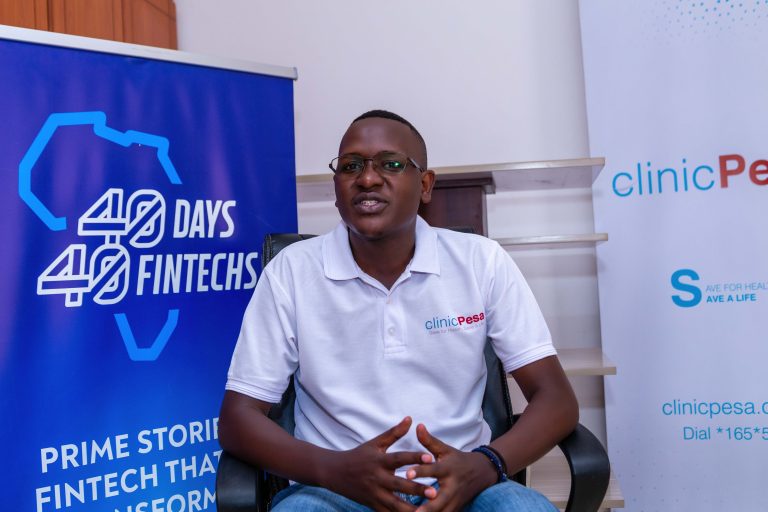
According to Eng. Chrispinus Onyancha, the Founder and CEO at clinicPesa, this solution is aimed at solving the challenge of access to health financing because most Ugandans either don’t have or can’t afford conventional health insurance.

“What we have come out to do is create a mobile wallet that enables the public to save from as low as Shs 1,000 on a daily, weekly and monthly basis and they are able to use this money to clear medical bills at any of our partner health centres. In case they do not have enough money, we are able to give them a loan top-up to clear bills and pay later,” he says.

Onyancha notes that they have a partnership with MTN MoMo where one just needs to dial *165*5# and select clinicPesa under the loans and savings option. In there they are able to put in their mobile money pin to accept the terms and conditions and an account is created.

“You can also download our mobile application from Google PlayStore and put in your mobile money number and a prompt will be sent to your phone to confirm your subscription” he explains.

“Conversely, clinicPesa Mamas’ product plays a significant role in mitigating maternal mortality by assisting pregnant women in preparing for the expenses associated with secure childbirth,” he says.

Onyancha further adds that clinicPesa has received tremendous uptake because of the growing appreciation of medical insurance by Ugandans.

“Our customer base has expanded to beyond 780,000, nearing the one million milestone. Presently, we are in collaboration with over 2,490 healthcare facilities throughout Uganda,” he says.

Resource challenge.

Nonetheless, Onyancha notes that besides the regulatory challenges, startups are curtailed by limited resources for investment due to the global economic recession in the past few years.

“The other challenge is about awareness. People still don’t appreciate saving, especially saving for healthcare. Coming from an angle where most people are biased about insurance where they see it as a loss rather than a gain, it is difficult to transform these mindsets but we are doing our best,” he says.

He however acknowledged that the 40 Days 40 FinTechs initiative is helping in showcasing the work of startup FinTechs to potential investors, partners, and clients.

“Another crucial component addressed by the 40 Days 40 FinTechs initiative is fostering awareness of these FinTechs within the community. This visibility promotes understanding of our operations and objectives, assisting our transition from a cash-based society towards a cashless economy,” he says.

As the 37th participant in the fourth season of the 40 Days 40 FinTechs initiative, clinicPesa is proud to join this collaboration. This initiative is expertly organised by HiPipo and made possible through partnerships with Level One Project, Mojaloop Foundation, INFITX, Cyberplc Academy, Ideation Corner, and Crosslake Technologies, with significant backing from the Bill and Melinda Gates Foundation.

The initiative highlights innovative stories that are changing the lives of under-served communities.

According to HiPipo CEO Innocent Kawooya, this year’s initiative looks at the user experience of East African FinTechs.

“We are delighted to see an increasing number of individuals embracing Digital Financial Services like clinicPesa, which positively impact the lives of everyday people. “Health is Wealth” perfectly encapsulates clinicPesa’s mission as they are making dignified healthcare accessible to all through their micro-savings and credit solutions,” he noted.

Golola Moses Teams Up with My Doctor to Usher in a New Era of Healthcare in Uganda

In a move that is already being hailed as a game changer in Uganda’s health sector, My Doctor, a trailblazing telemedicine service provider, has announced a landmark partnership with none other than the national kickboxing icon, Golola Moses.

Known for his sporting prowess and larger-than-life persona, Moses will lend his considerable influence and popularity to My Doctor’s efforts to reach and serve over 100,000 users, specifically focusing on traditionally underserved communities. This alliance underscores the innovative ways My Doctor is striving to enhance accessibility, reduce costs, and improve the quality of healthcare across the country.

A significant part of this collaboration’s mandate involves bolstering healthcare services for women, who often face barriers in accessing necessary care. With Golola Moses as a powerful advocate, the initiative aims to break down these barriers and provide women with the tools and knowledge they need to take charge of their health. This empowerment is expected to have a profound and far-reaching impact, creating healthier outcomes for not only the women themselves but also their families and communities.

“Our alliance with Golola Moses is more than a partnership—it’s a statement. It’s about showing that healthcare is not a privilege, but a right, and we’re here to make that right accessible to all Ugandans. By harnessing the charisma of a national icon, we’re amplifying the impact and reach of our health initiatives.” Said, Sharon Nambozo, Business Development Officer at My Doctor.

Furthermore, maternal and child health is another area set to benefit immensely from this partnership. My Doctor’s comprehensive antenatal, pediatric, labor, and safe childbirth programs are already leading the way in this field, and the partnership with Moses promises to strengthen these services even further. By raising awareness and promoting these vital programs, the initiative intends to improve health outcomes for mothers and children across Uganda.

Notably, the partnership is also dedicated to fostering growth and improvement within the healthcare sector itself. By providing a structured program for future healthcare education and training, My Doctor and Golola are laying the groundwork for a better-equipped and more knowledgeable healthcare workforce. This is anticipated to lead to not only improved service provision but also a reduction in healthcare costs, benefiting patients and providers alike.

“As I join forces with My Doctor, we’re not just throwing punches at diseases—we’re aiming for a knockout. We’re fighting for every Ugandan’s right to quality healthcare. This partnership isn’t just about bringing healthcare to the people, it’s about changing lives and building a healthier, stronger nation.” Said, Golola Moses.

Beyond its immediate impacts, this partnership is also set to have a longer-term effect on Uganda’s economy. By reducing healthcare costs and improving the health of the population, the initiative is expected to contribute to increased workforce productivity, boosting Uganda’s economic prosperity.

In sum, this unprecedented collaboration between My Doctor and Golola Moses holds great promise for the future of healthcare in Uganda. As the country looks towards a future with more equitable and efficient healthcare provision, this partnership is certainly a step in the right direction. The prospect of leveraging the popularity and reach of a national icon like Moses to advance healthcare provision is both innovative and inspiring, and it signals a new chapter in Uganda’s healthcare narrative.