Home Blog Page 46

How a village hero birthed AkelloBanker that is benefitting thousands of people. #40Days40FinTechs Season 4 Day 3

Sometime in 2016, Jean Anthony Onyait was on a study trip to Tirinyi where he met a special woman that would change the story of his life.

This woman was called Akello. She was a village hero! A hero because she was in police custody for failure to pay a loan received from a microfinance institution on behalf of members of her village farmers’ group.

She was the leader of a group of smallholder farmers. They needed money to buy farm inputs but all had no collateral. Akello had inherited some property from her late husband and she decided to use it as collateral to borrow money and give it to group members with the hope that they would use the money responsibly and manage to repay the loan.

“Her group members failed to pay and she was arrested and the property was going to be taken. Just imagine what would happen to her children,” echoes Onyait.
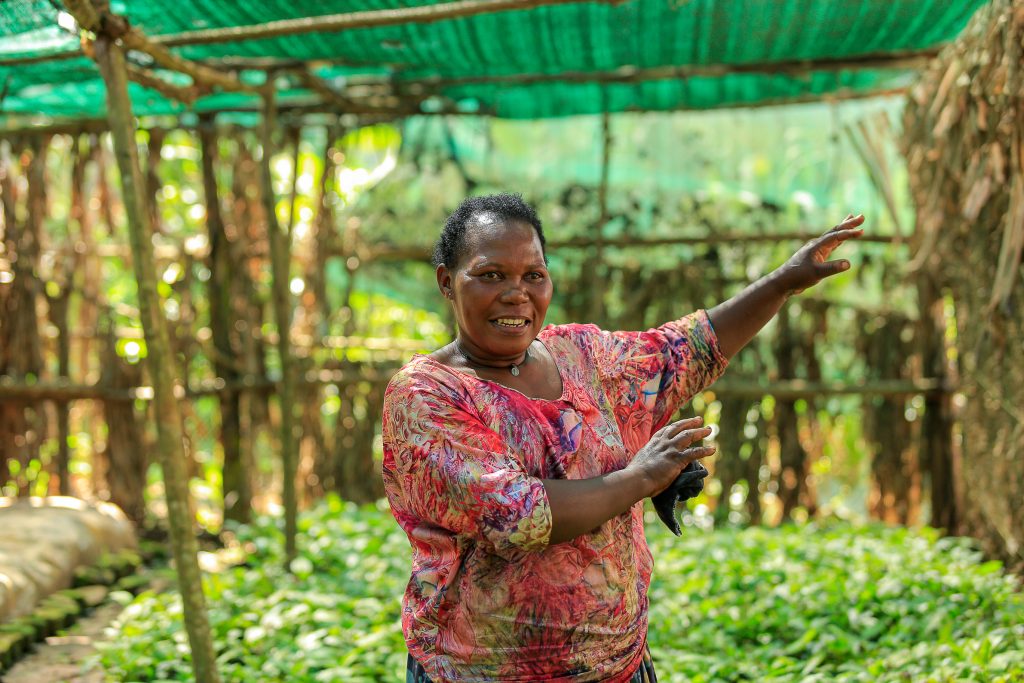
On hearing this sad story, Onyait intervened. Together with the team he was with, they decided to travel back to Kampala, raise as much money as possible, and return to Tirinyi to settle Akello’s debt.

And he did not stop there. He was inspired to start Akellobanker, a digital infrastructure that can be used to enable millions of smallholders and SMEs to access important and life-saving collateral-free services such as access to farm inputs and extension services on credit.

“We gave our company that name in respect of Akello. AkelloBanker means a bank for people like Akello who want to see their production and productivity increase but they do not have the resources and information that can help them,” Onyait, the AkelloBanker Chief Executive Officer, says.

Lasting impact.

Born in Tirinyi, AkelloBanker has spread wings across Uganda, impacting more than 180,000 smallholders as well as Small and Mid-size Enterprises.

“These smallholders are farmers who are toiling every day to produce what we eat while the SMEs comprise input dealers who are in the local communities with small stalls where farmers go and access inputs,” he explains.
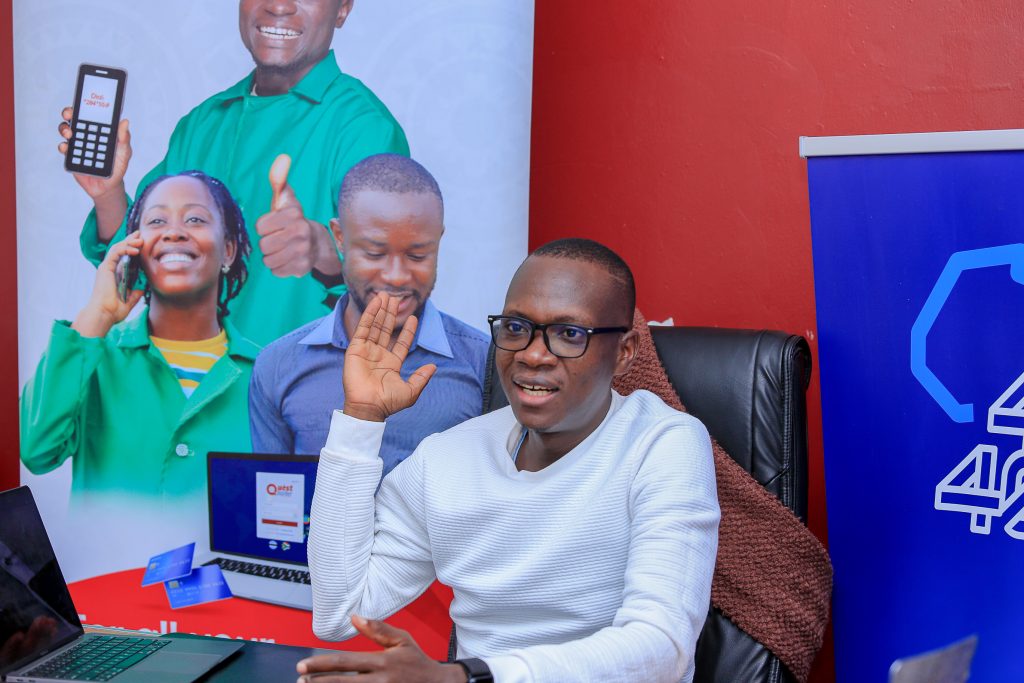
According to Onyait, more than 700 SMEs have been empowered and they have been able to digitize their agricultural supplies to the farmers. They are also able to access credit which they are able to use for restocking their inputs.

“Every year, we have at least five transactions done by each farmer. These are about 900,000 transactions within a given period of time. We have been able to power over 20 million dollars worth of credit which has passed through the system to facilitate the farmers,” he explains.

With this digital platform, a farmer using data-driven approaches can access a loan instantly using their mobile phones. It can be via a smartphone or any basic mobile phone.

“If they cannot access cash…they should be able to access inputs on credit…,” he says.

One of the SACCOs using AkelloBanker services is LWEDE [Lwengo Development Cooperative Society] in Lwengo district.

These are mostly involved in providing financial services to coffee and poultry farmers.

“They are powering our operations through a system called Quest and it has been very effective in financial management. Even when we get technical challenges, we reach out to them and they sort it immediately,” said Charles Asiimwe, the Lwede Sacco Manager.
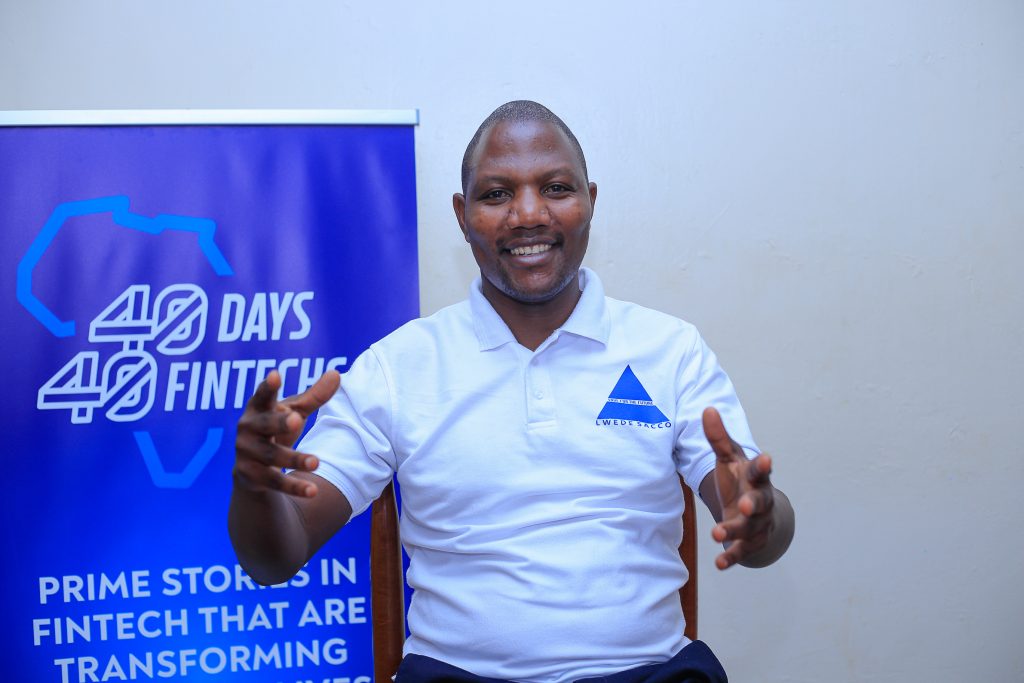
Farmers are happy too.

According to Elizabeth Atugonza, she has borrowed from Lwede Sacco over 10 times using her phone and the system is very user-friendly.

Further, John Matovu Ssagala, a Lwengo-based farmer and member of LWEDE noted that the platform has offered him multiple loans that have helped him remain in business.
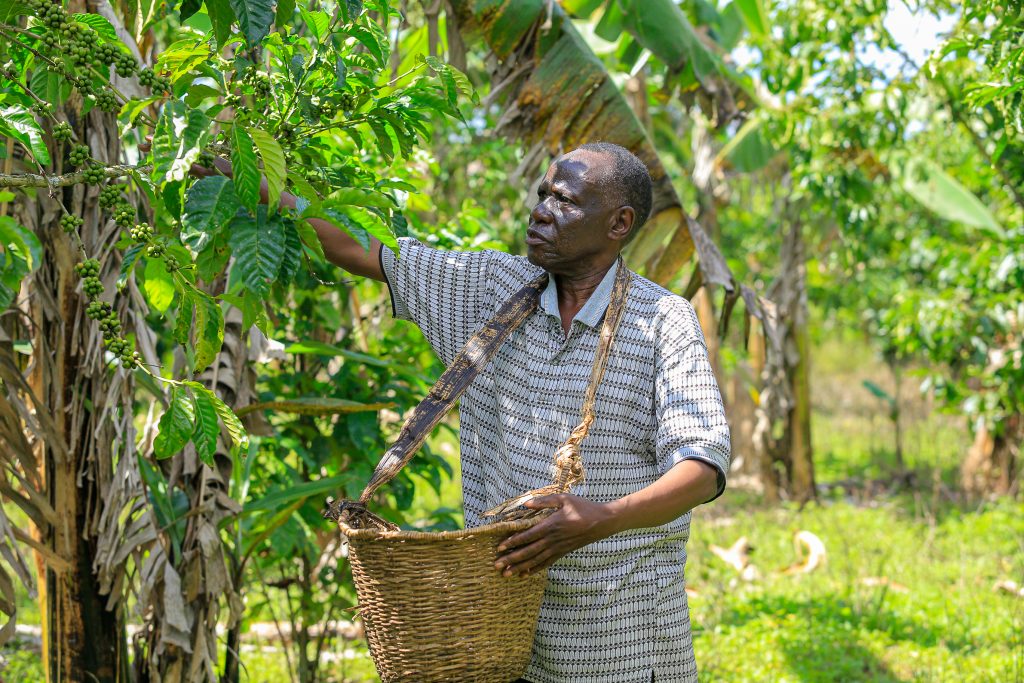
Onyait says they are powering Saccos in every part of the country such as Hakashinyi Sacco in Mitooma-Inshaka, Bunyaruguru Development Sacco, Achila Enterprises in Eastern Uganda, Oyam DFA in Northern Uganda, among others.

“Oyam DFA is one of the biggest farmers’ organizations which not only produces grain but we have been able to link them to Makerere University where they are able to get foundation seed on credit. We are able to facilitate all that,” he explains.

40 Days 40 FinTechs.

Onyait says that some of the challenges in driving financial inclusion in Uganda include limited infrastructure (internet and device access), illiteracy on how to use these digital services, and cyber security.

He is, however, happy that initiatives such as 40 Days 40 FinTechs are coming up to try and reduce the divide between the empowered community and the people at the bottom of the pyramid.

“The 40 Days 40 FinTechs initiative is a very strong platform to bring like-minded players into one place to share ideas and devise means on how we can deepen the financial sector. Since it comes from the issue of technology or financial technology providers, we are able to learn about the past challenges that commercial banks had to go through. We have been able to learn from the telecoms. So, the efforts by the different actors definitely give us a learning platform,” he says.

Now in its fourth season, HiPipo’s 40 Days 40 FinTechs initiative has become a household name in the financial technology space of the East African region. In the last three editions, more than 100 FinTechs have been showcased, highlighting stories changing people’s lives, especially in the under-served sectors. This initiative is run by HiPipo in partnership with the Level One Project, Mojaloop Foundation, INFITX, Cyberplc Academy, Ideation Corner, and Crosslake Technologies with support from the Bill and Melinda Gates Foundation.

AkelloBanker is participant number three of the fourth season of this initiative. Innocent Kawooya, the HiPipo CEO noted that AkelloBanker is a clear example of both the life and time-saving abilities of Financial Technology.

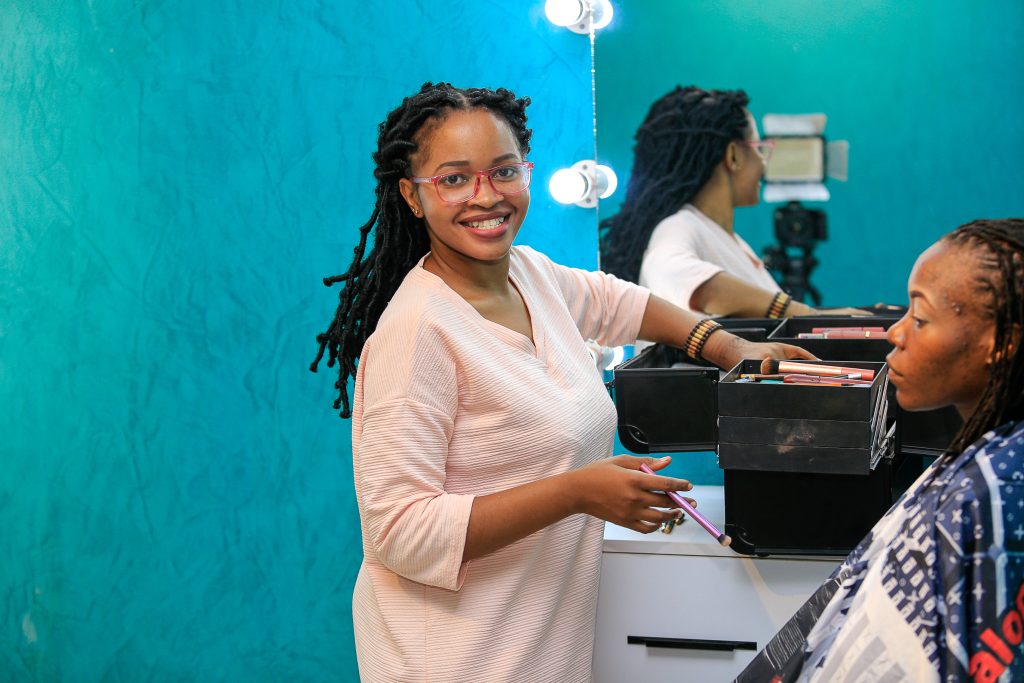
Belle Beauty is delivering convenience in the Beauty Service Sector. #40Days40FinTechs Season 4 Day 2

After a long day’s work recently, Fetaru Charity Flavia was late for a surprise birthday party for her friend. To make matters worse, she needed a quick make-up but she couldn’t go to her usual make-up artiste and make it to the party in time.

“Then I remembered I could order for a makeup artist using my phone. I immediately went to the Belle Beauty App and they sent me someone close to my location,” she says of Belle Beauty, a digital marketplace that connects beauty service providers to customers.

“This service is convenient for me. Now every time I want makeup, I just go to the App and find someone to have it done anytime at my place or at their offices. I use Mobile Money when I am done. I am happy with their service,” she adds.

On this day, it was Namulamie Hillah, a Makeup Artist at Hillah Beauty Uganda that is listed on Belle Beauty, who saved Flavia’s day. And on her part, since she joined Belle Beauty in 2022 as a makeup service provider, Namulamie has lots of good things to say about this platform.

“I have so far worked on more than 100 clients. The App has connected me to many customers who want makeup. It has helped a lot to build my brand name and meet more people since they have a wide range of clientele including celebrities,” she says, noting that she offers all types of makeup ranging from bridal, casual, photo-shoot, indoor and outdoor.

She says that a platform like Belle Beauty has greatly helped her tap into the clientele group that prefers to be served at their places of convenience.

Covid-19 product.

According to Alice Sharon Namugerwa, the CEO of Belle Beauty, this is a product of the Covid-19 pandemic which especially affected salon women that were put out of business because of the lockdown.

“During the pandemic, we got to understand which sectors were essential or not regardless of their profitability. We saw that the beauty sector which employs between 30,000 to 60,000 people in just the urban centers was not catered for and it left a question of what happened to all these people,” she says.

“And remember that most of the people in the beauty sector are majorly informal and didn’t have any business continuity structures.”

With this in mind, Namugerwa came up with a cost-free online platform where beauty service providers could register and get connected to clients regardless of time, place, or conditions. In two years, the platform has on-boarded over 80 service providers and served more than 1,000 clients.

“We would have more service providers but some fail our quality assurance mechanisms because they are in the informal sector. However, we don’t turn people away; we still give them an opportunity to meet clients after undergoing training. We connect them to beauty schools to get skills so that quality is assured for our customers that use the platform,” Namugerwa says.

To avoid losses, customers are encouraged to pay upfront using digital payment platforms such as Mobile Money.

“When you utilize our platform, you are required to pay upfront using mobile money. Once the payment is received, the appointment is then fixed with the service provider who is paid on the same day when the work has been successfully executed. The service provider is also paid using mobile money. We try as much as possible to be cashless so that we can ensure that all the players in the transaction are happy and safe,” Namugerwa says.

40 Days 40 FinTechs

Namugerwa owes Belle Beauty’s meteoric rise to its association with the HiPipo Include Everyone Program.

“When we tell people that we have been around for one and a half years, they can’t believe it. We started off participating in the Women in FinTech Hackathon and by the time we were included in the 40 Days 40 FinTechs, we had grown. Being on this platform validated our idea. This platform has taken us to spaces that we would have worked a little longer to achieve because of the mentorship and visibility that comes with the platform,” she says.

Now in its fourth season, HiPipo’s 40 Days 40 FinTechs initiative has become a household name in the financial technology space of Africa. In the last three editions, more than 100 FinTechs have been showcased, highlighting stories changing people’s lives, especially in the under-served sectors.

According to HiPipo CEO Innocent Kawooya, the testimonies coming from users of these platforms are a testament to the great work done through this initiative.

He further urges innovators to continue targeting people at the bottom of the pyramid who urgently need financial technology services to improve their lives.

CHALLENGED!

Flavia notes that on top of connecting people to service providers, they should as well add beauty makeup products “so that it makes it easier for us to get them.”

Namugerwa says this is part of the plan and this provision will soon be available on the App.

On the side of service providers, Hillah says sometimes clients make appointments and when you come to the hub in Ntinda or go to the agreed location, the client does not show up.”

Meanwhile, Namugerwa says that while there are many challenges facing startups in Uganda, the biggest one is funding.

“I can’t address the regulatory aspect because you will still need funding to satisfy it,” she says.

“Most importantly, you must be very patient with a startup because even when you provide the first funding, it doesn’t mean that you are going to break through immediately. We need funding for our companies to run for like five years because what we are trying to do is an innovative solution in an economy that is just trying to get innovative,” she adds.

“There are still challenges of access to the internet yet most of the solutions we are coming up with need access to the internet…For example, if I have developed an App, I am mainly looking at the urban sector but I want my App to be a solution for those at the bottom of the pyramid. However, they don’t have access to the internet. We could use USSD but you also need funding.”

Belle Beauty has been featured as participant number two in the 40 Days 40 FinTechs initiative season four. This initiative is run in partnership with the Level One Project, Mojaloop Foundation, INFITX, Cyberplc Academy, Ideation Corner, and Crosslake Technologies with support generous from the Bill and Melinda Gates Foundation.

Kawu is easing pocket money custody at schools. #40Days40FinTechs Season Four Day One

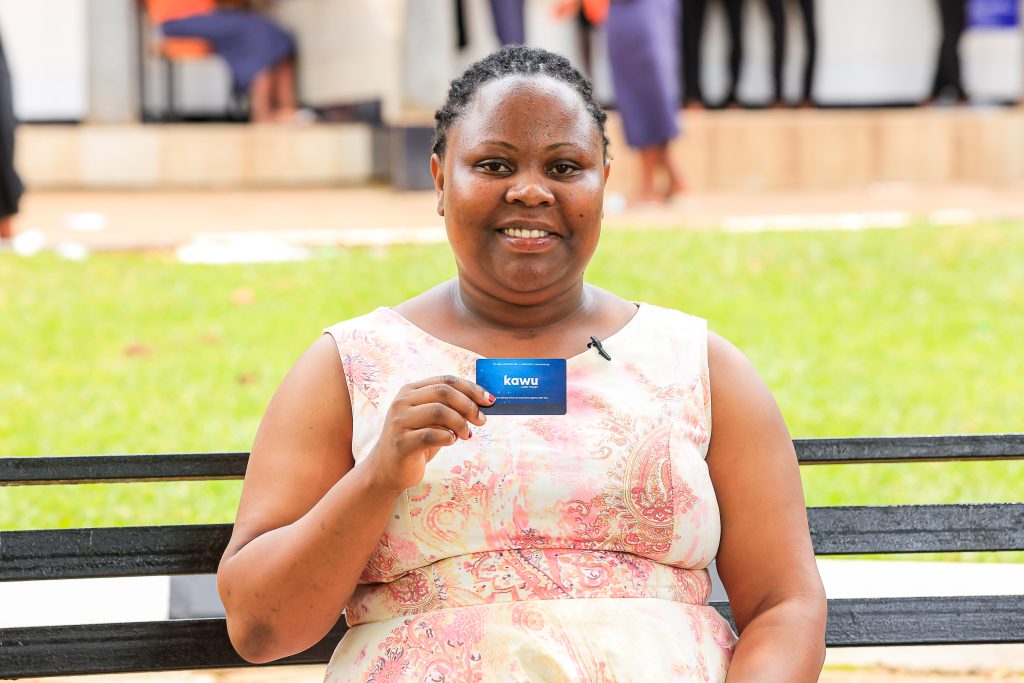
On top of her job as a secretary at Buddo SS, Mary Caroline Nambogga is charged with the custodianship of pocket money of students at this school.

Nambogga says that this second role is actually more difficult than her primary job. First, she is not an accountant; second, some secondary school students are sharp and tricky.

“The paperwork is quite a lot. There can be shortfalls because some students can be crafty and others may not sign when they pick the money,” she explains.

In all, handling students’ pocket money in cash is a hectic affair altogether, plus, whenever students have cash, the occurrence of theft among them is very high.

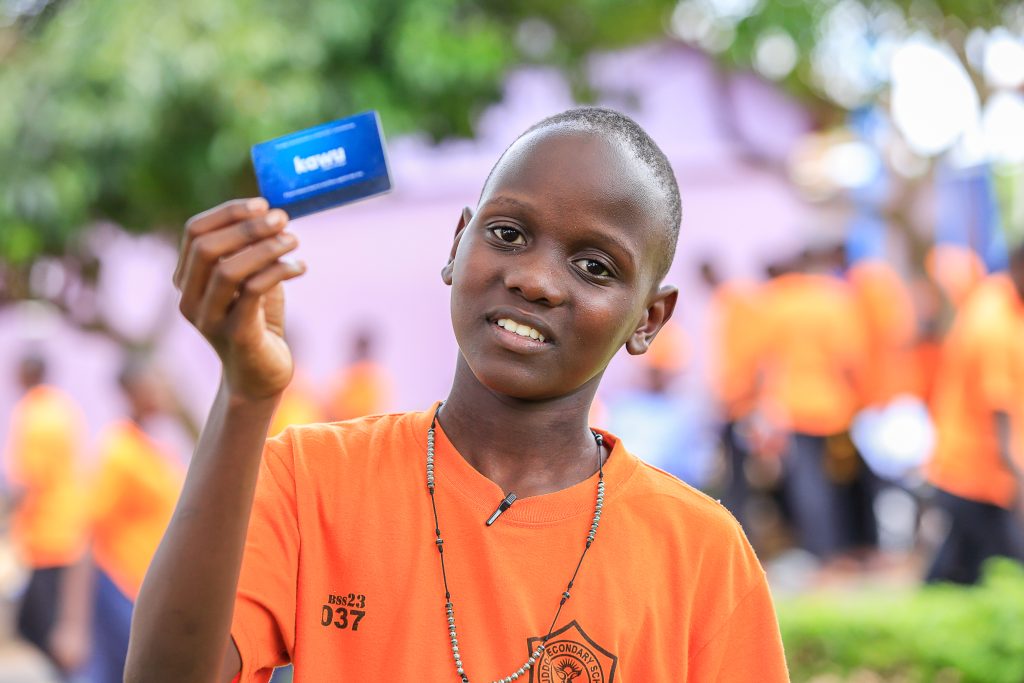
However, this nightmare has recently become a thing of the past, with the introduction of Kawu smart cards at this school.

Founded in 2021, Kawu Smart Card is an automated Digital Financial Services platform that allows parents and students to conveniently manage pocket money. A parent just deposits the student’s pocket money onto the Kawu wallet and the student uses the Kawu Smart Card to make transactions while in school.

When this service was introduced at Buddo SS early this year (2023), Nambogga was installed as the Kawu Agent in this school.

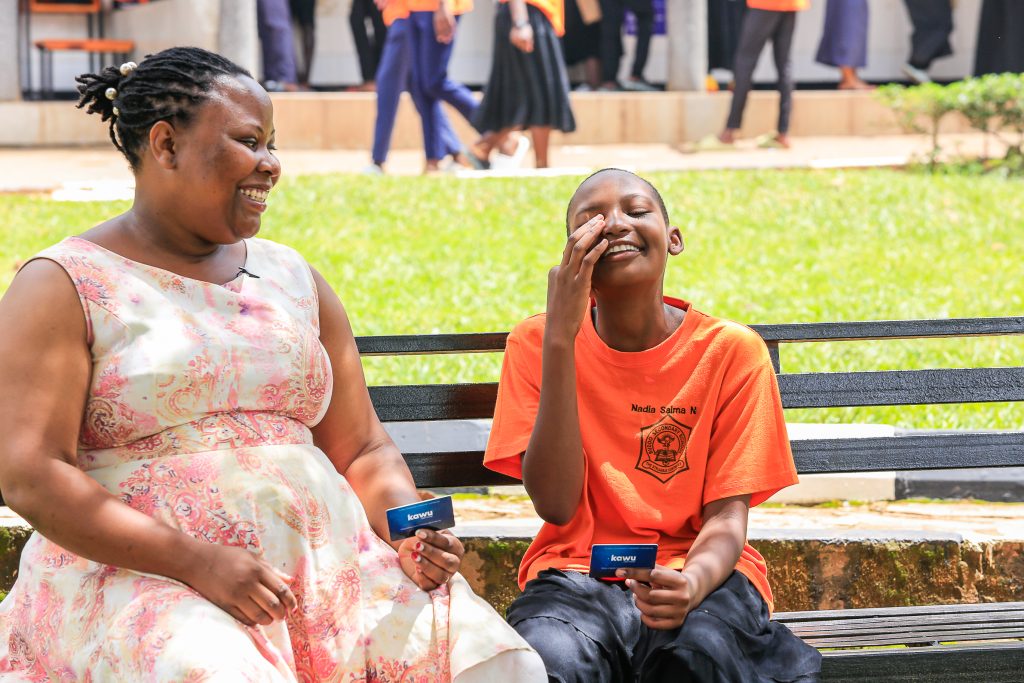
“The card has come in handy not only in sorting record-keeping challenges but also waived a big load off our shoulders of being able to give pocket money to students according to the parent’s demands. In a way, this helps a parent to set a limit for their children,” Nambogga says.

Convenience, Safety.

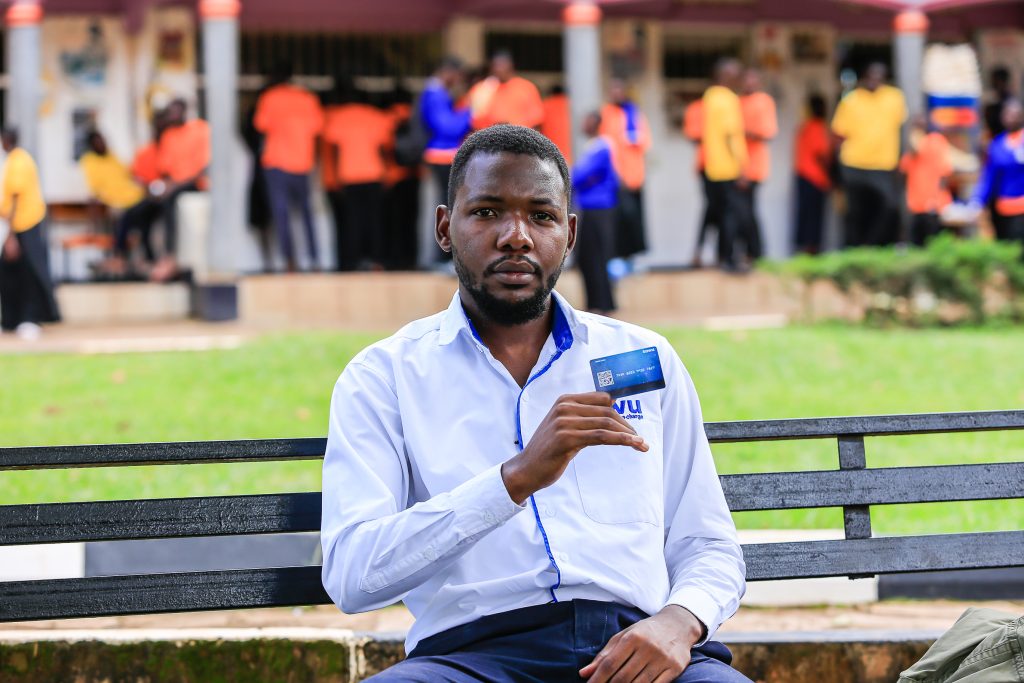
According to the KAWU co-founder, Gerald Ssebunya, this service was built in 2021 to bring control back into the hands of parents by determining how much a child can spend at a given period.

He explains that parents just need to download the mobile application from Play Store or App Store and start sending and monitoring the expenditure of their children.

The students are happy too.

Palvin John Ndawula, a Senior One student at Buddo SS says this card has not only made it easy for his parents to send money, it also keeps his money safe!

“For example, my parents would previously give me money and I keep it in my suitcase or I leave it somewhere and they steal it. With the card, my money is safe. The card also has an account number and no one else can use it besides me. This is the best card,” he says.

“At my former school [in primary], we used to keep money with the school bursar and when you go to ask for it at the end of the term, some of the money would be misplaced. Your money is extremely safe with this card.”

Similarly, Salmah Nadia Nakabuye, also in Senior One at Buddo SS, is equally impressed.

“When I want more money, I don’t ring my mother but she looks at the App and sends money directly to my card. I would like to tell students to register and get the card because it is safe and convenient. When the card is lost, they can replace it and your money remains safe,’ she says.

Impactful.

Ssebunya notes that between 2021 and 2023, they have reached over 200 schools with 54 of them coming on board.

“We have managed to activate over 10,000 students where at least 9,000 are actively using the smart card. We also have 15,000 parents that have activated and downloaded the application,” he says.

Ssebunya explains that this service has attracted much attention because it is easy and secure.

“When activating this smart card, we take their photo, name, and parent’s phone number. Once you download and sign up using the number that the student gave us to activate their card, the App automatically links to the student’s card. A parent now has the ability to send money from their mobile money account straight to their child’s smart card. We allow them to set up a five-digit password that they use to secure their card,” he says.

The parent can monitor the child’s account through the App and be able to tell if their child needs a top-up.

Ssebunya says they plan to reach millions of students across the East African region in the next five years.

“We have a big market opportunity of over 40 million students around East Africa and in the next five years, we are looking at serving 30 per cent of this size,” he says.

At Buddo SS, the cards are so far being used by Senior One and Senior Five students but the plan is to phase out cash transactions and only accept pocket money through this card for the entire school.

Not Without Challenges.

Just like any other electronic device, the card has its shortfalls. Nambogga notes that when the number of users increases, there is always a network problem.

This is common on visitation days when many people have logged into their accounts.

Since it is still new, some parents have also not understood how to use it which necessitates Nambogga to make several calls to direct them on how to deposit the money from their mobile money accounts to the cards.

40 Days 40 FinTechs.

Kawu is participant number one in the fourth season of the 40 Days 40 FinTechs initiative, season four organised by HiPipo to showcase innovations that are enabling underserved populations to join the digital economy space. This initiative is run in partnership with the Level One Project, Mojaloop Foundation, INFITX, Cyberplc Academy, Ideation Corner, and Crosslake Technologies with support generous from the Bill and Melinda Gates Foundation.

Ssebunya confesses that Kawu’s success story is mostly because of their participation in this initiative which introduced them to the FinTech community, specifically with the mentorship of HiPipo CEO Innocent Kawooya.

On his part, Kawooya says that with such impact stories as Kawu’s, the 40 Days 40 FinTechs initiative is indeed bearing fruit.

 “This year we are paying keen attention to the actual impact of each featured Innovation across East Africa. For three years, we have shone a light on marvellous innovations but now we want to see how they have benefited the intended users,” Kawooya noted.

Registration for Season Four of HiPipo 40 Days 40 FinTechs opens with a focus on end-user experiences

Kampala, Uganda. We are happy to announce that registration for the fourth edition of the HiPipo 40 Days 40 FinTechs has opened. Without a doubt, the HiPipo 40 Days 40 FinTechs initiative has put the Innovation and Financial Inclusion bar very high; particularly showcasing both the time and lifesaving abilities of Financial Technology.

Although the 2020 and 2021 seasons ran in the middle of the COVID-19 pandemic, they laid the groundwork for this project with more than 200 submissions and about 85 shortlisted participants altogether. The third edition, which ran in 2022, was even much bigger and better as it focused on the East African region. Some 47 participants, drawn from Uganda, Kenya and Tanzania were featured, out of more than 150 submissions. It was captivating to find out how Financial Technology (#FinTech) is transforming the lives of millions from across the region.

Run under HiPipo’s Include Everyone program that also encompasses other initiatives such as FinTech Landscape Exhibition, Women in FinTech Hackathon, Summit & Incubator, and the Digital and Financial Inclusion Summit and Digital Impact Awards Africa; the #40Days40FinTechs platform aptly provides a setting for the various players and stakeholders involved in digital and financial technology to exhibit their products and services. It also gives players a platform to share their ideas on how the unserved and underserved by the present financial systems can be brought into the fold.

“40 Days 40 FinTechs Season Four is here and will specially focus on not only Innovativeness but will also pay keen attention to the actual impact of each featured Innovation. We shall move to all regions in Uganda, in addition to engaging participants from across East Africa. In all these places, we shall interact with the Innovators and the end-users of their innovations,” Innocent Kawooya, the HiPipo Chief Executive Officer noted.

He added: “We shall seek to find out how all these innovations have changed people’s lives, how the innovators have made the communities they serve in better, and how they have contributed to economic transformation at all levels. We shall also collect feedback on what must be done to make these innovations better and how to scale them to reach even more people. This season, we shall tell the social, economic and cultural impact of FinTech Innovations.”

#40Days40FinTechs continues to be the world’s premier showcase event for innovations that are enabling underserved populations to join the digital economy space. We know that this can only get better owing to the inspiration and collaboration of our partners; Level One Project, Mojaloop Foundation, INFITX, Cyberplc Academy, Ideation Corner and Crosslake Technologies. Most importantly, the initiative owes its continued success to the generous support of the Bill and Melinda Gates Foundation.

Now is the time for Digital Innovators and FinTechs from all over East Africa to register before 12th May 2023 and stand a chance to participate in 40 Days 40 FinTechs Season Four. Participation is on a first-come, first-serve basis as long as your submission meets all the participation requirements.

Important Dates.

40 Days 40 FinTechs Participants Registration: 20th April to 12th May 2023. Registration link is available on www.HiPipo.org  

Profiling and Featuring 40 Days 40 FinTechs Participants:  1st May to 16th June 2023.

FinTech Landscape Exhibition: 7th July to 8th July 2023.

2023 HiPipo, Include Everyone Program Scope.
ProjectDate
40 Days 40 FinTechs20th April to 16th June 2023
FinTech Landscape Exhibition7th July to 8th July 2023
Women In FinTech Hackathon10th to 18th August 2023
Women In FinTech Summit19th August 2023
Women In FinTech Incubator4th September to 8th December 2023
Digital and Financial Inclusion Summit16th November 2023
Digital Impact Awards Africa17th November 2023

Join the Fight: Creating a Malaria-Free Uganda with the Lions Clubs of Uganda and Deputy Speaker of Parliament

Malaria is the leading cause of ill health/morbidity in Uganda and is responsible for up to 40% of all outpatients’ visits, 20% of all hospital admissions, and 10% of all hospital deaths. It costs a family at least 32,000(US$9) per episode of malaria. 95% of the Ugandan population is at risk, with Malaria killing between 70,000 and 100,000 children every year.  Uganda’s high rates of malaria disproportionately affect infants and pregnant women in rural areas who experience extreme poverty, limited access to health care services, and lack of awareness.

However, hope is on the horizon with the upcoming Walk against Malaria on 23rd April 2023. This revolutionary event will be led by the Deputy Speaker of Uganda, Rt. Hon. Thomas Tayebwa, and aims to raise awareness and highlight the need for better political intervention to prevent and control malaria.

The Lions Clubs of Uganda, part of the Lions Club International Association, will be joining in the walk against Malaria to show their support and help raise awareness. As Lion Professor Lawrence Mugisha, President Lions Club of Kampala Central stated, “Where there is a Need, there is a LION.” The Lions Club identifies humanitarian causes that affect our communities and responds to the identified cause together with different partners, and this year they have identified malaria as a public health problem in Uganda and have joined the fight to eliminate malaria in Uganda.

The Walk against Malaria is a one-of-a-kind event in the Pearl of Africa, a country that has been greatly affected by malaria. So many have suffered and died because of this disease, and it’s time for us to take a stand and make a difference. It’s not just the responsibility of the government or healthcare professionals – we all have a role to play.

The Uganda Parliamentary Forum on Malaria (UPFM) campaign “A Malaria Free Constituency is My Responsibility” underscores the importance of community involvement in the fight against malaria. It’s not enough to simply wait for political intervention or for healthcare workers to provide treatment. We must all speak up and get involved in this fight.

Zero Malaria Starts with You! We encourage everyone to participate in the Walk against Malaria on 23rd April 2023 and help raise awareness for this important cause. Let’s follow the lead of Rt. Hon. Thomas Tayebwa and the Lions Clubs of Uganda, and work towards a malaria-free future.

PSFU’s Lead Firm Structure Project Creates 6000 Jobs for Youth in Northern Uganda

Our Reporter.

On Wednesday 12th April, the Private Sector Foundation Uganda (PSFU) held a stakeholders’ engagement for one of its most ambitious and transformative projects for young entrepreneurs in northern Uganda.

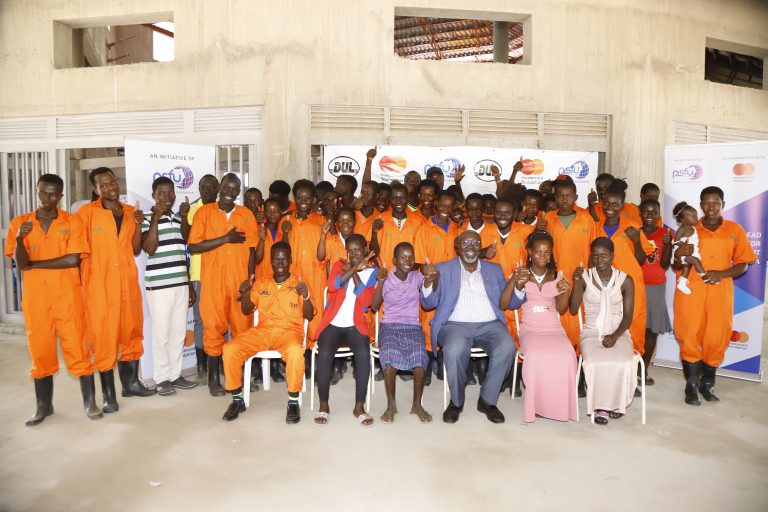
The Delight with the Youth project that started in 2020 and has already created meaningful and dignified employment opportunities for more than 6,000 young women and men is being implemented by Delight Uganda Limited; under the Young Africa Works Lead Firm Structure (LFS) program; an initiative of PSFU in partnership with Mastercard Foundation. 

Located in Nwoya district, Delight Uganda Limited is a nucleus farm of approximately 2,000 acres of land; 1,000 acres of mangoes, 150 acres of citrus, 350 acres of guavas,50 acres of cashew nuts, 500 acres of clonal eucalyptus, and 200 acres of compensatory forests.

“I am excited to be here to witness the transformation that has happened in this place, thanks to our partnership with Delight Uganda. We are celebrating the founders of Delight Uganda, local authority and the community for embracing the project and making it work. But more importantly, we are celebrating giving value to primary products such as fruits and crops so that our people can earn a living and transform their communities,” Mr Stephen Asiimwe, the PSFU Chief Executive Officer said.

He added: “Over 75 per cent of Uganda’s population is below 35 years and looking for jobs and income to sustain their livelihood. This project was designed to address these challenges. With the success we have had in Nwoya district, we commit to continue working with more sustainable and transformative Lead Firms across Northern Uganda and West Nile to further transform our people and their communities. PSFU interventions that are supporting young people include – BUDS, SDF, SG+, UNDP (Gender Seal), and GROW, Lead Firm Structure (LFS) and CERRRP.”

On behalf of the Delight Uganda proprietors, Dr. Julian Adyeri, the chief executive officer noted that the project that sits on two square miles in Anaka, Nwoya district now supports a community school, fruits & trees nurseries, and cereals plantations, in addition to dormitories, irrigation schemes and silos storage facilities.

“We thank PSFU and Mastercard Foundation for this intervention. The hundreds of young women and men that have benefited from this project continue to transform their communities in different ways. We nonetheless acknowledge that this is just the start and much more deliberate efforts must be implemented if our country is to achieve total transformation,” Dr. Adyeri said.

Minus, the over 6,000 job opportunities created by this project, Delight Uganda has a skilling institute where 12,167 (71 per cent being women) have received practical/hands-on trainings on selected business development modules.

Twenty-Six-year-old Milly Oroma, one of the direct beneficiaries from this project testified that the knowledge she attained from the Delight Uganda project has transformed her from a poor single mother into a confident, self-sustaining and productive business lady.

“I am now able to take care of myself, pay my kid’s school fees, support my parents and live calmly without worry about what to eat tomorrow. My dream is to become as successful as Dr. Adyeri and create opportunities for hundreds of youth that are suffering like I used to,” Oroma said.

The Guest of Honour, Col. Charles Okello Engola, the state minister for Labour and Gender applauded Delight Uganda, PSFU and Mastercard Foundation for their contribution to Uganda’s economic transformation. He pledged the government’s support towards interventions aimed at addressing unemployment and closing the poverty gap.

“We are all inspired by how Dr. Adyeri and her team have transformed this place from a poor unknown village into an income-generating hub. The impact this project has had on young people is wonderful. The Nwoya youth are very lucky for this project. We now need to recreate similar projects across the country. As government, we are ready to partner with all stakeholders on matters of youth empowerment, jobs creation and poverty alleviation. We are committed to creating a conducive working environment for our Youth and Women.”

Apollo Muyanja Mbaziira, the LFS Project Director noted that the more than 6000 jobs created in Nwoya are part of the at-least 90,000 opportunities that the LFS project has so far created across Uganda. He noted that the target is the create at-least 300,000 dignified and meaningful job opportunities by the end of 2025.