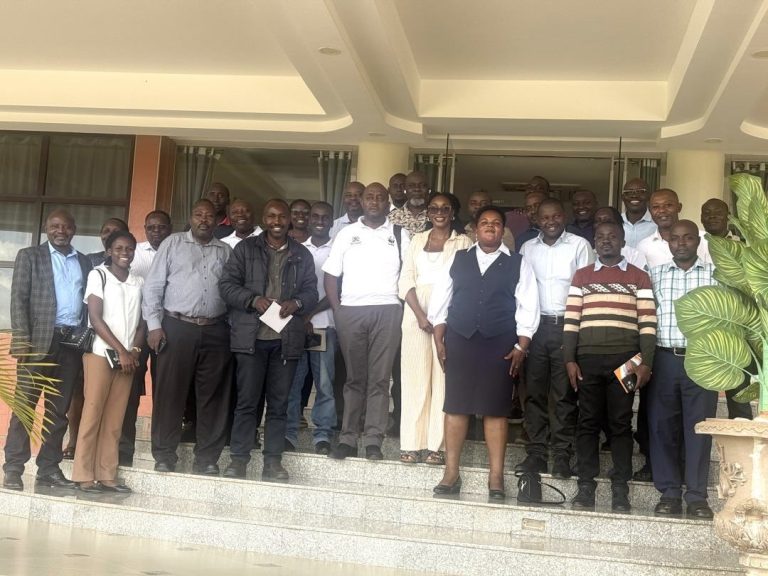
The Ministry of Water and Environment has conducted a three-day training aimed at strengthening the technical and institutional capacity of local and national government officials to improve ecosystem restoration efforts while promoting gender inclusion and minimizing community grievances during project implementation.
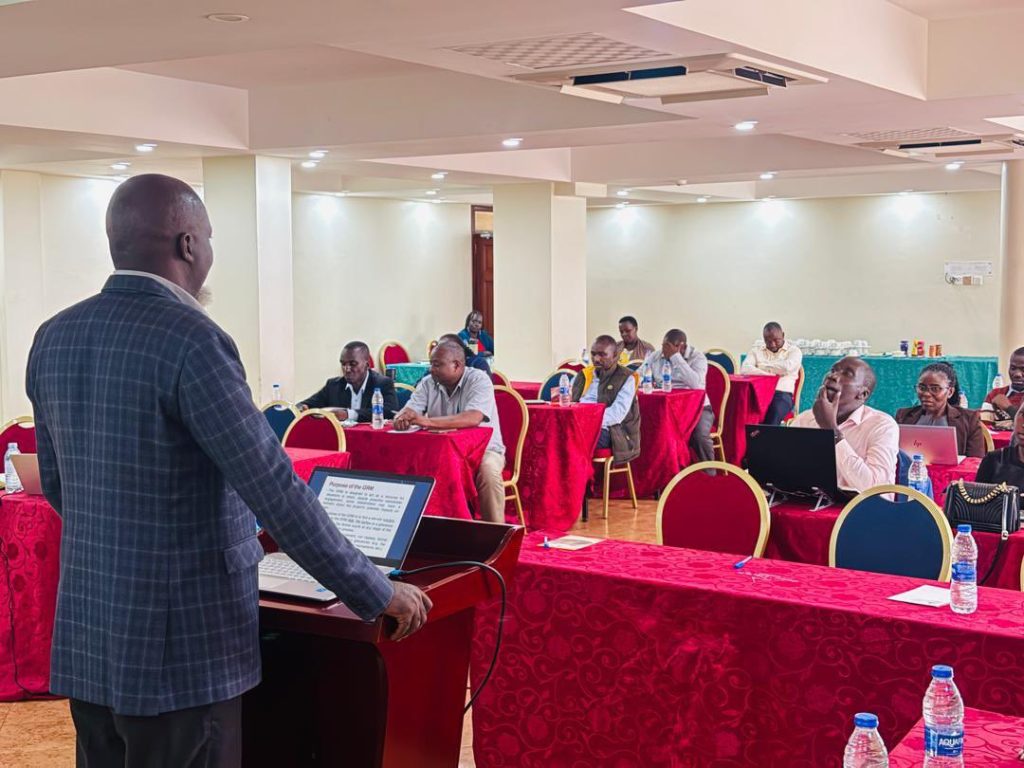
The training, organized under the Ecosystems-based Adaptation (EbA) Project, was held at Hotel Triangle in Mbarara City and brought together officials from the Ministry of Water and Environment, district local governments, and technical teams from Mbarara, Kamwenge, Ibanda, Kitagwenda, and Mbarara City.
According to the Ministry, the training focused on equipping officials with skills to mainstream gender and inclusive participation in environmental restoration projects, while also enhancing their ability to manage restoration and demarcation exercises involving wetlands, forests, rivers, and lakeshores.
Officials said the sessions were designed to strengthen coordination between national and local governments as Uganda continues implementing climate resilience and environmental protection interventions.
Among the key objectives of the training was building the capacity of government officials to integrate gender considerations into project implementation processes and ensure participation of all community groups during restoration activities.
Participants were also trained on planning and managing restoration interventions affecting wetlands, riverbanks, forest ecosystems, and lakeshores, as well as handling grievances that may arise from restoration and boundary demarcation exercises.
The Ministry noted that environmental restoration projects often involve sensitive community concerns related to land use, livelihoods, and access to natural resources, making grievance management an important part of project implementation.
Officials emphasized the need for local leaders and technical officers to appropriately identify, manage, and refer community complaints to ensure peaceful and effective implementation of conservation initiatives.
The expected outcomes of the training include improved institutional capacity to manage ecosystem restoration activities, strengthened grievance handling systems, and enhanced gender mainstreaming across environmental projects.
The Ecosystems-based Adaptation Project is being implemented by the Government of Uganda through the Ministry of Water and Environment under the Wetlands Management Department.
The initiative receives financial support from the Global Environment Facility (GEF) and technical support from the United Nations Environment Programme (UNEP).
Government says the project is part of broader national efforts to strengthen climate resilience, restore degraded ecosystems, and promote sustainable environmental management in vulnerable communities across Uganda.
Environmental experts have increasingly emphasized the importance of ecosystem restoration in addressing climate change impacts, protecting biodiversity, improving water resources, and supporting sustainable livelihoods.
The Ministry reaffirmed its commitment to working with local governments and communities to strengthen environmental conservation efforts while ensuring inclusive participation and reduced conflict during implementation of restoration activities.