Home Blog Page 11

THE INVISIBLE CHECKOUT BUTTON – How Digital Payment Gateways Are Powering Africa’s SME Economy, and Connecting Local Businesses to the Global Marketplace

By HiPipo Money

For decades, one of the biggest barriers facing African businesses was not the quality of products.

It was getting paid.

A fashion designer in Lagos could attract international customers online but struggle to receive payments efficiently. A Ugandan entrepreneur could launch an e-commerce store yet face difficulty integrating reliable payment systems. A small business owner could advertise products across social media but lose customers during checkout because payment processes were slow, fragmented, or unsupported.

In many ways, Africa’s digital commerce problem was never only about internet access.

It was about transaction infrastructure.

Because no matter how innovative a business becomes, commerce eventually reaches the same critical moment:

The payment.

And increasingly, digital payment gateways are becoming the invisible infrastructure powering Africa’s modern SME economy.

Across the continent, payment processors such as Paystack, Flutterwave, DPO Group, Pesapal, Paymob, Chipper Cash, and others are transforming how businesses accept, process, manage, and reconcile digital payments. They are helping merchants move beyond cash, connect to global platforms, integrate mobile money and card systems, automate commerce, and participate more fully in the expanding digital economy.

The shift is profound.

Because for many African SMEs, digital payment gateways are not merely financial tools.

They are growth infrastructure.

Historically, online commerce in many African markets faced structural payment barriers.

Traditional banking systems often lacked flexible APIs, merchant onboarding could be slow, card penetration remained uneven, cross-border transactions were difficult, and many global payment systems offered limited support for African businesses.

The result was friction.

And friction kills commerce.

A customer ready to buy may abandon a transaction if checkout feels complicated or unreliable. Small businesses lost trust, sales opportunities, and growth potential because payment infrastructure could not support modern digital commerce effectively.

Payment gateways emerged to solve this problem.

They simplified integration between merchants, consumers, banks, mobile money systems, and global payment networks. Instead of building payment systems independently, businesses could connect through centralized processors capable of handling:

  • online checkout,
  • card processing,
  • mobile money integration,
  • bank transfers,
  • recurring billing,
  • transaction verification,
  • fraud monitoring,
  • reconciliation,
  • and API connectivity.

This dramatically lowered barriers to digital entrepreneurship.

Suddenly, SMEs could launch online stores, accept payments digitally, and participate in e-commerce ecosystems without building financial infrastructure themselves.

That change unlocked enormous economic potential.

One of the strongest examples of this transformation is Paystack.

Founded in Nigeria, Paystack grew rapidly by simplifying online payments for businesses and developers. Its infrastructure helped merchants integrate payments more easily into websites, applications, and digital commerce platforms. Over time, the company became one of the most influential payment infrastructure providers in Africa’s FinTech ecosystem.

According to reporting frequently referenced across the industry, Paystack processes more than half of Nigeria’s online transactions.

That scale reflects something much larger than startup success.

It reflects the rise of digital commerce infrastructure built for African realities.

Paystack’s significance also demonstrated another important truth:

Africa’s FinTech future would increasingly be built through APIs and infrastructure layers rather than only consumer-facing apps.

The most valuable companies were no longer simply creating wallets.

They were enabling ecosystems.

Digital payment gateways play an especially important role for SMEs because they reduce operational complexity.

Small businesses already face multiple pressures:

  • inventory management,
  • customer acquisition,
  • logistics,
  • taxation,
  • cash flow,
  • marketing,
  • and competition.

Managing fragmented payment systems manually adds further strain.

Integrated payment processors simplify this environment by centralizing transactions and automating large parts of commerce operations. Businesses gain:

  • faster settlement,
  • transaction visibility,
  • digital records,
  • automated reconciliation,
  • customer payment flexibility,
  • and scalable payment infrastructure.

For SMEs operating on thin margins, this efficiency matters enormously.

A business that accepts multiple payment methods seamlessly can reach more customers.
A merchant receiving faster settlement improves liquidity.
A company with digital transaction history becomes more visible to lenders and investors.

Payments therefore become more than transactional infrastructure.

They become business intelligence infrastructure.

Another major impact of digital gateways is cross-border connectivity.

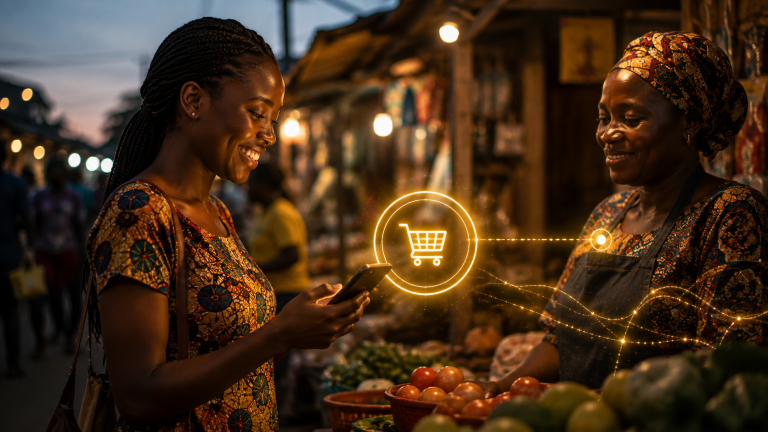
Africa’s digital entrepreneurs increasingly operate inside global markets. A creator in Nairobi may sell services internationally. A fashion business in Kampala may market products globally through Instagram or TikTok. A software developer in Lagos may serve overseas clients remotely.

Yet historically, receiving international payments remained one of the continent’s biggest business frustrations.
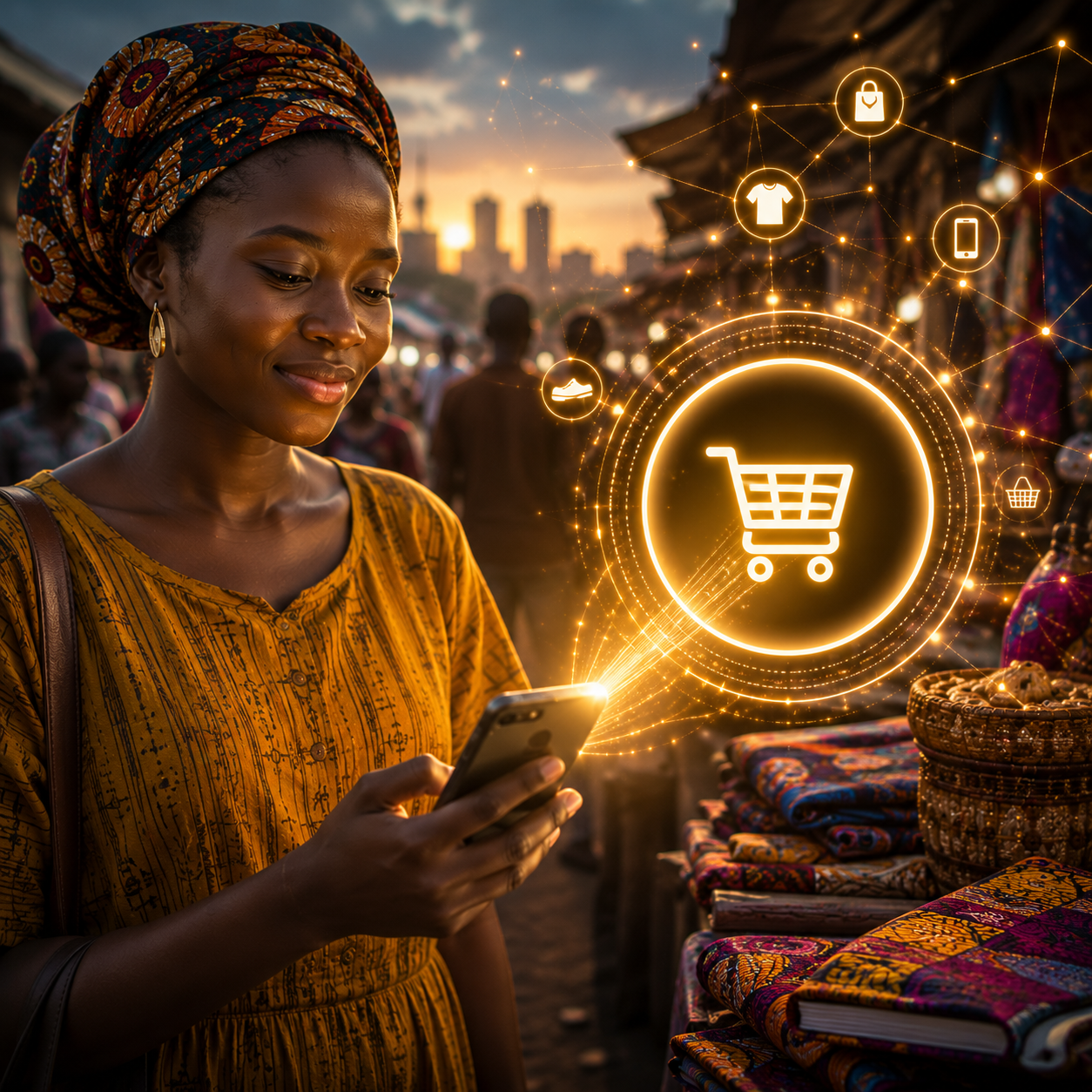
Many global payment systems offered limited African support.
Settlement delays were common.
Currency conversion costs remained high.
Platform restrictions affected onboarding.

Digital payment gateways helped bridge these gaps by integrating local businesses with international commerce systems more effectively.

This matters because the future African economy is becoming increasingly borderless.

SMEs are no longer competing only locally.

They are participating globally.

And global participation requires payment infrastructure capable of supporting international trust, reliability, and interoperability.

Mobile money integration has also been transformative.

Africa’s payment environment differs from many developed economies because mobile wallets often play a far larger role than traditional cards or bank accounts. Payment gateways capable of integrating mobile money therefore gained major advantages.

This integration created a uniquely African digital commerce model:

  • cards,
  • wallets,
  • bank transfers,
  • QR systems,
  • and telecom-led financial services
    operating together inside broader digital payment ecosystems.

The result is one of the world’s most innovative payment landscapes.

Yet despite rapid growth, major challenges remain.

One of the biggest is cost.

SMEs are highly sensitive to transaction fees, settlement charges, foreign exchange spreads, and platform commissions. Small businesses processing low-value transactions may lose meaningful portions of revenue if payment costs remain too high.

Trust is another challenge.

Online fraud, failed payments, chargebacks, phishing attacks, and scam merchants continue affecting confidence in digital commerce. Consumers must trust payment systems before adoption scales sustainably.

Infrastructure gaps also remain significant.

Rural merchants may still face:

  • unreliable internet,
  • inconsistent electricity,
  • low smartphone penetration,
  • and limited access to integrated commerce tools.

If digital commerce infrastructure remains concentrated in urban ecosystems, broader inclusion goals may weaken.

Interoperability is equally important.

Businesses increasingly need payment systems capable of working across:

  • banks,
  • mobile money providers,
  • FinTech platforms,
  • regional markets,
  • and international networks.

Fragmented systems increase friction and reduce scalability.

This is why many regulators and ecosystem players are increasingly focusing on open APIs, real-time payment systems, interoperable switches, and broader digital public infrastructure modernisation.

There is another deeper transformation happening beneath the surface.

Digital payment gateways are changing how businesses become visible.

Historically, informal SMEs often lacked transaction histories or verifiable financial records. Digital payments generate structured economic data. Over time, this data can support:

  • lending,
  • investment readiness,
  • credit scoring,
  • taxation efficiency,
  • inventory financing,
  • and business formalisation.

The payment gateway therefore, becomes not only a checkout tool, but a bridge into the formal economy.

This is especially important for:

  • youth entrepreneurs,
  • women-led businesses,
  • creators,
  • freelancers,
  • informal merchants,
  • and cross-border SMEs.

Many of these businesses were historically underserved by traditional finance despite significant economic activity.

Digital commerce infrastructure is beginning to change that equation.

For HiPipo Money, this evolution represents one of the most important shifts in Africa’s digital economy:

The rise of infrastructure-driven entrepreneurship.

Africa’s future billion-dollar companies may increasingly be those quietly enabling millions of smaller businesses to transact, scale, and participate digitally.

This aligns strongly with the broader missions behind initiatives such as the Digital Impact Awards Africa (DIAA), Include Everyone, Women in FinTech, and wider digital entrepreneurship ecosystems championing innovation, interoperability, inclusion, and SME growth across the continent.

Because ultimately, payment gateways are not only technology platforms.

They are economic bridges.

A small merchant reaching customers globally.
A creator receiving payments instantly.
A startup launching without building financial infrastructure from scratch.
A woman entrepreneur selling online confidently.
A freelancer entering international markets.
An SME becoming visible to formal finance for the first time.

Most consumers may never think deeply about what happens after clicking “Pay Now.”

But behind that invisible checkout button sits one of the most important infrastructure revolutions shaping Africa’s digital future.

And increasingly, the businesses controlling the rails of digital commerce may help define the next chapter of Africa’s economic transformation.
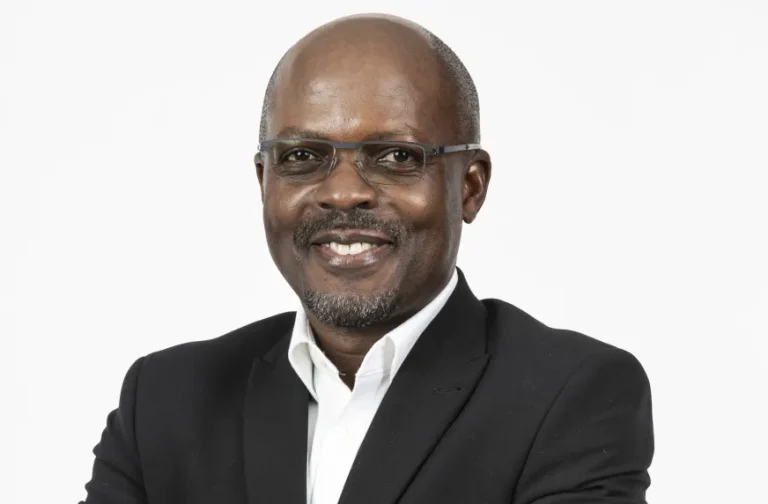
MTN Mobile Money Uganda Appoints Phrase Lubega as New Managing Director

MTN Mobile Money (U) Limited has appointed Phrase Lubega as its new Managing Director, subject to approval by the Bank of Uganda, the company announced on 4th June 2026.

Lubega, a Ugandan national with over three decades of experience spanning telecommunications, information technology, and financial services, returns to Uganda after serving as Interim Managing Director of MoMo Payment Service Bank in Nigeria. In that role, he was responsible for shaping the bank’s long-term strategy and digital banking model, achieving strong revenue growth and successfully launching new products.

The appointment reinforces MTN Mobile Money’s commitment to accelerating financial inclusion and digital innovation across Uganda, according to a statement from the company’s Board of Directors.

Lubega is no stranger to MTN Uganda. He previously served as General Manager for Mobile Financial Services, where he successfully led the launch of innovative products such as MoKash and drove strong revenue growth in a competitive and regulated environment. He also served as Chief Information Officer of MTN Uganda, spearheading the transformation of IT systems that enabled the growth of mobile money services.

His career within the wider MTN Group includes senior leadership roles such as Group Executive for Fintech Commercial Operations and General Manager for Commercial and Go-To-Market. In those positions, he played a critical role in driving mobile financial services growth across the Group’s footprint, contributing to customer growth, improved retention, and expansion of mobile money operations across multiple countries.

Beyond his executive roles, Lubega has extensive governance experience, serving on multiple boards across MTN’s Mobile Money operations in Africa, including as a non-executive director in Benin, Congo Brazzaville, and Guinea Conakry.

https://twitter.com/mtnmomoug/status/2062455467251503338?s=20

Serigne Dioum, Group Chief Executive Officer of MTN Group Fintech, welcomed the appointment.

“We are delighted to appoint Phrase Lubega as Managing Director of MTN Mobile Money (U) Limited,” Dioum said. “Phrase brings deep market expertise, strong execution capability and a proven track record of scaling mobile financial services across diverse markets. His leadership will be instrumental as we strengthen our position in Uganda and continue to expand access to inclusive, secure and innovative digital financial solutions that empower individuals and businesses.”

Sylvia Mulinge, Chairperson of the Board of Directors of MTN Mobile Money (U) Limited, also expressed confidence in the new appointee.

“On behalf of the Board, we are pleased to appoint Phrase Lubega to lead MTN Mobile Money Uganda into its next phase of growth,” Mulinge said. “His deep understanding of the business, strong governance experience and proven leadership across the MTN footprint position him well to drive sustainable value for all stakeholders.”

Commenting on his appointment, Lubega said he was honoured to lead the company at an exciting time in the evolution of digital financial services.

“I look forward to working with the talented team and our stakeholders to expand access to financial solutions, enhance customer experience, and continue driving the growth of Uganda’s digital economy,” he said.

Lubega holds a Master of Business Administration (MBA) from York University in the United Kingdom, an Executive MBA from the Quantic School of Business and Technology in the United States, and a Bachelor of Science in Physics from Makerere University.

The Board also extended sincere appreciation to Sarah Bateta Okwi, who served as Acting Managing Director over the past several months.

“Her dedication and commitment have ensured continuity, stability and sustained momentum for MTN Mobile Money Uganda during the transition period,” the statement read.

MTN Mobile Money is one of Uganda’s leading digital financial service providers, offering a range of services including person-to-person transfers, bill payments, savings, loans, and merchant payments. The appointment of a seasoned fintech executive like Lubega signals the company’s intent to deepen its product offerings and expand financial inclusion, particularly as competition in Uganda’s mobile money space intensifies.

The appointment remains subject to approval by the Bank of Uganda, the industry regulator. Once confirmed, Lubega will take over full leadership of the company’s operations in the country.

The Elderly Man Who No Longer Fears the Nightfall

0

A #100DaysofSolar Human Impact Story from Kamengo, Mpigi District, Uganda

For Kigozi Alifonce, darkness once made pain feel even heavier.

At 82 years old and living alone in Kamengo, Mpigi District, every evening became a struggle against fear, weakness, and physical suffering. Age had already slowed his body, but once the sun disappeared, simple movement inside his home became dangerous and exhausting.

Each step through the darkness strained his aching legs.

His chest pains worsened with anxiety and isolation.

And with medicine often difficult to access, the nights felt painfully long and unforgiving.

For Alifonce, darkness was no longer just absence of light.

It deepened suffering itself.

Fear entered the house with every sunset, and the loneliness of facing those difficult nights alone slowly wore down his sense of peace and dignity.

Then Solar M7 arrived. And for the first time in years, the nights inside his home began to feel manageable again.

Today, reliable solar light fills the house after sunset, helping Alifonce move safely and confidently around his home. The fear of stumbling in darkness has reduced. The emotional stress surrounding nighttime has eased. And inside the quiet of the evening, he now feels something he had almost lost.

Relief.

“Before Solar M7, nights were very painful and frightening for me because moving in darkness was difficult,” Alifonce shared during his interview. “Now I feel safer, calmer, and more comfortable inside my home.”

According to Doreen Nanfuka, elderly people living alone often experience both physical and emotional suffering worsened by poor lighting conditions.

“When older people are struggling with pain or illness, darkness increases fear and vulnerability,” Doreen explained. “Reliable light helps restore safety, confidence, and emotional comfort.”

Innocent Kawooya says stories like Alifonce’s show how energy access directly supports health, dignity, and quality of life for vulnerable elderly people.

“Reliable light helps people live more safely and comfortably regardless of age or physical condition,” he noted. “It restores independence and peace to those who need it most.”

Today, nights inside Alifonce’s home no longer feel like battles against fear and pain.

The darkness no longer controls his movement.

The house feels safe again.

And in a home where suffering once deepened with every sunset, Solar M7 is now helping restore something profoundly human.

Comfort. Relief. And dignity in old age.

Watch the full story of Kigozi Alifonce from Kamengo, Mpigi District, Uganda across our platforms:

YouTube
TikTok
Facebook
Instagram
LinkedIn
X/Twitter

#100DaysofSolar #SolarM7 #IncludeEveryone #EnergyAccess #HumanImpact #Mpigi #Uganda #CleanEnergy #HiPipo

THE RISE OF THE DIGITAL SAVER – How Africa’s Unbanked Are Quietly Building Wealth Through Mobile Savings Platforms

By HiPipo Money

For decades, millions of Africans saved money the only way they realistically could:

In cash.

Under mattresses.
Inside boxes.
Through informal savings groups.
With trusted relatives.
In livestock.
In inventory.
Or simply by holding physical money close enough to access during emergencies.

The behaviour was never irrational.

It was practical.

Traditional banking systems often failed to serve low-income populations effectively. Branches remained distant. Minimum balance requirements discouraged small savers. Banking fees consumed fragile incomes. Documentation barriers excluded informal workers. And many financial products were designed for salaried middle-class customers rather than people surviving through daily trade, agriculture, or informal entrepreneurship.

Yet even in financially excluded communities, people still saved.

Because poor people save too.

They save for:

  • school fees,
  • emergencies,
  • healthcare,
  • farming seasons,
  • rent,
  • business inventory,
  • weddings,
  • funerals,
  • and survival itself.

The problem was not a lack of financial discipline.

The problem was infrastructure.

Now, across Africa, digital savings platforms are beginning to change that reality.

Through mobile money, FinTech wallets, agent banking systems, savings apps, micro-investment tools, and embedded financial platforms, millions of previously unbanked citizens are gaining new ways to save digitally, build transaction histories, earn interest, and participate more formally in the economy.

The shift may become one of the most important long-term financial inclusion transformations on the continent.

Because while payments move economies, savings build resilience.

Africa’s mobile money revolution initially focused heavily on transfers and payments. Sending money quickly and cheaply solved an immediate infrastructure problem for millions of households and businesses. But as digital ecosystems matured, providers increasingly recognised something deeper:

People did not only want to move money.

They wanted to keep it safely.

That realization opened a new phase of digital finance innovation.

Mobile wallets evolved from transaction tools into broader financial platforms integrating:

  • savings,
  • credit,
  • insurance,
  • investments,
  • merchant payments,
  • and financial planning tools.

For low-income populations, digital savings created several powerful advantages immediately.

First, safety.

Keeping cash physically at home carries risks:

  • theft,
  • loss,
  • fire,
  • family pressure,
  • and impulse spending.

Digital savings platforms reduce those risks by separating money from immediate physical access while still allowing relatively flexible withdrawal when needed.

Second, convenience.

A user no longer needs to travel long distances to deposit tiny amounts. Small daily savings can happen digitally through a phone, agent, or wallet. This matters enormously in economies where many people earn irregular daily incomes rather than monthly salaries.

Third, behavioural structure.

Many low-income users save in small increments. Traditional banking systems historically struggled to support micro-savings economically because processing tiny balances generated little revenue relative to operational costs.

Digital platforms changed the economics completely.

Automated systems, mobile infrastructure, and agent networks dramatically lowered servicing costs, making small-value savings viable at scale.

This was transformational because Africa’s informal economy runs heavily on small amounts of money.

Tiny savings.
Tiny profits.
Tiny transfers.
Tiny working capital cycles.

Yet collectively, those small financial behaviours sustain millions of households and businesses.

Digital savings platforms are also changing how low-income users relate to financial systems psychologically.

Historically, formal finance often felt intimidating, urban, bureaucratic, or inaccessible. Mobile-based savings tools feel closer to everyday life. The familiarity of mobile money ecosystems lowers barriers to participation.

For many users, their first structured savings experience now happens digitally rather than through a bank branch.

This is especially important for women and rural populations historically underserved by traditional finance.

Women often manage household cash flow under difficult conditions, balancing school fees, food expenses, healthcare costs, and informal business needs. Digital savings tools can provide greater privacy, flexibility, and control over money management. Rural households can save without needing frequent travel to urban centers.

And importantly, digital transaction histories begin creating economic visibility.

This is one of the most powerful long-term effects of digital savings ecosystems.

A low-income user who consistently saves digitally generates behavioural financial data. Over time, this can support:

  • credit scoring,
  • micro-lending,
  • insurance access,
  • merchant financing,
  • and broader participation in formal financial systems.

The data layer becomes an inclusion layer.

Someone previously considered “financially invisible” begins developing a measurable economic profile.

That transformation could reshape access to opportunity across the continent.

The rise of interest-bearing digital savings products is another important development.

Historically, many low-income users earned little or no return on savings because they remained outside formal financial systems. Today, some FinTechs, banks, and telecom-linked financial products increasingly allow users to earn interest digitally on wallet balances or linked savings accounts.

The significance extends beyond income generation.

Interest-bearing savings reinforce the idea that money stored digitally can grow rather than merely sit idle.

This changes financial behaviour.

Saving becomes not only defensive, but aspirational.

For populations long excluded from investment and wealth-building systems, that psychological shift matters deeply.

Yet despite rapid progress, major challenges remain.

One of the biggest is trust.

Many low-income users remain cautious about storing significant amounts digitally. Fear of fraud, system outages, hidden charges, failed withdrawals, account freezes, or agent misconduct can discourage adoption. In financial systems, trust is difficult to build and easy to lose.

Digital literacy also remains uneven.

Some users may understand transfers but struggle with:

  • savings interfaces,
  • PIN security,
  • fraud prevention,
  • interest structures,
  • or account management tools.

Without proper education, users remain vulnerable to mistakes and exploitation.

Affordability is another critical issue.

Low-income populations are highly sensitive to transaction costs. Small fees can discourage regular savings behaviour, especially for users depositing tiny amounts frequently. Platforms designed without sensitivity to low-income realities risk excluding the very populations they claim to serve.

The rural divide also remains significant.

In some remote areas, weak connectivity, poor electricity access, low smartphone penetration, and limited agent liquidity continue affecting digital finance reliability. A savings platform is only useful if users can access it consistently and confidently.

There is another deeper challenge too:

The temptation to over-financialise poverty.

Not every low-income user immediately needs complex investment products or advanced financial tools. Many simply need reliable, affordable, understandable systems helping them manage financial uncertainty safely.

The best digital savings products, therefore, often succeed not through complexity, but through simplicity.

Simple interfaces.
Simple goals.
Simple trust.
Simple reliability.

The future of inclusion may depend less on creating sophisticated products and more on creating products ordinary people genuinely use consistently.

Governments and regulators are increasingly paying attention to this space because savings behaviour affects broader economic resilience. Economies with stronger domestic savings ecosystems often demonstrate greater financial stability, stronger household resilience, and deeper financial sector participation.

Digital savings also support broader development agendas:

  • SME growth,
  • women’s empowerment,
  • youth entrepreneurship,
  • agricultural resilience,
  • healthcare preparedness,
  • and emergency response capacity.

This is why digital savings platforms increasingly matter not only to FinTechs,
but to national economic strategy.

For HiPipo Money, this story reflects one of the most important truths about Africa’s digital transformation:

Financial inclusion is not only about spending money digitally.

It is also about helping people build security, resilience, and long-term opportunity.

This aligns strongly with the broader Include Everyone agenda and ecosystem initiatives such as the Digital Impact Awards Africa (DIAA), Women in FinTech, financial literacy campaigns, and digital inclusion programs focused on empowering ordinary citizens through technology.

Because ultimately, digital savings are not just financial products.

They are hope infrastructure.

A market vendor building emergency protection.
A farmer preparing for drought season.
A mother planning school fees.
A young entrepreneur accumulating startup capital.
A household surviving unexpected shocks.
A low-income worker earning interest for the first time.

Most wealth-building systems historically excluded these citizens.

Digital savings platforms are beginning to change that.

Quietly.

One small deposit at a time.

And if Africa gets this right, the next generation of digital finance may not only help people move money faster.

It may help millions finally begin building wealth securely, consistently, and with dignity.

Data, Dreams and Dilemmas: African Lives at the Centre of the Open‑Finance Revolution

By HiPipo Money

From dairy farmers in Rwanda to market women in Lagos, consumer‑permissioned data sharing is opening new vistas of opportunity. Yet the shift towards open finance also surfaces profound questions about privacy, power and who benefits from Africa’s digital future.

The soft whir of a smartphone motorbike app and the high‑pitched chatter of market stalls mingle in a dusty courtyard in Kigali. Inside a small house, 28‑year‑old Chantal, a dairy farmer and mother of three, swipes through an unfamiliar interface. She’s using an experimental application built by a Rwandan fintech in partnership with local cooperatives. The app links her savings group account, mobile‑money wallet and crop insurance plan. With a few taps, she can see her milk sales, contributions to the savings group and the status of a microinsurance claim filed after recent floods. What she doesn’t see are the streams of data coursing between providers: her transaction history is being pulled from her mobile‑money operator and shared with a credit bureau; her insurance premiums are calculated using rainfall data and her cooperatives’ ledger. For Chantal, the experience feels magical, an integrated financial life she never imagined. But behind the magic lies a radical change in how financial data is owned and exchanged, the essence of open finance.

To appreciate why open finance matters, one must recall Africa’s digital transformation journey. Two decades ago, an unbanked trader in Kampala or Kisumu faced enormous friction simply to send or receive money. Today, mobile‑money agents populate nearly every village, and Sub‑Saharan Africa accounts for about 65 per cent of global mobile‑money transactions. This explosion in digital payments created repositories of transaction data that, until recently, remained locked within each provider. Open finance shifts the paradigm by letting consumers “take control of their data in the financial system and gain the ability to share it with other providers”. The World Bank notes that such data sharing reduces switching costs, diminishes information asymmetry and empowers consumers by creating a level playing field between incumbents and new entrants. In simple terms, it means Doreen Nanfy, or a shopkeeper in Lagos, can authorise her bank or mobile‑money operator to share her financial history with a fintech that might offer her a better loan or savings product.

The human implications are profound. In Nigeria, open finance is no longer theory. After years of groundwork, the CBN announced that it would launch the open‑banking regime in August 2025, positioning Nigeria as the first African country to adopt this transformative framework. Operational guidelines published in 2023 lay out detailed consent management processes, requiring that customers’ consent be explicit, time‑bound and easily revoked. Banks must expose data via secure APIs, and third‑party FinTechs – once considered outsiders, can apply to become accredited API consumers or providers. For everyday Nigerians this could mean comparing credit offers, automating savings plans or aggregating multiple accounts on a single dashboard, all with peace of mind that their data will not be shared without permission. Crucially, the guidelines emphasise accessibility and user experience, aiming to make consent flows simple for people who may be using USSD on a feature phone, not just smartphones.

The excitement is palpable among innovators. “Finally, we can build the tools we’ve been dreaming of,” says Sola, the Lagos fintech founder whose startup creates budgeting and lending products for market traders. “Our customers will own their data; we won’t have to beg banks for it.” Nigeria’s open‑banking experiment is part of a broader global movement. In late 2024, a coalition including the IMF, World Bank and Bank for International Settlements issued high‑level guidelines urging public authorities to harness open finance to accelerate digital financial services and innovation. Queen Máxima of the Netherlands, the UN Special Advocate for Financial Health, reminded policymakers that open finance presents a chance to design systems that benefit those historically excluded. World Bank President Ajay Banga argued that open finance could be a game changer, helping bring services to people who had none and providing capital to millions of women entrepreneurs. Their optimism reflects a belief that data portability can unlock new credit models, micro‑insurance products, investment apps and cross‑border remittance services.

Optimism, however, does not negate risk. As more data is exchanged, new vulnerabilities emerge. The IMF guidelines caution that open finance can heighten data security and privacy risks. If big technology companies gain access to financial data without sharing their own, competition could be distorted, and consumer protection weakened. The World Bank’s digital‑finance knowledge base warns that authorities must consider how small players can meet technical standards and that volume‑based data access fees may disadvantage them. In Chantal’s village, smartphone ownership is far from universal; a recent Cenfri report notes that smartphone‑based consent models popular in Europe may not work in African settings and that alternative methods, like USSD or agent‑assisted consent, will be necessary. Cenfri also stresses that open finance carries the risk of exacerbating existing inequalities if data are misused or if the benefits accrue mainly to urban elites.

These warnings echo through community meetings in Nairobi’s Kibera settlement, where women entrepreneurs gather to discuss digital tools. “We’ve heard that new apps want to collect our data, but will they protect us?” asks Mary, who runs a hair salon and belongs to a savings group. She is right to be cautious. Without strong data protection laws and enforcement, unscrupulous actors could harvest customer data for predatory lending or targeted scams. Nigeria’s guidelines attempt to mitigate this by mandating encrypted tokens and requiring an open‑banking registry for oversight. But across much of Africa, regulatory capacity remains thin. A patchwork of data‑protection laws exists, some robust, others vague or unenforced. Civil society must therefore play an active role in holding institutions accountable and educating consumers about their rights.

Progress in other African countries illustrates the diversity of approaches. Ghana’s central bank published a draft open‑banking directive in 2024 as part of its ongoing Payment Systems Strategy. South Africa’s Financial Sector Conduct Authority has issued policy recommendations on open finance, emphasising that it extends beyond payment initiation to include a broad array of financial products. In Kenya, home to Africa’s most famous mobile‑money ecosystem, regulators are treading carefully, encouraging API standardisation while reinforcing data‑protection rules. In smaller markets such as Namibia and Zambia, feasibility studies conducted with Cenfri and Smart Africa are helping tailor roadmaps to local conditions. These roadmaps recognise that implementation will take years and must begin with foundational infrastructure, followed by pilots and gradual scaling.

Rwanda offers a glimpse into the human stories that such roadmaps must respect. The country’s early digital identity system, known as Irembo, has allowed citizens to access government services online. When Cenfri partnered with the National Bank of Rwanda to explore open finance, they discovered that many consumers still rely on feature phones. So they designed consent prototypes using both USSD codes and agent support. Farmers like Chantal were consulted on what information they would need to feel comfortable sharing data. The resulting approach emphasises clear explanations of what data will be shared, why it matters and how long the permission lasts. It also highlights the importance of intermediaries, cooperatives, savings groups, agents, in building trust. Similarly, in Zambia, open‑finance pilots are being linked to agricultural value chains, allowing cotton farmers to receive input financing based on transaction histories while ensuring data is only shared with their explicit consent.

Open finance also has a cross‑border dimension. The African Continental Free Trade Area seeks to facilitate trade across 54 countries. Initiatives like the Pan‑African Payment and Settlement System allow for near‑real‑time settlement in local currencies. With harmonised open‑finance standards, a Ugandan exporter could share her transaction history with a bank in Côte d’Ivoire to secure a working‑capital loan. Remittance corridors could be streamlined, with senders authorising service providers to aggregate data and shop for the cheapest rates. Digital insurers could offer products that follow migrant workers across borders. Such visions depend on robust digital public infrastructure, including digital identity systems, cybersecurity frameworks and interoperability, and on political coordination that remains nascent.

Women’s inclusion sits at the heart of this story. In many African countries, women are disproportionately unbanked and have less access to digital devices; studies show that women in low‑ and middle‑income countries are nine percentage points less likely than men to own a phone. Without targeted policies, open finance could worsen this divide by rewarding data‑rich customers (often male, urban and formal) while neglecting data‑poor women, farmers and informal workers. Yet open finance could also be a lifeline for women entrepreneurs, as Ajay Banga noted, if frameworks ensure that non‑traditional data, such as mobile‑money flows, communal savings records or retail purchase histories, can be used to underwrite loans. Programmes like HiPipo’s Women in FinTech Hackathon and Include Everyone initiative already support female innovators and digital‑literacy campaigns. Integrating these efforts into open‑finance roadmaps could amplify impact.

As open finance gains momentum, the role of intermediaries such as HiPipo and Digital Impact Awards Africa becomes even more vital. These organisations bridge the worlds of innovation, policy and community. They can convene regulators, banks and FinTechs to co‑design standards, highlight best practices from Nigeria or Rwanda and ensure that consumer voices inform policy. They can support small‑scale innovators who might otherwise struggle with compliance costs, and they can champion the inclusion of women and rural communities. They can also celebrate successes through awards and storytelling, embedding open finance within Africa’s broader narrative of digital transformation.

For Chantal, the dairy farmer, the concept of open finance is abstract. What matters is whether she can continue to access fair credit, save securely and protect her family against drought. For Sola, the fintech founder, open finance is a new canvas for creativity, but also a maze of regulatory and technical hurdles. For regulators, it is a balancing act between fostering innovation and preventing harm. For civil society, it is an opportunity to demand accountability. For Africa as a whole, it is part of an unfolding journey from the early days of mobile money to a future in which data itself is the currency of empowerment.

Open finance is not a niche fintech trend; it is a structural shift that could determine who thrives in Africa’s digital economy. By bringing to life the stories of farmers, traders and innovators, this feature shows how data portability may transform daily life while surfacing the dilemmas of privacy, power and inclusion. Whether Africa’s open‑finance revolution elevates millions or leaves them behind depends on choices being made today about consent models, infrastructure investments, gender equity and regulatory oversight.

The Mother Who Reached for Her Baby — And Touched Fear Instead

A #100DaysofSolar Human Impact Story from Kasenge Nakawuka, Uganda

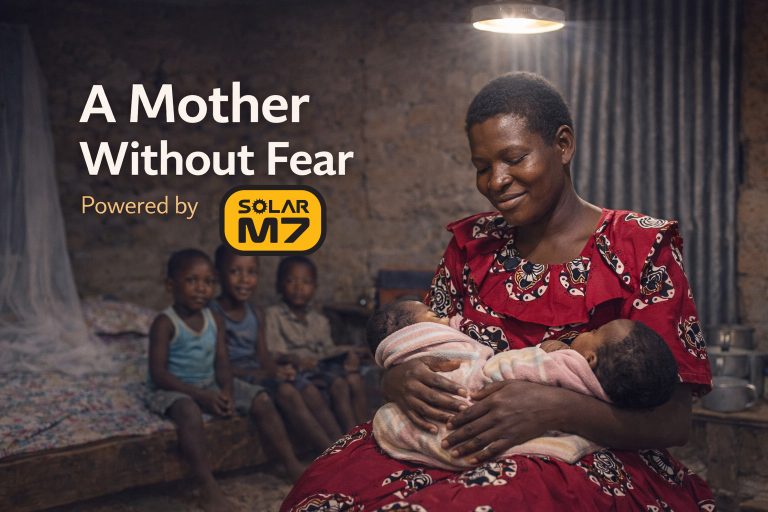
For Namukasa Margaret, motherhood once became terrifying in a single moment of darkness.

At 40 years old, the mother of four, including twins, spent her nights in Kasenge Nakawuka doing what mothers everywhere do: waking through the night to care for her children.

But one evening, everything changed.

As Margaret reached out in complete darkness to breastfeed her newborn baby, her hand touched something cold and alive beside the child.

It was not her baby. It was a snake.

In panic and terror, she screamed and fled the house with her older children as neighbours rushed to help. What should have been a quiet moment of motherhood became a nightmare that haunted her long afterward.

From that night on, darkness no longer felt ordinary.

Every shadow carried fear.

Every movement inside the house felt dangerous.

And caring for her children after sunset became emotionally exhausting because she could no longer trust what she could not see.

Then Solar M7 arrived. And for the first time since that terrifying night, Margaret began feeling safe inside her own home again.

Today, bright, reliable light fills every corner of the house after sunset. She now moves confidently while caring for her twins and children at night. The darkness no longer hides danger around her family. The fear that once controlled her evenings has slowly disappeared.

For Margaret, the transformation feels deeply personal.

“After the snake incident, nights became frightening for me,” she shared during her interview. “But now I can see clearly, care for my children safely, and sleep without the fear I once carried every night.”

According to Doreen Nanfuka, many mothers in underserved communities silently face dangerous living conditions made worse by lack of reliable lighting.

“When homes remain completely dark at night, mothers and children become vulnerable in ways many people never imagine,” Doreen explained. “Reliable light restores safety, confidence, and peace of mind inside the household.”

Innocent Kawooya says stories like Margaret’s reveal why energy access is also about protecting families from hidden dangers.

“Reliable light helps parents care for children more safely and confidently,” he noted. “No mother should live in fear simply because darkness makes her home unsafe.”

Today, nights inside Margaret’s home no longer feel filled with terror.

Her children sleep safely. The house feels secure. And in a home where darkness once turned motherhood into fear, Solar M7 is now helping restore something every parent deserves.

Safety. Peace. And the strength to nurture a family without fear.

Watch the full story of Namukasa Margaret from Kasenge Nakawuka, Uganda across our platforms:

YouTube
TikTok
Facebook
Instagram
LinkedIn
X/Twitter

#100DaysofSolar #SolarM7 #IncludeEveryone #EnergyAccess #HumanImpact #Nakawuka #Uganda #CleanEnergy #HiPipo