Home Blog Page 43

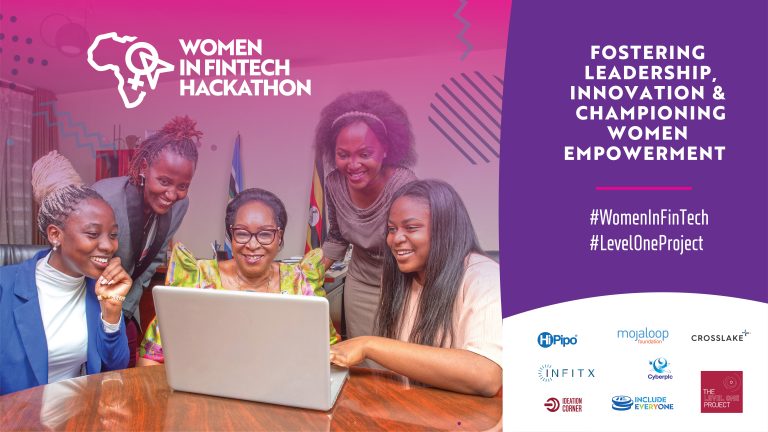
HiPipo opens registration for the 2023 Women in FinTech Hackathon.

0

Kampala, Uganda: Different reports indicate that Africa’s population is evenly distributed on sex and gender lines. Country Meters puts it at 50 percent for both women and men respectively while a 2021 World Bank report for Sub-Saharan Africa puts it at 50.2 percent in favor of Women and 49.8 percent for Men.

That said, there are glaring disparities when it comes to access to opportunities and resources. For instance, in 2021, less than 1 percent of foreign funding to Africa went to women-led enterprises.

As a way of addressing such inequalities, HiPipo, through its Include EveryOne Program, runs the annual Women in FinTech Hackathon, Summit, and Incubator project to especially empower women with the required digital and financial inclusion skills so that they can go out there; innovate, prosper, earn and develop their families and communities.

The cardinal purpose of these inter-twined initiatives is to champion women’s financial inclusion through active participation in the initiation, development, and rolling out of financial technology products that are well-tailored to serve women and everyone. And indeed, the HiPipo Women in FinTech initiative is exceptionally supporting efforts toward closing the Gender Gap in Access to Technology, Skills, and Usage of Digital Financial Services.

Between 2020 and 2022, the Women in FinTech Hackathon, Summit, and Incubator project attracted over 4,000 participants and directly trained more than 300 women. Through dedicated mentorship, many of these Women have since graduated as Software Engineers and Computer Science specialists. Some have ideated, developed, and launched Financial Technology products that are transforming their communities while others have received seed capital from both the project and external contributors to further pursue their dreams.

This success is thanks to HiPipo’s thoughtful Women Empowerment and Inclusion efforts, coupled with the commitment, collaboration, and active participation of its partners: Level One Project, Mojaloop Foundation, INFITX, Cyberplc Academy, Ideation Corner, and Crosslake Technologies. Even so, all this may have remained a pipe dream had it not been for the generous support of the Bill and Melinda Gates Foundation.

The fourth edition of the annual Women in FinTech initiative is here and will run between 10th August and 8th December 2023. First, the Women in FinTech Hackathon will run from 10th to 18th August while the Women in FinTech Summit will be held on 19th August. Meanwhile, the Women in FinTech Incubator will run from 4th September to 8th December 2023.

“It is fulfilling to witness the greatness that has come from this initiative. In the last two years, over 50 of our past participants completed their University degrees in software engineering and other computer science-related courses. This is a clear way of closing the gender skills gap in the digital innovation and Financial Technology spaces. Many have conceived and developed amazing products, others are working tirelessly to roll out their innovations,” Innocent Kawooya, the HiPipo CEO, noted while announcing this year’s Women in FinTech edition.
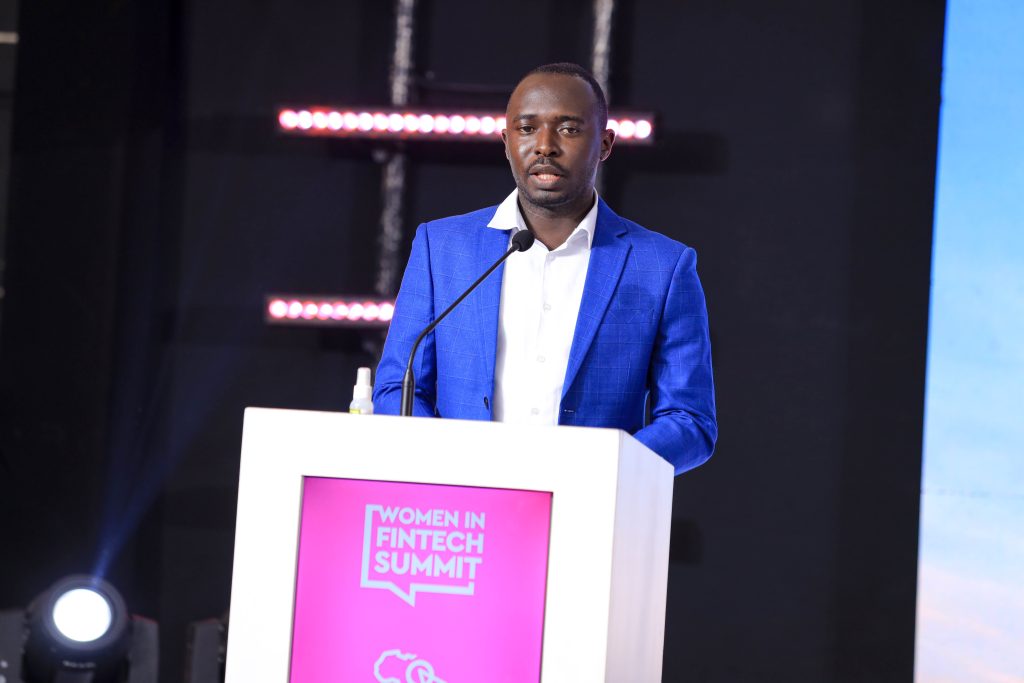
He added: “In 2023, we are looking at having even a bigger contribution to Women’s Financial Inclusion. As we did in 2022, we are including the entire East African region. We intend to decentralize the Hackathon so that we give a fair chance to interested participants from across East Africa.”

The hackathon is open to women-led teams of 2 to 4 members, with each team having at least 67 percent female composition.

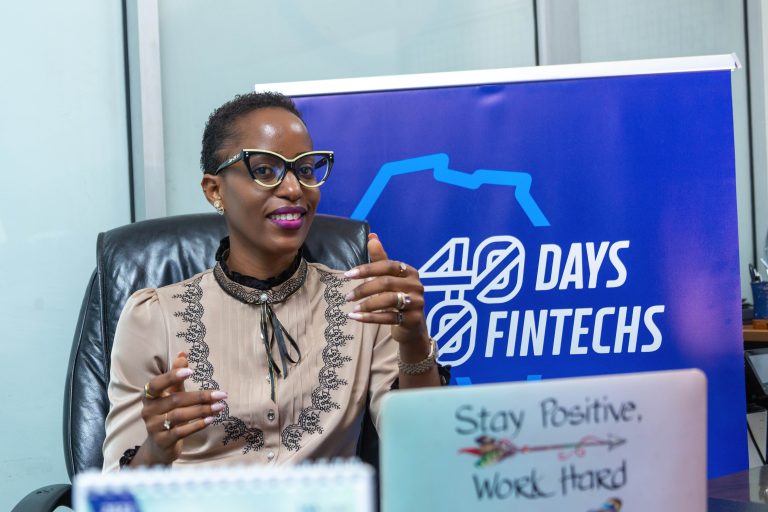
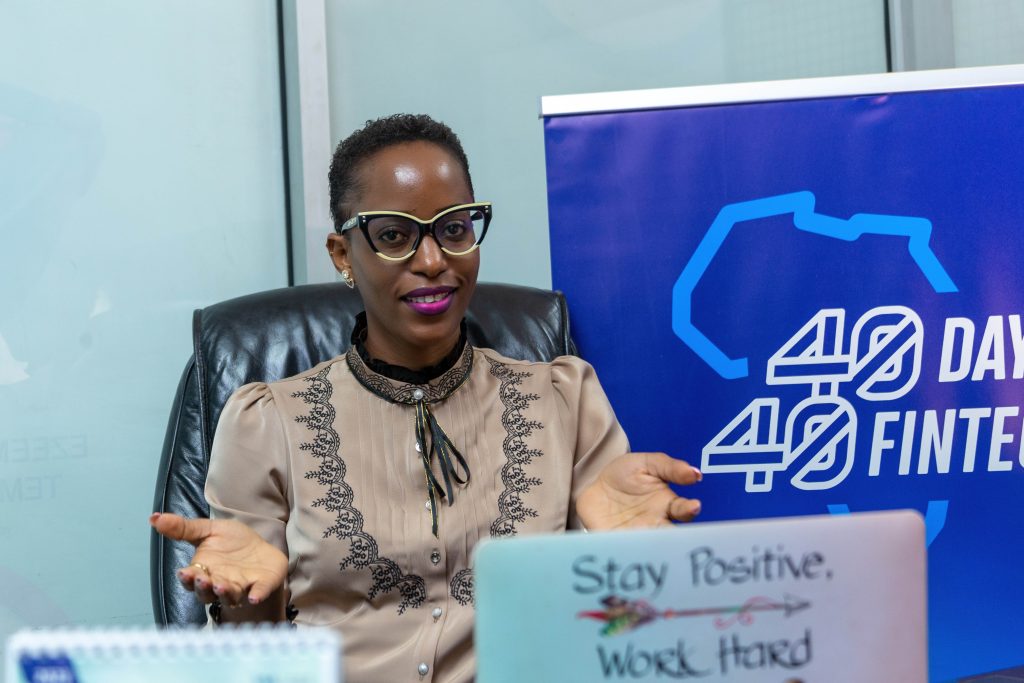
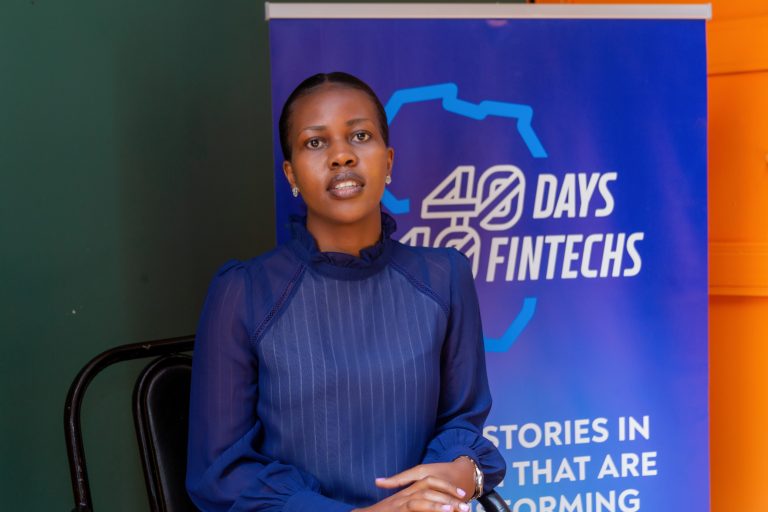
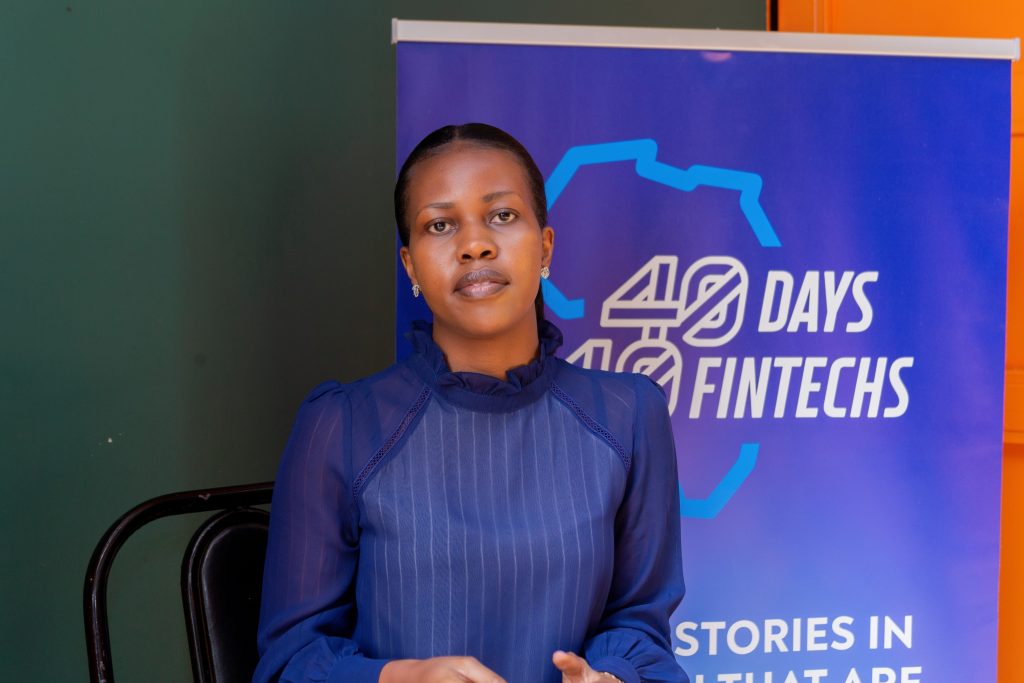
According to Charlotte Neeza, the HiPipo FinTech Events Manager; all interested participants only need to complete and submit the entry forms with details of their teams’ composition and the product they intend to innovate after which the organizing team will review each entry and revert.
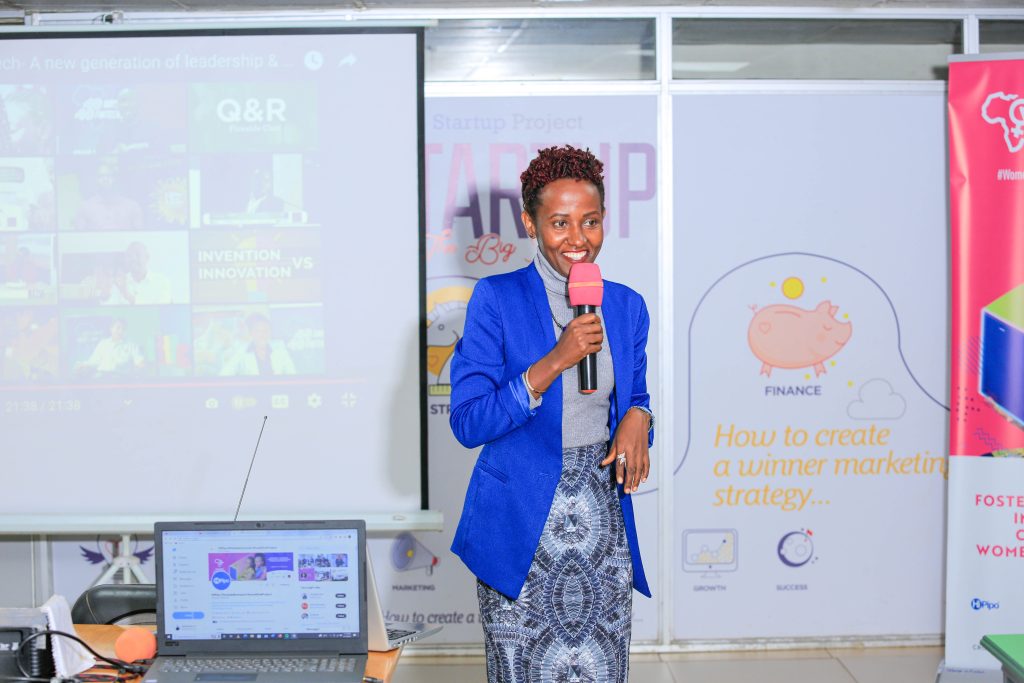
“The registration link is available and active until the end of July 2023. But because this is a very competitive, first-come-first-serve hackathon competition, we encourage all those interested to register at the earliest possible time,” Neeza said.

The Women in FinTech Hackathon will culminate in the Women in FinTech summit on 19th August 2023 where the best-performing teams and individuals from across East Africa will be announced and receive their share of the USD 10,000 collective prize money. This will be in addition to the winners automatically qualifying for the Women in FinTech Incubator program that will run from September until December 2023.

So, ladies; there you have it. Register your Team today and stand a chance to take part in this exciting Hackathon.

In case of any queries, reach out via socialweb@HiPipo.com

2023 HiPipo, Include Everyone Program Scope.
ProjectDate
40 Days 40 FinTechs20th April to 16th June 2023
FinTech Landscape Exhibition6th July to 7th July 2023
Women in FinTech Hackathon10th to 18th August 2023
Women in FinTech Summit19th August 2023
Women in FinTech Incubator4th September to 8th December 2023
Digital and Financial Inclusion Summit16th November 2023
Digital Impact Awards Africa17th November 2023

Ends.

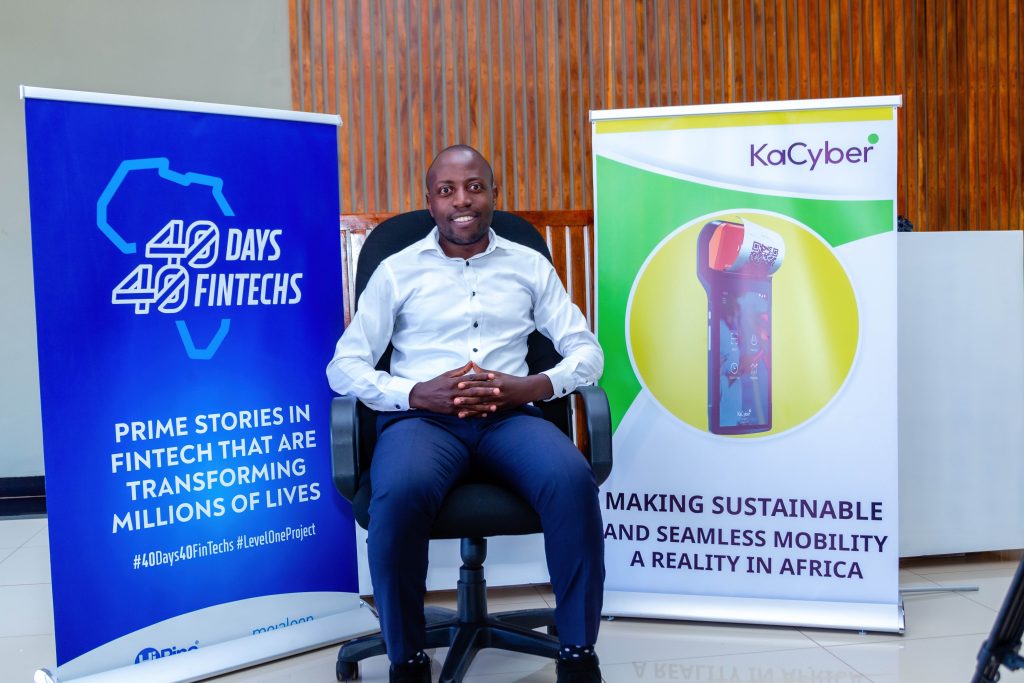
KaCyber has digitized travel tickets and eased bookkeeping in the Transport sector. #40Days40FinTechs Season 4 Day 19

Public transport operators in Uganda struggle to balance books because of the disorganization in this sector. There is no clear monitoring of either taxi conductors, bus, or train wardens. In the end, the business owners are affected by accountability issues which leads to losses in terms of ticketing collections.

Even on the side of passengers, it is very hard, especially for the bus sector for people to find out how to easily book and pay for tickets.

It is this hustle that KaCyber, a transport technology company, was designed to solve through digital ticketing and payment systems for buses, trains, and ferries.

Launched in 2019, KaCyber offers a robust digital ticketing and payment platform for the public transport sector that runs on mobile and desktop computers. To date, they have processed more than 11 million tickets across buses and trains in Uganda.

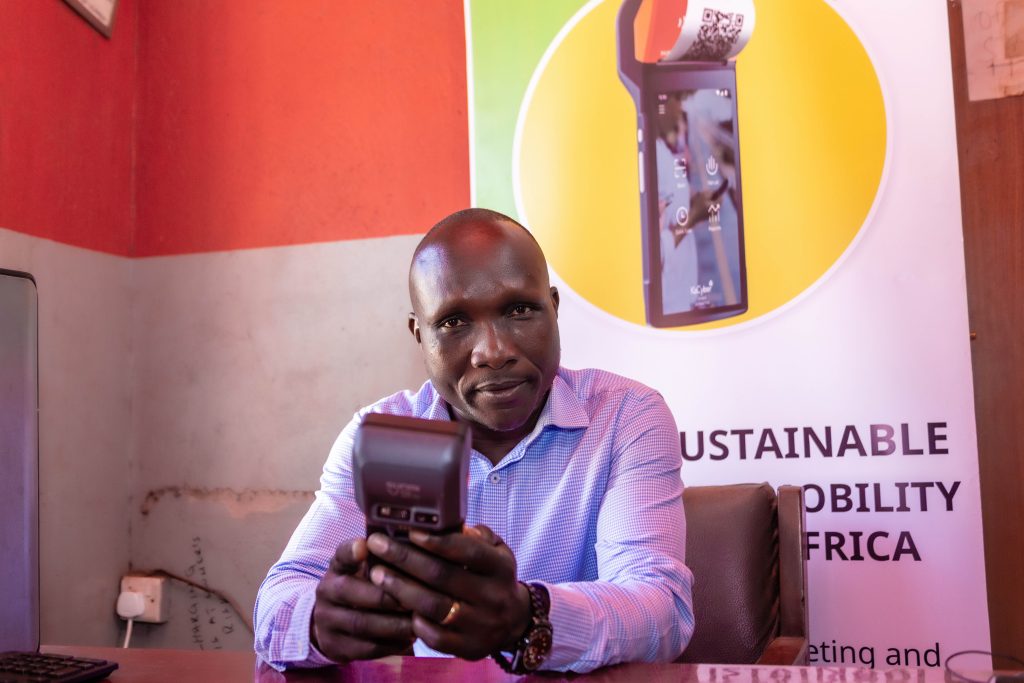
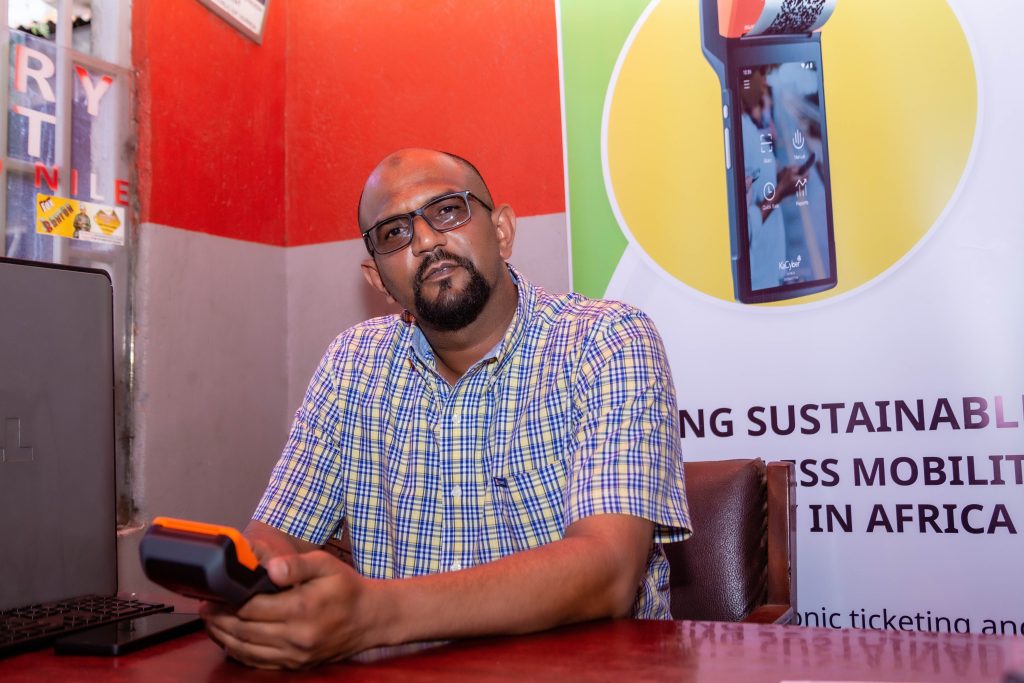
Innocent Orikiiriza, the founder and CEO of KaCyber, says that transport operators are provided with ticketing gadgets that run an Application that transport operators use to issue tickets to travellers and also monitor sales for those who book online.

“We are following the trends and payment technology advancements. The system we developed mutually supports online and offline modes. In offline mode, the POS machine that we provide has been integrated to support payment by cash, mobile money, and pre-paid cards,” he says.

“At the moment, we have different numbers that we measure and the 11 million tickets are worth Shs 200bn. This is the transaction value that we have managed to collect using our system with transport operator partners,” he says, noting that they plan to introduce infrastructure that would allow clients to be able to offer multi-booking services.

And transport operators are impressed with the service.

“This is a good venture and makes work easier because even if I am not in the office, I can assess the returns, and check their reports without any problem,” says Gaddafi Muki, the Manager of Nile Coaches, Kampala Branch.

Slow adoption.

Orikiiriza says that just like other sectors, operators in the transport sector are still stuck in the traditional way of doing things, which is slowing the adoption of digital services.

“Public transport is heavily informal and everyone has their way on how things move. We find it challenging to convince transport operators that they can adopt a full digital solution to provide E-ticketing services,” he says.

This is evident in the way transport operators are complaining about the many features that were added such as IDs, destination, starting journey, and next of kin.

“Initially, we used to do only the names and telephone numbers of customers. They have now added features of occupation, NIN, and signatures, which is a waste of time on a bus. KaCyber should not add more features because we are businessmen who must work fast with passengers. When you keep filling in many things, it wastes time,” says one bus operator.

Orikiiriza is however grateful to the 40 Days 40 FinTechs initiative that has improved the visibility of start-ups such as KaCyber and improved stakeholder engagement through activities that bring together all the key players.

KaCyber Technologies is the nineteenth participant in the 2023 40 Days 40 FinTechs initiative.

Now in the fourth season, HiPipo’s 40 Days 40 FinTechs initiative has become a household name in the financial technology space of the East African region. In the last three editions, more than 100 FinTechs have been showcased, highlighting stories changing people’s lives, especially in the under-served sectors.

HiPipo CEO Innocent Kawooya appreciated the impact created by the likes of KaCyber by easing the booking of travel tickets because this is in line with the principle of including everyone.

“This year our main focus is the impact of these initiatives on the people at the bottom of the pyramid. We are pleased with the success stories in the transport sector where people are beginning to appreciate e-ticketing for the smooth running of the business,” Kawooya said.

The 40 Days 40 FinTechs initiative is run by HiPipo in partnership with the Level One Project, Mojaloop Foundation, INFITX, Cyberplc Academy, Crosslake Technologies, and Ideation Corner with generous support from the Bill and Melinda Gates Foundation.

EzeeMoney makes payments easy for the end-users. #40Days40FinTechs Season 4 Day 18

In Uganda, the word survival makes a lot of meaning because many people live on a hand-to-mouth income cycle. So, every working day matters. If you don’t work, you don’t eat!

The same applies to utilities. It is very common to find households paying daily electricity bills or weekly pay-tv subscriptions. So, the cost of transactions in such payments also matters. They are always looking for the cheaper option.

That is a problem EzeeMoney was designed to solve. EzeeMoney is a financial technology solution dealing with both financial and non-financial services providers targeting people at the bottom of the pyramid.

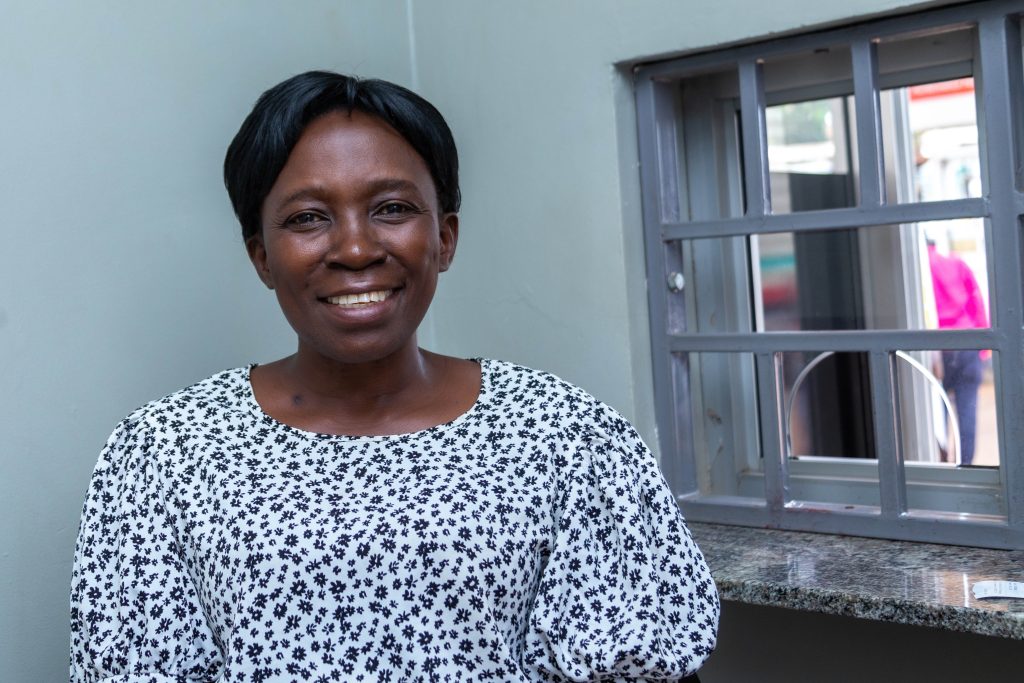
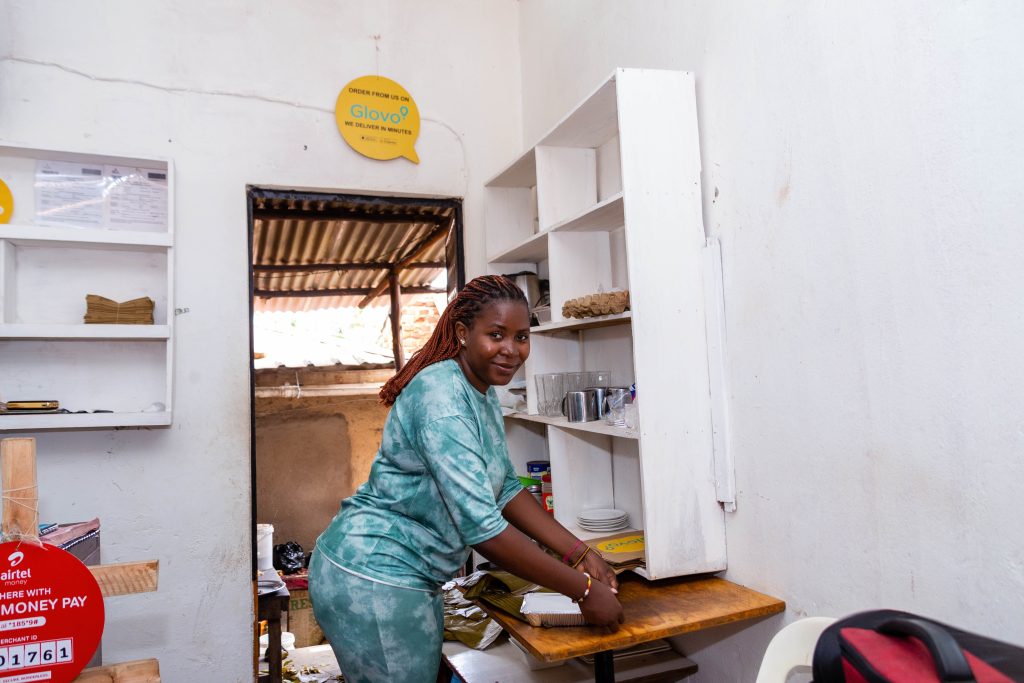
For instance, Miriam Mbambu, a manager at Grey Macy Finance in Bwaise, a Kampala suburb, says that people in her locality scamper for an EzeeMoney terminal at her place of work because of the low transaction costs compared to ordinary Mobile Money.

“People have found EzeeMoney easy and cheap. When their power is off, you see people rushing here to pay for Yaka, water bills, and TV subscriptions, among others,” she says.

According to Flavia Eleanor Kasenge, the Chief operations officer at EzeeMoney, their model lies in recruiting agents who purchase a terminal that is embedded with a bouquet of products that can be used for bills payment, payment collection, mobile money, airtime, and agency banking.

“On the non-financial side, we do tracking services and we track information in real-time. If you hold a case on the Jubilee card, we are the ones empowering it. It’s running on our platform,” she says.

EzeeMoney has been in existence for more than 10 years and Kasenge says this has enabled them to spread wings across many African countries where she says they have been part of bridging the digital transformation knowledge gap.

Regulated by the Bank of Uganda, EzeeMoney holds two licenses; payment service provider and operator.

“We are growing healthily. If you are to compare last year to date, we have grown by 10 percent,” she says.

Challenges

Kasenge says that one of the challenges they face is during the on-boarding of agents. During the Know-Your-Customer (KYC) process, many people lack the requisite information such as a national ID.

“Some people also don’t know where to find their LCs,” she says.

On top of this, there is a high turnover of agents who keep quitting their workplaces.

“Business owners always bring in new people that we have to keep retraining to close the knowledge gap,” she says.

On the part of agents, Mbambu from Bwaise says that the EzeeMoney terminals sometimes face network issues that disrupt business.

For instance, you make a deposit and it shows you that the transaction has failed yet it hasn’t yet you have given the money back to the customer. This leads to losses; The EzeeMoney team should talk to telecom companies to make sure the network is stabilized because while the services of EzeeMoney are good, the network affects them,” she says.

Nonetheless, Kasenge says that initiatives such as 40 Days 40 FinTechs by HiPipo have created a paradigm shift in people’s minds about the FinTech industry. This is because it creates great awareness of the FinTech space with the different products being profiled.

“We can innovate according to the end user. We can know what our neighbour next door is offering and how we can work together to serve people at the bottom of the pyramid,” she says.

“As innovators, we have something cooking; the EzeeMoney app which will go live soon. It is one of the key products that we are looking to send out in the market for people to be able to get their services right at their doorstep. We shall connect it with the banks for people to withdraw from their accounts through the app or make payments as and when they are comfortable.”

Ezee Money is the 18th participant in Season Four of 40 Days 40 FinTechs Initiative organised by HiPipo to shine a light on emerging Financial Technology stories changing lives.

According to Innocent Kawooya, the HiPipo CEO, this year’s initiative looks at the impact of FinTechs on the lives of end-users across East Africa.

This initiative is run by HiPipo in partnership with the Level One Project, Mojaloop Foundation, INFITX, Cyberplc Academy, Crosslake Technologies, and Ideation Corner with generous support from the Bill and Melinda Gates Foundation.

Social Lend Africa is using Technology to connect Borrowers to Lenders. #40Days40FinTechs Season 4 Day 17

For any businessman, anyone who can provide them with quick and cheap credit will definitely be their friend.

So, when Edward Mubangizi was introduced to Social Lend Africa, he saw it as a good opportunity to improve his supermarket business in Kisaasi.

“My friend told me that their financial services are friendly. I checked them out and downloaded their mobile Application. They requested to visit my businesses and they did it. They took a record of my stock and everything. The next step was asking me for the amount that I required,” he recalls.

Since then, Mubangizi has used the Social Lend platform without any challenges.

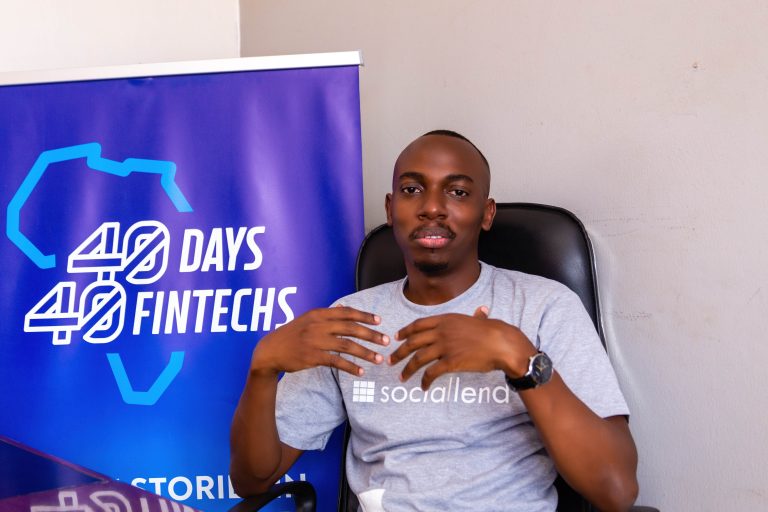
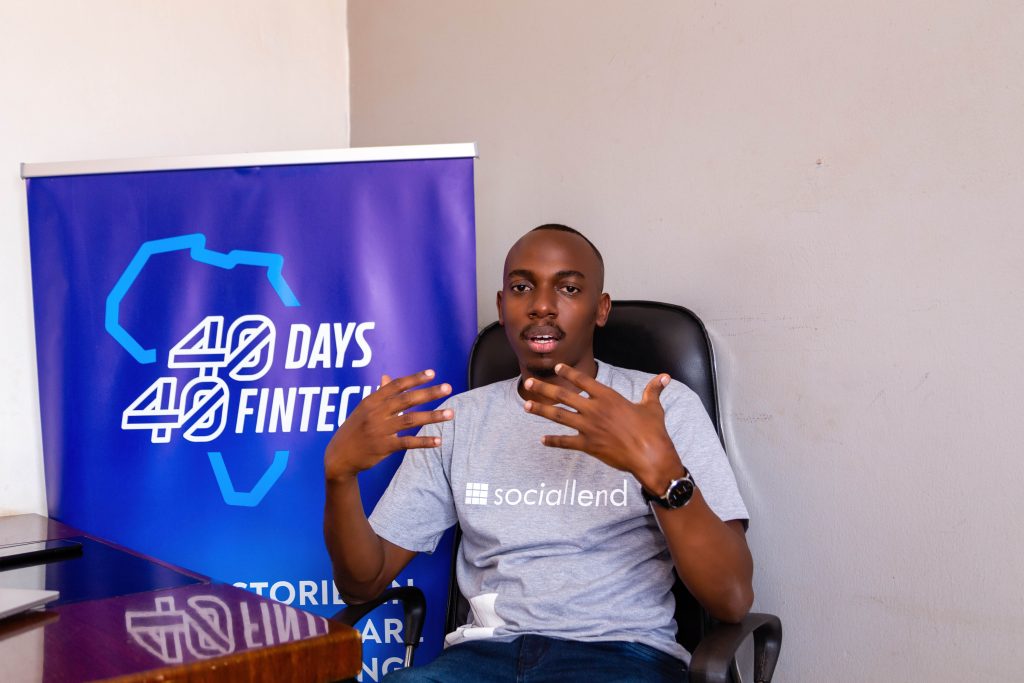
According to Marvin Peter Akankwasa, the CEO of Social Lend Africa Tech Limited, they came up with this digital lending peer-to-peer business marketplace to create a meeting point for lenders and borrowers.

“On one hand, we have borrowers who lack access to formal funding while on the other hand, we have lenders who lack operational processes to streamline their lending operations,” he says.

Akankwasa argues that at least 23 percent of the 1.5 million small businesses in Uganda are unable to access formal funding from financial institutions like banks.

“We have lenders who are engaged in predatory lending processes and lend with interest of up to 50 percent monthly,” he says.

Social Lend Africa brings different stakeholders together to create an equitable platform where both lenders and borrowers can get a fair deal.

“Borrowers get to borrow at affordable rates from 3 percent to 5 percent because most of their businesses, according to our survey, show that they don’t make more than 45% in their profit margin. Lenders get to enjoy our technology which analyses borrowers and scores them using smart algorithms so that they lend their money safely and profitably,” he says.

For a borrower to qualify, they must submit their contact and other Know Your Customer (KYC) information such as bio-data, national ID, and location.

“For businesses, we also take proof of business, ownership of the business, tax clearance certificates, and other compliance requirements,” Akankwasa says.

For lenders, all they need is proof of source of funds [is it employment or business].

“They don’t need a license to lend because we are already licensed to do that,” he says.

Akankwasa reveals that they have managed to put together a network of over 50 lenders and micro-lenders.

“We have reviewed over 3,000 loan applications and approved over 85 percent of them. We have also managed to get more than 900 downloads of the APP,” he says.

Akankwasa says that since they rely a lot on third-party aggregators who operate commission-based models, they are sometimes charged much more than they would love to.

“Some go as high as 3 percent. If a borrower is paying back about Shs 1m, then, they have to top up Shs 30,000 which makes using the platform incredibly expensive,” he says.

He is however happy that the 40 Days 40 FinTechs initiative is introducing a better community streamlining payments and making them cheaper and affordable for end-users.

Social Lend Africa is the 17th participant in Season Four of the 40 Days 40 FinTechs initiative organized by HiPipo to shine a light on emerging stories changing lives using financial technology.

This initiative is run by HiPipo in partnership with the Level One Project, Mojaloop Foundation, INFITX, Cyberplc Academy, Crosslake Technologies, and Ideation Corner with generous support from the Bill and Melinda Gates Foundation.

Life-changing stories from more than 100 FinTechs have been highlighted by this initiative in the past three years.

JUMO World Uganda has disbursed over 20m loans in five years. #40Days40FinTechs Season 4 Day 16

In March 2020, Uganda was placed under a total lockdown following the outbreak of the deadly Covid-19. Only essential workers such as security personnel, market vendors, and construction workers were allowed to continue working.

One such essential worker was Sarah Naluwagga Lubambula, a vendor at Kalerwe Market in Kampala. But Naluwagga says despite this allowance, business was very bad because all people were holed up in their homes.

“I needed a loan to boost my business but all money lenders had closed. Everything was a mess,” she recalls.

Then a friend introduced Naluwagga to Wewole, a quick-loan service powered by JUMO World Uganda for Airtel Money subscribers.

“He told me that I just needed to dial *185# and go straight to Wewole on number 8. After that, I would just ask for an amount that I wanted,” she says.

“On the first attempt, it was just a trial. When I got the Shs 20,000, I was surprised that it was real. I kept on increasing to Shs 30,000, Shs 50,000, and Shs 60,000 until I reached Shs 800,000.”

Naluwagga says Wewole transformed her business. It made life better because no matter what time, she would just go to her phone and get a bailout.

“My only challenge is the issue of high-interest rates; but besides that, we are very happy with Wewole.

Just like Naluwagga, Namuyiga Shamim who owns a restaurant in Kamwokya, is enjoying similar benefits through Mo Sente, an equivalent of Wewole for MTN Mobile Money subscribers.

“For me, I started using Mo Sente in 2022. We were in the hospital and our bill was too much yet we had little cash on us. We went to Mo Sente and got some money to clear our outstanding bill,” she recalls.

“The beauty about this service is that when you apply for a loan, your account is credited immediately.”

JUMO integration.

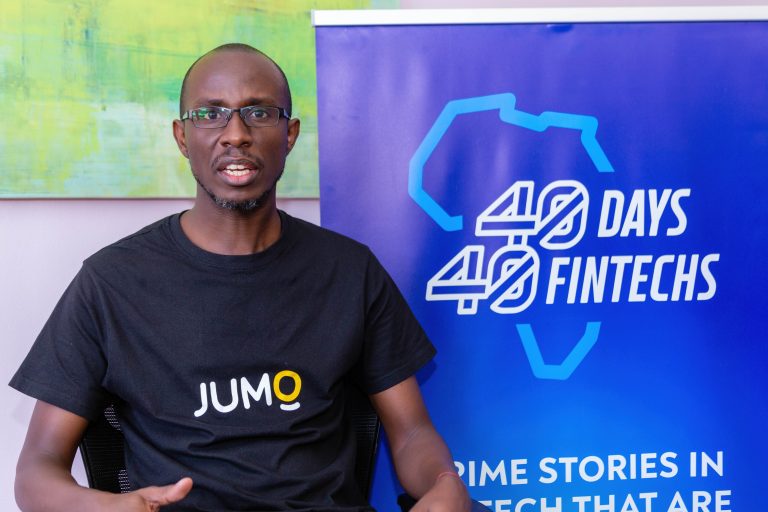
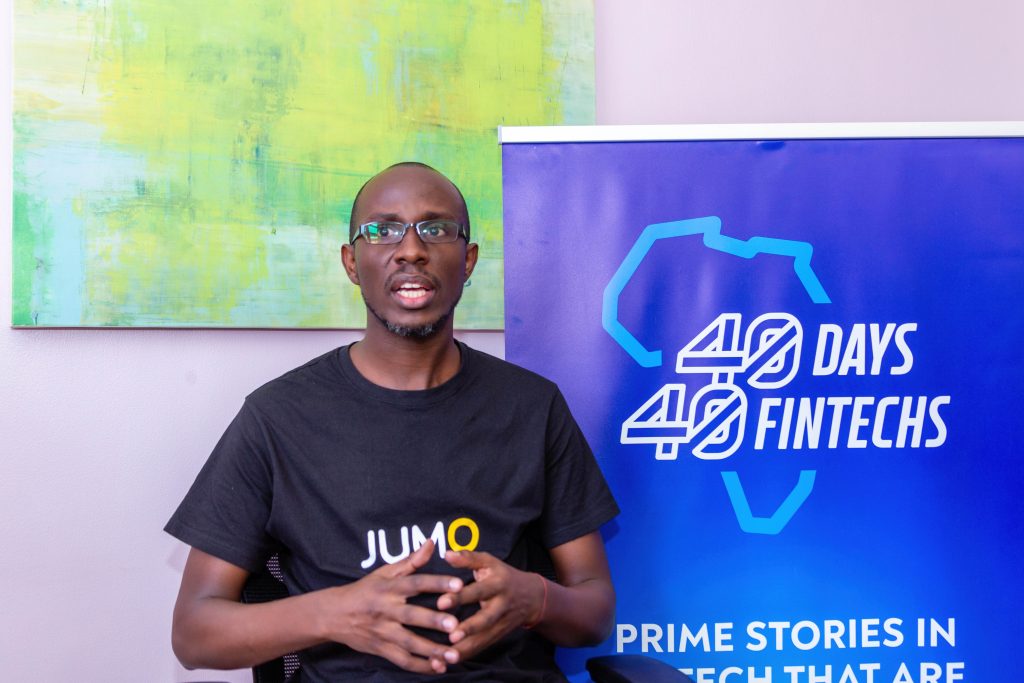
Wewole and Mo Sente are powered by JUMO, in partnership with telecom companies Airtel and MTN respectively. According to Wilfred Wabwire, the Country Manager for JUMO World Uganda and Kenya, JUMO specializes in integrating other platforms to enable them to offer loans, savings, and a wide range of financial choices to customers.

“The JUMO platform provides end-to-end banking as a service infrastructure by leveraging machine learning and data to reduce the cost and risk of lending. JUMO is solving the problem of lack of access to financial services for the majority of the people,” he says, noting that eligible customers have a repayment period of 14 days or 30 days.

“We have Wewole in partnership with Airtel Money. We also have the Mo Sente Access credit solution in partnership with MTN Mobile Money Uganda Limited. Customers can choose between the 14 and 30-day loan terms. Customers can borrow from as low as Shs 3,000. Customers with a good repayment history can potentially qualify for larger amounts,” Wabwire says.

He adds that for a customer to qualify for higher amounts, they have to pay their loan on time. They have got to continuously transact on their mobile money wallets as well as data and voice.

Multimillion loans.

Wabwire says that since 2017 when these products were introduced, JUMO has served about 3.4 million Ugandans.

“We have disbursed about 20.7 million loans with a value of about $280m. Six out of every 10 loans that JUMO disburses go out to MSMEs (Micro, Small & Medium Enterprises),” he says.

According to the UN Conference on Trade and Development, MSMEs contribute 80 percent to Uganda’s GDP. Essentially, JUMO is directly contributing to the growth of the economy in Uganda.

Another statistic Wabwire alludes to is the fact that one in every three borrowers on the JUMO platform is a woman while at least 50 percent of the JUMO borrowers are based in rural areas. This, for him, is creating an inclusive financial services sector.

“This is very important because traditionally, rural areas have been left out of traditional financial services. This is because the traditional infrastructure does not consider this sector [MSMEs] profitable,” he says.

“The JUMO platform can help customers no matter where they are located. Our loans are easy to access as long as a customer has got a phone. The loans are accessible via a USSD code which is available anywhere in the country.”

40 Days 40 FinTechs.

Wabwire says that the speed at which Ugandans and East Africans are coming up with innovations in the FinTech space has proven too fast for even the regulatory bodies.

“When you look at aspects such as regulation, they are always catching up with the innovations. In most cases, they never, probably, understand what is it that we are trying to solve,” he says.

He however applauds organisers of the 40 days 40 FinTechs initiative that is providing a platform for all stakeholders in the FinTech space to converge and share ideas.

“In the end, our customers will be able to know what we are solving and they utilize our innovation. Investors will also be able to know what we are solving and provide us with the much-needed capital in the sector,” he says.

JUMO World, Uganda is the sixteenth participant in the 2023 40 Days 40 FinTechs initiative.

HiPipo’s 40 Days 40 FinTechs initiative has become a household name in the financial technology space of Africa. In the last three editions, more than 100 FinTechs have been showcased, highlighting stories changing people’s lives, especially in the under-served sectors.

According to HiPipo CEO Innocent Kawooya, big players like JUMO World serve as an example to the emerging FinTechs that targeted innovations can indeed create a wider impact.

“JUMO World is now tried and tested. Their story tells us that when you identify an everyday problem and offer the right proposition and solution, success will look for you,” he said.

The 40 Days 40 FinTechs initiative is organized in partnership with the Level One Project, Mojaloop Foundation, INFITX, Cyberplc Academy, Ideation Corner, and Crosslake Technologies with generous support from the Bill and Melinda Gates Foundation.

My Doctor is using Telemedicine to provide equitable Healthcare to underserved communities. #40Days40FinTechs Season 4 Day 15

Antenatal care is one service pregnant women struggle to seek. Many expectant mothers actually wait to first get a pregnancy complication to go for antenatal monitoring. They just hate the inconvenience of visiting the hospital every now and then.

But what if this service was digitized?

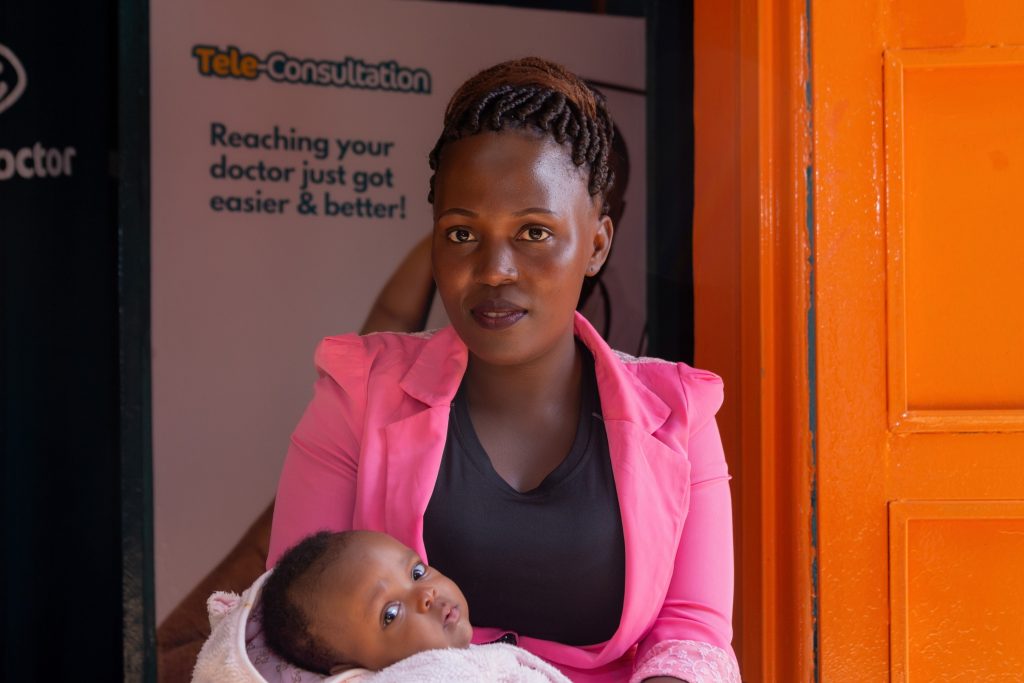
When Divinah Twinomujuni was pregnant last year, she went to My Doctor in Nansana, Wakiso District, Uganda where she was introduced to digital healthcare services.

“They told me I didn’t have to come to the hospital all the time. I would just talk to the doctor through the phone and he directs me on what to do,” she recalls.

In traditional medicine, a mother is supposed to have around six face-to-face antennal visits but at My Doctor, Twinomujuni was told that she could have a maximum of three face-to-face visits and the rest would be conducted via the phone.

“I just had to make regular video calls with the doctor. When my time for delivery came, I called the doctor and he immediately sent a car that picked me up from home to the hospital. I delivered my baby girl,” she says.

Twinomujuni has since been receiving digital postpartum care and she has no complaints.

“The baby is healthy and fine. After delivery, the doctors would call me on a daily for supervision and check on the baby,” she says.

My Doctor is a digital healthcare services platform that is transforming the traditional healthcare system like never before. Attached to a physical health centre, My Doctor is providing equitable healthcare services by ensuring that people, especially those with emergencies easily reach out to professional medical services providers either through a phone call or social media text, audio, and video.

According to Dr. David Mwesigwa, the Medical in-charge of My Doctor Digital Health Care Services, healthcare should be the most accessible service because it touches people’s lives.

“Every second of the day, a person should be able to access medical care. So, we introduced this digital platform, call it Tele-medicine/consultation, where patients can call in and consult a doctor from wherever they are,” he says.

How does it work?

When a client calls in, they are received by someone in the call centre who connects them to a doctor. The doctor then investigates the condition of the patient and if they have any medical records such as laboratory tests, they are required to share them via WhatsApp for review. Payments are made using mobile money.

“For those who require lab checkups, we reach out to them and collect the sample and run the test from our facility. We later deliver the results via a phone call and share reports for those with smartphones,” Dr. Mwesigwa says.

He adds that when they give a prescription, the patient has various options. Those that require injections can either come to the facility or a mobile medical team is dispatched to the patient’s residence. For those that don’t need injections, there is a delivery team that takes the medication to the patient.

New Normal.

According to Sharon Namboozo, the Business Development Officer at My Doctor, there is still a challenge to convince an ordinary Ugandan that they can get medical services through the phone or via the internet. This challenge is acerbated by the high costs of internet/data and the limited penetration of smartphones among Ugandans at the bottom of the pyramid – who are their main target.

“It is these challenges that are driving us to ensure that we create an online one-stop-centre for medical services,” she says.

“Every Ugandan should be able to digitally access a doctor, a midwife, nurses, and all the personnel that are available in a traditional healthcare facility. This should become the new normal.”

Namboozo says that My Doctor has assembled a team of professionals in various disciplines to handle all patient queries.

“We have been able to handle more than 1,000 patients through our digital platform, which is a good sign,” she says.

40 Days 40 FinTechs

My Doctor is the 15th participant in Season Four of the 40 Days 40 FinTechs initiative by HiPipo to shine a light on emerging financial technology companies.

“In addition to the visibility provided by the 40 Days 40 FinTechs platform, it is also providing My Doctor with connections with players in the financial and digital space like banks, telecom companies, and other FinTechs that we can work with in providing a comprehensive one-stop center for digital health care,” Namboozo says.

HiPipo CEO Innocent Kawooya says the service being offered by My Doctor is very critical when it comes to the principle of including everyone.

“My Doctor offers hope for people in a country like Uganda where healthcare is way below the required standards. This is a unique product that makes it convenient and affordable to seek medical advice,” he says.

The 40 Days 40 FinTechs initiative is organised in partnership with the #LevelOneProject, Mojaloop Foundation, INFITX, Cyberplc Academy, Ideation Corner and Crosslake Technologies with generous support from the Bill and Melinda Gates Foundation.