Home Blog Page 50

Buladde is evolving from ‘analogue’ to digital financial services

Our Reporter.

The outbreak of the Covid-19 pandemic in March 2020 was projected to be a short-term disruption but for some financial firms, it has triggered long-term changes on how to do business.

Buladde Financial Services is among the several financial institutions changing operations to suit customer preferences and the new ways of doing business.

Established in October 2016, Buladde seeks to provide an opportunity for its members to improve their security of tenure or ownership of land through voluntary savings and loans.

John Mark Ernest Golooba, the Buladde Financial Services Manager, describes the pandemic as a blessing in disguise because it paved the way for faster digital uptake. The restrictions on movement during the lockdown and the need to work remotely forced management to think differently.

“When we started, we were faced with a challenge of lack of a system in place. We were doing normal excel sheets and analogue-based system. So, we migrated to a digital system in 2021. We wanted to do this before but due to COVID, we were delayed,” Golooba notes, adding:

“The digital platform is meant to extend our services to members without the physical interface. You saw the challenges of the pandemic such as restricted movements but also, we found it costly for people to move as areas of operations were out of reach.”

“So, digital services were very important in ensuring that our members are served better. We migrated to an online system and we have been cleaning our data to have all the required information to serve them better.”

According to Golooba, Buladde currently has 2,459 active members including about 1,600 who are accessing credit services.

He explains that loans being serviced by its members amount to over UGX1.8 billion. The loans were given to ensure that the members have access to affordable credit facilities for the betterment of their social, economic, and financial conditions.

Buladde Financial Services is participant number 27 in the 2022 40 Days 40 FinTechs initiative, organized by HiPipo in partnership with Mojaloop, ModusBox, Crosslake Technologies, Level One Project, and supported by the Gates Foundation.
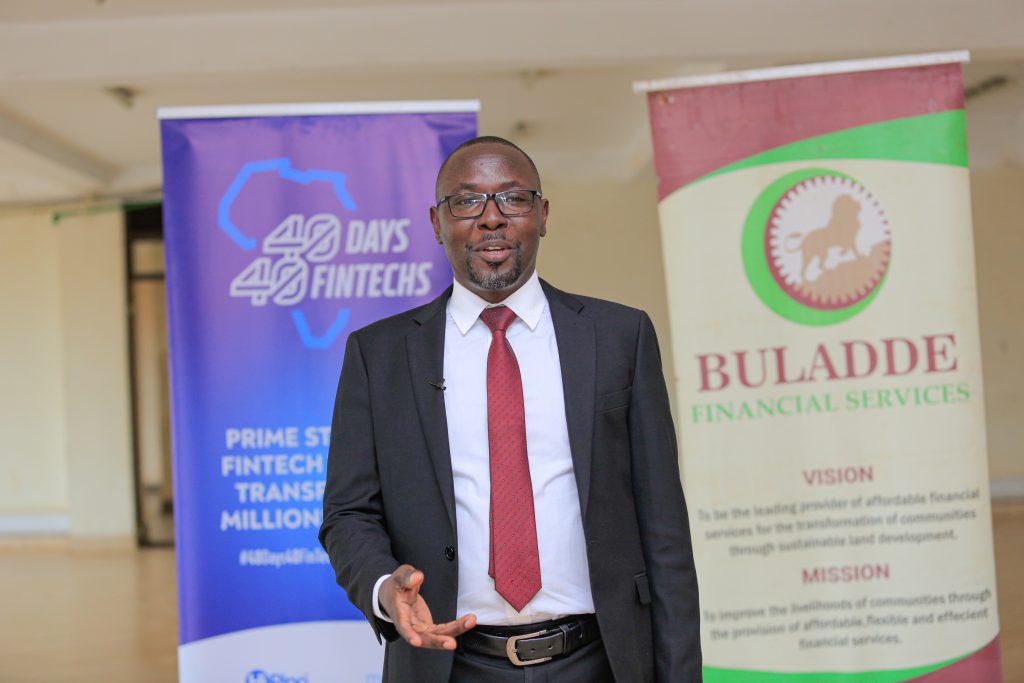
Golooba is appreciative of the initiative noting that it is helping players learn more about digital financial services. He nonetheless notes that the costs involved in digital financial services are a hindrance to faster adaption, an issue that further delays financial inclusion.

Run under HiPipo’s Include Everyone program that also encompasses other initiatives such as FinTech Landscape Exhibition, Women in FinTech Hackathon, Summit & Incubator and the Digital and Financial Inclusion Summit and Digital Impact Awards Africa; the #40Days40FinTechs platform aptly provides a setting for the various players and stakeholders involved in digital and financial technology to exhibit their products & Services and also share their ideas on how more of us, especially those unserved and underserved by the present financial systems, can be brought into the fold.

The 40 Days 40 FinTechs initiative offers participants useful tools and an introduction to industry’s emerging technologies, such as Mojaloop Open Source Software, and guidance from Level One Project foundational material. The skills gained from this initiative cover Level One Project Principles, Instant and Inclusive Payment Systems (IIPS), Inclusive Finance and FinTech in general.

Innocent Kawooya, the HiPipo CEO applauded Buladde Financial Service for the progress achieved so far, noting that in the last three years Buladde has grown from a pure cash organization to cash-lite currently.

“When we first engaged Buladde, they were largely a cash organization. However, Golooba and his team have been committed to transforming the organization. It is not surprising that they have now introduced a digital financial management system. We are committed to continuing to help organizations like Buladde in their efforts to achieve total digitization,” Kawooya said, adding;

“Despite the rapid adoption of digital financial services, an average of 40 percent of Africa’s adult population remains financially excluded. Financial exclusion continues due to the lack of interoperable, open-loop, cost-effective, real-time and secure retail payments systems/switches to digitally connect large numbers of low-income users onto formal financial rails. The 40 Days 40 FinTechs initiative is accelerating discussions on building industry-led Instant and Inclusive Payment System (IIPS) across the East African region and continent.”

Kanzu Code is using FinTech to help Saving and Investment Clubs manage their Funds better

Our Reporter.

One of the main reasons for the early collapse of villages Saccos and Investment groups is poor book keeping. Hell breaks loose whenever the Sacco treasurer loses or conveniently misplaces the company ledger which in turn means there is no track of members’ savings, loans, etc.

To save such groups from the mayhem that arises out of these scenarios, Kanzu Code, a software development company and FinTech, introduced Kanzu Banking; an online solution that eases financial management.

According to Peter Kakoma, the CEO of Kanzu Code, this platform helps these institutions to manage finances seamlessly in a simple, easy-to-use interface that makes it very possible for them to be evaluated on their viability as entities to invest in.

“More importantly, it increases chances of getting credit from an external institution because if they come in and want to verify your records, you don’t need to pull out a stack of books,” Kakoma says.

Kanzu Code is a technology company that builds inclusive financial solutions for businesses and communities both locally and internationally. For over eight years, they have built customized solutions, websites, mobile applications and enhanced platforms for big organizations such as MTN and NSSF.

“We have served 100 customers in various parts of the world. A substantial percentage of those, over 80 per cent, have been in the US. Locally, with our Kanzu Banking, we are currently serving over 2,000 end users on our platform. Though, right now we are in the process of onboarding over 500 Saccos through a partnership we have with a local bank. So, we are going all over the country and doing that onboarding,” Kakoma explains.

He notes that their current flagship product of Kanzu banking seeks to help women and youths because this is the segment mostly involved in the unbanked micro businesses, constituting more than 60 per cent of village Saccos.

“Many of these women don’t have the profile that would allow them to get credit from traditional financial institutions yet they are five times more likely to get a loan from a Sacco or a village loan and saving scheme to help their business and boost income at home,” he says.

“If you are in an investment club, a Sacco, or money lending business, you need a platform like ours to take you from where you are to the next level in managing your financial portfolio and just make it easy to run that entire entity.”

However, while Kanzu Banking makes it extremely easy for a common person to join, they require some information before one accesses certain credit facilities – following the Know Your Customer (KYC) principles.

But the most important advantage is that they offer same-day settlements.

“Prior to using a platform like ours, you would have challenges where you apply for a facility and takes a bit of time before you can get access to it. So, our system has made such aspects like same day settlements possible,” he says, noting that delays may usually arise if a given Sacco does not have the float to dispense to a loan applicant.

State of Uganda’s FinTech Industry.

Kakoma says that although there are certain steps taken, Uganda’s FinTech industry is still in its infancy.

“There are still areas that have not been digitized like the savings space that will allow people to earn an interest and make micro savings. Even in the lending space, it still has areas that can be explored. You can also look at the insurance space where micro insurance opportunities have not been explored to the extreme. If you are to look down much further or higher at the crypto space and Web 3 technologies – I think these are also other spaces that offer opportunity because it brings in lower costs, decentralization, etc.,” he says.

The high cost of internet and limited reach, according to Kakoma, remains a huge challenge on top of the regulatory issues.

Kanzu Code is participant number 26th in the 2022 40 Days 40 FinTechs initiative. Kakoma appreciates this initiative and opportunity presented by HiPipo and its partners, noting that through the 40 Days 40 Fintechs initiative, a spotlight is shone on the FinTech Industry and Financial Inclusion in general.

“As these stories are shared, people relate with them and appreciate the power of technology. The more we can make those dots to connect, we can see the benefit of technology beyond the social media aspects of WhatsApp,” he says, before welcoming the idea of making the 40 Days 40 FinTechs initiative regional.

The #40Days40FinTechs platform is run under HiPipo’s Include Everyone program that also encompasses other initiatives such as FinTech Landscape Exhibition, Women in FinTech Hackathon, Summit & Incubator and the Digital and Financial Inclusion Summit and Digital Impact Awards Africa.

The platform aptly provides a setting for the various players and stakeholders involved in digital and financial technology to exhibit their products & Services and also share their ideas on how more of us, especially those unserved and underserved by the present financial systems, can be brought into the fold.

It also offers participants useful tools and an introduction to the industry’s emerging technologies, such as Mojaloop Open Source Software, and guidance from Level One Project foundational material. The skills gained from this initiative cover Level One Project Principles, Instant and Inclusive Payment Systems (IIPS), Inclusive Finance and FinTech in general.

HiPipo CEO Innocent Kawooya says this year’s edition is cementing the successes of the previous editions – where over 60 FinTechs have been transformed – but also building on them to leverage digital financial inclusion in East Africa and beyond.

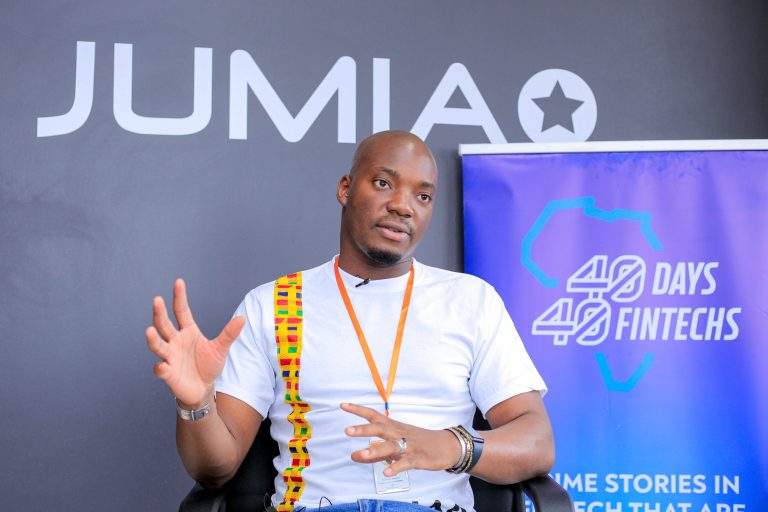
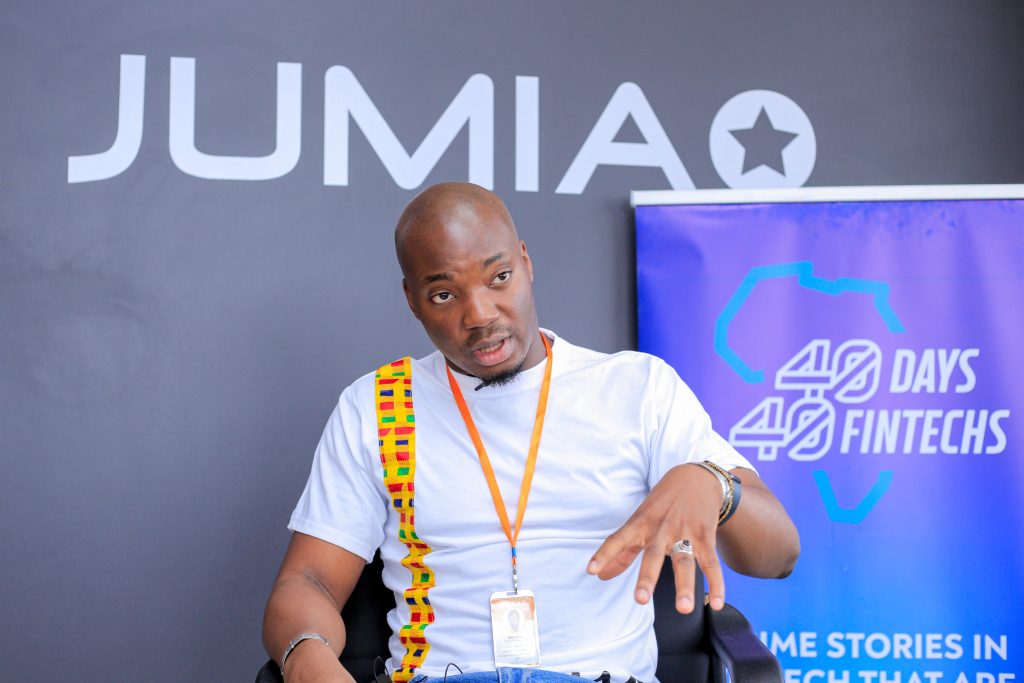
Jumia brings E-commerce, Logistics, and Payments under one roof

Our Reporter.

When Uganda, just like most parts of the world was put into a total lockdown following the outbreak of the Covid-19 pandemic, most businesses were forced to either digitize their services or risk an abrupt closure.

But for Jumia Uganda, the lockdown was just an added ingredient to their burgeoning business because this pandemic sparked off an inevitable digital shopping ‘spree’.

With the Jumia online marketplace, accessible through both the APP and website, customers scrambled to access all goods right from food deliveries to groceries to electronics, appliances, and pharmaceuticals at affordable rates in the comfort of their homes.

And for Mori Sylla, the Jumia Pay Country Manager for Uganda, now that Covid-19 has removed the digital adoption barrier, they are currently concentrating on improving the customer experience through innovation.

One such innovation is the Jumia Dark Stores spread across Metropolitan Kampala that mainly target bringing the turnaround time for all deliveries to within 20 minutes of placing an order.

“One of the main challenges of online shopping is the waiting time on the side of the customer.  So, with these stores in every part of the city, you can order an item and get it delivered within 15 or 20 minutes efficiently,” Sylla said in a recent interview.

Sylla noted that the other innovation targets vendors in the Jumia ecosystem. Because many people were hit by the pandemic and its aftermath, Jumia introduced a credit system where registered vendors can access quick and instant digital loans to serve as working capital and keep their businesses afloat.

Another innovation is Jumia Pay; the FinTech App of Jumia. Jumia Pay is currently present in 8 countries and is ready to become the alternative payment platform in Africa.

The Jumia Pay application serves two other roles including processing payments for Jumia Mall and Jumia Food as well as facilitating customers to buy things like airtime and data (currently active in Nigeria).

Budding Industry with so much Potential.

Jumia is undoubtedly one of Uganda’s biggest online marketplaces and Sylla noted that its target is to bring more Ugandans into the online payment space and ultimately become a one-stop center for online businesses.

“Uganda’s e-commerce has a lot of potential because of the positive reception by customers and the young population. Jumia food mart is growing and we have seen competitors coming into the market and doing very well. We are partnering with more players to grow together,” he explained, but nonetheless highlighted the ever-rising inflation as one of their biggest challenges.”

40 Days 40 FinTechs.

Jumia is the 25th participant in this year’s 40 Days 40 FinTechs initiative that offers participants useful tools and an introduction to the industry’s emerging technologies, such as Mojaloop Open Source Software, and guidance from Level One Project foundational material. The skills gained from this initiative cover Level One Project Principles, Instant and Inclusive Payment Systems (IIPS), Inclusive Finance and FinTech in general.

Sylla applauded the 40 Days 40 FinTechs initiative for bridging the gap between different players thus allowing partnerships and knowledge to be shared among players in addition to publicizing information that enables the general public “to know more about Financial Technology and its role in financial inclusion.

According to the HiPipo CEO, Innocent Kawooya, digital innovators and FinTechs around East Africa should embrace season three of the 40 Days 40 FinTechs initiative for it covers physical destinations in Uganda, Kenya, Tanzania, Burundi and Rwanda.

Kawooya added that this year’s edition is cementing the achievements of the previous editions – where over 60 FinTechs were transformed – but also building on them to leverage digital financial inclusion in East Africa and beyond.

The #40Days40FinTechs platform is run under HiPipo’s Include Everyone program that also encompasses other initiatives such as FinTech Landscape Exhibition, Women in FinTech Hackathon, Summit & Incubator, and the Digital and Financial Inclusion Summit and Digital Impact Awards Africa.

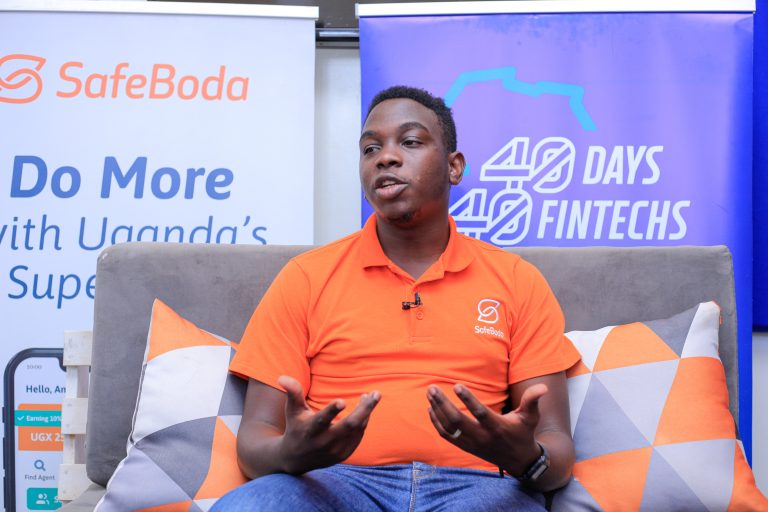
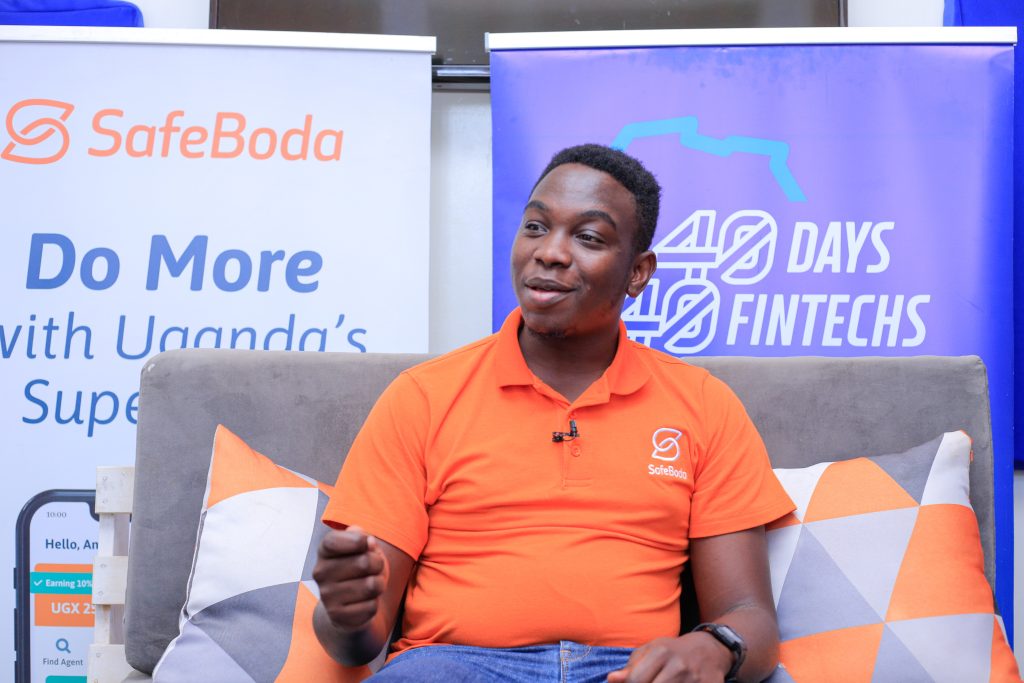
SafeBoda has transitioned into a Super Transport and FinTech APP

Our Reporter.

The word ‘SafeBoda’ is now a household name for the majority of Ugandans who especially use Boda Bodas – motorcycles for movement in Kampala Metropolitan region. For many Ugandans, riding on a boda boda used to be an unsafe experience because the riders were reckless, didn’t have customer care and you couldn’t bargain because you didn’t know the right price for your trip.

But ever since its entry into the Ugandan market in 2015, SafeBoda has by far revolutionized the boda boda business with uniquely identifiable personnel, fair prices, road discipline, and a trustable workforce.

According to Christian Wamambe Mayeku, the Head of Financial Innovations at SafeBoda, health and safety were the blueprints behind building a successful boda boda hailing business in Uganda that has grown from two riders in 2015 to over 26,000 riders in 2022.

“We introduced transparency because the rider and customer are able to know the fair price for a trip. We have trained riders in safety, they have two helmets and do not speed through cross-sections, they stop at traffic lights and really try to provide as much safety as possible,” he explains, noting that they have since entered new markets like Ibadan in Nigeria and the business is growing because the demand for such a service is great across Africa.

Wamambe says SafeBoda’s vision is to provide affordable and convenient services to people in African cities. To do that, they have had to evolve from just a ride-hailing app into a super app.

“With your SafeBoda App today, you can do a lot beyond ordering a Boda Boda. You can pay for electricity, water bills, airtime, and order from a shop or supermarket or restaurant – all using an affordable app,” he says.

On top of that, SafeBoda now has a growing Agents’ network that makes transactions even much easier.

“In January, we were granted a license by the central bank to create an agent network. So, the goal of this is to help people who do not have a smartphone or access to financial services,” he explains.  

Wamambe says a person can walk to a SafeBoda agent and buy or pay all their bills at an affordable rate. This segment is also growing because they are the same shops that do mobile money, agent banking and all sorts of businesses. So, SafeBoda is tapping into them by giving them a new way of making money.

The other ever-growing product that SafeBoda is offering is Food and Shop. Here, they partner with recognized restaurants, shops, and value chains like KFC to provide services to people. Riders are able to earn extra income by delivering food and goods to clients at very affordable prices.

40 Days 40 FinTechs

Wamambe notes that while the FinTech environment is on the rise, the main challenge is that the market is still very fragmented, thus the high transactional costs.  

“But we are seeing a convergence. Telecoms are starting to work closely with banks and FinTechs and the government is paying attention to addressing all these barriers… We will in the future become like Safaricom in Kenya where it is very easy to move money across your telecom line or your bank account or in the US where money is moving swiftly,” he says, before appreciating HiPipo for the third edition of 40Days40FinTechs initiative that has brought awareness about the FinTech industry and Financial Inclusion in general.

“For many people, it is the first platform where you get to know the little FinTechs that are doing great for their customers. This helps them forge partnerships with larger players like banks and multinationals to grow their impact to society,” he says.

SafeBoda is the 24th participant in this year’s edition of #40days40Fintechs.

According to HiPipo CEO Innocent Kawooya, FinTechs such as SafeBoda are testament to the fact that the digital business can survive and thrive.

“SafeBoda started with two riders and now has more than 26,000 riders that serve over one million clients. This proves that our people can ably adopt digital products if they are convenient, affordable and user-friendly,” he said.

Kawooya added that this year’s edition seeks to cement the achievements of the previous editions – where over 60 FinTechs have been transformed – but also build on them to leverage digital financial inclusion in East Africa and beyond.

The #40Days40FinTechs platform is run under HiPipo’s Include Everyone program that also encompasses other initiatives such as FinTech Landscape Exhibition, Women in FinTech Hackathon, Summit & Incubator and the Digital and Financial Inclusion Summit and Digital Impact Awards Africa.

It also offers participants useful tools and an introduction to the industry’s emerging technologies, such as Mojaloop Open Source Software, and guidance from Level One Project foundational material. The skills gained from this initiative cover Level One Project Principles, Instant and Inclusive Payment Systems (IIPS), Inclusive Finance and FinTech in general.

Flutterwave is creating endless possibilities for businesses through seamless payments

Our Reporter.

In 2021, Flutterwave received worldwide recognition for becoming an African FinTech Unicorn. By definition, a unicorn company is a startup with a valuation of over USD 1 billion.

Founded in 2016 in Nigeria, Flutterwave has since grown into a global Fintech company that provides an interoperable payment infrastructure for global merchants and payment service providers. According to a report by Aljazeera, Flutterwave has processed transactions valued at more than USD 16 billion in dozens of African countries.

We recently had a chat with Arnold Kwesiga, the Flutterwave Country Operations and Partnerships Manager for Uganda. Below is what he had to say on how this organization is enhancing Financial Inclusion, empowering Women, and supporting Businesses.

QN: To those watching you for the first time, what is Flutterwave and what do you do? 

ANS: Flutterwave is a FinTech company that provides a payment infrastructure for global merchants and payment service providers. We provide a one-stop platform for businesses to be able to receive/make payments through various avenues such as mobile money, and cards (debit and credit). 

Our primary goal is to create endless possibilities through payments for businesses globally but with a special focus to grow in the African continent. 

QN: For the time you have been in business, how do your numbers look like?

ANS: We look at our numbers from a global view. Since our inception, we have processed over 200M transactions worth over USD 16B to date and serve more than 900,000 businesses including customers like Uber, Netflix, Flywire, Booking.com, etc. Uganda contributes to these numbers as it’s a key market for Flutterwave and we are working to ensure we support more businesses in the country including those expanding here.

QN: As a FinTech unicorn, what are you doing to enhance Women’s Financial Inclusion considering that women remain the least included? 

ANS: Women are a key part of Flutterwave and our products ensure more access to digital financial services for women to drive their businesses and growth. We work with partners like the UNCDF and most recently ​​women in Tech Uganda (WITU)to discuss how we can partner and drive initiatives that strengthen women’s financial and digital literacy.

QN: As an entity actively involved in the FinTech space, are you implementing Level One Project Principles which are Industry Best Practices such as Tiered KYC, Low-Cost User Devices, Real-time/Immediate funds transfer, Same-day settlement, Pricing Transparency and Irrevocability?

ANS: By virtue of the fact that we partner with multiple service providers, from banks to telcos and aggregators, we are limited in what we can do despite the ambition.

Ultimately the call is to always ensure that our merchants experience no inconveniences, which might include ensuring that they are settled at the earliest possible time. Notwithstanding, in our quest to address the pain points of our customers we do not compromise on adhering to the regulations that govern treating customers fairly or the duty of due diligence for example minimum KYC requirements & pricing transparency. 

QN: What is the state of Uganda’s Fintech industry? Where are the opportunities and which are the challenges? 

ANS: Globally, Uganda ranks 172nd on Gross National Income (GNI) and 116th on the Network Readiness Index (NRI) according to the World Bank and the Portulans Institute, respectively.

The main driver of this is influenced by the 49 percent mobile penetration and 16 percent smart phone adoption which is higher than that of Rwanda and or South Africa.

A key driver for Uganda’s inclusion in the digital economy is mobile money which unlike other digital economies does not require smartphone penetration. As such, we as Fintechs due to our agility are making strides towards increasing this digital transformation scope knowing full well the perceptions of our target audience, but without compromising on the need to harness the potential to do the futuristic stuff. 

Among the key opportunities is the fact that a large portion of traders and consumers is still cash-driven. Working to have digital wallets is the next horizon for e-commerce players.

Secondly, the COVID-19 pandemic led to an uptake of cashless services; however the general decline in economic growth means that the increased adoption has not fully translated into commercial gains. 

That said, the KYC process remains a big challenge for Fintechs. The government has an opportunity to use the national registries to provide data points for Fintechs to carry out KYC checks that will match the generally accepted standards without compromising the ease of onboarding for the day-to-day customer.

QN: In your opinion, how does the 40 Days 40 Fintechs initiative support the industry? What else needs to be done?

ANS: There is no doubt that the 40 Days 40 FinTechs initiative brings together like-minded digital finance practitioners from all walks of life to share experiences, synergies, and most importantly opportunities for interoperability. 

All other stakeholders, (the regulator, UCC, NITA) need to be drawn into the conversation (initiative) to understand the bottlenecks of the Fintechs and commit in their respective jurisdictions to address or ease entry, existence, and prosperity as we all play a vital role in the digital mission of the country.

40-Days 40-FinTechs.

Now in its third edition, #40Days40FinTechs has quickly grown into one of the world’s premier showcase events for the innovations that are enabling ever more people to join the digital economy space. It is organized by HiPipo in partnership with Level One Project, Mojaloop, ModusBox, and Crosslake Technologies and generously supported by the Gates Foundation.

The 40 Days 40 FinTechs initiative offers participants useful tools and an introduction to the industry’s emerging technologies, such as Mojaloop Open Source Software, and guidance from Level One Project foundational material. The skills gained from this initiative cover Level One Project Principles, Instant and Inclusive Payment Systems (IIPS), Inclusive Finance and FinTech in general.

According to HiPipo CEO, Innocent Kawooya, this year’s edition is cementing the achievements of the previous editions – where over 60 FinTechs have been transformed – but also building on them to leverage digital financial inclusion in East Africa and beyond.

“40 Days 40 FinTechs initiative is bringing together DFSPs and stakeholders (including regulators and development partners) to drive discussions on building instant and inclusive payment systems that will solve the most emerging challenges that limit low-income users from onboarding onto formal financial platforms,” Kawooya said, adding; . “Thanks to initiatives like 40 Days 40 FinTechs and Level One Project among others, DFSPs, and FinTech stakeholders across Africa will soon gain access to fully functional IIPS regulatory sandboxes to prototype, build and test innovative digital products while evaluating Mojaloop technology with the aim of solving data/infrastructure localization government regulations and directives.”

Airtel Micro Merchant is powering thousands of Informal Businesses and Women

Our Reporter.

Many Ugandan traders in the informal sector have been shut out of digital and financial inclusion drives because of their lack of required knowledge, devices and paperwork to register their businesses. In the end, boda boda riders, charcoal traders, tomato sellers, salon operators, etc., remain stuck in the cash economy with all its risks and inconveniences.

This is a problem that Airtel Mobile Commerce has spent the last few months trying to solve, and with tangible progress.

According to Japhet ARITHO, the Managing Director Airtel Mobile Commerce Uganda Limited (AMCUL), thousands of informal traders have been on-boarded to a digital payments system without necessarily having to register as a business. The trick is in enabling a separation between personal transactions and business transactions such that the trader can accept payment on their personal phone, but the money moves into a different account. This is all possible through a product named Airtel Micro Merchant.

“Traders get the Airtel Micro Merchant account without doing any documentation; you can actually do it in the comfort of your business or home, by dialing *185*10*10# and you are able to enter the business name and Airtel Money pin and then get a merchant code,” Aritho says.

It is this pin that these traders give to clients to make payments. This, he says, has greatly reduced the risk of scammers because the mobile number of the recipient/trader is no longer required.

When a trader receives payment, the money moves to their business wallet which they can easily access and transfer it to their personal line at no cost.

“You can as well pay another businessperson at no additional cost. You can also transfer to the bank, withdraw it from an Airtel agent [we have over 140,000 agents out there]. This withdrawal will attract the normal charges,” he adds.

Aritho is optimistic that the Airtel Micro Merchant platform will play a significant role in digitizing payments in the informal sector where most mobile service providers fear to venture.

FinTech, Savings and Loans.

Airtel Mobile Commerce is a now a registered FinTech regulated by the bank of Uganda and offering various products in collections, savings, credit, payments and transfers in partnership with other financial service providers.

One unique product is Wewole, implemented in partnership with Jumo World. Arithosays Wewole has been one of the most successful products, helping out players in small businesses to access cheap credit instantly.

“Over 2.5 million customers have taken a loan between UGX 3,000 and one million depending on what they do. I want to ask our customers to continue using Airtel money regularly because the more they use it, the more they qualify for higher loans. We have 14-day loans and a 30-day loan. The interest is very reasonable compared to market rates,” he says.

Just in June this year, more than 400,000 people took Wewole loans amounting to more than UGX 8bn and the repayment behavior in encouraging.

“Majority pay before the due date and those that delay, pay shortly after. This is a good product that we can scale up through data mining, to ensure that we don’t give people more than what they can repay. We believe that by the end of this year, more than 10 million of our customers will be able to access this product,” he adds.

While many believe in growing businesses through acquiring loans, there is a school of thought that believes savings can build credit. This is why Airtel also introduced the Super Saver product in partnership with KCB Bank to help their clients grow their creditworthiness through savings.

“SUPER SAVER is a service available to all Airtel mobile money customers and the deposits are safeguarded by the deposits protection fund. If you look at interest in commercial banks, it is between one and three percent yet our Super Saver account gives you a five percent interest.”

Open APIs.

As a way of further supporting businesses, Airtel Money rolled out open APIs (Application Programming Interfaces) that enable any organization in the country to integrate Airtel Money within two working days and start transacting. 

“It has been demonstrated that in a month we are able to do 50 integrations of this nature. These APIs are open to everyone. We let the business work on its customer journey and then integrate with us thereafter,” he says.

40 Days 40 FinTechs.

Airtel Money is participant number twenty-second (22nd) in this year’s 40 Days 40 FinTechs initiative organized by HiPipo in partnership with Level One Project, Mojaloop, ModusBox, and Crosslake Technologies, and supported by the Gates Foundation.

The 40 Days 40 FinTechs initiative offers participants useful tools and an introduction to the industry’s emerging technologies, such as Mojaloop Open Source Software, and guidance from Level One Project foundational material.

Aritho is thankful to HiPipo and partners for the 40 Days 40 FinTechs initiative that allows open and candid discussions about the financial technology industry in addition to creating awareness about the different players and what they have to offer.

HiPipo CEO Innocent Kawooya thanked Airtel Money for the many innovations in the FinTech space and applauded them for their open APIs which will definitely drive interoperability.

“Airtel Money has one of the biggest customer base in Uganda. If they avail these numbers to the FinTech marketplace, then our push for including everyone becomes very easy. Airtel Micro Merchant will surely go a long way in helping small businesses manage their payments. Another product that has done wonders for the market is Wewole in partnership with Jumo World. It continues to bail out thousands of Ugandans with instant access to funds,” he said.