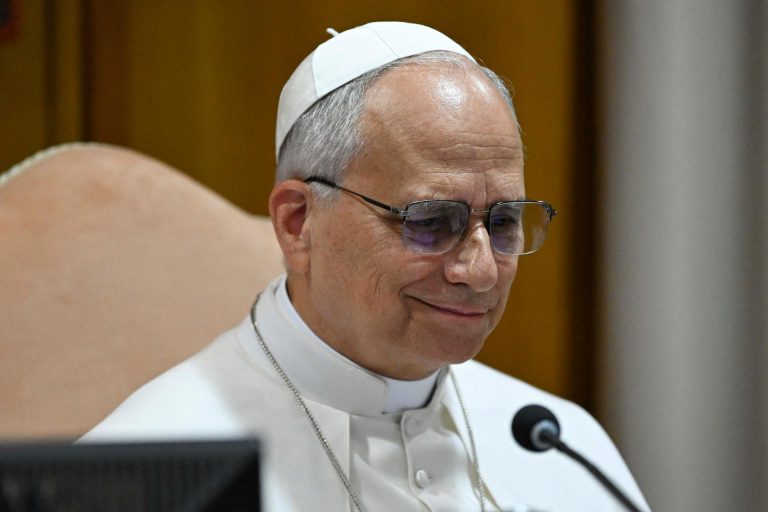
In his first major teaching document as pontiff, Pope Leo XIV has issued a stark warning to the world: artificial intelligence must be “disarmed” before it normalizes new forms of exploitation, fuels an irreversible arms race, and replicates the moral failures of the colonial era.
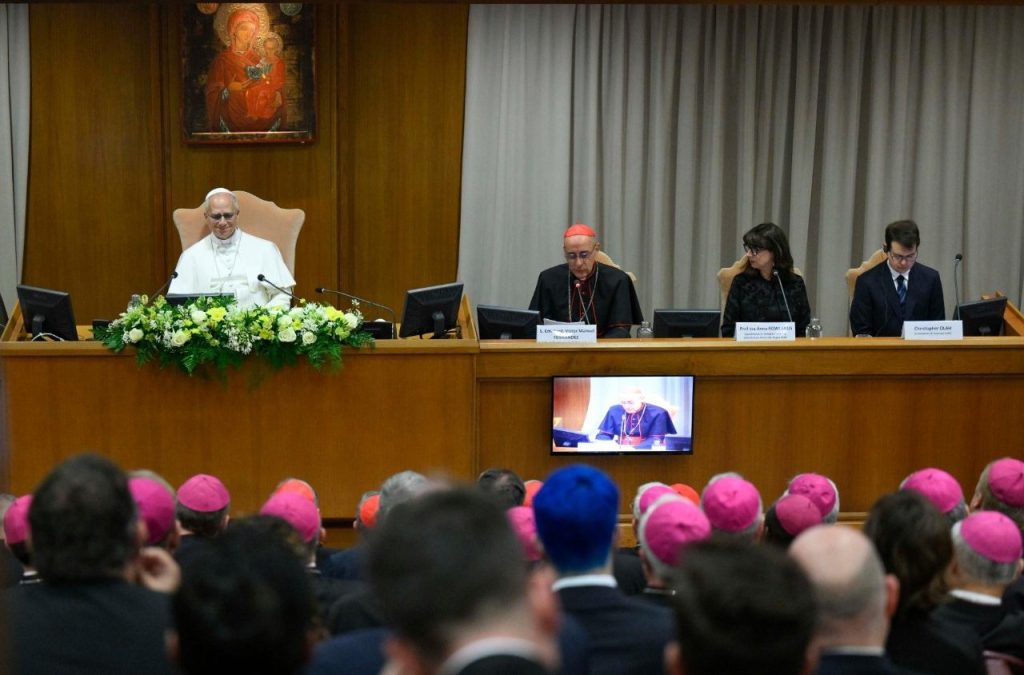
The encyclical, titled Magnifica Humanitas (“Magnificent Humanity”), was presented personally by the Pope at the Vatican alongside AI experts including Christopher Olah, co-founder of US tech giant Anthropic. The unprecedented move signaled that this letter is not only for the world’s 1.4 billion Catholics but for every developer, politician, and citizen navigating the AI revolution.
“The word is strong, I know, but deliberately chosen because this moment needs words capable of attracting attention,” Pope Leo said.
While the encyclical focuses heavily on AI, it opens with a profound act of historical accountability. Pope Leo issued one of the strongest and most comprehensive apologies from the Vatican for the Catholic Church’s role in the transatlantic slave trade.
“It is impossible not to feel deep sorrow when contemplating the immense suffering and humiliation endured by so many,” the Pope wrote, adding that he “sincerely asked for pardon” in the name of the Church.
Crucially, Leo connects that history directly to the present. He warns that the world is in danger of normalizing exploitation again both in how AI systems are produced (through extractive labor and resources) and in how they are applied (through surveillance, displacement, and control).
He describes the threat of “new digital slaveries,” drawing a direct parallel between historical chattel slavery and emerging tech-driven systems of control. Humanity, he suggests, stands at a similar moral crossroads.
Pope Leo does not mince words when it comes to military applications of AI.
“No algorithm can make war morally acceptable,” he writes.
The Pope condemns the use of AI in warfare, arguing that reducing human control over weapons makes it even harder to consider any conflict “just.” He warns against launching an AI arms race, saying that autonomous systems risk sparking conflict more quickly, rendering it more impersonal, and “lowering the threshold for resorting to violence.”
“Transforming defense into threat prediction and thus reducing victims to data,” Leo writes, strips war of its last remaining moral constraints.
The encyclical also takes aim at AI’s impact on politics particularly the manipulation of images and videos. Such tools, the Pope argues, expose people to biased or misleading perspectives, eroding the foundation of informed democratic participation.
In one of the document’s most striking passages, Pope Leo invokes the concept of “digital colonialism,” linking the extractive abuses of the colonial era to modern tech practices where data, labor, and resources flow from the global south to powerful corporations in the north.
He issues a “special appeal” directly to those who build AI systems.
“Developers bear a particular ethical and spiritual responsibility, for every design choice reflects a vision of humanity,” the Pope writes.
That message was echoed at the Vatican by Anthropic co-founder Christopher Olah, who acknowledged that every AI lab operates “inside a set of incentives and constraints that can sometimes conflict with doing the right thing.”
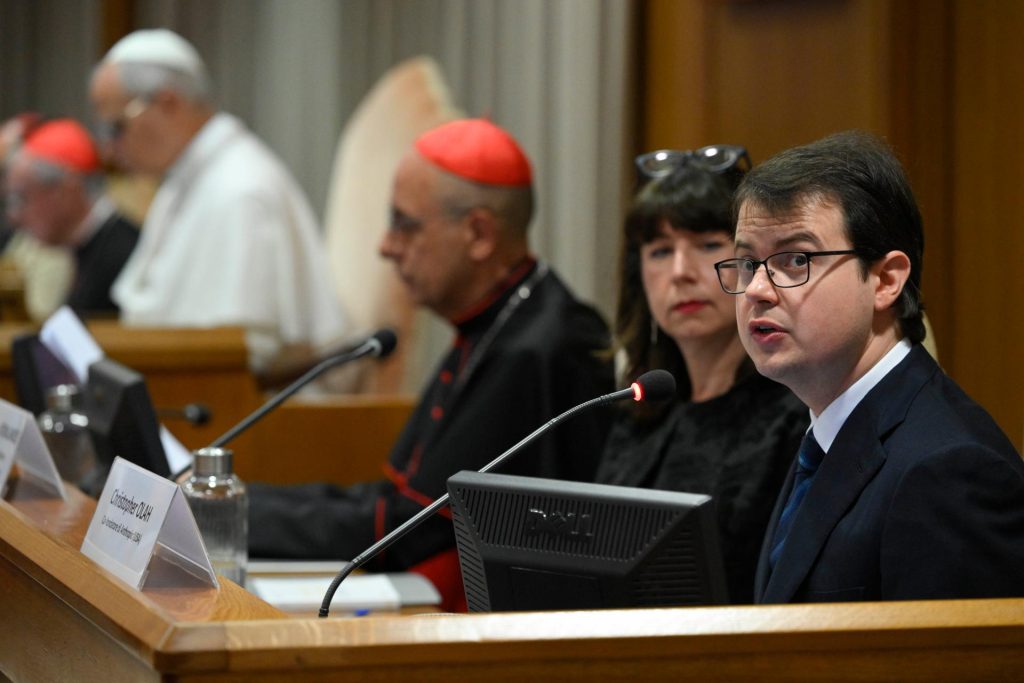
Olah added that it would be a mistake to believe matters of AI are best handled by computer scientists alone: “The questions raised by AI are bigger than the AI research community, not just in their implications, but also in their nature.”
Pope Leo has convened a commission to carry forward the encyclical’s work. But the document raises an uncomfortable question: Will it lead to concrete change?
History offers a cautionary parallel. In 2015, Pope Francis wrote Laudato Si’, a landmark encyclical on the climate crisis. By 2023, he expressed deep disappointment at the world’s inaction.
As passionate as Pope Leo is about reining in AI, he may find himself issuing a similar lament years from now.
For now, Magnifica Humanitas stands as both a moral intervention and a political challenge not only to the faithful, but to every institution and individual with power over the technologies shaping humanity’s future.