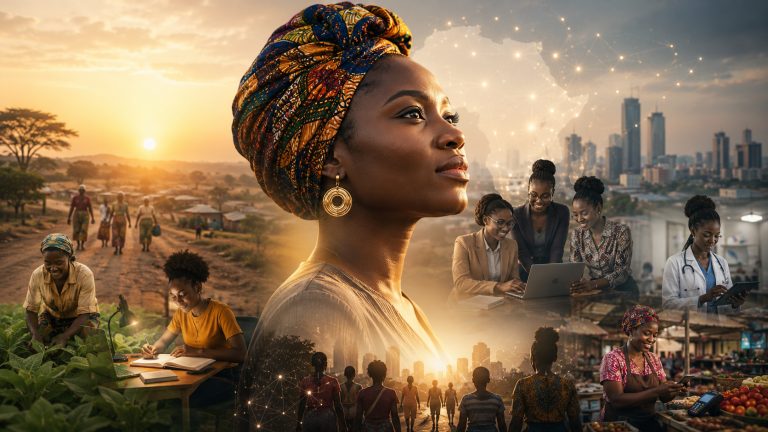
MacKenzie Scott did not become globally influential simply because of wealth. She became influential because she changed the direction of opportunity. Her philanthropy challenged traditional systems of gatekeeping and proved that empowering institutions serving communities can shift entire generations. Across Africa, another transformation has quietly been unfolding for nearly two decades. Not from Silicon Valley boardrooms. Not from global investment banks. But from border markets, trading centers, crowded taxi parks, university halls, informal settlements, mobile phones, and women who refused to remain excluded from the future.
For years, Africa’s digital economy was discussed mainly through statistics. Millions remained financially excluded. Millions lacked access to banking infrastructure. Millions of women worked tirelessly within informal economies yet remained invisible to formal financial systems. But behind every statistic was a real woman, a mother struggling to save safely, a cross-border trader carrying cash through unsafe routes, a young entrepreneur without access to digital tools, a market vendor excluded from credit systems, a healthcare worker unable to scale her services, or a girl with talent but without access to opportunity. The true story of Africa’s digital revolution has never simply been about technology. It has always been about inclusion. And inclusion only becomes meaningful when women are fully part of the transformation.
For nearly two decades, HiPipo and its broader ecosystem of initiatives consistently pushed one powerful philosophy: Africa cannot achieve meaningful digital transformation while women remain digitally excluded. That vision influenced financial literacy campaigns, healthcare innovation systems, cross-border empowerment programs, entrepreneurship initiatives, interoperability advocacy, youth innovation platforms, and regional inclusion efforts that today impact millions across Africa. This has never simply been a story about “women empowerment” as a slogan. It has been about redesigning economic participation itself.
Long before “fintech” became one of Africa’s most celebrated sectors, women already dominated informal trade networks across the continent. Women sustained households, powered agricultural economies, operated small businesses, managed savings circles, and facilitated community survival systems. Yet most formal financial systems were never built with them in mind. Traditional banking structures required formal employment, paperwork, physical branches, minimum balances, and literacy structures that many underserved communities could not easily access. As a result, millions of economically active women remained financially invisible. This invisibility became one of Africa’s greatest development barriers because communities cannot truly prosper when the people carrying economies are excluded from financial systems.
The mobile phone changed everything. Suddenly, financial participation no longer depended entirely on physical bank buildings. A woman in a rural village could receive money instantly, save digitally, transact remotely, access information, participate in commerce, and begin connecting to broader economic systems. But technology alone was never enough. Access without education creates vulnerability. Connectivity without literacy creates exploitation. Innovation without inclusion creates inequality. This is why some of the most important work over the last twenty years was not merely building platforms — it was building understanding.
One of the most transformative philosophies that emerged during this period carried a remarkably simple message: Include Everyone. Not include some. Not include urban elites. Not include only smartphone users. Everyone. Women traders. Rural communities. Informal workers. Youth. Market vendors. Cross-border traders. Microbusiness owners. Communities traditionally ignored by formal innovation systems. This philosophy evolved into regional empowerment initiatives spanning financial literacy, interoperability advocacy, cross-border inclusion, digital safety education, and entrepreneurship ecosystems across COMESA markets and beyond.
The impact became measurable. Women who once feared digital financial systems began using interoperable payment platforms. Informal traders began understanding transaction histories and digital records. Communities learned the importance of separating business finances from household finances. Women entrepreneurs became more confident in digital commerce and savings behavior. In Zambia and Malawi, women cross-border traders operating within busy informal trade corridors participated in training programs focused on digital financial literacy, safety, interoperability, fraud prevention, budgeting, and entrepreneurship. Many had never before participated in structured digital finance education. The results were transformative. Women reported improved confidence in budgeting, stronger financial discipline, safer transaction practices, and measurable growth within their businesses. More importantly, many began seeing themselves not merely as users of digital systems, but as participants in shaping Africa’s future economy.
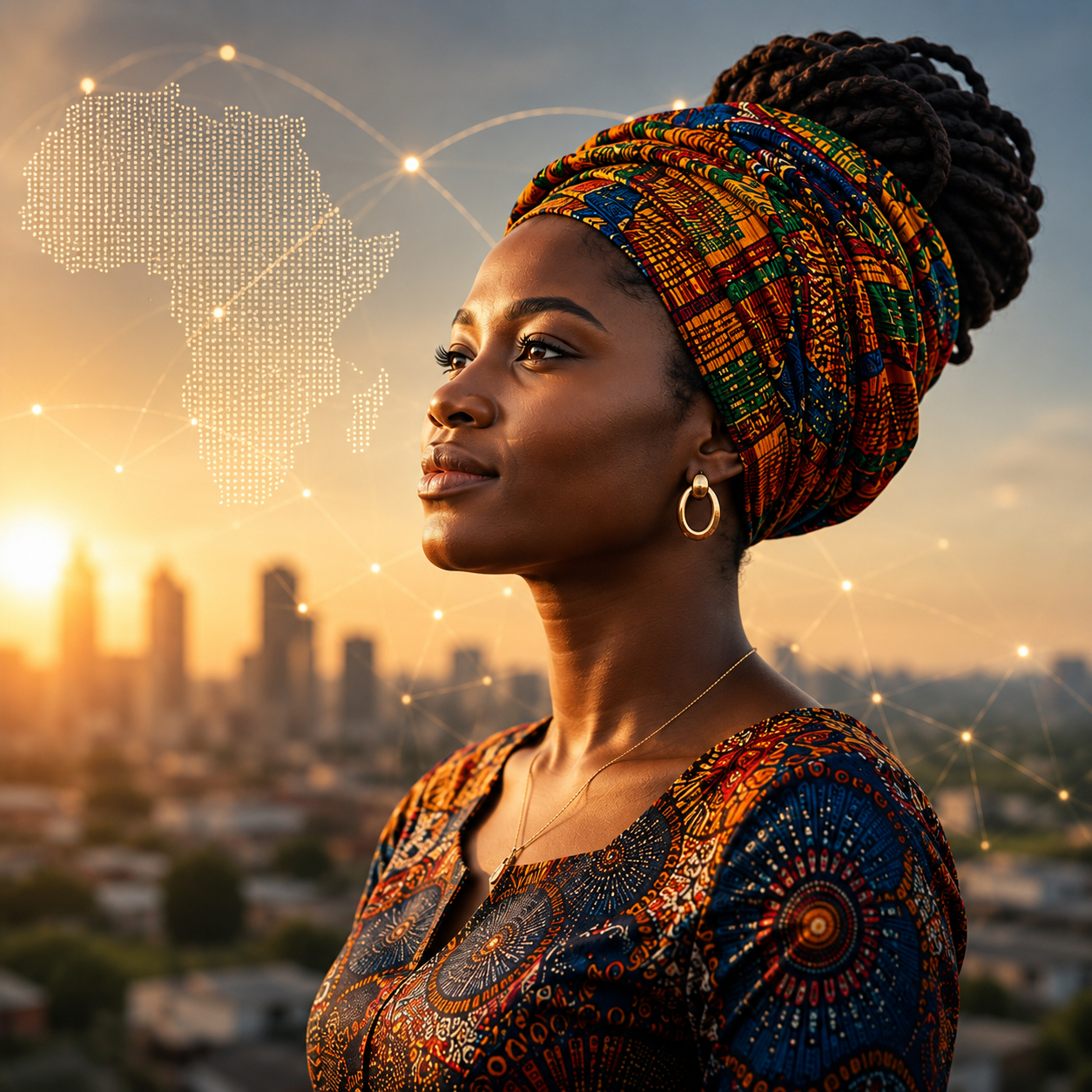
Perhaps one of the most overlooked forms of infrastructure in Africa is confidence itself. Confidence determines whether people adopt opportunity. Many women across Africa were historically taught to survive economically but not necessarily to scale economically. Digital literacy changes that. Financial literacy changes that. Entrepreneurship training changes that. Exposure changes that. When women gain access to financial understanding, digital confidence, leadership opportunities, networks, and market visibility, they transition from participation into ownership. That shift changes families, communities, and entire economies.
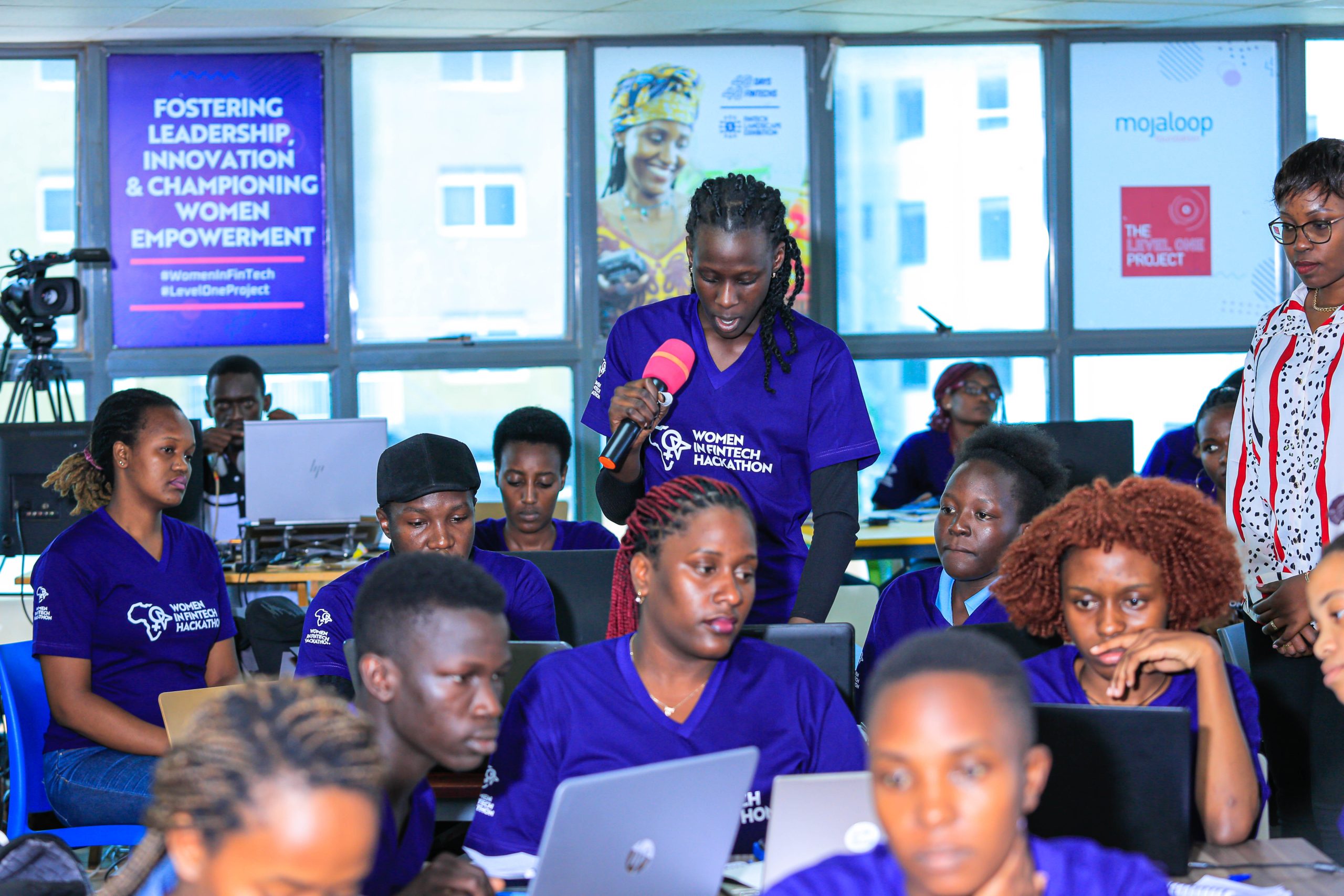
One of the strongest indicators of change emerged through women-focused innovation initiatives and entrepreneurship platforms. Increasingly, women were not positioned only as beneficiaries of systems but as creators of systems. Women-led teams began developing healthcare technologies, financial solutions, savings systems, commerce tools, and digital community platforms. This distinction matters profoundly because Africa’s future cannot simply be designed for women, it must increasingly be designed by women. The continent’s future digital economy requires female founders, engineers, product designers, innovators, policymakers, strategists, regulators, and ecosystem builders. That is how inclusion becomes permanent rather than symbolic.
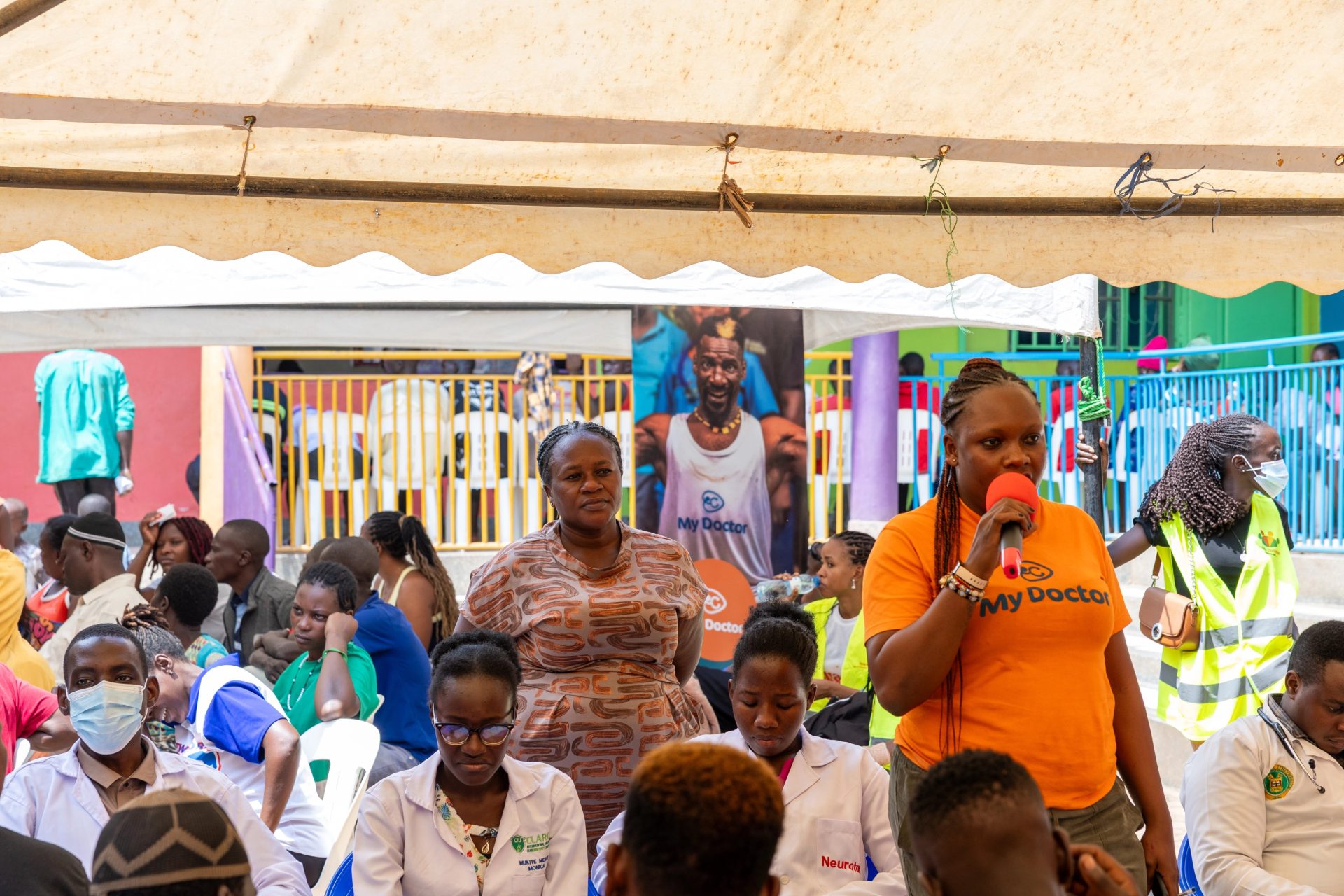
Healthcare also became one of the most important pillars within this broader empowerment conversation. Women empowerment cannot be separated from healthcare access because health access itself is economic access. A woman struggling to access healthcare often loses time, mobility, income, productivity, stability, and economic resilience. This is one of the reasons why My Doctor emerged as far more than simply a healthcare platform. My Doctor became part of a broader inclusion vision focused on ensuring that healthcare itself becomes digitally accessible, affordable, scalable, and community-centered.
For years, millions of Africans — especially women — faced enormous barriers to healthcare access. Transport costs, overcrowded facilities, distance, delayed consultations, lost work hours, childcare responsibilities, and affordability challenges made healthcare difficult to access consistently. Through My Doctor, the vision was to redesign healthcare around accessibility and convenience. Telemedicine systems incorporating voice calls, video consultations, WhatsApp communication, SMS engagement, and community outreach helped create new pathways for women and underserved populations to access care without unnecessary barriers. In many communities, convenience is not a luxury — it is empowerment itself.
The My Doctor ecosystem consistently recognized that women often carry multiple simultaneous responsibilities: caregiving, entrepreneurship, parenting, household management, and income generation. When healthcare systems fail women, entire communities suffer economically and socially. By reducing transport burdens, minimizing lost productivity hours, extending healthcare access into underserved areas, and integrating digital health solutions into everyday life, My Doctor contributed to restoring one of the most important forms of economic power: time. When women regain time, they regain productivity. When they regain productivity, they regain economic possibility.
The My Doctor ecosystem also aligned strongly with youth empowerment and healthcare entrepreneurship. Through HiPipo University and healthcare entrepreneurship initiatives, young healthcare professionals — including women — were encouraged to think beyond traditional employment models and begin viewing healthcare itself as an innovation ecosystem. Doctors, nurses, clinicians, allied health professionals, and entrepreneurs were encouraged to embrace digital systems, scalable care models, telemedicine, remote consultations, health technology innovation, and community-centered healthcare delivery. This approach helped create a new generation of healthcare thinkers increasingly prepared for Africa’s evolving digital future.
Financial literacy also emerged as one of the most underestimated liberation tools across the empowerment movement. Not because saving money is new, but because understanding systems creates freedom. Many hardworking women lacked structured financial frameworks despite carrying significant economic responsibility within their households and businesses. Financial literacy initiatives focused on budgeting, reinvestment, separating personal and business finances, digital safety, long-term planning, responsible borrowing, and growth-oriented thinking helped many women transition from survival-based economic activity into scalable economic behavior.
Financial literacy is ultimately about power. Financially informed women negotiate differently, invest differently, lead differently, raise children differently, and participate differently in society. When multiplied across millions of households, the impact becomes national in scale. Stronger women create stronger communities. Stronger communities create more resilient economies.
Over the last two decades, the internet also helped create a new kind of African woman — digitally connected, globally aware, entrepreneurial, ambitious, creative, and increasingly independent. Social media, mobile money, creator economies, digital commerce, online education, and mobile entrepreneurship opened opportunities previous generations could barely imagine. Today, a young African woman can run a business from her phone, learn online, access international audiences, receive payments digitally, build a brand, influence conversations, and participate within the global economy from almost anywhere.
Yet significant challenges remain. Smartphone affordability gaps persist. Internet access costs remain high in many areas. Cybersecurity threats disproportionately affect vulnerable populations. Women founders still face major investment barriers. Digital safety concerns remain real. Representation gaps continue across leadership and funding ecosystems. This means the next chapter of empowerment must move beyond access alone toward ownership, leadership, and institutional influence.
The global economy increasingly recognizes something Africa has always known: women are not a “special interest group.” They are economic engines. When women gain access to healthcare, finance, education, technology, leadership opportunities, digital systems, and entrepreneurship ecosystems, entire economies expand. Consumer spending improves. Child welfare improves. Educational outcomes improve. Innovation accelerates. Poverty reduces. Community resilience strengthens. Empowering women is not charity. It is economic strategy.
Africa’s next great economic opportunity may therefore lie in the millions of women who remain partially excluded from full participation in the digital economy. The countries, institutions, and ecosystems that succeed over the coming decades will be those that reduce exclusion, democratize access, invest in women-led innovation, expand interoperability, localize technology, lower participation barriers, and build systems intentionally designed around inclusion.
The future will not simply be defined by who builds apps or launches platforms. It will be defined by who builds inclusive systems. Real transformation happens when a rural mother accesses healthcare through her phone, when a trader safely scales her business digitally, when a young female founder receives investment, when financial literacy becomes mainstream, and when underserved communities become economically visible.
Some revolutions do not arrive loudly. Some happen quietly through community clinics, financial literacy workshops, digital platforms, mobile phones, mentorship programs, cross-border empowerment initiatives, and ecosystems that consistently insisted on one message: Include Everyone.
For nearly twenty years, that work has continued through partnerships, policy engagement, healthcare innovation, entrepreneurship ecosystems, digital literacy movements, regional inclusion programs, interoperability advocacy, and community-centered development initiatives across Africa. Not simply to empower women as a slogan, but to help redesign Africa’s future around inclusion itself.
And perhaps history will eventually recognize something profound: the women once excluded from Africa’s digital economy may ultimately become the very people who transform it most.