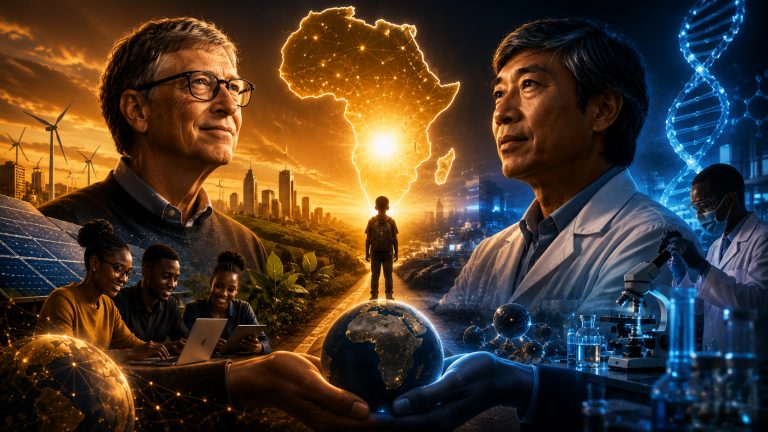
When news emerged that South African-born biotech entrepreneur and physician Patrick Soon-Shiong had become the richest person in Los Angeles with an estimated net worth of $8.4 billion, the world saw another billionaire headline. But beneath the wealth figure lies a much deeper lesson for Africa and for every young innovator trying to build something meaningful on the continent.
Patrick Soon-Shiong’s story is not simply about money. It is about the extraordinary power of innovation when it is focused on solving problems that affect millions of people. Born in South Africa, he rose from the medical and scientific world to become one of the most influential healthcare innovators globally. His cancer drug innovations transformed lives, reshaped healthcare possibilities, and ultimately generated billions of dollars in value. His journey proves that global wealth can emerge from African roots when vision, science, persistence, and opportunity collide.
Africa today stands at a similar turning point.
The continent is filled with enormous challenges — financial exclusion, limited healthcare access, energy poverty, unemployment, low access to quality education, digital inequality, and barriers for women and youth. But history repeatedly shows that the world’s greatest fortunes are often created by solving humanity’s largest problems. Google solved access to information. Amazon transformed commerce. Visa revolutionized payments. M-Pesa changed how millions move money. Patrick Soon-Shiong transformed healthcare innovation. In every generation, wealth follows impact.
This is why Africa’s future billionaires may not emerge from traditional industries alone. They will likely emerge from technology, healthcare, financial inclusion, renewable energy, artificial intelligence, agriculture innovation, education platforms, and digital ecosystems that improve life for millions of people.
For over two decades, HiPipo has operated with this exact understanding. Long before “digital transformation” became a global buzzword, HiPipo was already investing in people, ideas, innovation ecosystems, digital literacy, financial inclusion, and youth empowerment across Africa. Through initiatives such as Include Everyone, 40 Days 40 FinTechs, Digital Impact Awards Africa, HiPipo University, financial literacy programs, women-led innovation programs, and regional digital transformation platforms, millions of young people have been exposed to opportunities that previously felt impossible.
These efforts are bigger than events or campaigns.
They are about creating an ecosystem where innovation can grow.
The reality is that billionaires are rarely created in isolation. They emerge from environments that encourage experimentation, reward creativity, support entrepreneurship, and connect innovators to knowledge, mentorship, and capital. Africa does not lack intelligent young people. Africa does not lack ambitious women. Africa does not lack ideas. What the continent has historically lacked is enough sustained investment into innovation ecosystems that can turn local ideas into scalable global solutions.
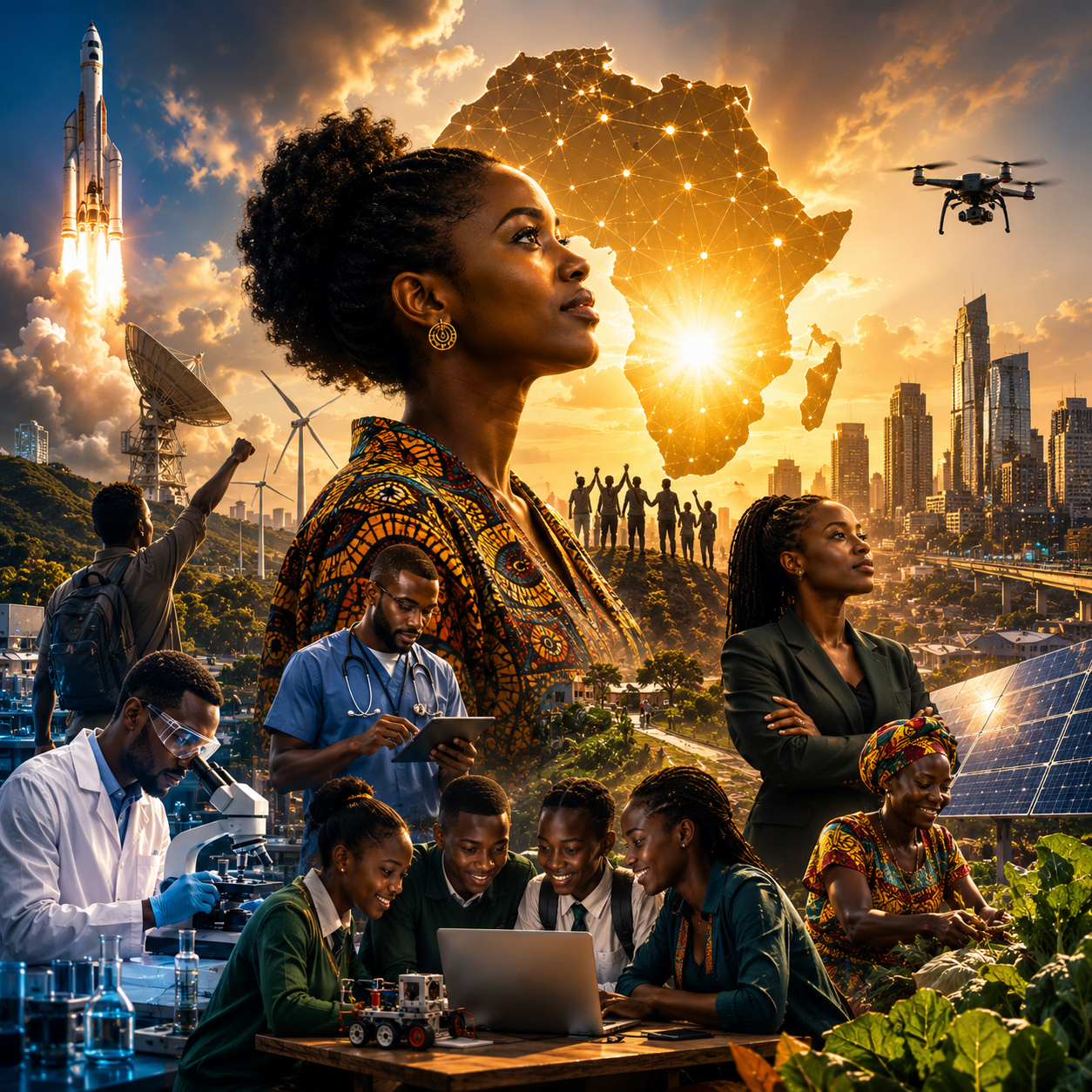
This is why the role of visionary investors and supporters matters so deeply.
One of the most important examples globally is Bill Gates. While many billionaires focus primarily on preserving wealth, Bill Gates became globally respected for continuously investing in innovation, healthcare, education, science, agriculture, financial inclusion, and global development. Through the Bill & Melinda Gates Foundation, billions of dollars have been directed toward solving some of humanity’s most urgent problems, especially in Africa.
What makes Bill Gates particularly important in the African innovation story is not simply the amount of money invested. It is the philosophy behind the investment. He consistently demonstrates that supporting innovators, researchers, entrepreneurs, and scalable systems can transform entire societies. From digital financial services to healthcare systems, agricultural innovation, vaccine development, and digital infrastructure, his support has repeatedly accelerated solutions that governments and markets alone struggled to scale.
That same philosophy is increasingly visible across Africa’s emerging innovation ecosystem.
Organizations like HiPipo have spent years building platforms that expose young people and women to digital opportunities, entrepreneurship, financial systems, healthcare innovation, and technology-driven growth. The impact of such ecosystems may not immediately appear on billionaire rankings, but over time they shape the individuals who eventually build transformative companies.
The next African billionaire may currently be a student attending a digital training program. She may be a young woman learning financial literacy in a border community. He may be a startup founder struggling with internet access while building an idea capable of serving millions. They may not yet have capital, but they possess something equally important — proximity to possibility.
That is what innovation ecosystems create.
Patrick Soon-Shiong’s story reminds Africa that world-changing innovation can emerge from this continent. Bill Gates’ lifelong investment philosophy reminds the world that supporting innovation ecosystems can change humanity itself. And the continued work of institutions like HiPipo demonstrates that empowering youth, women, entrepreneurs, and innovators is not charity — it is long-term economic transformation.
Africa’s future billionaires will likely not be defined only by personal wealth. They will be defined by how many lives they improve, how many systems they transform, and how many opportunities they create for others.
The next $8.4 billion African success story may already be quietly growing somewhere in Kampala, Kigali, Lusaka, Nairobi, Lagos, or Johannesburg.
The question is whether Africa will continue investing enough in innovation, education, inclusion, and ecosystems to help that future rise.