Home Blog Page 68

KaCyber has integrated FinTech into its transport ticketing systems

Our Reporter.

If you are a frequent user of public transport in Africa, then you know the hustle and bustle involved in getting tickets and traveling. Things like long queues, manual processes and the no refund policy implemented by a majority of the players are common experiences encountered by travelers.

It is these and more issues that KaCyber Technologies; a global transport ticketing company and BPO practitioner currently operating in Uganda and Senegal, came to solve.

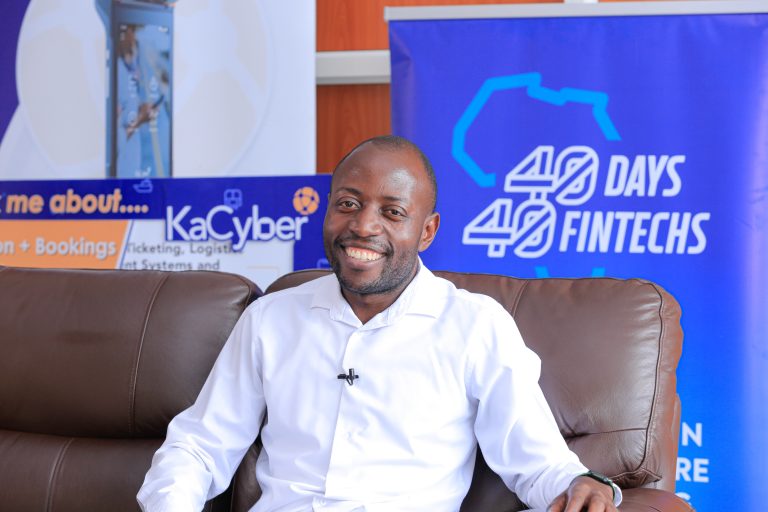
According to Innocent Orikiiriza, the founder and CEO of KaCyber Technologies, the company has in the past 6 years piloted its system with twelve clients across Africa, signed seven long-term contracts and currently maintaining five due to disruption caused by the COVID-19 pandemic.

“Since incorporation in 2016, our flagship product has been an e-ticketing system for buses, trains and ferries. We have piloted the system with over twelve clients across Africa. In Uganda, we offer a multi-tenant bus, train and ferry ticketing system,” Orikiiriza said.

He added: “Our solution is built based on the need to serve travelers. It incorporates mobile money services and we now have an in-house wallet. We have processed ten million plus tickets. That is a milestone we have just been celebrating recently.  These ten million tickets were worth USD 54 million. As KaCyber, our business model is to earn a commission of about 1 percent per transaction. Cumulatively, we have earned about USD 100,000 from these transactions.”

Currently being used by the Uganda Railway Corporation (URC) on the Kampala commuter train and local buses companies including Malaika, Star Link and Highway Coaches, the solution has blocked revenue leakages and also enables passengers to book a travel ticket online, and only go to the bus or train station on their travel day.

“Passengers can use our platform end points like the mobile APP and website to book tickets online and thereafter pay using mobile money or KaCyber wallet. We give the transport operators a ticketing point of sale machine which they use to issue offline and online tickets.”

KaCyber is among the firms participating in the ongoing third edition of the 40-Days 40-FinTechs initiative, organized by HiPipo under its Include EveryOne program, in partnership with Level One Project, Crosslake Tech, ModusBox and Mojaloop Foundation and sponsored by the Gates Foundation.

Orikiiriza noted that the 40 Days 40 Fintechs initiative is one of the most interesting events his company has been involved in as it brings key stakeholders on one table to discuss matters of industry importance, financial inclusion and overall digitization.
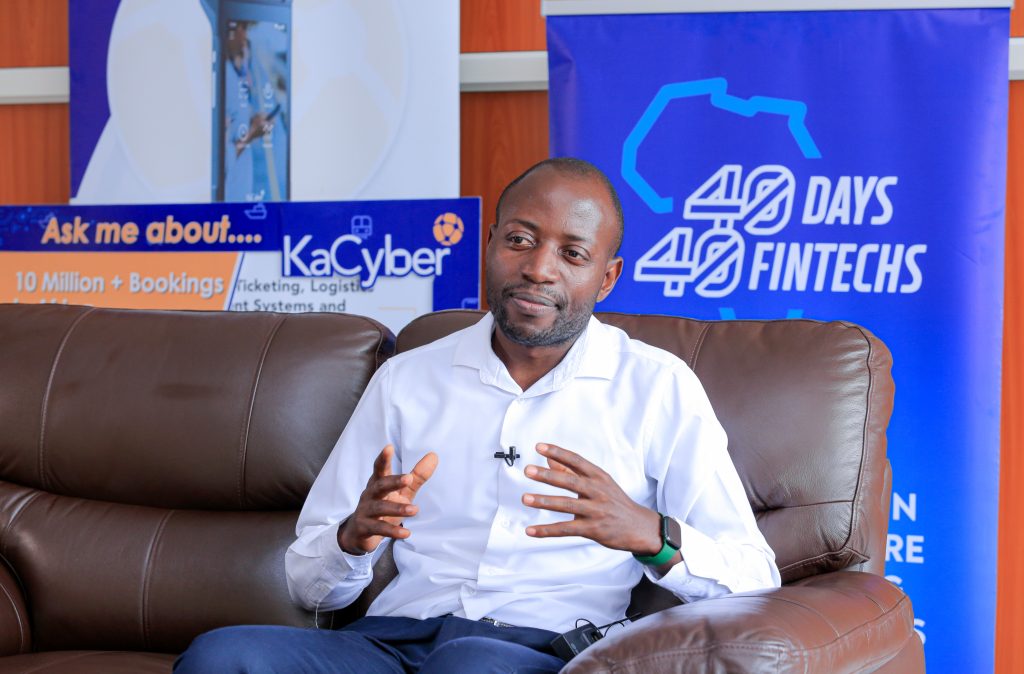
“Bringing key stakeholders and multiple players from different sectors to have close conversations about development is very key. This is exactly what the 40 Days 40 FinTechs initiative is doing. We hope they can be part of our journey as we build the technology. We also hope that they will recognize our challenges and also contribute to solving these challenges, especially the telecoms and banks.”

According to HiPipo CEO, Innocent Kawooya, KaCyber Technologies’ ticketing solution is key to the modernization of transport and should be further developed and deployed across the industry. 

“The KaCyber ticketing solution is helping travelers conveniently book train, bus and ferry tickets digitally. They are able to even reschedule their travel and also get refunds in case of genuine failure to travel. It is a first for our transport industry. We need to find ways of scaling such innovations and have them used across the region, not by just a few transporters.”

Kawooya added that this year’s edition of 40 Days 40 FinTechs is cementing the achievements of the previous editions – where over 60 FinTechs were transformed – but also building on them to leverage digital financial inclusion in East Africa and beyond.

“Thanks to initiatives like 40 Days 40 FinTechs and Level One Project among others; DFSPs, and FinTech stakeholders across Africa will soon gain access to fully functional IIPS regulatory sandboxes to prototype, build and test innovative digital products while evaluating Mojaloop technology with the aim of solving data/infrastructure localization government regulations and directives,” Kawooya said.

The #40Days40FinTechs platform aptly provides a setting for the various players and stakeholders involved in digital and financial technology to exhibit their products & Services and also share their ideas on how more of us, especially those unserved and underserved by the present financial systems, can be brought into the fold.

It also offers participants useful tools and an introduction to the industry’s emerging technologies, such as Mojaloop Open Source Software, and guidance from Level One Project foundational material. The skills gained from this initiative cover Level One Project Principles, Instant and Inclusive Payment Systems (IIPS), Inclusive Finance and FinTech in general.
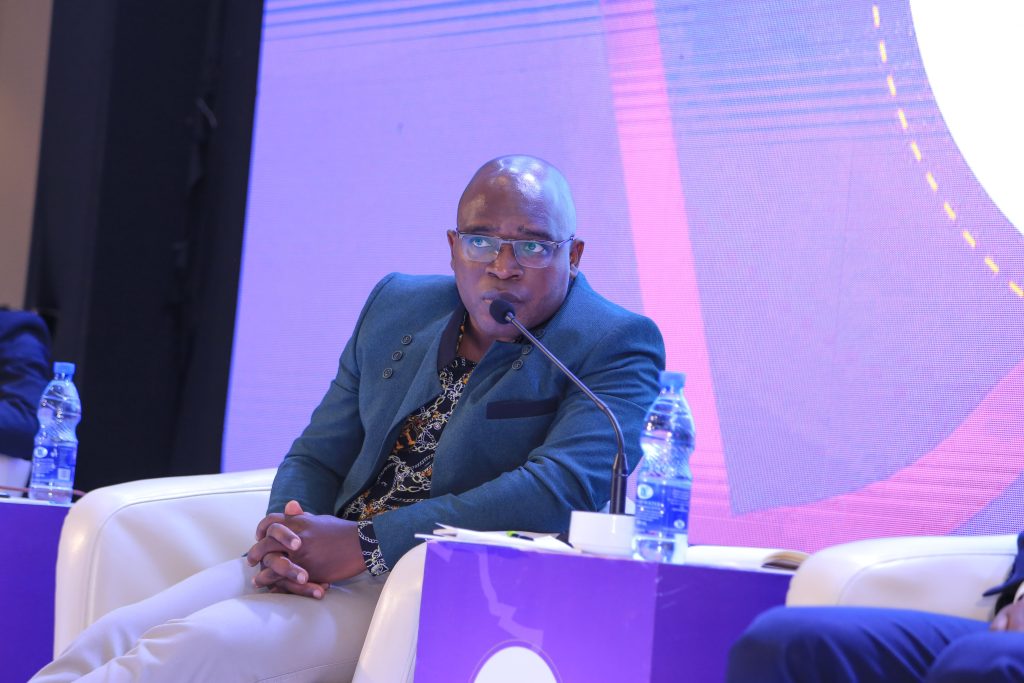
FinTechs brace for easier operations after introduction of New Software Development Kit

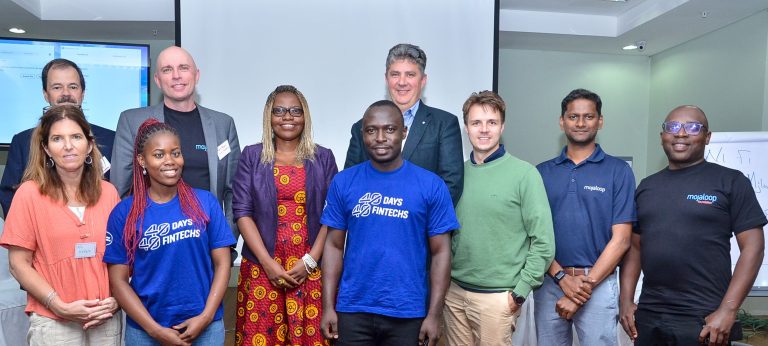
HiPipo, organisers of the 40Days40FinTechs initiative have welcomed the new Software Development Kits (SDKs) by the Global System for Mobile Communications (GSMA), saying this will go a long way in providing interoperable solutions.

The SDKs, developed by GSMA’s Inclusive Tech Lab, are toolkits that software developers use to build applications using prebuilt components instead of having to build each of those components themselves. An SDK may contain libraries, documentation, code samples and software tools developers require to build their solutions. 

HiPipo CEO Innocent Kawooya says this development comes at the right time when the #40days40fintechs initiative is ongoing, with a primary aim of championing digital innovation and interoperable instant and inclusive payment systems (IIPS) in Africa.

Now in its third edition, the #40days40fintechs initiative is an annual 40-day event that profiles emerging FinTechs with unique stories. It provides a setting for the various players and stakeholders involved in digital and financial technology to exhibit their products and services and also share their ideas on how more people, especially those un-served and underserved by the present financial systems with emphasis on interoperability.

“It is exciting to see great efforts by the Bill and Melinda Gates Foundation in supporting initiatives like the Mojaloop Foundation’s Open source, which is a blueprint of the Level One Project, initiatives like the HiPipo’s Include Everyone Program, and 40 Days 40 FinTechs that are supporting FinTechs and DFSPs to access information about new and emerging tools and technologies such as the Tool Kit GSMA has created,” Kawooya said.

Adding: “We have witnessed works by Mojaloop and Google to build APIs and Adoption Toolkits such as Payment Initiation Service Provider (PISP), open banking third-party payment initiation (3PPI) and all these innovations are a faster way to build a sound, secure, competitive, and universal financial system that is essential for sustainable and inclusive growth of everyone.”

A statement by GSMA notes that the SDKs will especially help in advancing the Application Programming Interfaces (APIs) for Mobile Money service providers. 

When using these SDKs, it is possible to handle all the use cases of the Mobile Money API in a quick and simple way. Some of the use cases are Merchant Payments, Disbursements, International Transfers, P2P Transfers, Recurring Payments, Account Linking, Bill Payments and Agent Services (including Cash-In and Cash-Out).

“In way, to create our SDKs, we collected intelligence on market trends and commonly used technologies in the mobile money industry.Insights were gained by researching the API platforms of providers in the market as well as qualitative interviews with leading industry players. This intelligence helped us understand the market needs concerning different technologies, particularly the main programming languages that are commonly used for backend and frontend development,” reads a statement by GSMA. 

All code was built in alignment with mobile money providers’ business needs, making it easier to customise the code.

And the first company to applaud this new development is MTN Africa.

“I am very excited about the release of GSMA Mobile Money API SDKs given the kind of innovation possibilities these tools accelerate. The SDKs enable quicker time to value where the core API capabilities are provided like a reusable utility for any developer, hence leaving the developer to focus more time on their innovation competitive advantage,” said John Mark Ssebunnya , the General Manager – Technology Strategy and Architecture MTN Group Fintech 

Ssebunnya added that the fact that the SDKs are available in several frontend and backend programming languages is a bonus to the Fintech Ecosystem. 

The new SDKs were created in five different programming languages: Java, NodeJS, PHP for backend; JavaScript and Android for frontend.

“The SDKs being open source is another key industry enabling trait that will let any Fintech expand on their capabilities while contributing to their robust and secure evolution through gradual community improvement. In the same spirit, the several scenarios made available by the GSMA Inclusive Tech Lab will help us to tailor our own MTN MoMo SDKs and take our API to another level of usability,” he added.  

RIGHT STEP

Mobile money continues to be a vital driver of financial inclusion especially in Africa. The increase of mobile money solutions and the reach of their agent networks has helped to spread the access to money transactions over different places and services.

In Uganda alone, an estimated 30 million people use Mobile Money, with transactions volumes amounting to over 8bn dollars by 2020.

In the most recent State of the Industry Report on Mobile Money, close to 80% of mobile money providers have most of their revenues driven by customer fees. Therefore, many of them are now seeking to strengthen their value proposition with different financial services. This would connect consumers and businesses with a wide range of third-party services to meet their evolving needs, from e-commerce, credit, savings, and insurance, to enterprise solutions for micro-, small- and medium-sized enterprises (MSMEs).

Experts therefore look at the development of more SDKs as a step in the right direction, helping to reach different platforms and services and demanding a rapid software development to attend market needs. 

They further argue that SDKs can make the job of building innovative solutions much simpler for developers since they are designed to allow developers to rapidly integrate the different mobile money functionalities and services into new applications, making the development cycle shorter.

This is possible because SDKs are built as a layer around APIs, abstracting many configurations that need to be done for the use of the API.

From the perspective of mobile money providers, SDKs can enhance their platform offering, and support the creation of an active developer community consuming their APIs, as developers can save time integrating vital API services in a quick and reliable fashion. It helps to enhance provider’s API product proposition, enables the developer community, drives traction in the market, and maximises the provider’s brand credibility. 

As for all technologies developed by the Inclusive Tech Lab, the codes created for the SDKs are an open-source initiative, and freely available to the mobile money community.

Kuzimba takes the entire building value chain online

Our Reporter.

When Ephrance Eunice Namugenyi’s father started a paver and block-making business, he contacted his daughter to use her Information Technology skills to market his products.

The two sat down and agreed to do something much bigger; create a digital marketplace for building materials.

“I also work at Kyambogo University where I meet students who don’t have jobs after school yet they are good at architectural work, engineering, etc….so, I said we can as well market professionals,” says Namugenyi.

It is this small meeting in April 2020 that led to the birth of Kuzimba Services – a digital payment solution that allows clients to purchase building and construction materials and services. Right from purchasing land to surveying to drawing architectural plans to building; Kuzimba provides the technical know-how.

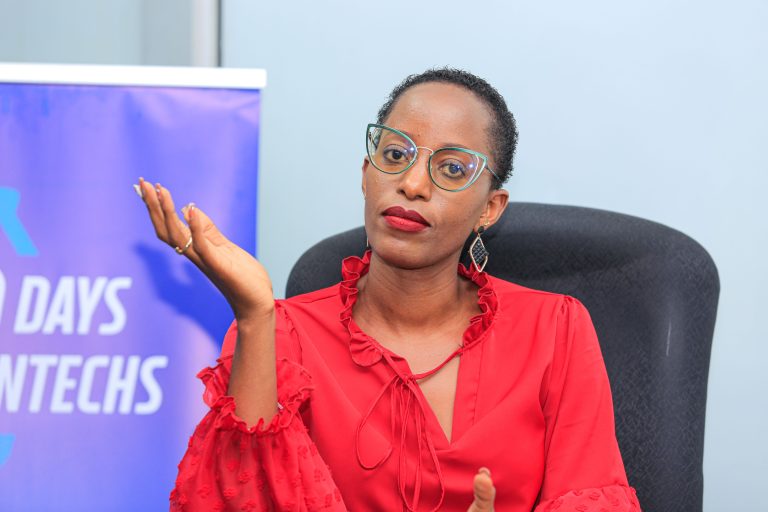
Ephrance Eunice Namugenyi, the Founder and Managing Director of Kuzimba Services says the biggest challenge people face is the hustle of looking for genuine building materials at the right price. So, Kuzimba services works with construction professionals and genuine service providers and guarantees delivery of the right quality and quantities to the client’s construction site.

How it works

When a client gets onto kuzimba.com and maybe they want iron sheets, they click on the item and input the number and type they want. Then the quotation is made.

“Then we receive the notification and we call the client and get more details about the delivery,” she says.

The client is supposed to make a down payment of at least 50 percent electronically and then complete the full payment on arrival. Namugenyi notes that since April 2020, roughly the time when Covid-19 lockdowns started in Uganda, they have received more than 800 unique customers and over 60 repeat clients.

“Covid-19 came as a blessing. It was a good start for us. Being a teacher, this business stood out for me because I could make some money during Covid-19 and many people used the period to finish their building projects because they had some time on them. Many people called us because they were scared of moving. The challenge was transporting. We had to actually work very hard to deliver.” she says.

She adds that life after Covid-19 is much better because transport is easier and people are adopting digital financial systems faster. Kuzimba is gender-sensitive, with at least 51 percent of the team being women.

“I have personally struggled to scale through as a woman entrepreneur. It is a bit hard for a woman to convince a man that you can deliver maybe cement or sand to a construction site. But we have had to convince ourselves that we can do it. It takes a lot of peer mentoring, the more you do something, the more you become confident about it,” she says.

40 Days 40 FinTechs

Kuzimba, who are the defending champions of the 2021 Women in FinTech hackathon, comes as participant number 19 in this year’s 40 Days 40 FinTechs initiative.

Namugenyi says she is indebted to HiPipo for giving them a platform to build confidence; especially the Women in FinTech Hackathon which pushed her to the front.

“I realized there are many women in this space and I can actually make it. Thank you for marketing us. I don’t think of failing anymore. I think if this initiative is made countrywide, banks will understand the importance of working together,” she says.

The #40Days40FinTechs platform is run under HiPipo’s Include Everyone program that also encompasses other initiatives such as FinTech Landscape Exhibition, Women in FinTech Hackathon, Summit & Incubator and the Digital and Financial Inclusion Summit and Digital Impact Awards Africa.

The platform aptly provides a setting for the various players and stakeholders involved in digital and financial technology to exhibit their products & Services and also share their ideas on how more of us, especially those unserved and underserved by the present financial systems, can be brought into the fold.

It also offers participants useful tools and an introduction to the industry’s emerging technologies, such as Mojaloop Open Source Software, and guidance from Level One Project foundational material. The skills gained from this initiative cover Level One Project Principles, Instant and Inclusive Payment Systems (IIPS), Inclusive Finance and FinTech in general.
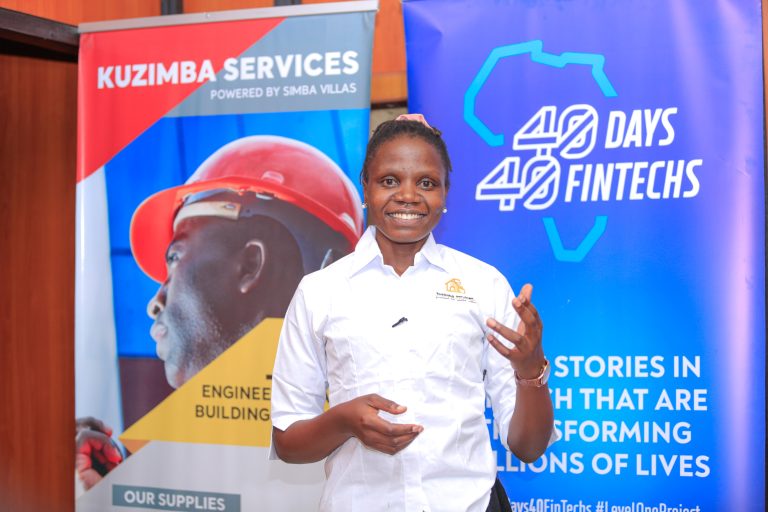
HiPipo CEO Innocent Kawooya noted that this year’s edition of 40 Days 40 FinTechs is cementing the achievements of the previous editions – where over 60 FinTechs have been transformed – but also building on them to leverage digital financial inclusion in East Africa and beyond.

“Thanks to initiatives like 40 Days 40 FinTechs and Level One Project among others; DFSPs, and FinTech stakeholders across Africa will soon gain access to fully functional IIPS regulatory sandboxes to prototype, build and test innovative digital products while evaluating Mojaloop technology with the aim of solving data/infrastructure localization government regulations and directives,” Kawooya said.

He added: “40 Days 40 FinTechs initiative is bringing together DFSPs and stakeholders (including regulators and development partners) to drive discussions on building instant and inclusive payment systems that will solve the most emerging challenges that limit low-income users from onboarding onto formal financial platforms.”

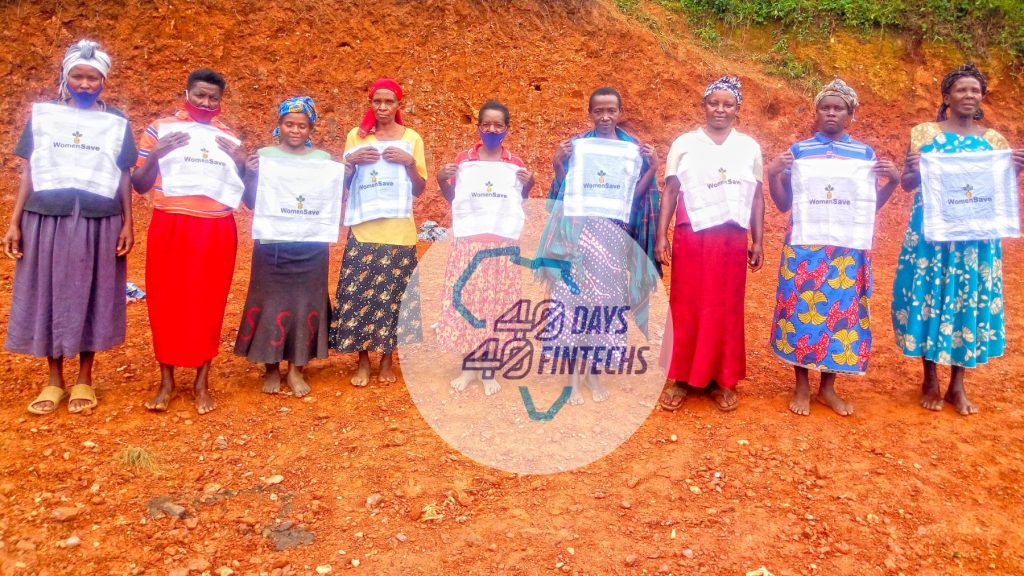
WomenSave is empowering rural women through goal-based Digital Savings

Our Reporter.

Marie Mintalucci has spent a number of years supporting female-led groups across Sub-Saharan Africa to create self-sustaining ventures. However, during this time, she has mainly made two observations.

One, women often borrow huge sums of money for unprofitable purposes like sending children to school or putting a new roof on the house. However, they often motivate for this credit as money for improving their businesses to increase the likelihood of obtaining the loan.

Two, the group micro loans that these women qualify for are often risky and expensive. Moreover, those loans are typically not in line with individual needs.

“With this in mind and some exciting behavioral science, I developed the idea of WomenSave to empower these women to meet their own self-defined financial goals on their terms and conditions with personalized savings plans,”Marie Mintalucci, the WomenSave Executive Director noted.

WomenSave is a non-profit organization started in 2020 that empowers unbanked women in rural East Africa to meet their financial goals with personal savings plans and mobile money.

All participants are taken through one-on-one financial advisory services, financial literacy training, customized goal-based saving plans, and critical instructions on how to open and use a mobile money account.

Mintalucci stresses that her research proved that web-based saving has the power to give women a real voice and a risk-free tool to join the digital economy. The project, which was first piloted in Western Uganda, targets women who live below USD 2 a day.

“We started in 2020 and today we have reached approximately 1,300 clients in Western Uganda who collectively have deposited over USD 84,000,” she says.

But her biggest satisfaction comes from the 1,165 financial goals achieved including buying livestock, paying school fees, purchasing home goods, making home improvements, investing in businesses and covering healthcare expenses. In addition, clients have more than doubled their individual reserve funds.

“WomenSave itself is not a financial service provider. We are the bridge between existing mobile money services and this market segment (rural women),” she explains.

She however acknowledges that her initiative is just a drop in the ocean because globally, the state of female financial inclusion is still very bad.

“There are nearly one billion women unbanked globally and in Uganda alone, approximately five million,” she says, noting that there is need to address both demand and supply constraints.

“On the demand side, we need to build trust and onboard women on the digital financial system in a welcoming manner. On the supply side, we need to show banks that this segment can be profitable. WomenSave aims to tackle both of these challenges, to fundamentally change the way banks welcome women and moreover the way those women use financial services to make their goals a reality,” she says.

40 Days 40 FinTechs

WomenSave is the 18th participant in this year’s edition of #40Days40FinTechs.

Mintalucci applauded HiPipo for this initiative that is critical in raising the importance of what is being done in the financial inclusion space to inspire conversations, improve donations, investments and partnerships.

According to HiPipo CEO, Innocent Kawooya, WomenSave is a step in the right direction for women financial inclusion especially in rural Africa.

“The most beautiful thing is that WomenSave is run on a unique model. Many women crave things but lack proper means of making targeted savings. This model is the solution to that need,” he said.

Kawooya added that this year’s edition of 40 Days 40 FinTechs is cementing achievements of the previous editions – where over 60 FinTechs have been transformed – but also building on them to leverage digital financial inclusion in East Africa and beyond.

“Thanks to initiatives like 40 Days 40 FinTechs and Level One Project among others; DFSPs, and FinTech stakeholders across Africa will soon gain access to fully functional IIPS regulatory sandboxes to prototype, build and test innovative digital products while evaluating Mojaloop technology with the aim of solving data/infrastructure localization government regulations and directives,” Kawooya said.

The #40Days40FinTechs platform is run under HiPipo’s Include Everyone program that also encompasses other initiatives such as FinTech Landscape Exhibition, Women in FinTech Hackathon, Summit & Incubator and the Digital and Financial Inclusion Summit and Digital Impact Awards Africa.

The platform aptly provides a setting for the various players and stakeholders involved in digital and financial technology to exhibit their products & Services and also share their ideas on how more of us, especially those unserved and underserved by the present financial systems, can be brought into the fold.

It also offers participants useful tools and an introduction to the industry’s emerging technologies, such as Mojaloop Open Source Software, and guidance from Level One Project foundational material. The skills gained from this initiative cover Level One Project Principles, Instant and Inclusive Payment Systems (IIPS), Inclusive Finance and FinTech in general.
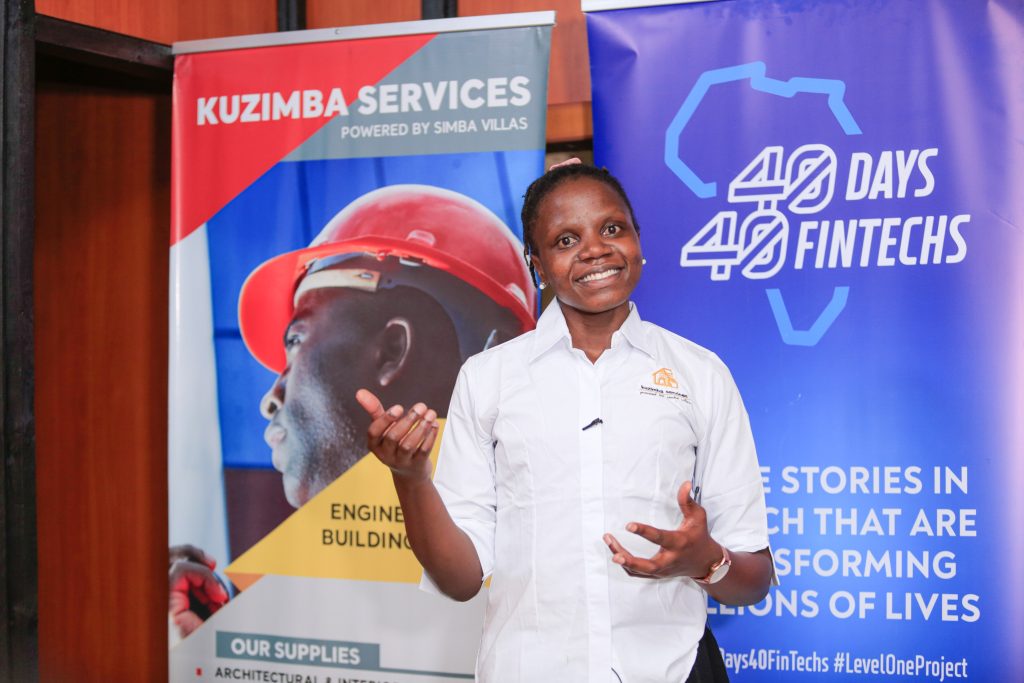
EzeeMoney manages digital transactions of over UGX 30 Billion per Month

Our Reporter.

Launched in 2013, EzeeMoney is a technology company dealing in both financial and non-financial services that target people at the bottom of the pyramid. On the financial side, EzeeMoney runs an agent-based model where they give out point-of-sale terminals to agents to facilitate bill payments, bill collections and other mobile financial services.  

On the non-financial service side, EzeeMoney provides insurance tracking with Jubilee insurance that powers over 300, 000 cards in about 500 hospitals.

The company boasts of over 3000 agents across the country, handles about 2 million transactions and over UGX 30 billion transactions value per month.

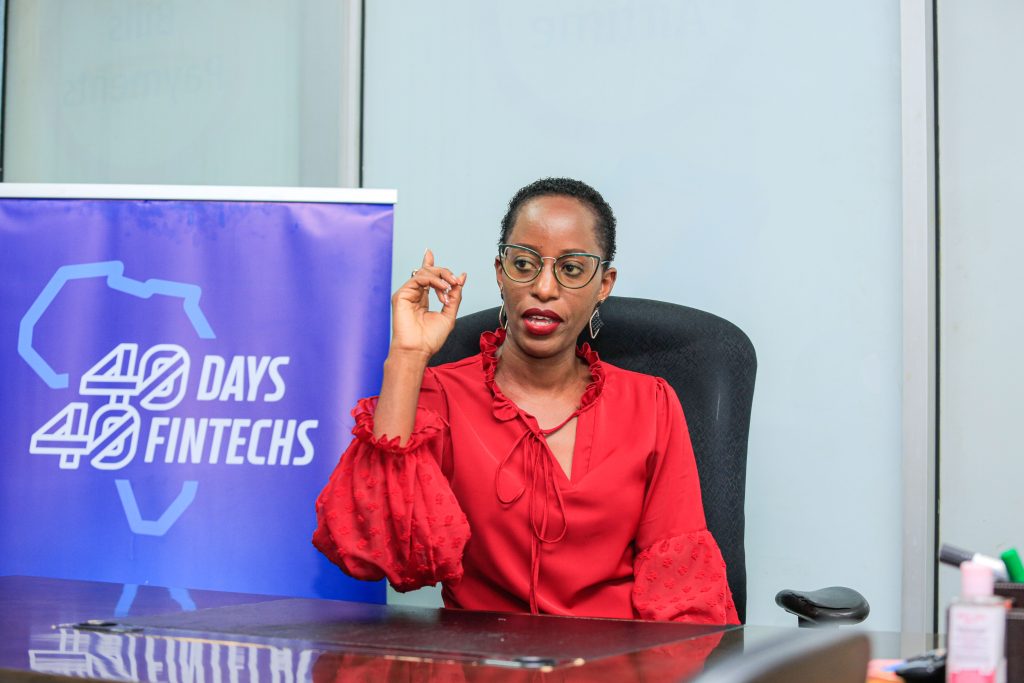
EzeeMoney is the 17th participant in season three of the annual 40 Days 40 FinTechs initiative. Our team had a chat with Flavia Eleanor Kasenge, the EzeeMoney Chief Operations Officer. Here is what she had to say.

QN: On top of agent banking and insurance tracking, what else does EzeeMoney do?

ANS: We are also aggregators. We do third-party aggregation. We get people on board; anyone who does not have a platform and they want to start a digital financial system, we are able to give this aggregation so that they can take on services like bill collection, and bill payments. Our agents earn a commission through charging a customer.

QN: Tell us about your smart card that helps churches to facilitate collections!

ANS: Ohh yes. That’s our auto collections service.  We built a mobile application where this service can be run. So, a client is given the auto collection card. This card is mainly used by Saccos and faith-based organisations. For instance, if you are collecting money for offertory on Sunday or tithe or your first fruit, we schedule and personalize the card whereby your offerings can be automatically deducted daily or weekly or monthly. We just do a schedule. This card is linked to your mobile money wallet and whenever the scheduled time comes, the money is deducted automatically and disbursed to the intended beneficiary.

QN: How is your market penetration in terms of figures?

ANS: Our customer is the agent. So, we have over 3,000 agents and our volume is above two million transactions and UGX 30 billion in transactions value per month.

QN: The 40 Days 40 FinTechs initiative is organized with a view of including everyone, especially women, youth and PWDs. How is your gender rating?

ANS: EzeeMoney mainly targets women at the bottom of the pyramid. We want them to enjoy digital financing. Most of our customers and employees are women. We believe that when women are in the business, things grow. More than 80 percent of our agents are women. We want women to come out of their shells and compete favorably with men.

QN: How did the outbreak of Covid-19 affect your operations?

ANS: Covid-19 ushered in a new way of working. Most businesses that could not adopt the digital way had to unfortunately close shop. So, Covid has opened up the FinTech space and innovation has increased; and the fact that we are regulated now by Bank of Uganda, people have become confortable to use FinTechs.

On our side, our revenue dropped by 40 percent during COVID-19 as people struggled to convert from traditional to digital. Nonetheless, we are now in recovery and seeing great things happening. We are going back to where we were before COVID-19.

QN: What are the major challenges you face as EzeeMoney?

ANS: The biggest challenge is the lack of awareness for people to appreciate digital financing. We must sensitize people. This is something we have to do daily. Once we do that consistently, people will appreciate it. We also have to be patient so that people at the bottom of the pyramid get on the same page with us. We will then be able to penetrate the market. Within a year or two, you won’t see paper money. People are slowly learning to shop using digital means. Digital orders and deliveries are increasing. We just need to sensitize people.

QN: What is your take on the 40Days40FinTechs initiative?

ANS: The 40 Days 40 FinTechs initiative is a very good platform for all of us. HiPipo has come up with a way for FinTechs to know each other.  Because of you, we are able to know what others are doing and we can link up together. We know what to collaborate and compete on. These are things that we should not give up on. Ultimately, we have to look at ourselves as partners not competitors.

40-Days 40-FinTechs

Now in its third edition, #40Days40FinTechs has quickly grown into one of the world’s premier showcase events for the innovations that are enabling ever more people to join the digital economy space. It is organized by HiPipo in partnership with Level One Project, Mojaloop, ModusBox, and Crosslake Technologies and generously supported by the Gates Foundation.

The 40 Days 40 FinTechs initiative offers participants useful tools and an introduction to the industry’s emerging technologies, such as Mojaloop Open Source Software, and guidance from Level One Project foundational material. The skills gained from this initiative cover Level One Project Principles, Instant and Inclusive Payment Systems (IIPS), Inclusive Finance and FinTech in general.
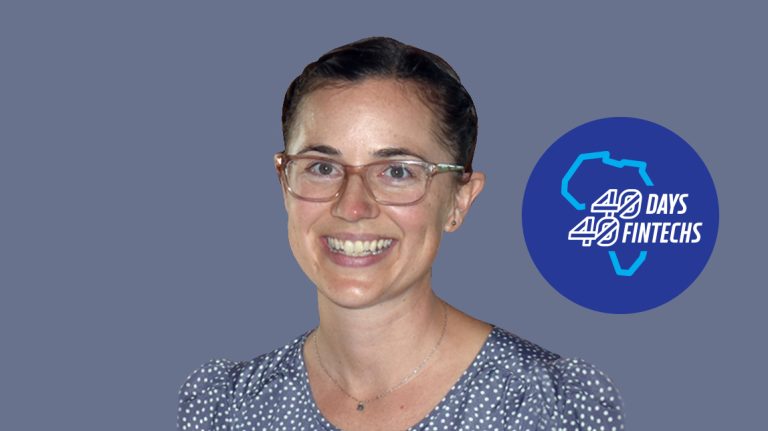
According to HiPipo CEO, Innocent Kawooya, this year’s edition is cementing the achievements of the previous editions – where over 60 FinTechs have been transformed – but also building on them to leverage digital financial inclusion in East Africa and beyond.

“40 Days 40 FinTechs initiative is bringing together DFSPs and stakeholders (including regulators and development partners) to drive discussions on building instant and inclusive payment systems that will solve the most emerging challenges that limit low-income users from onboarding onto formal financial platforms,” Kawooya said, adding;

“Thanks to initiatives like 40 Days 40 FinTechs and Level One Project among others, DFSPs, and FinTech stakeholders across Africa will soon gain access to fully functional IIPS regulatory sandboxes to prototype, build and test innovative digital products while evaluating Mojaloop technology with the aim of solving data/infrastructure localization government regulations and directives.”

Ends.

Numida has disbursed over USD 16 million worth of credit to 25,000 Small and Medium Enterprises

Our Reporter.

In Africa, the sources of business capital are usually personal funds, family, friends and loans. The first three are usually the ideal sources while the fourth is the most realistic.

As such access to affordable and readily available credit is key to the success and sustainability of businesses. Big and well-established businesses easily get funds from financial institutions because they have the required documentation and collateral security.

Unfortunately, the same can’t be said of start-ups, small and medium sized enterprises (SMEs). It even gets worse for informal businesses, which are the majority.

But with increasing uptake and advancement in technology, the future is looking brighter. Already, a few institutions are offering affordable digital loans to individuals and SMEs.

One of such organizations is Numida; a digital platform that provides convenient and unsecured working capital loans to African start-ups and SMEs. It doesn’t ask for paperwork, no collateral and the loan is processed within 24 hours. Since 2017, it has so far lent out over USD 16 million to SMEs. That is about UGX 60 billion.

Numida is the 16th participant in the 2022 40 Days 40 FinTechs initiative.

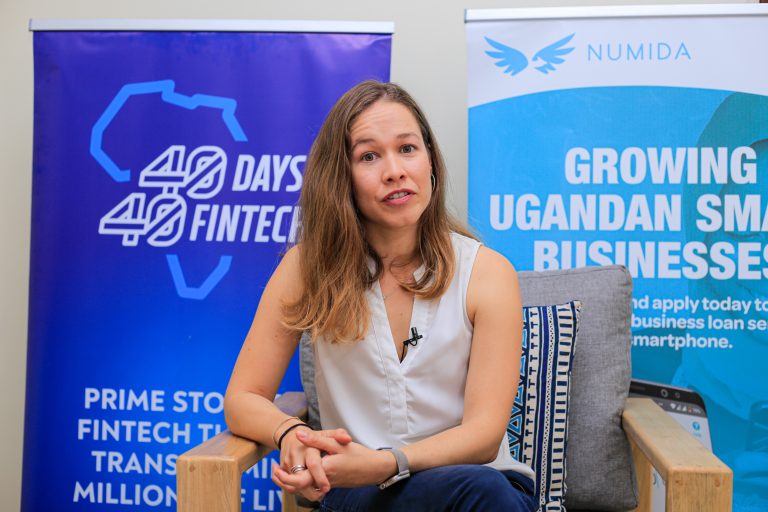
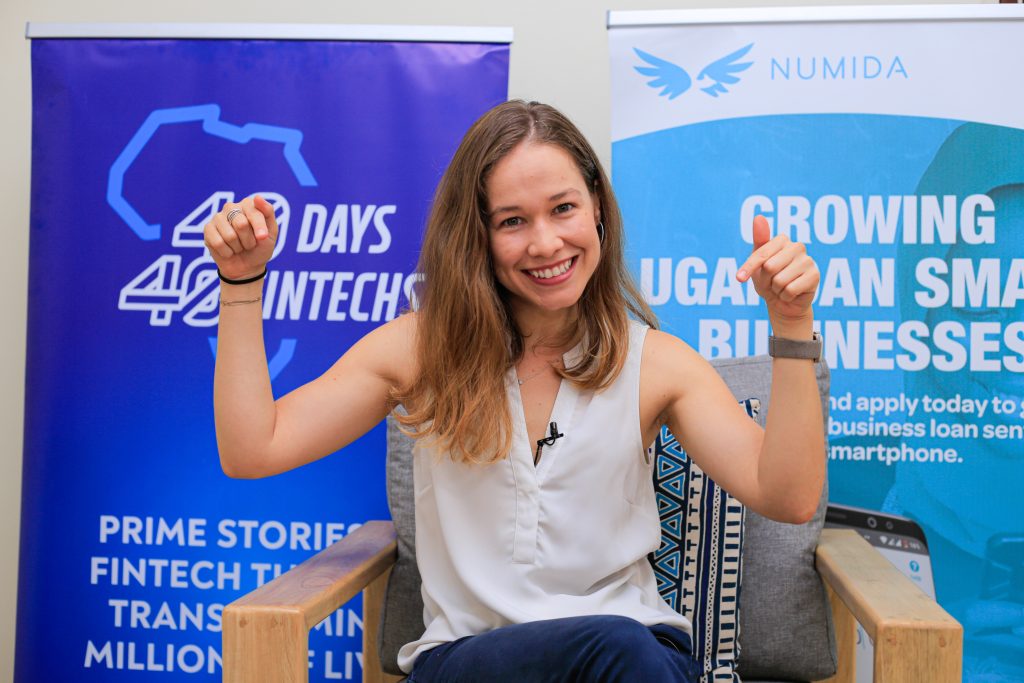
We had a detailed conversation with Ana Grajales, the Numida Uganda Country Director. Below is what she had to say about Credit, FinTech, supporting Small Businesses, Women Empowerment and Financial Inclusion.

QN: To those hearing about you for the very first time, what is Numida and what do you do?

ANS: Numida provides unsecured working capital loans to micro and small businesses through our mobile app. Our loans require no paperwork, no field visits, no collateral, and are disbursed quickly.

We are working to be the first and largest mobile platform in Africa focused on offering digital, convenient, and responsible financial services to semi-formal African micro and small businesses. Our ambition is to enable at least 1 million small business owners on the continent to achieve their dreams by 2030.

QN: Who is eligible for your credit facilities? What does one need to access your credit?

ANS: The people eligible for Numida loans are those that follow in this category;own a business and have some kind of proof of ownership, have a National ID (or Passport or Driving Permit), and have mobile money numbers in their names.

If you meet these requirements, then the next step is to download the Numida APP and fill in details about your business and upload some photos. Numida staff will then contact you and follow up. The loan is then sent to your phone through Mobile Money.

 QN: Tell us more about how you are supporting informal and undocumented businesses.

ANS: Our clients are businesses and business owners with different degrees of formality. From the mobile money shop around your corner; to your tailor or your favorite clothes shop or your local pharmacy. We lend them 30-day, working capital loans; starting from UGX 200,000 to UGX 10M; with flexibility that really matches the needs of the business.Our service is all about convenience. First time borrowers can get a loan within 48 hours of applying, and repeat customers can get their loan disbursed to their mobile money account in seconds; due to our efficient operations and proprietary technology.

QN: For the time you have been in business, how many Ugandans and local businesses have you extended credit to? How much credit have you given our so far?

ANS: We started lending to businesses in 2017; since then we have lent to more than 25,000 micro and small businesses.  We have disbursed more than USD 16 Million worth of credit to this segment of customers and we are excited to keep helping micro and small businesses grow.

There are 1.1 million micro and small businesses in UG and they contribute about 75% of GDP, so it is about time that micro businesses have the right tech and financing to match their needs.

QN: How is Numida enhancing Women Financial Inclusion?

ANS: Because we tailor our requirements to the business needs, we have been able to serve more informal and undocumented businesses, which are also more likely to be owned by women. Currently women make up 48 per cent of our portfolio, and this has been intentional.

In terms of staff, we are 54 percent female and similarly split on managerial positions. We intentionally seek diverse team members and build an environment that can retain diverse talent and help them thrive.

QN: As an entity actively involved in the FinTech space, are you implementing Level One Project Principles which are Industry Best Practices such as Tiered KYC, Accessibility on Low-Cost User Devices, Real-time/Immediate funds transfer, Same-day settlement, Pricing Transparency and Irrevocability?

ANS: We use the same principles to design our product; though we apply them differently. Tiered KYC is allowing customers to engage with you with minimum requirements or less of a KYC burden; and our whole philosophy is lending to informal businesses that may not have all of the documentation or requirements needed by commercial banks.

Same day settlement is a core principle of our product; we give convenient loans and services, within 24 hours or within seconds; we settle transactions on a near-instantaneous basis. Our application shows customers their outstanding balance, at any time, as well as up-to-date information about their business and maximum loan quote.

QN: In your opinion, how does the 40 Days 40 FinTechs initiative support the industry?

ANS: The 40 Days 40 Fintechs initiative showcases the diversity and innovation in our space; visibility is important in facilitating attention, creating support and nurturing potential collaboration and partnerships. We are happy to take part.

40 Days 40 FinTechs.  

Now in its third edition, #40Days40FinTechs has quickly grown into one of the world’s premier showcase events for the innovations that are enabling ever more people to join the digital economy space. That is surely going to remain the case, in large part due to the inspiration and collaboration that HiPipo partners – Level One Project, Mojaloop, ModusBox, and Crosslake Technologies generate, but mostly because of the continuing generous support of the Gates Foundation.

Run under HiPipo’s Include Everyone program that also encompasses other initiatives such as FinTech Landscape Exhibition, Women in FinTech Hackathon, Summit & Incubator and the Digital and Financial Inclusion Summit and Digital Impact Awards Africa; the #40Days40FinTechs platform aptly provides a setting for the various players and stakeholders involved in digital and financial technology to exhibit their products & Services and also share their ideas on how more of us, especially those unserved and underserved by the present financial systems, can be brought into the fold.

“The 40 Days 40 FinTechs initiative offers participants useful tools and an introduction to the industry’s emerging technologies, such as Mojaloop Open Source Software, and guidance from Level One Project foundational material. The skills gained from this initiative cover Level One Project Principles, Instant and Inclusive Payment Systems (IIPS), Inclusive Finance and FinTech in general.” Noted Innocent Kawooya, HiPipo CEO.

Ends.