Home Blog Page 69

Pivot Payments is saving Migrant Workers from Fraudsters and Funds Misappropriation

Our Reporter.

One of the biggest challenges faced by Ugandan migrant workers working in the Diaspora is money remittance. The cost of sending money is very high, ranging between five and ten dollars for transferring little amounts. On top of this, many have been defrauded of their hard-earned money – sometimes by their own relatives and friends who misappropriate it.

Imagine coming back home after two years of hustle in the Middle East and you realize that the house or business you were funding was all a hoax! That’s why we have lots of cases of depression and suicides among ‘returnees’.

It is ‘these’ depressions that Pivot Payments came to heal through an online banking system that allows one to conveniently manage their money without using a third party.

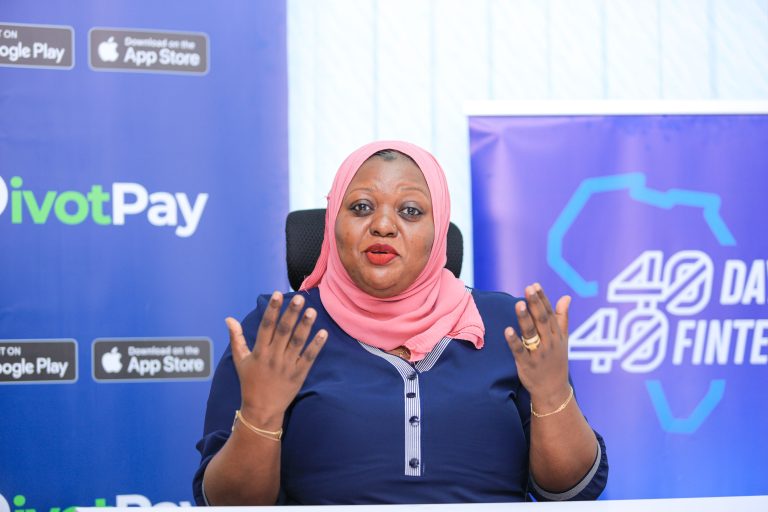
“The person just needs to download our mobile application and they will be able to save, send or spend money. This application is good for the Kadamas (Migrant Workers), as they are known. When they access Pivot Payments; they can save their money there because we have got a wallet; they are able to spend because they can pay bills directly from wherever they are for the people back home such as water and electricity bills or school fees; they can as well send it to the bank or mobile money wallet,” says Princess Shamirah Kimbugwe, the Founder and CEO Pivot Payments.

Born during the Covid-19 pandemic, Pivot Payment has received tremendous uptake because of the increasing demand and adoption of digital financial services.

“We were born in Covid. So, we were born out of fire….Covid in a sense shaped our resilience as a company. You have to fight to get a customer. Covid gave us a way to address the digital needs of that particular customer. Most businesses are closing, downscaling…but we have had to strengthen, we are going into other markets. We are expanding. So, Covid has harnessed our business…” says Kimbugwe.

According toKimbugwe, close to 170,000 people are banking with them with more than 16,000 using the mobile application. The platform has so far handled about 14 million US dollars in transactions. 

“Migrant workers from other countries are calling for our services. We are soon opening shop in Kenya, Tanzania and Ghana. Our ambition is to be in 10 markets across Africa by the end of next year,” she says.
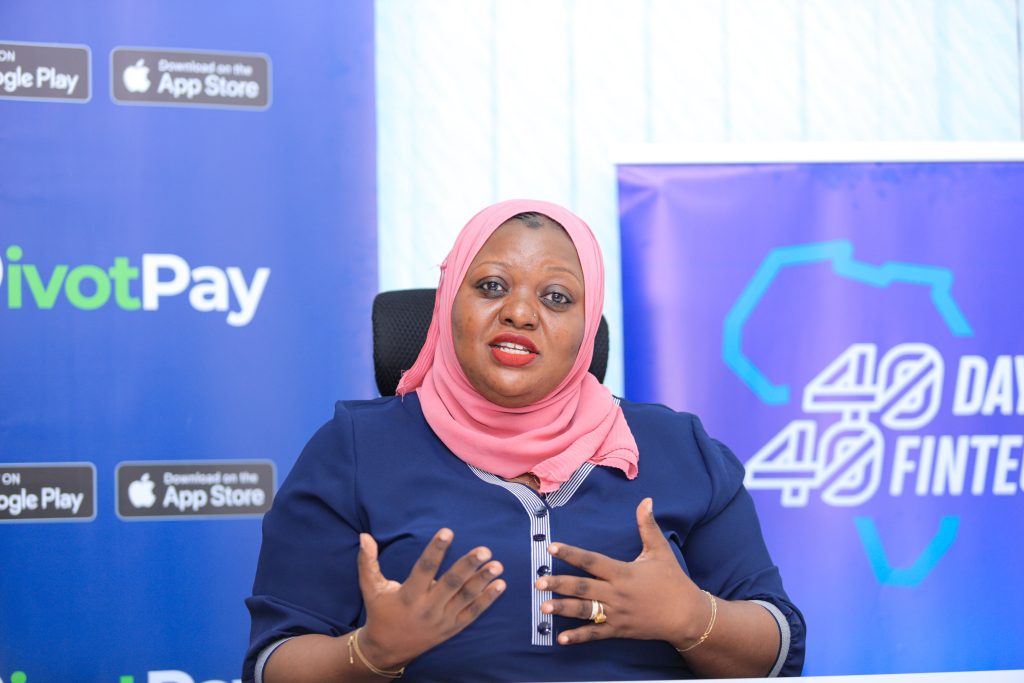
Given that they primarily target migrant workers in the Middle East, Kimbugwe says more than 70 percent of their customers are women, since many are there as domestic workers.

Prohibitive laws.

Kimbugwe notes that while Uganda’s FinTech industry has lots of promise, there are still many regulatory bottlenecks.

“The FinTech industry in Uganda is still in the infancy stage. If you have over 70 FinTechs in Uganda, how many of them are licensed? Only 14! What does that tell you about us? Availability of FinTechs is there but maturity is not there. When you come to regulation, there is a new regulation that is being operationalized. But the enforcement has gaps,” Kimbugwe notes, adding;  

“The law is financially prohibitive.  When you say the minimum capital requirement for a FinTech to be licensed is UGX250m, money supposed to sit in the bank, then there is a grey area. FinTechs are run by young people who can’t afford to raise such money! Uganda has attracted just about 250m US dollars in FinTech investment but Kenya is close to 1bn dollars and Nigeria 2bn dollars. What are they doing right that we are not? It goes down to the environment, the laws. Let’s look at regulation; how we attract players. If Google and Amazon are setting up in Nairobi, why not in Kampala. Why? Let’s revise our tax regime. Regulation regime.”

40-Days 40-FinTechs

Now in its third edition, #40Days40FinTechs has quickly grown into one of the world’s premier showcase events for the innovations that are enabling ever more people to join the digital economy space.

That is surely going to remain the case, in large part due to the inspiration and collaboration from the project partners – Level One Project, Mojaloop, ModusBox, and Crosslake Technologies generate, but mostly because of the continuing generous support of the Gates Foundation.

“Knowledge is power. The 40 Days 40 FinTechs initiative has given us knowledge of the existing players and what they are doing. You have opened a door for information and collaboration. If you realize that someone is doing something, you can partner and achieve more,” Kimbugwe says.

The 40 Days 40 FinTechs initiative offers participants useful tools and an introduction to the industry’s emerging technologies, such as Mojaloop Open Source Software, and guidance from Level One Project foundational material. The skills gained from this initiative cover Level One Project Principles, Instant and Inclusive Payment Systems (IIPS), Inclusive Finance and FinTech in general.

HiPipo CEO Innocent Kawooya appreciated Pivot Payments for simplifying banking and managing finances.
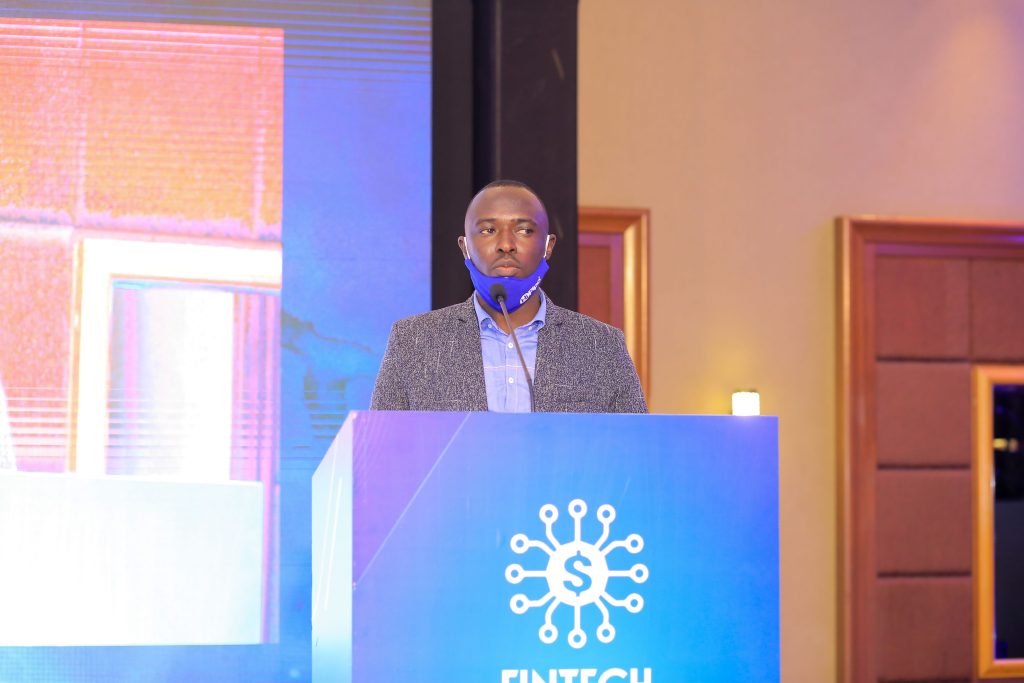
“Convenience is a very strong pillar for the success of any business and that is exactly what Pivot Payments is providing for our migrant workers. They can now comfortably be in Dubai and pay schools fees for their children back in Iganga, Masaka or Luweero without hustle. That is an ultimate financial inclusion model,” he said.

Kawooya added that this year’s edition is cementing achievements of the previous editions – where over 60 FinTechs have been transformed – but also building on them to leverage digital financial inclusion in East Africa and beyond.

“As HiPipo, our extensive effort and advocacy is partly for the intention of championing digital innovation and interoperable instant and inclusive payment systems (IIPS) in Africa to a point where our innovators enjoy and achieve sound profit margins to help them keep designing and deploying affordable and inclusive financial services for the poor,” he said.


Tawaza Diva is helping over 1,000 women and youth access digital loans

Our Reporter.

Many Ugandans are full of business ideas but their biggest bottleneck is the lack of capital and inability to access credit. For a financial institution to give your business a loan, they will ask for a trading license, national ID, bank statement, tax report among others.

They therefore get stuck in the informal sector where growth and expansion is very limited.

This is one of the reasons why Tawaza Diva was formed, to, first, provide affordable finance to women and youths in the rural and informal sector but also to transition them into the formal sector.

According to Winfred Nandawula, the TAWAZA Program Director, Tawaza Diva is a product of Tawaza Initiative, a development solutions hub established in 2018 currently operating as a non-deposit-taking financial institution. Tawaza has so far changed lives of more than 1000 women and youth in the rural and informal sector by giving them micro loans.

Nandawula says her passion for financial inclusion dates back to 2012 when she harbored the idea of teaching women some financial literacy, especially how to save for the future.

“The idea didn’t pick up at all,” she says, noting that she realized that the problem was actually bigger than financial literacy; it was financial inclusion

“As women, the social-cultural norms do not allow us to step out there and access finance because we need collateral, guarantors and sometimes banks would ask us to have our husbands sign for us…so, access to finance was difficult. We realized the actual problem was the limited penetration of banks. There were no branches in rural areas. That is when mobile money started and we were excited. We said this will increase financial inclusion.”

But although mobile money significantly improved financial inclusion, people took time to accept it, especially in the villages.

“They were skeptical about storing their money on the phone…what if it gets lost? That is why they chose to keep money at home or in kiosks and they end up losing it all in case of a fire outbreak or break-in. So, we had to teach people about technology and how these platforms work, safely.”

Since inception in 2018, Nandawula says Tawaza has picked pace, especially after the Covid-19 pandemic. The platform now boasts 86 individual borrowers and more than 600 people clustered in women and youth groups.

She, however, acknowledges the challenge that borrowers are finding it difficult to repay the loans, due to the bad business environment posed by the post-Covid effects.

“Our target now is to onboard these women and youths from the informal sector into the formal sector. This will help us access bigger credit/stimulus from partner banks or even Uganda Development Bank,” she says.

“There is not much that can be done if we don’t get women and youth into the formal sector…So, we are trying to formalize them without creating much tax burdens and other requirements.”

Meanwhile, Nandawula appreciates #40Days40FinTechs initiative for being an advocate for the adoption of financial technology because there is an urgent need to demystify the bad attitude towards Financial Technology. She, however, wants better laws that protect both the customers and providers of digital financial services.

40-Days 40-FinTechs

Tawaza is the 14th participant in Season Three of the #40Days40FinTechs initiative that seeks to shine a light on the unique stories about innovations that are enabling ever more people to join the digital economy space.

The initiative is run under HiPipo in partnership with the Level One Project, Mojaloop, ModusBox, and Crosslake Technologies with support from the Gates Foundation.

According to HiPipo CEO Innocent Kawooya, Tawaza’s focus to bail out women and youths is core to HiPipo’s Include Everyone program.

 “Women and young people are the drivers of the next generation. We must do everything possible to fully include them in the digital financial value chain,” he said.

He further called on digital innovators and FinTechs around East Africa to embrace 40 Days 40 FinTechs as Season three covers physical destinations in Uganda, Kenya, Tanzania, Burundi and Rwanda.

Kawooya added that this year’s edition will cement achievements of the previous editions – where over 60 FinTechs have been transformed – but also build on them to leverage digital financial inclusion in East Africa and beyond.

The #40Days40FinTechs platform is run under HiPipo’s broader Include Everyone program that also encompasses other initiatives such as FinTech Landscape Exhibition, Women in FinTech Hackathon, Summit & Incubator and the Digital and Financial Inclusion Summit and Digital Impact Awards Africa.

The platform offers participants useful tools and an introduction to the industry’s emerging technologies, such as Mojaloop Open Source Software, and guidance from Level One Project foundational material. The skills gained from this initiative cover Level One Project Principles, Instant and Inclusive Payment Systems (IIPS), Inclusive Finance and FinTech in general.

Zofi Cash is using FinTech to help Employees Access Salary Advances within minutes

Our Reporter.

Almost everyone has ever received a phone call or text with the person on the other side saying that s/he has an emergency and urgently needs financial assistance.

Such communication takes a lot of guts, and somewhat courage on the side of the requester because reaching out for help is never a guarantee that you will get that help. And usually, when you get a negative response, it is followed by personal embarrassment. 

Because emergencies happen daily, employees are always asking for short-term loans and salary advances. Unfortunately, most of these take days before they are processed thus defeating the reasoning behind asking for them, while others are never acted on at all.

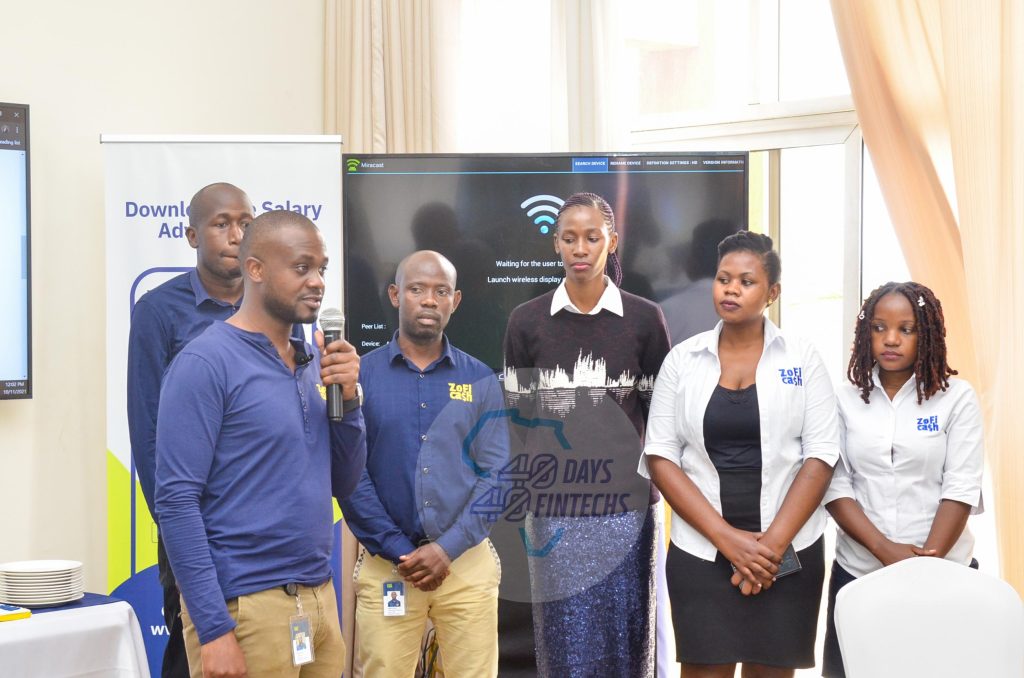
Having gone through such predicaments in the past, Paul Kirungi wouldn’t wish to see others go through the same. As such, together with a team of young innovators, he developed Zofi Cash, a digital financial platform that takes care of employees’ financial emergencies before payday.

“We know very well that across Africa, most people are paid once a month. The challenge is emergencies happen every day and most of the time, those emergencies cannot wait for that payday to come at the end of the month. People always need to access financial services that can help them bridge the emergencies – payday gap. So, basically that is the gap we are filling today with Zofi Cash,” Kirungi, the founder and CEO of Zofi Cash, explains the motivation behind this platform.

He adds: “We started working on Zofi Cash in 2019 and then COVID-19 hit. We continued to work on the platform until October 2021 when we launched our maiden product. Since then, we have been serving and people love our services because of our fast turnaround time. People are able to access salary advances in about two minutes.”

Zofi Cash offers salary advances at a very low-interest rate based on the number of days one holds his/her loan before their payday.

“Banks and other financial players are not an option during emergencies as they are stuck in the old ways of requiring security, banking history, and lots of paperwork. Honestly, very few people can pass this sieve. Having experienced this firsthand, we thought to ourselves, what if we made every day a payday? Access to earned wages without waiting for the month’s end to take care of those emergencies that can’t wait for the end of the month. With Zofi Cash, in just two minutes, a salaried employee can access a salary advance. We do this by partnering with employers who extend this service to their employees as a benefit,” Kirungi elaborates.

Zofi Cash is the 13th participant in the 2022 40 Days 40 FinTechs initiative organized by HiPipo in partnership with Level One Project, Mojaloop, ModusBox, and Crosslake Technologies and generously supported by the Gates Foundation.

Now in its third edition, the 40 Days 40 FinTechs initiative offers participants useful tools and an introduction to the industry’s emerging technologies, such as Mojaloop Open Source Software, and guidance from Level One Project foundational material. The skills gained from this initiative cover Level One Project Principles, Instant and Inclusive Payment Systems (IIPS), Inclusive Finance and FinTech in general.

According to Kirungi, Level One Project principles such as Same-Day settlement, Real-Time payments and Accessibility on Low-End Devices are non-negotiable at Zofi Cash because they are best practices for Financial Inclusion.

“We are already working on USSD-enabled lending for employees in rural areas that need access to our services on low-end devices and feature phones. We are gathering data that will continue to guide us on how to effectively build robust financial systems and one of such systems will be USSD based.”

Innocent Kawooya, the HiPipo CEO applauds Zofi Cash for using technology to innovate a solution that touches on real day-to-day problems that affect thousands of employees in East Africa and beyond.

“I thank Zofi Cash for coming up with a solution that has the capacity to transform Africa’s Salary and Wages payment system. As HiPipo, our extensive effort and advocacy is partly for the intention of championing digital innovation and interoperable instant and inclusive payment systems (IIPS) in Africa to a point where our innovators enjoy and achieve sound profit margins to help them keep designing and deploying affordable and inclusive financial services for the poor,” he said.

Merchandise Uganda is offering an online market with free stalls

Our Reporter.

Anyone doing business in Uganda will tell you that paying rent is one of their biggest nightmares. Whether you have made profits or not; whether you have spent the month sick or away attending to a patient, or whether you were in a Covid-19 lockdown; the landlord will always want their rent paid in full and on time!    

Failure to pay rent has actually been identified as one of the biggest reasons for the high turnover of businesses, especially in city arcades and malls.

It is against this background that Merchandise Uganda – an online marketplace – was formed.

Nurudin Busingye, the Merchandise Uganda General Manager says prevailing trends call for cheaper ways of doing business, and nothing beats online trading in cost-effectiveness.

“We realized that there is a lot of inequality in business where people don’t have money to rent at strategic locations. So, we said you can have your stock at home or you can import products and put them in a warehouse and open up an online shop on Merchandise Uganda to showcase your products to both local and international markets,” Busingye said.

On top of this, there is an estimated 20 million Ugandans who don’t have access to markets yet they have products to sell. And the rest of the population is looking for those products.

“So, at Merchandise Uganda, we developed this system to ensure that sellers have access to buyers and vice versa with just the use of their phones or computers,” he adds, noting that the main focus is on women SMEs.

“We see ourselves as a revolutionary company transforming traditional trade to global trade. People now work from home and have adopted technology; our goal is to ensure that Ugandan products are known not only to the local market but also the global market.”

HOW IT WORKS

When you have a business or products to sell, you just visit www.merchandiseuganda.com and open up a shop. A seller/trader is required to provide their name or business name, location, contact details, good photos of products and videos of how the products work (if need be).

When someone wants a product, they go to the website or download the Merchandise Uganda app and search for the product they want. Then people with such a product will be listed and the client can contact them directly.

“We have a partnership with delivery companies. All our suppliers are assigned to these logistics companies. So, when the client makes an order, the delivery company is notified to pick the product and deliver it,” he says, noting that clients use mobile money and banks to make payments.

“We are working on creating e-wallets to create a complete eco system…”

Started in 2019, Busingye says the Covid-19 pandemic saw a huge rise in the number of users with numbers jumping from less than 200 to more than 600 in just one year and more than 10 million product views.

“This is a good number. Remember these people don’t go to Merchandise Uganda to chat; they go there to do business,” he says.

Going International.

Merchandise Uganda is the 12th participant in this year’s 40 Day 40 Fintechs initiative by HiPipo.

Now in its third edition, the 40 Days 40 FinTechs initiative offers participants useful tools and an introduction to the industry’s emerging technologies, such as Mojaloop Open Source Software, and guidance from Level One Project foundational material. The skills gained from this initiative cover Level One Project Principles, Instant and Inclusive Payment Systems (IIPS), Inclusive Finance and FinTech in general.

Busingye is full of praise for the 40 Day 40 Fintechs initiative for having given them free publicity in last year’s edition which is already paying dividends.

“We recently had a partnership with a European company which wants to do business with Ugandan suppliers. We also got contacts in South Africa who want us to open a branch that side. All this was a result of the 40 Days 40 Fintechs 2021 edition,” he says.

And for Innocent Kawooya, the CEO HiPipo, this revelation is testament to their mission of connecting the global markets.

“The beauty about the digital market is that it has no barriers, and no borders. Merchandise Uganda’s story gives us the satisfaction our goal of Including Everyone is taking shape,” he said.

Busingye however calls for more sensitization of Ugandans about the use of technology and digital tools.

He adds that they introduced a program to support women get online shops for free.

“We are conducting trainings for women. We have over 65% women-led businesses on our platform. Our aim is not to make money, but to support the communities, especially women,” he says.

Meanwhile, Kawooya says Digital Innovators and FinTechs around East Africa should be more eager to embrace 40 Days 40 FinTechs as Season three covers physical destinations in Uganda, Kenya, Tanzania, Burundi and Rwanda.

He added that this year’s edition seeks to cement achievements of the previous editions – such as Merchandise Uganda – but also build on them to leverage digital financial inclusion in East Africa and beyond.

“As HiPipo, our extensive effort and advocacy is partly for the intention of championing digital innovation and interoperable instant and inclusive payment systems (IIPS) in Africa to a point where our innovators enjoy and achieve sound profit margins to help them keep designing and deploying affordable and inclusive financial services for the poor,” he said.
PayLater; Uganda’s Online Shop That Allows Installments

Our Reporter.

Many young corporates harbor dreams that would satisfy their heart’s desires. They would like to have nice cars, trendy phones, beautiful TV sets, durable furniture, name it! But their meager salaries are only enough for the daily essential needs. So, they keep dreaming!

However, PayLater Uganda has come to make these dreams a reality by introducing an online buy-now pay-later model of property acquisition.

Started in 2021, this e-commerce platform has made it easy for Ugandans to purchase commodities ranging from electronics to kitchen appliances to smartphones to furniture, car tyres to beauty products at their own pace and convenience.

“It is a fact that most Ugandans cannot afford to buy genuine commodities in one go. So, we introduced this digital lease-to-own platform where they can pay in installments and acquire the property of their dreams,” says Aaron Kasozi, the PayLater CEO.

Convenient

Kasozi says that they have about 15 approved suppliers of genuine branded products. So, if someone wants a product, they just visit www.paylaterug.com  where all product categories are listed.

The customer just needs to create an account, generate password and then apply for a product of their choice. Then the system picks customer details such as employment, how much they earn, next of kin, residential address, among others.

“Once the application is received, we have to vet the customer through the Know-Your-Customer system where they are asked for a copy of national ID, bank statement and other documented income sources and work ID. If a customer passes the credit rating process, then we can go to the next step,” he says.

Once vetting is done, the customer is contacted and written to formally to tell them that they qualify for a product or not.

“If they qualify, we sign a contract with the client and we engage the supplier and the customer pays the initial deposit. We break down the value of the product into six equal installments to ensure that the client pays up within six months,” Kasozi says, noting that only digital payments are accepted through FlexiPay, Visa, Mastercard and mobile money. They don’t accept cash at all.

Kasozi further explains that they work within a 30% rating whereby if someone earns Shs 1m per month, they should only qualify for a product where they will need to make monthly remittances of Shs 300,000.

To reduce risks, Kasozi says they work hand-in-hand with the credit reference bureau but also mainly focus on people in employment where due diligence can easily be done.

So far, more than 300 people have been able to own different products through this platform.

“It is very promising. We have had over 190,000 website hits and every month we get over 800 applications. Unfortunately, most of them do not qualify,” he said, before complimenting the 40Days40FinTechs initiative for extending a helping hand to startups that normally do not have the resources for marketing, customer education and awareness.

40-Days 40-FinTechs

PayLater is the 11th participant in Season Three of the #40Days40FinTechs initiative that seeks to shine a light on the unique stories about innovations that are enabling ever more people to join the digital economy space.

The initiative is run by HiPipo in partnership with the Level One Project, Mojaloop, ModusBox, and Crosslake Technologies with support from the Gates Foundation.

According to the HiPipo CEO Innocent Kawooya, initiatives such as PayLater are testament to the rising cases of adoption of online trading and other digital financial services.

“PayLater is a well-thought-out initiative because it touches the nerve of many young people. Many people are looking out for genuine products that they can acquire conveniently and PayLater provides just that,” Kawooya said.

He further called on digital innovators and FinTechs around East Africa to embrace 40 Days 40 FinTechs as Season three covers physical destinations in Uganda, Kenya, Tanzania, Burundi and Rwanda.

Kawooya, further noted that this year’s edition is cementing achievements of the previous editions – where over 60 FinTechs have been transformed – but also building on this success to leverage digital financial inclusion in East Africa and beyond.

“As HiPipo, our extensive effort and advocacy is partly for the intention of championing digital innovation and interoperable instant and inclusive payment systems (IIPS) in Africa to a point where our innovators enjoy and achieve sound profit margins to help them keep designing and deploying affordable and inclusive financial services for the poor,” Kawooya said.

He added: “It is exciting to see what the participants have to offer. And again, various stakeholders are on hand for more discussion and debate, with this time round extra insight from the likes of banks and MNOs. We are already having extensive discussions on Instant and Inclusive Payment systems, Central Bank Digital Currencies(CBDC), advancing convenience for users, cross-border payments and on micro-lending products (especially those offering facilities to persons and communities that are still on the bylines of finance and trade for example; women, PWDs and other SIGs),”

The #40Days40FinTechs platform is run under HiPipo’s Include Everyone program that also encompasses other initiatives such as FinTech Landscape Exhibition, Women in FinTech Hackathon, Summit & Incubator and the Digital and Financial Inclusion Summit and Digital Impact Awards Africa.

The platform aptly provides a setting for the various players and stakeholders involved in digital and financial technology to exhibit their products & Services and also share their ideas on how more of us, especially those unserved and underserved by the present financial systems, can be brought into the fold. It also offers participants useful tools and an introduction to the industry’s emerging technologies, such as Mojaloop Open Source Software, and guidance from Level One Project foundational material. The skills gained from this initiative cover Level One Project Principles, Instant and Inclusive Payment Systems (IIPS), Inclusive Finance and FinTech in general.

Her Duuka is helping over 500 women businesses survive Covid-19 hangover

Our Reporter.

The past two years of the Covid-19 pandemic literally placed everyone in their right place – for both good and bad reasons. On the bad side; businesses closed, people lost jobs, families were broken, education stagnated and the economy crumbled.

Like they say, in every challenge, there is always an opportunity. The pandemic, especially the lockdown, sharpened people’s minds to pave way for creativity, innovation and enterprise. Such terms as ‘working from home’, ‘new normal’ and ‘online trade’ became common and are now being put to good use.

For example, it was during the lockdown that Felix Balitumye realized the need to digitally empower women entrepreneurs whose businesses were on the rocks. Together with his team at Computing Palace Technologies, Balitumye created a digital e-commerce platform and named it Her Duuka where women would register their businesses and connect to customers digitally.

“The 2020 lockdown mostly affected women because they dominate the small retail businesses. We realized that there is need to empower them to stay afloat. Many had closed shops and their stock was just wasting away,” says Balitumye.

On the other hand, he says, people were all stuck at home but in great need of supplies, thus the need to connect suppliers to consumers. Her Duuka is a convenient online platform where one just needs to visit www.herduuka.com and register their business with specific product details, prices, location and contacts. Supplies range from home appliances, beauty, machinery, beverages, to foods and furniture.

“Our role is to register suppliers. All things on Her Duuka are owned by different people with independent businesses. If a person wants to buy, they go straight to Her Duuka and tap on the product and they are prompted to put details of where they want it delivered, payment mode, etc, and submit,” he says, noting that clients can pay using mobile money, cash on delivery or bank transfers.

Balitumye says this digital product has been a revelation to many women who had lost hope following the 2020 lockdown. To date, more than 500 businesses have registered on Her Duuka.

Because most women entreprenuers are either illiterate or semi-literate, Balitumye says that all entrants are taken through digital literacy trainings to ensure that they can ably use the platform.

“We then create a portal for every supplier which helps them manage daily transactions to track income and expenditure. In other words, it has an inbuilt financial management platform to help empower women in financial inclusion,” he says.

While they primarily enroll people with conventional businesses, Balitumye says they are now looking into incorporating people without physical shops or workshops. For instance, there are some students in hostels and even housewives who would want to register and sell their merchandise and make money.

“Even men are asking to join the platform but, for now, we want to maintain the brand, making sure that women are taking the front lead,” Balitumye says.

There is no business without challenges. Balitumye says they still face resistance from some people with a negative attitude towards e-commerce platforms because some have been previously duped by scammers.

“The other problem is financial empowerment… these businesses take long to make profits. So, you have to keep investing. It needs a lot of resilience…and massive investment,” he said before applauding the 40 Days 40 FinTechs initiative for the massive awareness and advocacy for FinTechs.

40-Days 40-FinTechs.

Her Duuka is the tenth participant in the 2022 40-Days 40-Fintechs initiative.

Now in its third edition, #40Days40FinTechs has quickly grown into one of the world’s premier showcase events for the innovations that are enabling ever more people to join the digital economy space. That is surely going to remain the case, in large part due to the inspiration and collaboration that our partners Level One Project, Mojaloop, ModusBox, and Crosslake Technologies generate, but mostly because of the continuing generous support of the Gates Foundation.

Digital Innovators and FinTechs around East Africa should be more eager to embrace 40 Days 40 FinTechs as Season three covers physical destinations in Uganda, Kenya, Tanzania, Burundi and Rwanda.

Run under HiPipo’s Include Everyone program that also encompasses other initiatives such as FinTech Landscape Exhibition, Women in FinTech Hackathon, Summit & Incubator and the Digital and Financial Inclusion Summit and Digital Impact Awards Africa; the #40Days40FinTechs platform aptly provides a setting for the various players and stakeholders involved in digital and financial technology to exhibit their products & Services and also share their ideas on how more of us, especially those unserved and underserved by the present financial systems, can be brought into the fold.

The 40 Days 40 FinTechs initiative offers participants useful tools and an introduction to the industry’s emerging technologies, such as Mojaloop Open Source Software, and guidance from Level One Project foundational material. The skills gained from this initiative cover Level One Project Principles, Instant and Inclusive Payment Systems (IIPS), Inclusive Finance and FinTech in general.

According to HiPipo CEO Innocent Kawooya, this year’s edition will cement achievements of the previous editions – where over 60 FinTechs have been transformed – but also build on them to leverage digital financial inclusion in East Africa and beyond. “As HiPipo, our extensive effort and advocacy is partly for the intention of championing digital innovation and interoperable instant and inclusive payment systems (IIPS) in Africa to a point where our innovators enjoy and achieve sound profit margins to help them keep designing and deploying affordable and inclusive financial services for the poor,” Kawooya said.