Home Blog Page 23

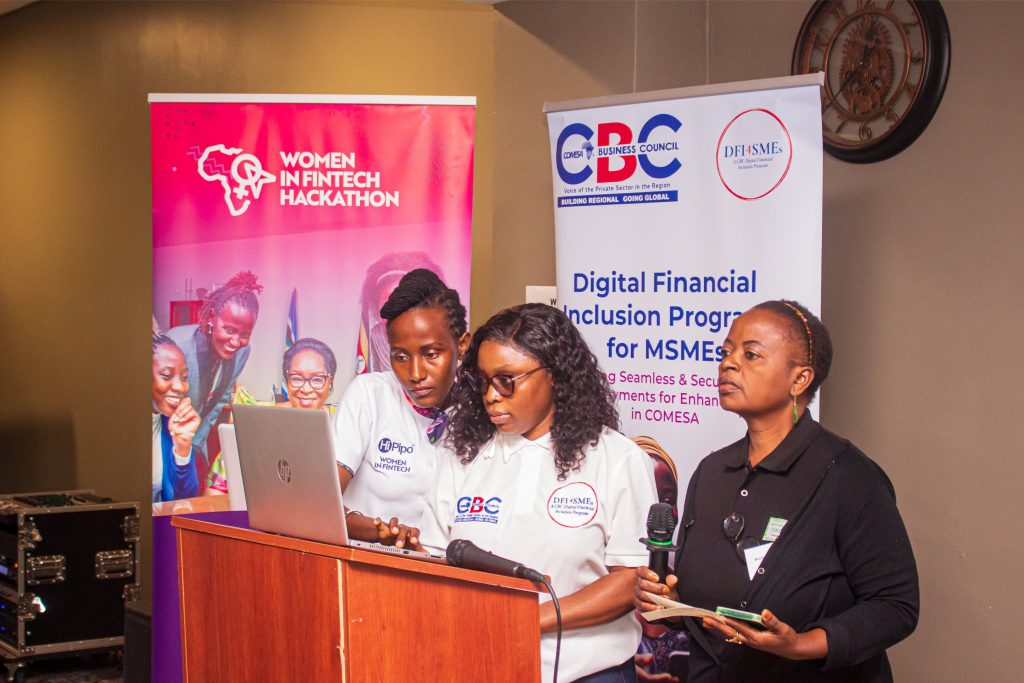
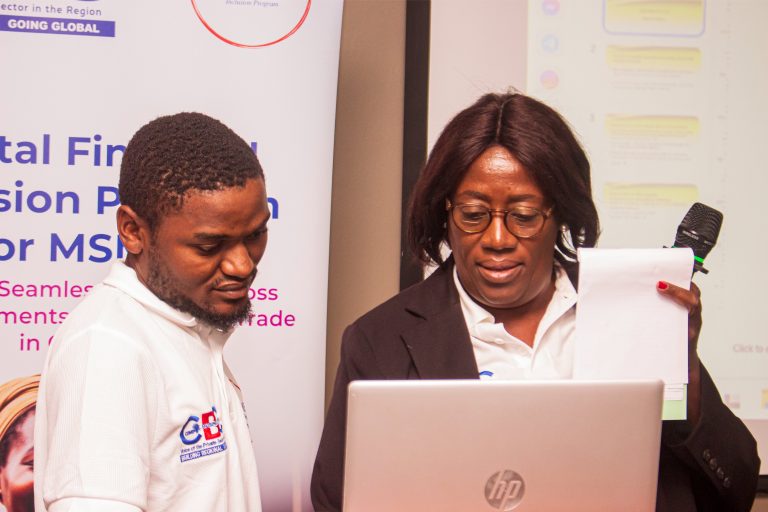
Empower Tech is providing Trade Information and GBV support to Women Traders. #40Days40FinTechs Zambia and Malawi edition, Day 40

In Malawi, more than half of cross-border traders lack access to trade information and financial literacy, leading to reduced participation in trade. In addition, Malawi will soon require all cash registers to send sales receipts instantly to tax authorities. According to observers, this development has the potential to reduce the numbers of existing supplies to those willing to integrate, thereby affecting business operations for different traders.

It is against this background that a team of innovators have developed a digital platform to assist traders to improve their financial viability.

We have developed a platform called Empower Tech. The information available on this platform includes market opportunities in both Zambia and Malawi, trade agreements between the two countries, business registration, export requirements, information on COMESA’s simplified trade regime, etc,” said Mary Malunga, a co-founder at Empower Tech explained.

In addition to trade information, the platform also supports reporting of gender-based violence and includes a point-of-sale functionality.

“Since over 80 per cent of informal cross-border traders in Malawi are women, we also found that many of them face various forms of gender-based violence and sexual harassment. They can use the platform to report this,” she added.

The Empower Tech product is accessible via both USSD and a mobile application, ensuring inclusion and accessibility for all.

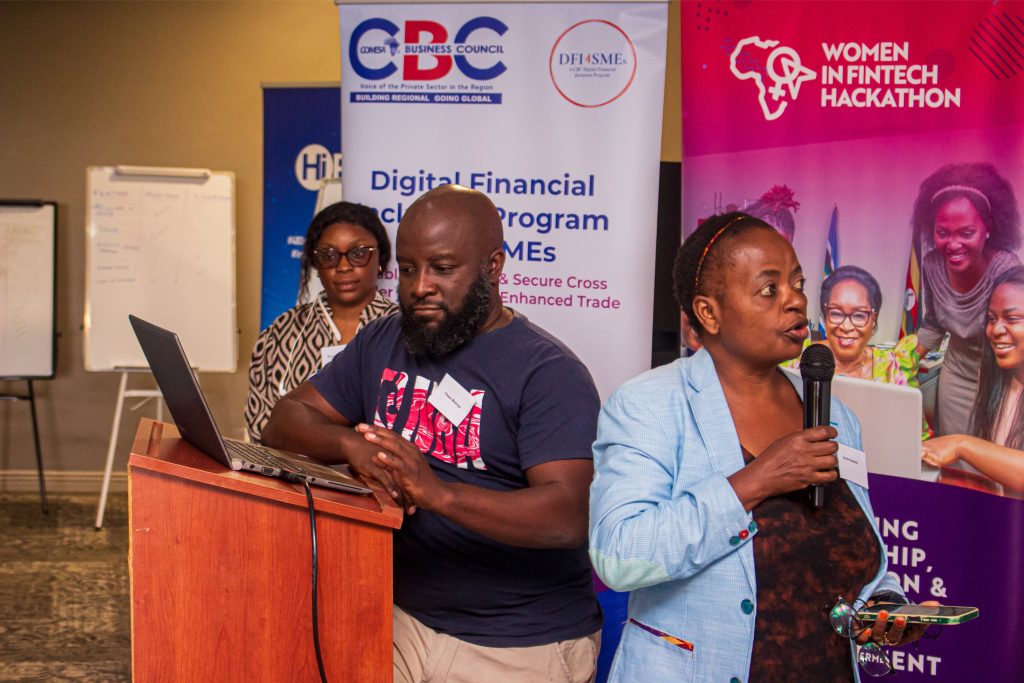
WOMEN IN FINTECH HACKATHON

“We have a mobile application and a WhatsApp bot, especially for Gender-Based Violence,” noted Khumbo Zimba from Empower Tech.

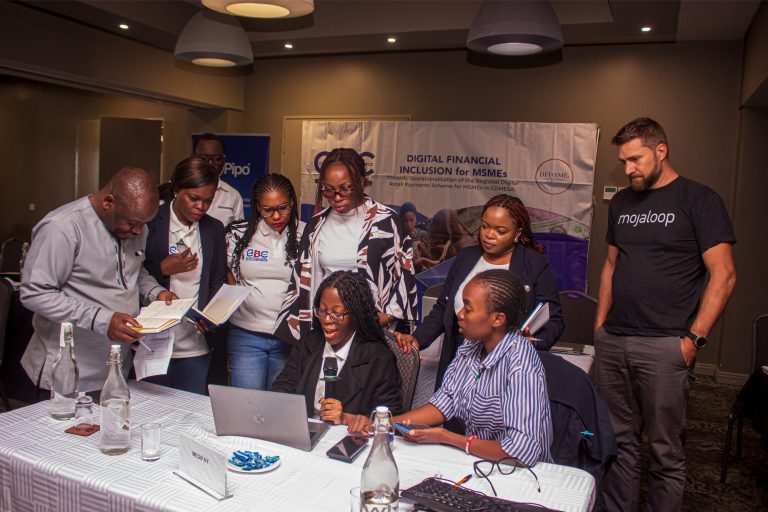
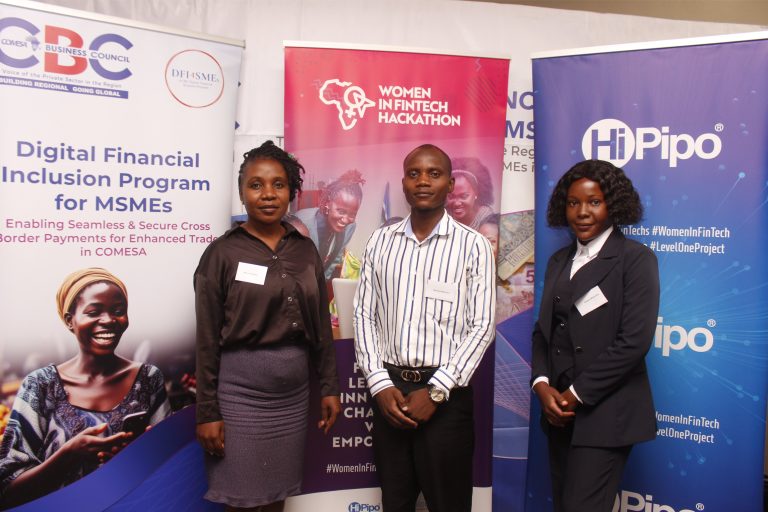
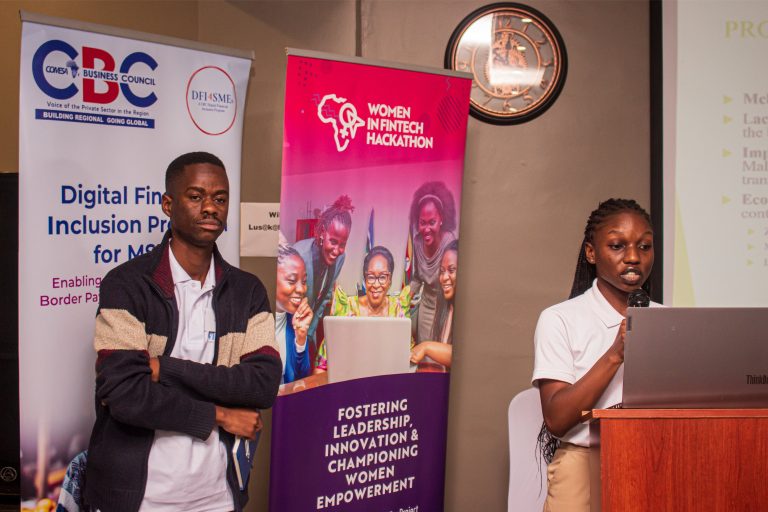
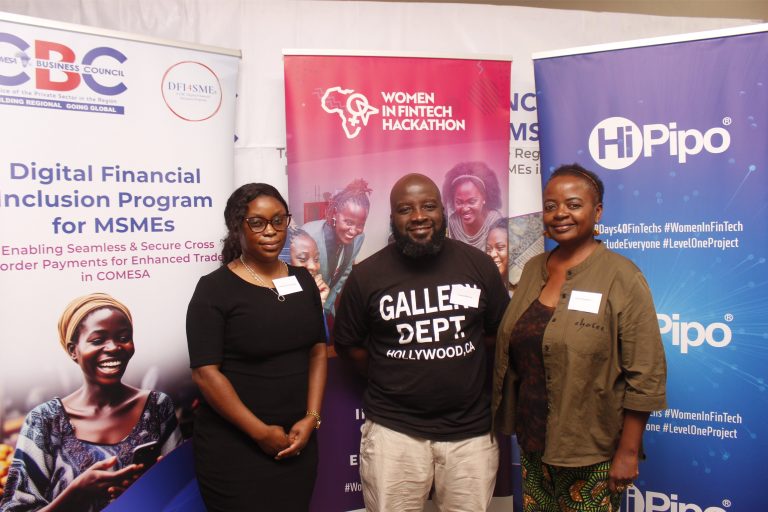
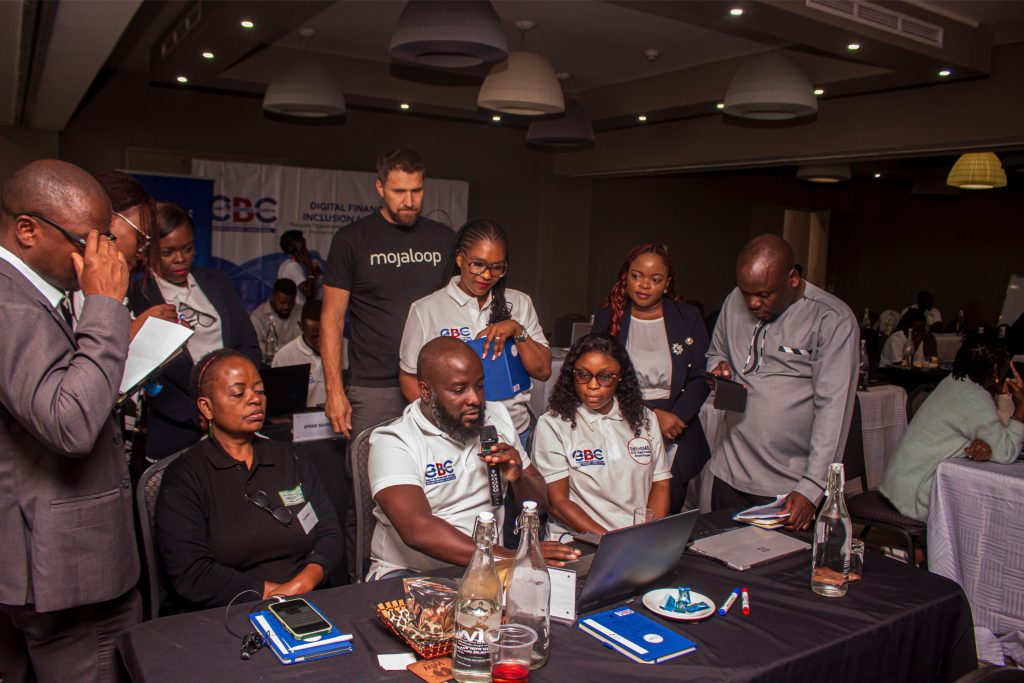
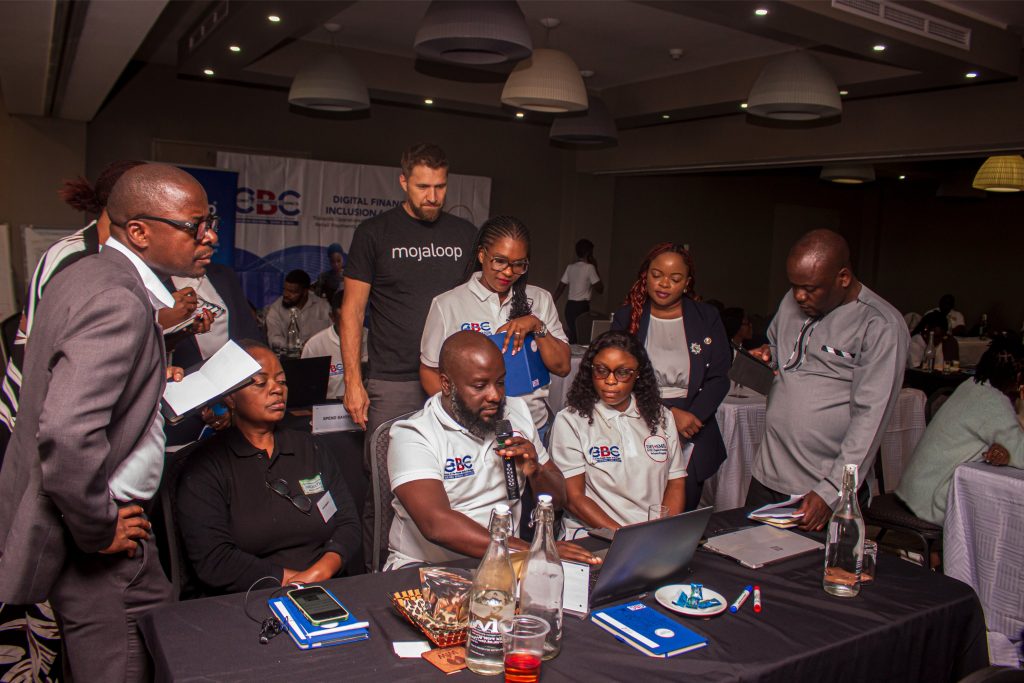
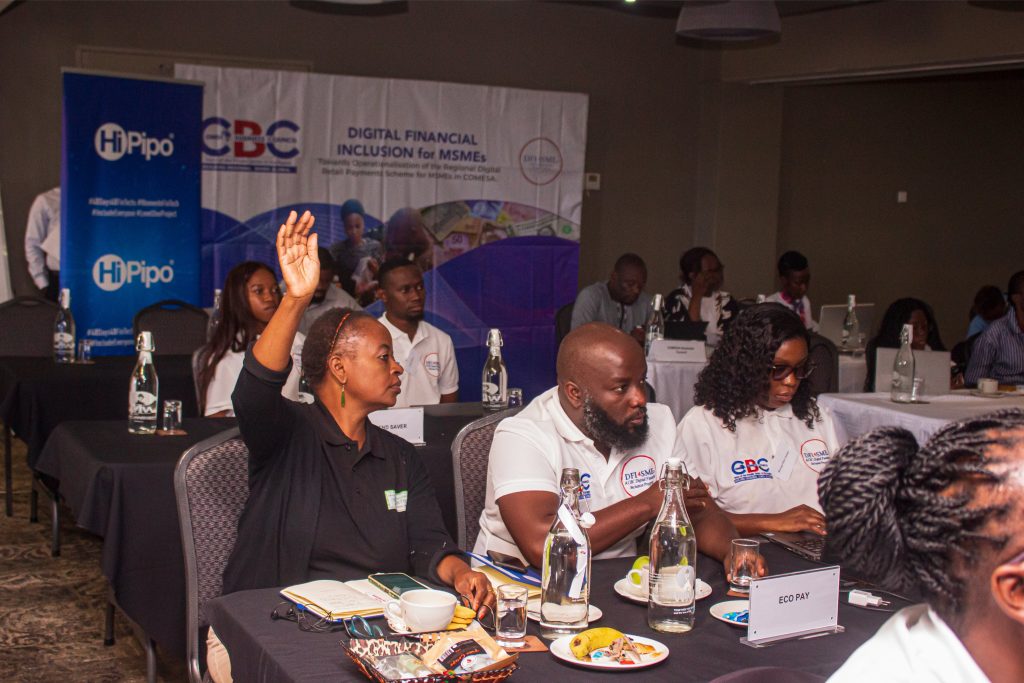
Empower Tech were one of the 16 FinTechs that participated in the inaugural COMESA Women in FinTech Hackathon organised in Lusaka, Zambia by HiPipo and COMESA Business Council (CBC).
They praised the hackathon as a powerful experience where they learned how to develop a compelling business case.

“This Hackathon has been instrumental in assisting us develop our product, especially in terms of branding,” Malunga added.

The team was also excited to be introduced to Mojaloop open source software at the Hackathon.

“Before we came here, we didn’t know about Mojaloop we have been introduced to Mojaloop as a switch that can connect us to different digital service providers… it means should our ideas come later in future, that will include integration with payment gateways, we will not have difficulties, it will be easy for us to integrate and make payments across the COMESA region,” noted Khumbo Zimba.

Empower Tech featured on Day 40 of the 40 Days 40 FinTechs initiative; Zambia and Malawi edition. The roll-out of the 40 Days 40 FinTechs initiative in Zambia and Malawi followed its success in East Africa. Over the past 5 years, the 40 Days 40 FinTechs initiative has featured over 200 FinTech stories from Uganda, Tanzania, Kenya, and Rwanda. This initiative has also engaged hundreds of end-users and shared their stories with millions worldwide.

The primary objective of this initiative is to support and showcase innovative FinTech giants and start-ups from across Africa, with a focus on promoting financial inclusion and economic growth, in addition to giving start-ups access to the resources they need to develop new and innovative financial solutions that can benefit underserved populations. Such resources include but are not limited to Level One Project guidelines, Mojaloop Open Source Software and Inclusive Finance systems, etc.
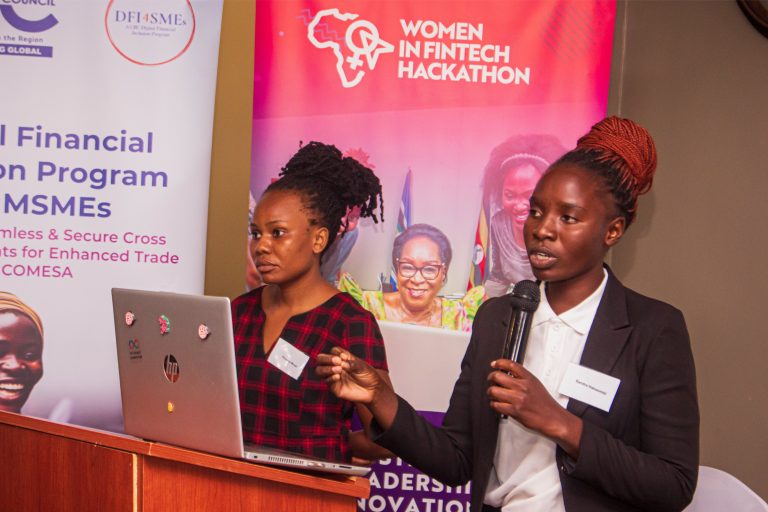
Entrepreneur Crowdfunding Platform is helping women traders raise money using technology. #40Days40FinTechs Zambia and Malawi edition, Day 39

In Zambia and Malawi, most informal cross-border businesses are owned by women and underserved groups. However, these businesses often struggle to secure funding due to strict banking requirements, lack of collateral, and limited investor trust.

This challenge forced a team of young innovators to design a crowdfunding platform to empower entrepreneurs with secure, transparent, and decentralized fundraising solutions using blockchain technology.

Dubbed the Entrepreneur Crowdfunding Platform, this platform connects startups, business women and small businesses to a global network of investors and backers while ensuring transparency, trust, and efficiency through the use of smart contracts and cryptocurrency.

“Our goal is to redefine the way entrepreneurs raise funds by providing them with direct access to capital while offering investors a secured way to support emerging businesses. By leveraging blockchain’s inherent benefits, we aim to disrupt the traditional crowdfunding industry and promote financial inclusion on a global scale,” noted Florence Mvula, the Founder of Entrepreneur Crowdfunding Platform.

Participation in Women In Fintech

The Entrepreneur Crowdfunding Platform was conceptualized during the inaugural COMESA Women in FinTech Hackathon organised by HiPipo and COMESA Business Council (CBC).

According to Sandra Habasimbi, a co-founder, the Hackathon experience was impactful, offering the team a chance to connect with fellow innovators and gain valuable insights from mentors and facilitators from different walks of life.

They were also happy to receive training on the importance and use of Mojaloop Open-source Software and Level One Project principles such as inclusivity and instant payments.

They especially expressed their gratitude to the organisers of the hackathon, which attracted 16 teams from Zambia and Malawi, for providing such a meaningful opportunity to learn and build connections.

“We would like to thank HiPipo, COMESA Business Council and the Gates Foundation for this initiative that is bringing together like-minded people to ideate and innovate, especially products that target women and vulnerable groups,” Mvula noted.

Entrepreneur Crowdfunding Platform featured on Day 39 of the 40 Days 40 FinTechs initiative; Zambia and Malawi edition. The roll-out of the 40 Days 40 FinTechs initiative in Zambia and Malawi followed its success in East Africa. Over the past 5 years, the 40 Days 40 FinTechs initiative has featured over 200 FinTech stories from Uganda, Tanzania, Kenya, and Rwanda. This initiative has also engaged hundreds of end-users and shared their stories with millions worldwide.

The primary objective of this initiative is to support and showcase innovative FinTech giants and start-ups from across Africa, with a focus on promoting financial inclusion and economic growth, in addition to giving start-ups access to the resources they need to develop new and innovative financial solutions that can benefit underserved populations. Such resources include but are not limited to Level One Project guidelines, Mojaloop Open Source Software and Inclusive Finance systems, etc. 

MediPay is utilizing FinTech to provide health insurance for Rural Women. #40Days40FinTechs Zambia and Malawi edition, Day 38

In Zambia and Malawi, many people use out-of-pocket (OOP) payments for their health expenditure because they lack appropriate and affordable health insurance products.

This burden often leads to delayed or foregone medical care, exacerbating health disparities and increasing vulnerability to financial hardship.

Without intervention, these financial barriers are likely to perpetuate cycles of poor health and poverty among women, with broader implications for community well-being.

It is this challenge that Team MediPay set out to address when they participated in the 2025 COMESA Women in FinTech Hackathon for Zambia and Malawi organised by HiPipo and COMESA Business Council (CBC).

“There are over 21 million women in Zambia and Malawi, more than half of those women do not have healthcare insurance or healthcare services. MediPay is here to change that narrative,” noted Foster Mulenga, a co-founder at MediPay.

According to team members, they developed this cross-border digital health financing and payment platform to help women have access to, save for, and pay for healthcare services.

“MediPay is a cross-border digital health financing and payment platform designed to help underprivileged women who do not have access to healthcare services by providing them with loans and insurance services,” explained Chansa Kashell Mwenya from MediPay.

Women in FinTech participation

During the Hackathon, the team developed this InsurTech platform and engaged with facilitators and mentors to further finetune their proposition.

“We intend to partner with loan [financial service providers] and insurance providers. They will be the ones to sponsor the loans and the insurance. On their side, they will have an expanded customer base through MediPay,” noted Faith Chulu from MediPay.

They described the Hackathon experience as very demanding, but ultimately rewarding.

“The experience of the Hackathon has been worth it. The networking, we have learnt new things. As software developers, we don’t normally know much about business management but we have been trained in those aspects,” added Mwenya.

The team was especially excited to be introduced to Mojaloop; an open-source software that supports real-time payment systems.

“As a subscriber on our platform, if you request for a loan on the platform, we will give you an instant payment, irrespective of whether you are in Zambia or Malawi,” she added.

MediPay featured on Day 38 of the 40 Days 40 FinTechs initiative; Zambia and Malawi edition. The roll-out of the 40 Days 40 FinTechs initiative in Zambia and Malawi followed its success in East Africa. Over the past 5 years, the 40 Days 40 FinTechs initiative has featured over 200 FinTech stories from Uganda, Tanzania, Kenya, and Rwanda. This initiative has also engaged hundreds of end-users and shared their stories with millions worldwide.

The primary objective of this initiative is to support and showcase innovative FinTech giants and start-ups from across Africa, with a focus on promoting financial inclusion and economic growth, in addition to giving start-ups access to the resources they need to develop new and innovative financial solutions that can benefit underserved populations. Such resources include but are not limited to Level One Project guidelines, Mojaloop Open Source Software and Inclusive Finance systems, etc. 

Petruwalus is using FinTech to serve Peanut lovers in Africa #40Days40FinTechs Zambia and Malawi edition, Day 37

Many Africans are peanut lovers, yet there is a significant gap in the availability of innovative peanut snacks across the continent. To address this challenge, a team of young innovators from Zambia is developing an e-commerce web application to help organic peanut farmers sell their products.

Operating under their company, Petruwalus Food Production, this Zambian start-up is developing an e-commerce web platform and mobile application that helps organic peanut farmers and consumers to access peanut products and services.

“This platform enables a secure and seamless digital payment method for consumers of peanut snacks especially in the underserved rural communities in Africa to overcome cash transaction barriers,” said Naluca Waluka, the company CEO.

“We also plan to use this application to engage farmers nationwide, enabling us to pay them directly for the raw materials they supply,” she added.

Women in FinTech

Pretruwalus joined 15 other FinTechs from Zambia and Malawi to participate in the 2025 COMESA Women in FinTech Hackathon, organised by HiPipo and COMESA Business Council (CBC).

At the Hackathon, the teams received mentorship and training in product ideation and development. According to the team members, the hackathon opened their eyes to the vast opportunities within the FinTech ecosystem, particularly through networking and mentorship.

“We have networked with different brands and through the mentorship we have received, we are confident that we will be able to expand our business,” noted Gladys Mwandila from Petruwalus.

On the technical side, the team was excited to receive training on Mojaloop and is confident about incorporating it into their product development.

“We want clearing to happen in one second. If I am sending money to you, it should be able to reach the other side in one second,” advised Philip Green from Mojaloop.

Petruwalus featured on Day 37 of the 40 Days 40 FinTechs initiative; Zambia and Malawi edition. The roll-out of the 40 Days 40 FinTechs initiative in Zambia and Malawi followed its success in East Africa. Over the past 5 years, the 40 Days 40 FinTechs initiative has featured over 200 FinTech stories from Uganda, Tanzania, Kenya, and Rwanda. This initiative has also engaged hundreds of end-users and shared their stories with millions worldwide.

The primary objective of this initiative is to support and showcase innovative FinTech giants and start-ups from across Africa, with a focus on promoting financial inclusion and economic growth, in addition to giving start-ups access to the resources they need to develop new and innovative financial solutions that can benefit underserved populations. Such resources include but are not limited to Level One Project guidelines, Mojaloop Open Source Software and Inclusive Finance systems, etc. 

Chalo Money is using FinTech to help Farmers access digital market tools. #40Days40FinTechs Zambia and Malawi edition, Day 36

Malawi and Zambia are agriculture-driven countries, with more than half of their populations relying on smallholder farming.

However, there is currently no centralized or regulated market control at the Mwami-Mchinji one stop border post, which is the main border point between these two countries, leading to fragmented trade practices.

To address these challenges, Chalo Money has developed a USSD-based platform tailored to the needs of smallholder farmers in Malawi and Zambia.

According to Wongani Msumba, the founder of Chalo Money, this platform allows farmers to engage in both local and cross-border transactions using feature phones, which are more widely accessible in rural areas compared to smartphones. By offering affordable forex and local transfer fees, the platform reduces transaction costs and enhances market access for smallholder farmers, ultimately supporting their economic growth.

“We thought that using feature phone penetration would be good because most farmers have feature phones,” she said.

Women in FinTech Hackathon Participation

Following their participation in the COMESA Women in FinTech Hackathon organised by HiPipo and COMESA Business Council (CBC), the team is confident that the training and mentorship received were critical in refining their solution.

“Initially our solution was all over the place but following our participation in the Hackathon, we were able to narrow it down from transparency to market access down to market control,” she added.

They were especially pleased with the inclusivity aspects embedded in the Level One Project principles, which they hope to integrate into their product.

“The core principles of the Level One Project are inclusivity, interoperability and push payments, we are bringing together low-level income households to be able to participate in this financial scheme. For interoperability, we want to bring DFSPs together using Open API,” noted Horace Lwanda from Chalo Money.

Chalo Money featured on Day 36 of the 40 Days 40 FinTechs initiative; Zambia and Malawi edition. The roll-out of the 40 Days 40 FinTechs initiative in Zambia and Malawi followed its success in East Africa. Over the past 5 years, the 40 Days 40 FinTechs initiative has featured over 200 FinTech stories from Uganda, Tanzania, Kenya, and Rwanda. This initiative has also engaged hundreds of end-users and shared their stories with millions worldwide.

The primary objective of this initiative is to support and showcase innovative FinTech giants and start-ups from across Africa, with a focus on promoting financial inclusion and economic growth, in addition to giving start-ups access to the resources they need to develop new and innovative financial solutions that can benefit underserved populations. Such resources include but are not limited to Level One Project guidelines, Mojaloop Open Source Software and Inclusive Finance systems, etc. 

EcoPay using FinTech to solve Zambia’s charcoal problem. #40Days40FinTechs Zambia and Malawi edition, Day 35

Approximately 70% of Zambian households rely on charcoal or firewood for cooking, yet there are some few clean energy solutions in the country.

It is this problem that Zambian FinTech EcoPay sought to address during their participation in the 2025 COMESA Women in FinTech Hackathon, by ideating eco-friendly cooking solutions in Zambia and beyond.

EcoPay has developed a secure, efficient, and user-friendly payment system where people can acquire ethanal oil and eco-friendly cookers as substitutes to charcoal.

“EcoPay is a digital payment platform designed to facilitate the adoption of eco-friendly cooking solutions in Zambia. By providing a secure, efficient, and user-friendly payment system, we aim to increase access to clean energy solutions, improve the financial inclusion of women entrepreneurs and the youths; and reduce carbon emissions from cooking,” noted Annie Chabala Kapapula, Team Lead at EcoPay.

“We are planning to introduce an ethanol cooker and ethanol cooking gel, so that people can stop using charcoal especially in this dispensation of load shedding, everybody is really using charcoal,” she said, noting that they target at least millions of Zambians.

“Now it is a digital age, even if we are in the rural part of Zambia, people have feature phones as some have smartphones. We are ensuring that everybody who has a phone is able to buy our product, is able to know the price and where to get it,” Kapapula noted.

The solution is a short-code-based payment platform, enabling easy access to eco-friendly cooking products, seamless integration with mobile money, and credit cards.

On the tech side, the team is leveraging Mojaloop Open Source Software, especially its inclusiveness and instant payment functionalities.

“Mojaloop and Level One Project are enablers; so, with these, our platform will enable people make payments efficiently and instantly, because more people are not using cash anymore,” noted Chawa Mulengo, the Team Developer.

As participants in their first-ever COMESA Women In FinTech Hackathon, the team was happy to meet, network and collaborate with fellow innovators.

“We are grateful to COMESA Business Council (CBC) and HiPipo for the opportunity to showcase and refine our idea,” she said.

EcoPay featured on Day 35 of the 40 Days 40 FinTechs initiative; Zambia and Malawi edition. The roll-out of the 40 Days 40 FinTechs initiative in Zambia and Malawi followed its success in East Africa. Over the past 5 years, the 40 Days 40 FinTechs initiative has featured over 200 FinTech stories from Uganda, Tanzania, Kenya, and Rwanda. This initiative has also engaged hundreds of end-users and shared their stories with millions worldwide.

The primary objective of this initiative is to support and showcase innovative FinTech giants and start-ups from across Africa, with a focus on promoting financial inclusion and economic growth, in addition to giving start-ups access to the resources they need to develop new and innovative financial solutions that can benefit underserved populations. Such resources include but are not limited to Level One Project guidelines, Mojaloop Open Source Software and Inclusive Finance systems, etc.