Home Blog Page 3

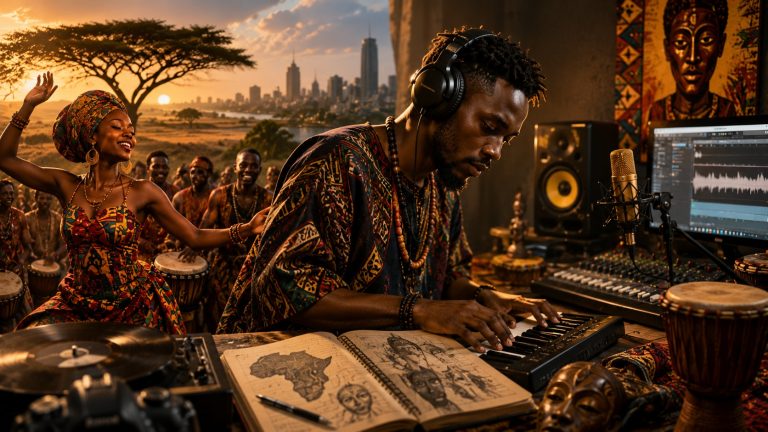
MUSIC IS NOT A HOBBY. IT IS A MULTI-BILLION-DOLLAR BUSINESS — AND INVESTMENT IS INEVITABLE

One of the biggest lies ever told to young African artists is that talent alone is enough.

It is not.

Talent may open the door, but investment, structure, strategy, branding, consistency, and business discipline are what sustain careers, build empires, and transform musicians into global cultural forces.

Music is not charity.
Music is not luck.
Music is not magic.

Music is business.

And like every serious business in the world, it demands sacrifice, planning, capital, risk-taking, patience, and continuous reinvestment.

Across Africa, countless young people wake up every morning with dreams of becoming musicians, producers, songwriters, DJs, video directors, or entertainment entrepreneurs. Many possess extraordinary talent. Some have voices capable of moving nations. Others have lyrical brilliance powerful enough to inspire generations.

But raw talent without investment often dies quietly.

That reality may sound harsh, but it is true.

A young entrepreneur in Kampala may sell family property to start a business in downtown arcades. A trader may take a loan to open a wholesale shop in Kikuubo. A boda rider may save for years to buy a motorcycle. A farmer may invest heavily before harvesting returns months later.

Music is no different.

The entertainment industry is a commercial ecosystem built around money, infrastructure, branding, visibility, distribution, relationships, technology, and influence. It is an industry that creates millionaires, global celebrities, political influencers, and cultural icons capable of shaping elections, movements, conversations, fashion, language, and entire generations.

Yet too many young artists enter the industry emotionally prepared but financially unprepared.

That is where the struggle begins.

Every serious musician needs a business mindset before chasing fame.

An artist must ask:
What is my long-term strategy?
How will I finance my growth?
What is my production budget?
How will I market myself?
How will I distribute my music?
What makes my brand commercially sustainable?
How will I reinvest my profits?

Without answers to those questions, even extraordinary talent can remain invisible.

Music production itself is expensive. Audio recording costs money. Mixing and mastering cost money. Professional songwriting, beat production, vocal coaching, branding, photography, artwork, visual storytelling, choreography, styling, public relations, digital marketing, streaming campaigns, social media management, tour logistics, video production, distribution, and media visibility all require investment.

None of these things appear magically.

And in today’s digital entertainment economy, competition is more intense than ever before.

Thousands of songs are uploaded every single day across streaming platforms and social media channels. Attention itself has become one of the world’s most valuable currencies. Artists are no longer competing only with musicians from their neighbourhoods or countries. They are competing globally for visibility inside algorithms designed to reward consistency, engagement, branding, and audience retention.

That means music can no longer be approached casually.

Artists who refuse to invest in themselves often end up frustrated by an industry they never truly prepared for.

Many upcoming musicians expect free recording sessions, free video shoots, free airplay, free promotion, free management, free marketing, and free distribution. Yet those same services are businesses run by professionals who also survive through investment and commercial returns.

A producer invests in studio equipment.
A videographer invests in cameras and editing software.
A radio station invests in infrastructure and licensing.
A DJ invests in branding, sound equipment, and audience-building.
A media company invests in platforms and visibility.

Why then should music promotion be expected to operate outside economic reality?

This misunderstanding has damaged many creative careers across Africa.

The truth is simple: visibility costs money.

Globally, major artists spend enormous amounts of money promoting music. Billboard campaigns, streaming promotions, tour support, influencer campaigns, television advertising, public relations, playlist pitching, fan experiences, merchandising, digital advertising, and strategic partnerships are all part of modern music business infrastructure.

The world’s biggest artists do not merely create songs.
They build ecosystems around those songs.

Some record labels invest millions before a single album is released. Others acquire media companies, radio stations, event platforms, or digital distribution channels to strengthen visibility and control promotion. Entire entertainment empires are built on understanding one core principle: art alone is not enough without business structure.

And Africa’s creative industry must increasingly embrace this reality if it hopes to compete sustainably on the global stage.

This does not mean independent artists cannot succeed. In fact, technology has opened unprecedented opportunities for creators. Digital distribution platforms, streaming services, mobile money, creator monetisation tools, direct-to-fan platforms, and social media have lowered barriers to entry.

But accessibility does not eliminate the need for investment.

Even in the digital era, successful artists still invest heavily in consistency, branding, audience development, storytelling, visuals, marketing strategy, and professional growth.

The artists who survive longest are usually those who understand both creativity and commerce.

Music must therefore be treated with the seriousness of any other profession.

Upcoming producers must invest in learning new technologies.
Video directors must upgrade their equipment and skills.
Artists must invest in branding and professionalism.
Managers must understand contracts, publishing, and monetization.
Labels must understand audience analytics and digital ecosystems.

The entertainment economy evolves rapidly. Anyone unwilling to learn, adapt, invest, and grow risks becoming irrelevant.

And yet, despite all its difficulties, music remains one of the most powerful industries on earth.

Music creates employment.
Music exports culture.
Music influences politics.
Music drives tourism.
Music powers fashion.
Music fuels advertising.
Music creates digital economies.
Music builds global identity.

Africa’s future creative billionaires may emerge not only from oil, construction, telecom, or banking, but from entertainment ecosystems built by disciplined creators who understand both artistry and enterprise.

The future belongs to artists who stop thinking like hobbyists and start operating like founders.

Because music is not merely performance.

It is intellectual property.
It is media.
It is influence.
It is technology.
It is branding.
It is infrastructure.
It is commerce.
It is investment.

And like every serious business in history, those willing to invest wisely, sacrifice consistently, build patiently, and think strategically are the ones most likely to create lasting success.

Music is business.

And investment is inevitable.
The Grandparents Who No Longer Fear the Night

A #100DaysofSolar Human Impact Story from Buteyongera, Mukono District, Uganda

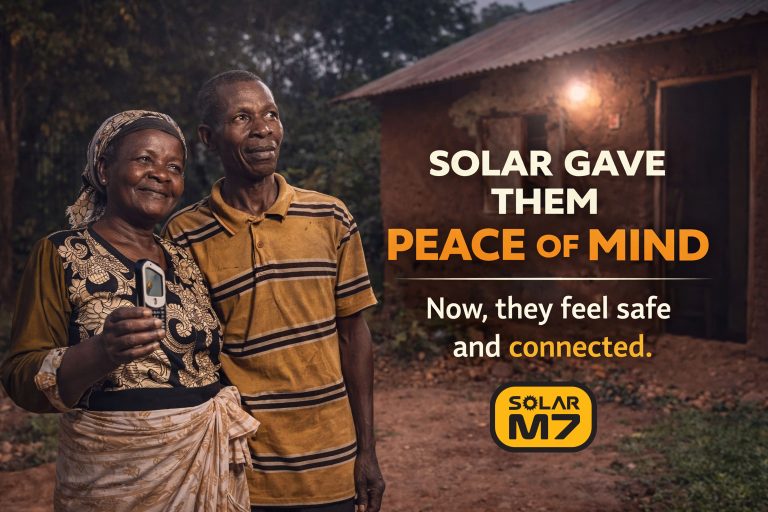
In Buteyongera, Mukono District, Kulimira John and Nantume Margaret are spending their later years doing something both beautiful and demanding, raising grandchildren.

Every day, they work quietly to keep the family together, protect the children, and provide stability inside a world that often feels uncertain.

But for a long time, nights brought constant worry into their home.

Darkness made the family feel exposed. Thieves moved through the community after sunset, targeting livestock and homes. Every unusual sound outside forced the grandparents to wake up and check whether their animals were safe.

And something as simple as charging a phone had become exhausting.

Whenever the battery died, someone had to walk long distances looking for a charging point. Communication with family became difficult. Important phone calls were missed. Sometimes, they simply felt disconnected from the world around them.

Then Solar M7 arrived.

And slowly, peace began returning to their home.

Today, their phones charge safely from home. The family remains connected to relatives, neighbours, and opportunities without making exhausting journeys just to power a device. At night, the home feels more secure. The presence of light itself has helped restore confidence and calmness around the household.

For John and Margaret, the change is deeply personal.

“Life is easier now,” they shared during their interview. “Before, darkness made us worry all the time. Even charging a phone was difficult. But now we feel safer, more connected, and more at peace.”

According to Doreen Nanfuka, elderly people in underserved communities are among those most emotionally affected by energy poverty.

“When you visit older guardians like John and Margaret, you understand how much stress darkness creates,” Doreen explained. “Reliable light reduces fear, improves communication, and helps older people care for their families with greater dignity.”

Innocent Kawooya says energy access must also be viewed as a tool for social connection and emotional wellbeing.

“Access to light and phone charging may seem simple in some parts of the world,” he noted. “But for many families, it means safety, communication, inclusion, and peace of mind. It helps people stay connected to the people and opportunities that matter most.”

Today, nights inside John and Margaret’s home no longer feel isolating.

The grandchildren sleep more peacefully.

The phones stay charged.

The livestock feels protected.

And for two grandparents who spent years worrying through darkness, light has brought something they deeply deserve again.

Peace of mind.

Watch the full story of Kulimira John & Nantume Margaret from Buteyongera, Mukono District, Uganda across our platforms:

YouTube
TikTok
Facebook
Instagram
LinkedIn
X/Twitter

#100DaysofSolar #SolarM7 #IncludeEveryone #EnergyAccess #HumanImpact #Mukono #Uganda #CleanEnergy #HiPipo

Ghana, Rwanda and Zambia Launch Cross-Border Payment Pilot to Bypass Dollar Dependency

Ghana, Rwanda, and Zambia have launched a pilot digital trade corridor designed to enable instant cross-border payments and reduce Africa’s long-standing dependence on dollar-mediated settlement systems.

The project, unveiled during the 3i Africa Summit in Accra on 6th May, reflects a broader continental push to build interoperable, Africa-owned financial infrastructure under the African Continental Free Trade Area (AfCFTA).

“Economic sovereignty in the twenty-first century is inseparable from digital sovereignty,” said Ghana’s Vice President Professor Jane Naana Opoku-Agyemang at the summit, where the pilot was officially announced.

For years, businesses moving money across African borders have depended on correspondent banking systems routed through financial centres outside the continent. A fabric trader in Kumasi selling products to Kigali or Lusaka could face several days of delays, multiple currency conversions, and transaction charges that significantly reduced already-thin profit margins.

According to the World Bank’s Remittance Prices Worldwide database, Sub-Saharan Africa remains the world’s most expensive region for cross-border transfers, with average remittance costs standing at 8.46 percent. Bank-led transfers can approach 15 percent.

The new Ghana-led pilot seeks to remove those frictions entirely by enabling direct settlement between local currencies through interoperable payment systems connected under a shared digital framework.

The pilot is being integrated with the Pan-African Payment and Settlement System (PAPSS), the African Union-backed payment rail designed to reduce dependence on dollar-mediated transactions and external correspondent banking systems.

Afreximbank data shows PAPSS already connects at least 17 African countries, 14 national switches, and more than 150 commercial banks, enabling near real-time settlement without routing transactions through third-party currencies. The system allows payments in local currencies while clearing centrally, reducing exposure to foreign exchange volatility and settlement delays.

The new corridor is designed to address inefficiencies while supporting intra-African trade, which policymakers increasingly view as central to the success of AfCFTA.

According to the latest Afreximbank trade outlook, total African trade reached approximately US$1.4 trillion in 2025, with intra-African trade accounting for about 18 percent of total flows, or nearly US$250 billion.

AfCFTA has been designed to expand that figure, but its success depends heavily on whether payments, identity, and compliance systems can function seamlessly across borders.

The pilot corridor integrates four core pillars: payments, digital identity, regulation, and infrastructure interoperability. The framework is also aligned with the African Union’s Digital Trade Protocol, which seeks to establish common rules around digital commerce, data governance, and cross-border interoperability.

A critical element of the project is the use of national digital identity systems such as Ghana Card as a model for cross-border verification, allowing faster Know Your Customer (KYC) checks between participating countries.

World Bank estimates show that nearly 470 million people in Sub-Saharan Africa still lack formal identification, limiting access to banking services, credit, and digital commerce. Policymakers increasingly see interoperable identity systems as both a trade facilitation tool and a financial inclusion mechanism.

The pilot also reflects a broader wave of regulatory alignment emerging across the continent. In East Africa, regulators are increasingly moving beyond basic mobile money interoperability toward harmonised licensing and compliance systems.

In March 2026, the Central Bank of Kenya and the National Bank of Rwanda signed a memorandum of understanding establishing a license passporting framework that allows payment service providers licensed in one country to operate in the other without duplicating approvals.

That framework, aligned with the East African Community Cross-Border Payment System Masterplan, is intended to reduce regulatory fragmentation while allowing fintech companies to scale services such as remittances, merchant payments, and digital wallets across borders.

Other African markets are also adopting ISO 20022 messaging standards to improve compatibility between payment systems and enable instant cross-border communication between financial institutions.

For small and medium-sized enterprises, which dominate African trade flows, the implications are immediate. Businesses trading regionally often struggle with delays in foreign exchange sourcing, high settlement costs, and fragmented compliance requirements.

The corridor aims to remove what policymakers describe as the “dollar hurdle,” allowing businesses to invoice and settle transactions directly in Ghanaian cedis, Rwandan francs, or Zambian kwacha without relying on intermediary currencies.

The next phase of the pilot will test mobile money interoperability to ensure that informal and unbanked traders can also participate in the system. Africa’s mobile money ecosystem has become one of the world’s largest digital finance markets, processing more than US$2 trillion in transactions annually, according to GSMA estimates.

Clara Arthur, Chief Executive Officer of Ghana Interbank Payment and Settlement Systems (GhIPSS), has previously argued that interoperable infrastructure will be critical to scaling Africa’s digital payments ecosystem.

The broader ambition behind the Ghana-Rwanda-Zambia corridor is to create what policymakers increasingly describe as a single African digital market, where trade is supported by interoperable financial rails designed, governed, and settled within the continent itself.

Whether the pilot succeeds will depend on technical execution, regulatory harmonisation, and the willingness of commercial banks and fintechs to adopt the new systems. But the direction is clear: Africa is slowly building the infrastructure to move its own money, on its own terms.

MTN Group Fintech Partners with Ant International to Overhaul MoMo Platform

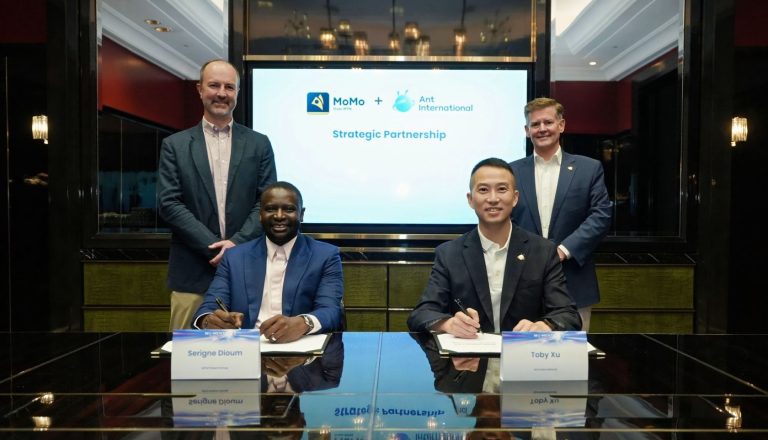
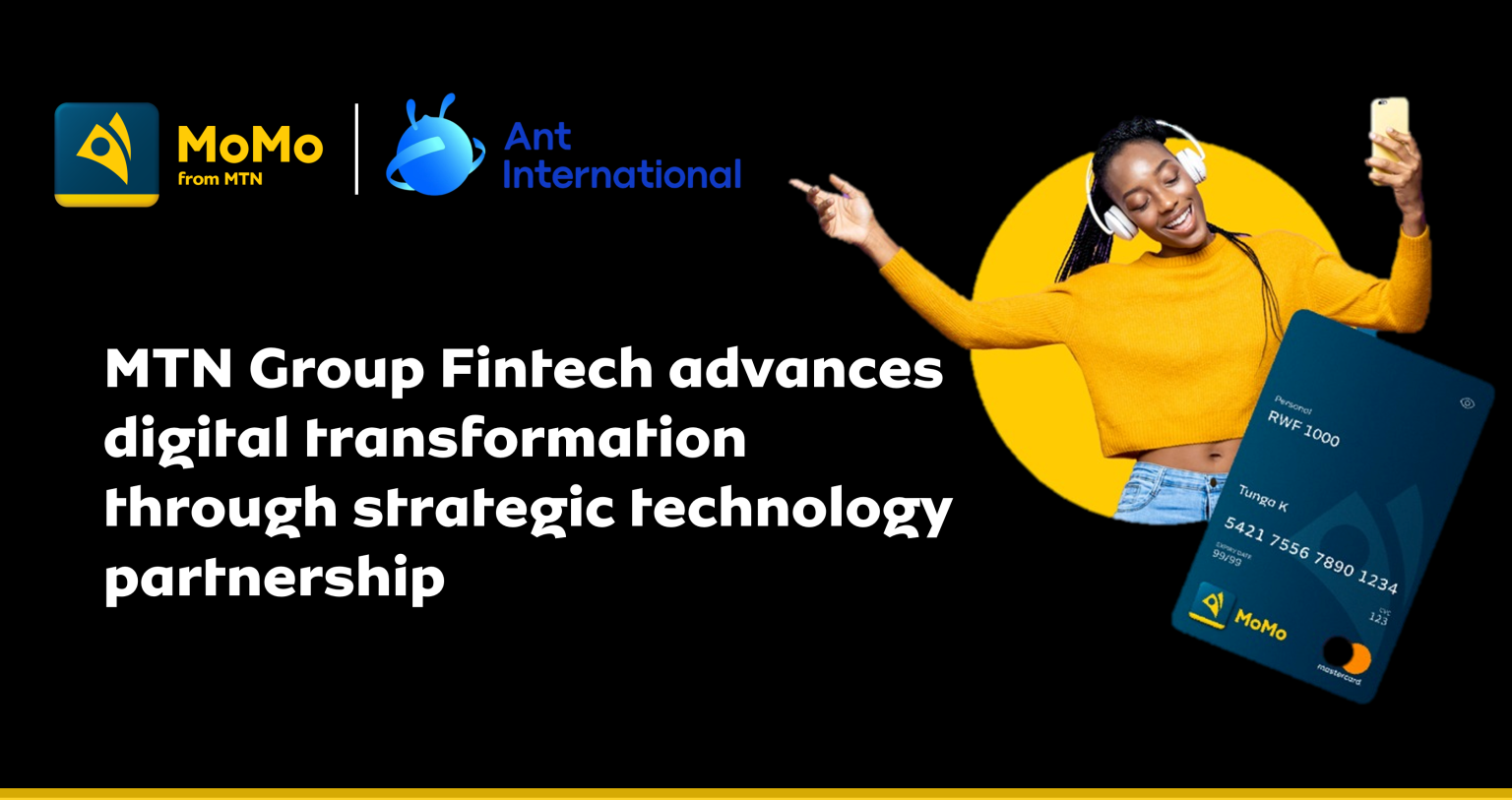
MTN Group Fintech has entered into a strategic partnership with Ant International, a global digital payment and financial technology provider, to accelerate the transformation of its mobile money ecosystem.

The partnership, which is expected to launch in Nigeria next quarter, will introduce a super-app platform designed to enhance user experience, deepen digital inclusion, and enable a next-generation ecosystem for digital finance, lifestyle, and commerce services around MTN’s MoMo product.

By leveraging Ant International’s advanced technology, MTN is evolving MoMo to enable stronger ecosystem integration through a mini-app platform, enhanced fraud prevention, and richer engagement features for consumers and merchants, according to a statement released on 9th June 2026.

The collaboration represents a major step in building a more resilient and future-ready digital ecosystem. The transformation is expected to significantly enhance the MoMo experience in Nigeria by enabling faster transactions, improved reliability, and greater integration across financial and commerce services.

Customers will benefit from a more intuitive and responsive application that supports payments, savings, and value-added services within a unified digital environment.

Beyond improving everyday financial interactions, the initiative reinforces MTN Group Fintech’s commitment to advancing digital inclusion and economic empowerment in Sub-Saharan Africa, a region identified by the GSMA as the world’s most active mobile money market.

MTN Group President and CEO Ralph Mupita framed the partnership as part of the company’s broader ambition.

“This partnership aligns with MTN Group’s ambition of leading digital solutions for Africa’s progress by leveraging scale, technology and strong global partnerships,” Mupita said. “It reflects our commitment to transforming the customer experience at scale by delivering a more seamless, secure and intuitive MoMo platform that advances digital inclusion and expands economic participation.”

Douglas Feagin, President of Ant International, said his company was proud to support MTN’s transformation journey.

“By combining MTN’s deep market insight with our advanced technology capabilities, we aim to help create a more inclusive, secure and scalable digital financial services environment that benefits both consumers and merchants in-country,” Feagin said.

MTN Group Fintech CEO Serigne Dioum described the partnership as an important milestone in the company’s ambition to help shape Africa’s digital financial future through its “One Big Tech” strategy.

MTN’s MoMo (Mobile Money) platform is one of Africa’s largest digital financial services networks, with millions of users across multiple countries. However, competition in the mobile money space has intensified, with rival platforms and new entrants pushing innovation and lowering costs.

By partnering with Ant International, a company backed by Alibaba’s financial technology expertise, MTN is signaling its intention to move beyond basic money transfer services and into a broader ecosystem of digital finance, lifestyle, and commerce.

The mini-app platform approach mirrors strategies successfully deployed in Asian markets, where super-apps like Alipay and WeChat Pay dominate daily transactions. Whether that model translates effectively to African markets remains to be seen, but the partnership gives MTN access to proven technology and fraud prevention systems.

Nigeria, Africa’s most populous nation and one of its largest economies, will be the first market to receive the upgraded platform when the partnership launches next quarter. Nigeria’s mobile money market has been highly competitive, with several players vying for dominance.

If the Nigerian launch succeeds, MTN is likely to roll out the enhanced MoMo platform across other African markets where it operates, including Uganda, Ghana, Rwanda, and beyond.

The announcement from MTN Group Fintech was light on specific technical details and financial commitments. The company did not disclose the value of the partnership, how many engineers would be involved, or a precise timeline for the Nigerian launch beyond “next quarter.”

Investors and industry observers will be watching to see whether this partnership delivers tangible improvements to user experience and fraud prevention, or whether it remains a high-level strategic announcement with limited practical impact.

THE SMARTPHONE GAP HOLDING WOMEN BACK – Why Africa’s Digital Economy Cannot Fully Grow Until More Women Are Connected

By HiPipo Money

Africa’s digital finance revolution has transformed millions of lives over the last decade.

Mobile money expanded access to financial systems at extraordinary speed. FinTech platforms lowered barriers that had excluded millions for generations. Women who once operated entirely outside formal banking ecosystems suddenly gained the ability to:

  • save digitally,
  • receive payments,
  • access remittances,
  • and participate in mobile commerce directly from their phones.

But beneath the progress, another divide remains deeply visible. The mobile gender gap.

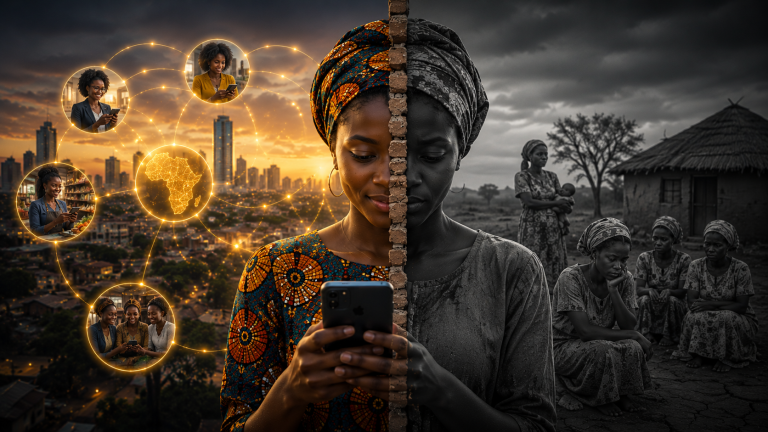
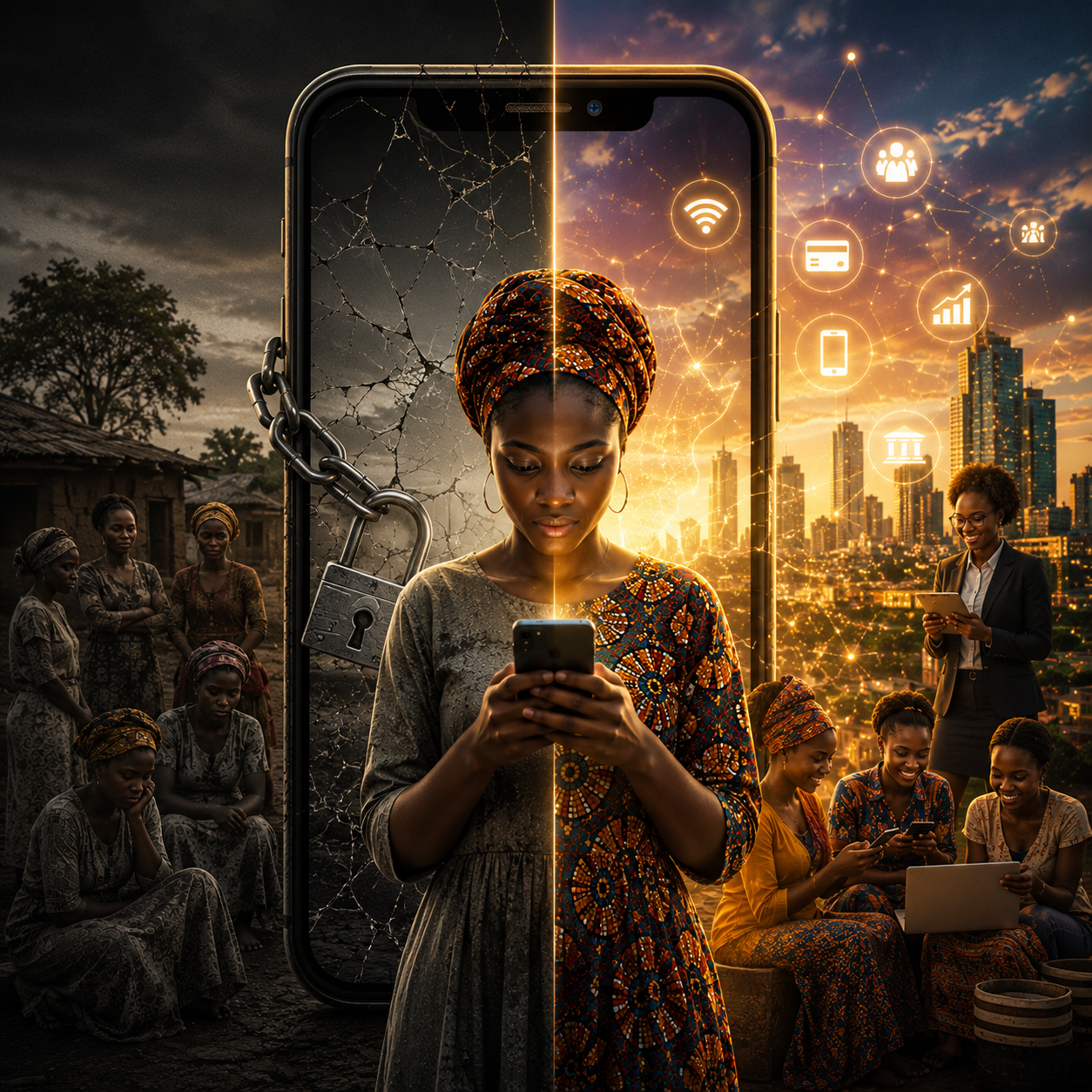
Across many African countries, women are still less likely than men to own smartphones, access mobile internet, or use advanced digital financial services independently. The gap may appear technological on the surface, but its consequences are economic, social, and deeply structural.

Because in today’s digital economy, the smartphone is no longer simply a communication device.

It is infrastructure. It is the bank branch. The wallet. The marketplace. The business platform. The classroom. The gateway into opportunity itself. And when millions of women remain partially disconnected, entire economies lose productive capacity.

For years, financial inclusion conversations focused primarily on account ownership. Could women open accounts? Could they join mobile money ecosystems? Could they access formal financial services?

Those questions mattered enormously. But the next challenge is more complex. Can women fully participate in digital economies once access exists? In many cases, the answer remains incomplete.

A woman may technically own a mobile money account while still lacking:

  • a personal smartphone,
  • affordable internet access,
  • digital confidence,
  • or independent control over the device itself.

This weakens meaningful participation significantly.

Affordability remains one of the largest barriers. For millions of low-income households, smartphones are still expensive assets. Where resources are limited, purchasing decisions are often shaped by both financial pressure and social norms. In many households, men receive priority access to smartphones while women rely on shared devices, borrowed phones, or limited supervised access. This changes the nature of digital participation completely.

A digital account becomes far less empowering when access to the device itself remains uncertain. The issue is not only connectivity. It is autonomy. Data affordability creates another layer of exclusion.

Even where smartphones exist, internet access can remain expensive relative to income levels. Women managing households or operating microbusinesses often prioritize food, healthcare, transport, school fees, and family emergencies before purchasing mobile data.

Yet modern digital ecosystems increasingly depend on:

  • mobile apps,
  • online onboarding,
  • QR payments,
  • digital marketplaces,
  • and internet-based services.

This means smartphone and connectivity affordability are now directly tied to financial inclusion itself. The danger is becoming increasingly clear.

Africa’s future digital economy could unintentionally deepen inequality if advanced digital services become concentrated among populations with stronger digital access and confidence.

This is why affordable smartphone initiatives are becoming increasingly important across the continent.

Governments, telecom operators, FinTechs, and development institutions are exploring:

  • low-cost smartphones,
  • device financing,
  • pay-as-you-go handset models,
  • subsidized connectivity,
  • and bundled digital-finance ecosystems
    designed to lower entry barriers.

The logic is simple. Without devices, inclusion slows dramatically.

Some FinTech ecosystems now integrate smartphone financing directly into financial services models, allowing users to pay gradually over time instead of requiring large upfront purchases. This matters especially for women entrepreneurs operating small businesses with irregular cash flow.

A flexible payment structure can turn smartphone ownership from an impossible expense into an achievable economic investment. And once connected, the effects can compound rapidly. Digital skills training is equally important. Access alone does not create confidence.

Millions of first-generation digital users still struggle with:

  • mobile apps,
  • online fraud,
  • PIN security,
  • digital savings,
  • transaction verification,
  • and mobile lending systems.

Women are often disproportionately affected because educational and technology-access gaps historically limited exposure to digital tools in many communities. This means inclusion efforts must go beyond infrastructure. They must build capability too.

A woman who owns a smartphone but fears using digital financial services independently remains partially excluded from the digital economy. Confidence is infrastructure too.

Community-based digital literacy programs are increasingly helping close this gap. Across parts of Africa, women-focused initiatives now combine:

  • mobile money education,
  • smartphone onboarding,
  • fraud awareness,
  • digital business skills,
  • and financial literacy training.

The impact often extends far beyond finance itself.

A digitally confident woman may also gain access to:

  • e-commerce,
  • telemedicine,
  • online learning,
  • agricultural information,
  • digital government services,
  • and broader entrepreneurial ecosystems.

Digital literacy therefore becomes an economic multiplier. Gender-sensitive financial products are also becoming increasingly important. Historically, many financial systems were designed around assumptions that did not fully reflect women’s economic realities. Traditional banking often favored:

  • salaried employment,
  • formal income structures,
  • rigid repayment schedules,
  • and conventional collateral systems.

But millions of African women operate within:

  • informal trade,
  • seasonal income cycles,
  • caregiving responsibilities,
  • and microenterprise environments.

Digital finance platforms increasingly recognise that women require products designed around actual usage realities rather than inherited banking assumptions.

This shift is driving growth in:

  • micro-savings tools,
  • women-focused insurance,
  • flexible digital credit,
  • savings-group integration,
  • merchant platforms,
  • and low-value transaction ecosystems.

The strongest financial products are not merely digital. They are contextual. Women-led FinTech innovation is helping accelerate this transition too.

Across Africa, more women are participating directly as:

  • founders,
  • FinTech executives,
  • mobile money agents,
  • digital entrepreneurs,
  • and ecosystem builders.

That representation matters because systems become more inclusive when women help shape them directly.

The future digital economy cannot fully serve women if women remain underrepresented inside the institutions building that future.

There is also a deeper macroeconomic story unfolding quietly beneath the surface. Closing the mobile gender gap is not only about fairness. It is about growth.

Women already drive enormous portions of:

  • household spending,
  • agriculture,
  • caregiving economies,
  • informal trade,
  • and SME activity across Africa.

When women gain stronger digital access, economies gain:

  • more productive businesses,
  • broader financial participation,
  • larger digital marketplaces,
  • stronger household resilience,
  • and deeper economic visibility.

The gains ripple across entire systems.

This is why closing the mobile gender gap increasingly sits at the centre of conversations around:

  • financial inclusion,
  • digital transformation,
  • FinTech innovation,
  • SME growth,
  • and economic modernisation.

Yet progress requires ecosystems, not isolated interventions. Affordable smartphones alone are not enough. Connectivity alone is not enough. Accounts alone are not enough.

The system must work together:

  • affordable devices,
  • reliable electricity,
  • low-cost connectivity,
  • trusted identity systems,
  • interoperable payments,
  • digital literacy,
  • cybersecurity,
  • and gender-sensitive financial design.

Without those layers working together, inclusion remains fragile.

For HiPipo Money, closing the mobile gender gap represents one of the most important economic opportunities shaping Africa’s future.

The continent’s digital transformation cannot reach full scale while millions of women remain partially disconnected from the infrastructure powering modern commerce and finance.

This aligns strongly with broader conversations around:

  • women’s empowerment,
  • digital literacy,
  • FinTech innovation,
  • mobile money,
  • affordable connectivity,
  • interoperable systems,
  • and inclusive growth championed through ecosystems such as Women in FinTech, Include Everyone, the Digital Impact Awards Africa (DIAA), and wider digital transformation movements across the continent.

Because ultimately, the smartphone is no longer just a device.

For millions of African women, it is becoming the key to participation in the future economy itself.

A trader accessing digital markets. A mother managing household finances independently. A student learning online. A rural entrepreneur building a business digitally. A woman gaining economic confidence through technology she can finally control herself.

Most people still discuss smartphones as consumer technology. But across Africa, they are increasingly becoming tools of economic inclusion, visibility, and power.

MUSIC IS NOT CONTENT. IT IS ART — AND AFRICA’S CREATORS MUST STOP FORGETTING THAT

In an era where algorithms reward speed, virality, trends, and volume, one painful truth continues to haunt the African music industry: too many creators have forgotten that music is art before it is content.

Music was never meant to be noise. It was never meant to be rushed. It was never meant to exist merely to fill timelines, chase charts, imitate trends, or harvest temporary attention from social media platforms. Music, at its purest form, is one of humanity’s deepest artistic expressions, a living language of emotion, imagination, beauty, memory, rebellion, healing, spirituality, identity, and truth.

And like every great form of art, music demands originality.

Art is the deliberate creation of beauty, meaning, feeling, and imagination through skill. That definition does not change because the medium is sound. A song is not exempt from artistry simply because it can trend online for seven days. A beat is not meaningful simply because it is loud. A video is not creative simply because it is expensive.

True music must communicate something.

Every artist must constantly wrestle with difficult questions:
What am I creating?
What emotion am I carrying?
What truth am I expressing?
What feeling will this leave behind?
What makes this uniquely mine?

Without those questions, music loses its soul.

Across Africa and beyond, too much modern music production has become mechanical. Songs are increasingly assembled like factory products, fast, repetitive, trend-driven, and emotionally empty. Producers recycle sounds. Artists mimic flows. Videos copy foreign aesthetics. Entire creative careers are built around imitation instead of invention.

But history never remembers copycats for long.

The world remembers creators who dared to sound different. The artists who introduced new emotions. The musicians who disrupted existing sounds. The visionaries who brought their cultures, scars, joys, fears, spirituality, languages, and environments into their work.

From village drums to jazz, from reggae to Afrobeat, from traditional folk music to modern African fusion, every globally respected sound was born because someone embraced originality instead of imitation.

The greatest artists in history understood this deeply.

From Wolfgang Amadeus Mozart to Michelangelo, from Fela Kuti to Miriam Makeba, from Lucky Dube to the pioneers of modern African urban music, legendary creators became timeless because they created worlds nobody had experienced before. Their work carried identity. Their work carried courage. Their work carried emotional fingerprints that nobody else could duplicate.

That is the responsibility of every musician.

An artist must not simply perform. An artist must reveal something human.

The beauty of true music is that inspiration already surrounds us. Nature itself is artistic. The rhythm of rain. The silence of sunrise. The chaos of Kampala traffic. The laughter inside a village trading center. The heartbreak of unemployment. The resilience of single mothers. The dreams of young Africans trying to survive in difficult economies. The energy of markets. The loneliness of city life. The spirituality inside prayer. The beauty of love. The fear of failure.

These are not just life experiences.
They are raw materials for timeless art.

Great musicians observe deeply before they create deeply.

And artistry extends beyond lyrics alone. Music videos, production, instrumentation, styling, cinematography, choreography, lighting, location selection, costume design, sound engineering, storytelling, and post-production are all part of the artistic process. Every decision communicates emotion. Every detail contributes to meaning.

A truly artistic music video should feel like a visual extension of the song’s soul.

Unfortunately, many creators now operate under pressure to release quickly rather than create meaningfully. The industry rewards consistency more than craftsmanship. Musicians are often pushed to feed digital platforms instead of feeding culture. The result is a flood of disposable music that dominates briefly and disappears almost immediately.

But timeless art has never been rushed.

The painters, sculptors, architects, playwrights, filmmakers, and novelists who shaped civilizations invested enormous thought into their craft. They respected the creative process. They revised. They reflected. They experimented. They failed. They refined.

Musicians must reclaim that discipline.

Africa’s creative economy is entering a defining era. Streaming platforms, digital distribution, artificial intelligence, short-form video, and creator monetization tools are opening unprecedented opportunities for artists across the continent. But technology alone will never replace artistic depth.

The future belongs to creators who combine authenticity with innovation.

The artists who will build lasting influence are not necessarily those with the loudest marketing campaigns, but those brave enough to sound like themselves in a world full of imitation. Audiences eventually connect most deeply with honesty. They remember emotional truth. They reward originality over time.

Every time an artist suppresses their uniqueness to imitate another creator, the world loses a voice it has never heard before.

And perhaps that is the greatest tragedy in modern music.

Because every artist carries something unrepeatable within them, a perspective, a pain, a cultural memory, a dream, a vulnerability, a madness, a rhythm, a voice, a story, a spiritual imprint that nobody else on earth can recreate exactly the same way.

That uniqueness is the gift.

Music should bring out the fearless you, the emotional you, the wounded you, the hopeful you, the spiritual you, the joyful you, the confused you, the passionate you, the revolutionary you. Music should liberate expression, not imprison creativity inside trends.

Artists must stop treating music as merely a shortcut to fame or money.

Music is legacy.

It is cultural memory.
It is emotional architecture.
It is identity preservation.
It is social commentary.
It is healing.
It is resistance.
It is imagination.
It is freedom.

And above all, it is art.

So work with creators who respect the craft. Invest in professionalism. Protect originality. Create intentionally. Let beauty be heard in your sound. Let imagination be seen in your visuals. Let emotional honesty live inside your lyrics.

Because the world does not need more copies. It needs artists brave enough to create something unforgettable.