Home Blog Page 36

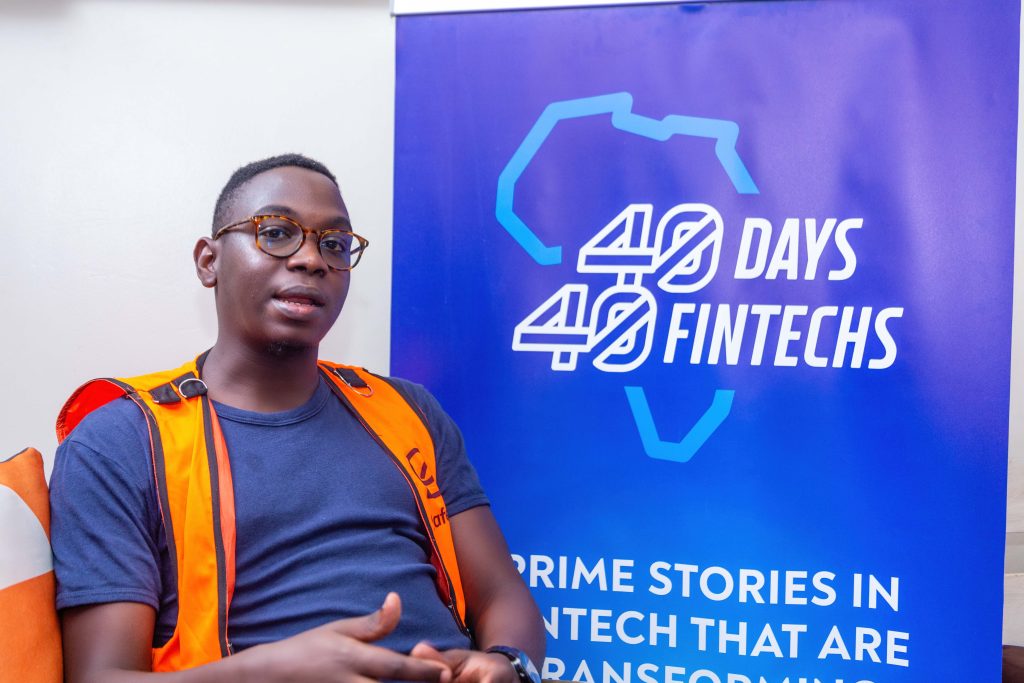
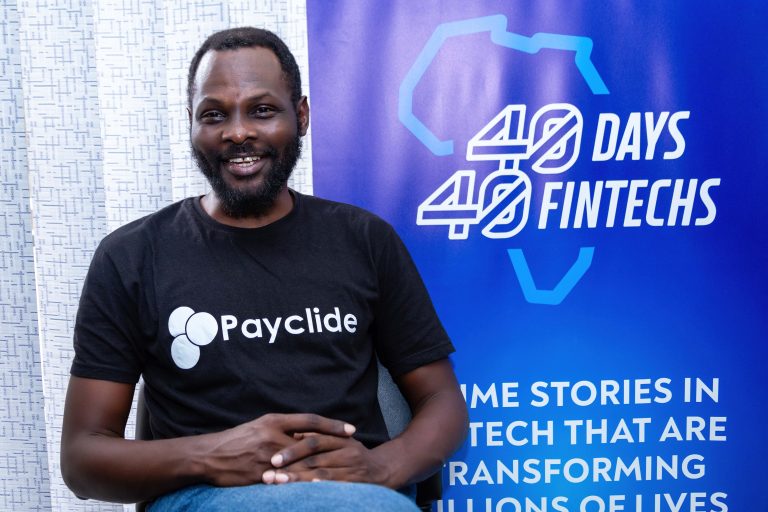
PayClide’s financial services make migrant life more decent. #40Days40FinTechs Season 4 Day 27

The life of a migrant is very complicated. Most migrants rely on the mercy of others for survival. When it comes to financial services, migrants are some of the most underserved communities because of their lack of documentation.

With this in mind, a Ugandan financial services company called Cytrone Limited came up with a digital service targeting such communities.

According to Bob Moses Oyuru, the founder and CEO of Cytrone Limited, they introduced a mobile application called PayClide, to help such people who leave their home countries to host countries like Uganda and can’t access things like banks and investments.

“PayClide comes in to cover this gap to enable these people with financial interests in both their homes and host countries to access financial services and have security and prosperity,” he says.

“These people have families back home to whom they need to send money. They have their personal goals. They need financial services,” he adds.

With a free PayClide account, users can easily accept payments, enjoy free money transfers, set savings, invest, make smart spending budgets and access flexible credit instantly.

Oyuru notes that since their formation, transaction numbers have steadily risen but are only hampered by users having small deposits.

“Our target audience is the migrants but anyone that has intentions of saving small amounts or micro amounts of money, they too can use the product. Our App allows people to save as low as Shs 500 into a unit trust and see it grow,” he says.

Even non-migrants have indeed used this platform for other services such as bill payment and saving. Doreen Ibano can testify to this.

“I joined PayClide around 2020. I tried the App and paid for my Yaka [electricity] bill and it has been transitioning as it grows.  They have introduced products like saving. I have personal goals like wanting to buy another laptop for my office. So, I want to also improve my saving habits and this platform comes in handy,” Ibano says.

Oyuru is happy that there is steady progress in a short time.

“Our members have steadily grown over the years. By 2021, we had 1,023 users. As we speak, we are working with 3,042 users and we expect these numbers to grow once we do more marketing,” he says.

He identifies their major challenge as being high compliance costs that hamper progress.

“Partnerships are quite another challenge whereby the big players are reluctant to partner with you as they consider you a micro player,” he says.

Nonetheless, Bob appreciates the opportunity to be part of Season Four of the 40 Days 40 Fintechs initiative; organised by HiPipo to highlight unique innovations changing the lives of under-served communities in the East African region.
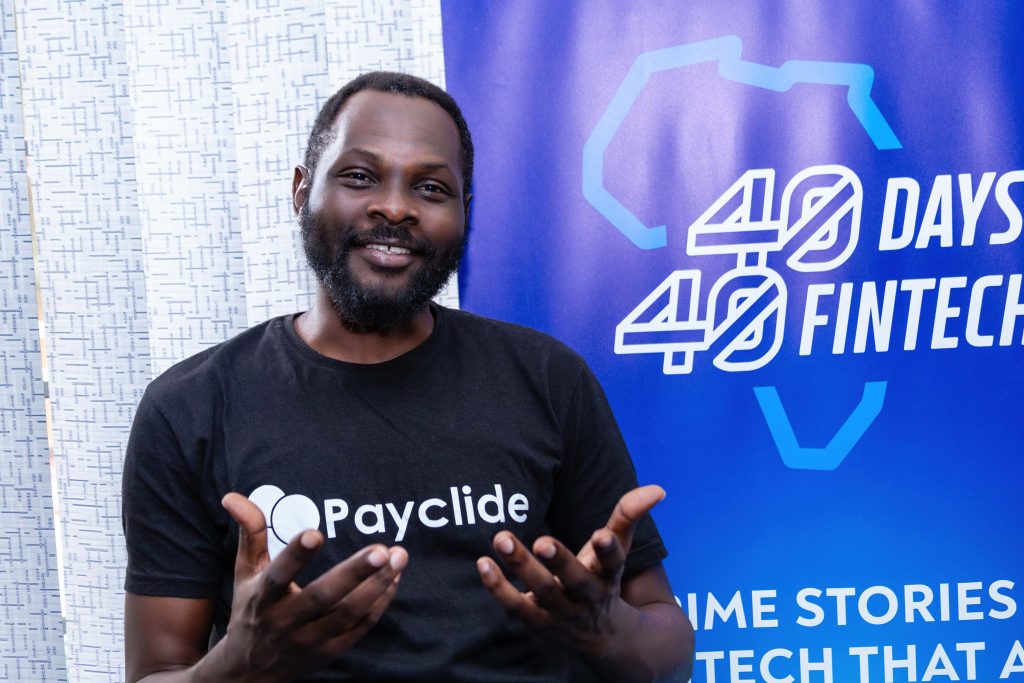
“As startups, we face a lot of challenges. The 40 Days and 40 FinTechs initiative open wider doors for smaller FinTechs like us to get free visibility that we didn’t have previously. The promotion, marketing, and visibility, are quite large and clearly benefit small players,” he says.

PayClide is the 27th participant in this year’s 40 Days 40 FinTechs initiative which has a main focus on assessing the impact of innovations on end-users.

According to HiPipo CEO Innocent Kawooya, PayClide’s unique niche of targeting migrants deserves much appreciation.

“This is exactly what we mean when we say we must have a financial services sector that includes and benefits everyone. PayClide has identified an under-served society and is doing a great job to bring them to the digital financial services sector,” he said.

The 40 Days 40 FinTechs initiative is run by HiPipo in partnership with the Level One Project, Mojaloop Foundation, INFITX, Cyberplc Academy, Ideation Corner, and Crosslake Technologies with support from the Bill and Melinda Gates Foundation. Life-changing stories from more than 100 FinTechs have been highlighted by this initiative in the past three years.
Easy Ticket’s digital ticketing services are making life easy for event organisers. #40Days40FinTechs Season 4 Day 26

Almost every day, there is a concert, show, or festival happening somewhere in Uganda. The majority of the partygoers mention access to tickets as a major pain point for attending these shows.

For others, it is fraud involved in ticket printing. Many at a time you go to an event only to be told that you are carrying a fake ticket!

Dickson Kawooya cannot forget the day he was bounced at a concert in Kololo for allegedly carrying a fake ticket.

“I had bought the ‘fake ticket’ at one of the outlets just outside the concert venue. I found a hard time explaining myself to people manning the entrance. I was just bounced and I went home very disappointed” Kawooya recalls this unfortunate incident.

However, several companies have come up to use technology to address the ticketing issue. Among such companies is EasyTicket Uganda.

“I am happy with these digital platforms such as Easy Tickets Uganda. You just go to their website and pay using your mobile money account. You later receive your ticket inscribed with a code on your email,” Kawooya says.

“For instance, on my email, the password is secure and there’s no chance of duplicating it. When you reach an event, you just display your online ticket and they scan the unique code.”

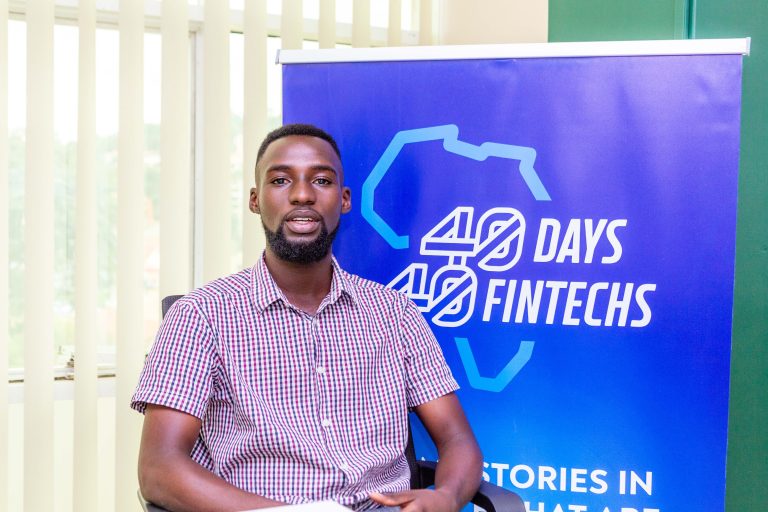
According to Hillary Aguma, the Tech and Field Supervisor at EasyTicket LTD, they started this ticket solution company about ten years ago and use the brand name Quicket, which is a franchise from South Africa.

Aguma notes that they work with event organisers to make ticket purchasing and entrance management easy.

“We create a link for the event organizer. We set up the event online with an updated banner and send them the link that is shared with their clients and organizers,” he says.

“If you are a partygoer, you tap the link and scroll down to give you the brief of the event you want to attend and some added information about the organizer. You later go to the tickets menu and search the various categories. On our platform, you can buy more than two tickets at once. You fill in your surname and email.”

“Our tickets are end-to-end to our clients. The information the client has placed in while purchasing a ticket will be captured and their ticket will go straight to their email. We don’t want to face issues where a client was sent a ticket to WhatsApp and on D-day, their WhatsApp number was with someone else,” he says.

On top of that, Aguma notes that they do physical barcode tickets with unique security features, hence overcoming the issue of duplicating tickets.

“These tickets are scanned on the day of the event. We give our client a generated report on how many people checked in on the concert,” he says, noting that payments can be made using both mobile money and card payments using a third-party payment processor – Flutterwave; an African FinTech unicorn.

“We have worked on about 200 events with over 21,000 clients purchasing tickets off our platform. We have worked with event organizers mainly in music, sports, festivals, and conference among others,” he says, naming the likes of KCCA football club, House of DJs for Blankets and Wine, Talent Africa, and Gwanga Mujje for Biggie Events among other clients.  

One of the challenges Aguma highlights are scenarios where clients decide to request a refund even when the event has ended.

“Some clients fail to go to the event and then they go to social media and start blasting us to refund them!” Aguma says.

He is, however, grateful to the organisers of the 40 Days 40 FinTechs initiative for providing a platform where FinTechs, regulators, and end-users can meet and try to understand each other.

Easy Ticket is the 26th participant in Season Four of 40 Days 40 FinTechs, an initiative aimed at creating awareness about emerging FinTechs in the East African Region and how they are changing lives for the people at the bottom of the pyramid.

This initiative is run by HiPipo in partnership with the Level One Project, Mojaloop Foundation, INFITX, Cyberplc Academy, Ideation Corner, and Crosslake Technologies with generous support from the Bill and Melinda Gates Foundation. Life-changing stories from more than 100 FinTechs have been highlighted by this initiative in the past three years.

SafeBoda’s digital payments excite riders and their customers. #40Days40FinTechs Season 4 Day 25

If you have ever taken a boda boda ride, then you certainly know the inconvenience that comes with finding change in case you have a denomination higher than the agreed fare.

Even Boda Boda riders and cab drivers agree that it is one of their worst nightmares, especially if riding at night.

 “We often take people to gated communities and you don’t have the change to give them. The time you spend looking for change around is insecure for you,” says Bosco Zalibala, a SafeBoda rider.

Ziribala is however happy that he rarely encounters these challenges nowadays, since his current business partner, SafeBoda, introduced a cashless system where travelers pay digitally.

 “The cashless payment system has been good because there are times when you get a customer whose fare is, for instance, Shs 3,500 yet you don’t have the change of Shs 500,” says Ziribala, who has been riding with SafeBoda since 2017.

He adds; “A thief can even attack you as you struggle to look for change. But if the customer is cashless, as soon as you reach the final destination, s/he pays automatically and you also leave immediately.”

According to Christian Wamambe, the vice president in charge of payments and well-being at SafeBoda, the cashless system was introduced to make life easy for customers and riders alike.

“For a cashless customer, you just need to add money to your wallet and whenever you order a boda or car, at the end of the trip you don’t need to struggle looking for change,” he says.

“The system automatically withdraws money from your wallet and pays the rider or driver,” he says.

SafeBoda is a super APP!

For close to a decade, SafeBoda has become Uganda’s go-to riding mobile application enabling people to reach destinations using a motorcycle or car. They have more than 30,000 riders on the APP.

On top of that, they offer financial services where one can pay their bills, and send parcels, among other transactions.

Wamambe says SafeBoda started by providing boda boda transport services through a mobile application to end the hustle of people walking along streets and boda boda stages and bargaining with boda boda riders about the trip fare.

“With the SafeBoda app, you click to order a Boda, put your destination, put where you are, and as soon as you order, a rider will call you and pick you up directly from your location,” he says.

The prices are transparent because, at the beginning of the trip, the customer gets an estimate of the trip fee.

In 2022, SafeBoda launched SafeCar as a result of many customers requesting this service.

“They loved our boda service and they wanted a trusted car service. This was mainly because the car industry was bogged down with a lot of people negotiating trip fares,” he says.

“Imagine ordering a car and you have Shs 20,000 in your pocket only for a driver to ask for money twice the price. At SafeBoda, we felt that we needed to come in and help our customers. There were also our boda riders who wanted to transition into car drivers.”

Since this product’s launch in September 2022, Wamambe says more than 50 boda-boda riders have transferred into car drivers and are earning a decent living from the service.

“Overall we are happy with the impact we are having in the FinTech sector. At the end of 2021, SafeBoda got a FinTech license from the central bank. We have more than one million customers who have used at least one of our services,” he says.

Wamambe nonetheless notes that there are several challenges in the FinTech industry such as a lack of talent, cybersecurity issues and unnecessary competition in this market.

“For instance, the best engineer from a Ugandan university is taken away by a company abroad. This means that the local businesses will struggle because your competition isn’t just in the neighbourhood but the globe,” he says.

He is however happy with the 40 Days 40 FinTech initiative that is shedding a light on many startups in the industry and what they do.

“Most of the time customers are looking for services but tend to look for companies abroad and yet there are homegrown companies that have the solutions to their problems. This platform not only allows FinTechs to shine or showcase what they have but for their customers to know that they exist,” he says.

“Even regulators start to understand businesses a lot more. It is very hard for our regulators to know all the businesses at ago in a single day. Such an initiative continues to market our businesses and create awareness to even the government,” he adds.

SafeBoda is the twenty-fifth participant in this year’s 40 Days 40 FinTechs initiative; organised by HiPipo in partnership with the Level One Project, Mojaloop Foundation, INFITX, Cyberplc Academy, Ideation Corner and Crosslake Technologies with generous support from the Bill and Melinda Gates Foundation.

Since its launch in 2020, the 40 Days 40 FinTechs initiative has become a household name in the financial technology space of the East African region. In the last three editions, more than 100 FinTechs have been showcased, highlighting stories changing people’s lives, especially in the under-served sectors.

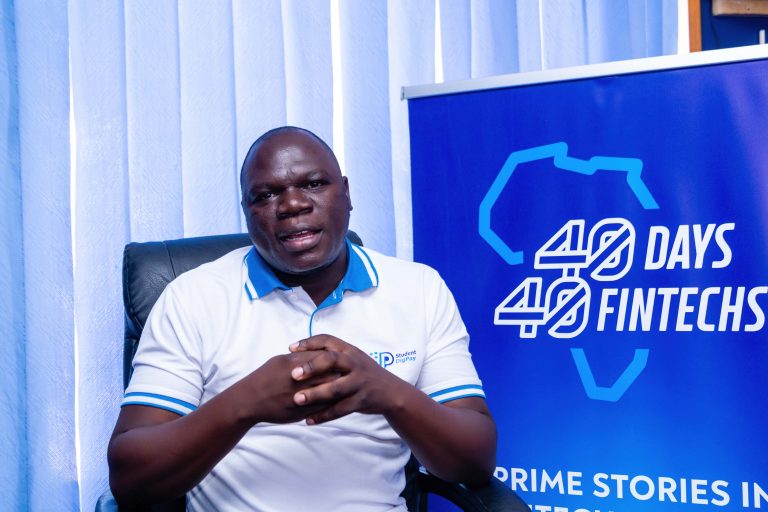
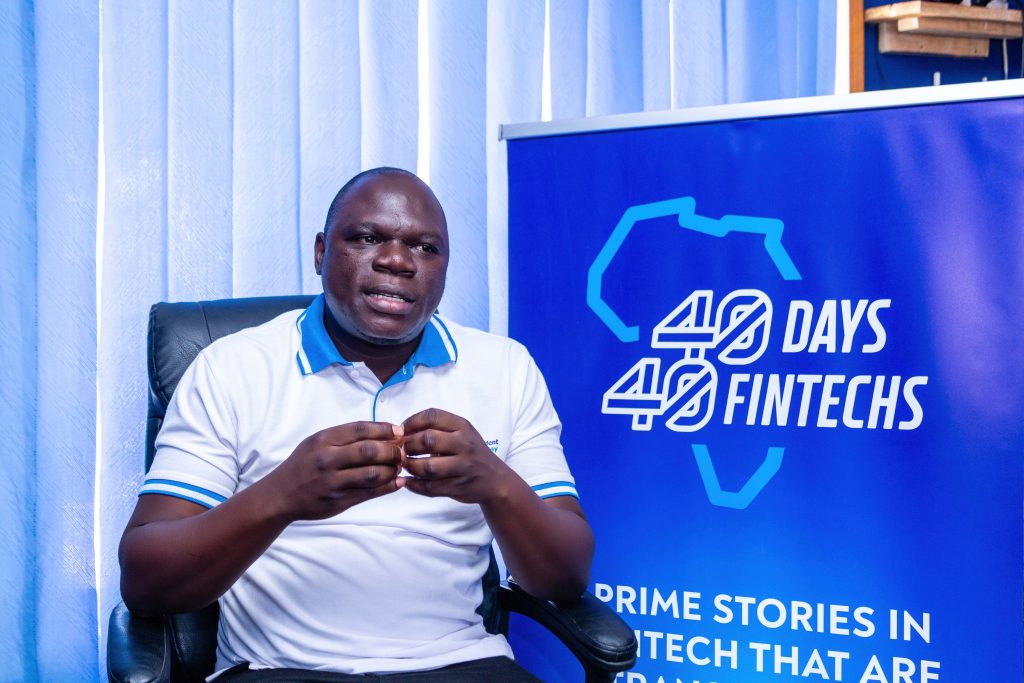
Quick Post’s Student DigPay saves parents from bank queues. #40Days40FinTechs Season 4 Day 24

Lining up in a bank to pay school fees is one disturbance no parent wants to endure because they are already stressed by the hustle of raising money.

Therefore, many parents are happy with the emerging innovations that facilitate the payment of school dues using digital platforms.

One such parent is Kenneth Nabaasa, a businessman with learners at Genius Kings School.  Nabaasa says that ever since the school introduced a digital payments system they can comfortably pay anytime anywhere.

According to Alex Mujuni, a school head teacher, they started using the Student DigPay platform by a company called Quick Post early this year [2023] and the feedback is very positive.

“The Quick Post platform has been good for us. Both the school and parents are benefiting because everything is digitized. Parents can pay fees at home, which saves both their time and the school’s time,” he says.

Student DigPay by Quick Post.

According to Ali Kibuye, the Head of Operations at Quick Post Limited, Quick Post is a FinTech that offers products to all banked and unbanked customers in Uganda.

“We do financial integrations for payments, collections, and other digital lending services to our customers,” he says, adding that with the Student DigPay product, they have enrolled more than 300 schools.

His colleague Sapex Ampurire, the Brand Manager at Quick Post, explains that the Student DigPay service uses a USSD code where the parent just dials *217*215# and they select option 9.

“When you get there, they will ask you for the student code because each student in a specific school is given a code. A parent will use that code to make a payment,” he says.

The system will first validate the details of the student to confirm that they are paying for the right person. Ampulira and Kibuye say about 350,000 students are engaged on the students’ digital pay platform.

Meanwhile, Kibuye says that they also offer school advance loans which have so far benefited more than 1500 students.

“In the field of schools, we found that many parents find trouble raising school fees payments which are needed timely at schools. We provide advanced school loans to parents who have inabilities to pay in a lump sum. Such parents go ahead and get annual loans from Quick Post which are paid directly to the schools and the parents repay monthly to Quick Post,” he said.

40 Days 40 FinTechs

Quick Post is the twenty-fourth participant in Season Four of the 40 Days 40 FinTechs initiative organised by HiPipo to showcase innovative stories in the FinTech sector that are changing lives for under-served communities.

“The 40 Days 40 FinTech has helped to sensitize other people to be aware of other systems that are being developed. Initially, it was hard for people to embrace technology but HiPipo has done a great job to inform people about other products,” Kibuye noted.

According to HiPipo CEO Innocent Kawooya, such products as digital school fees payments are very important in a world where every second matters.

“Today every second matters. There is no need for someone to spend two hours in a banking hall trying to pay school fees. That time can be used productively. We are happy with these innovations that are removing this time wastage and bringing convenience to parents,” he noted.

“We are also cognizant of the fact that many parents are salary earners who receive payment at the end of the month. So, these advance school fees loans offered by the FinTechs such as Quick Post are really changing lives.”

Now in its fourth season, HiPipo’s 40 Days 40 FinTechs initiative has become a household name in the financial technology space of the East African region. In the last three editions, more than 100 FinTechs have been showcased, highlighting stories changing people’s lives, especially in the under-served sectors.

The 40 Days 40 FinTechs initiative is organised by HiPipo in partnership with the Level One Project, Mojaloop Foundation, INFITX, Cyberplc Academy, Ideation Corner and Crosslake Technologies with generous support from the Bill and Melinda Gates Foundation.

Buladde is helping traders take steady steps towards financial independence. #40Days40FinTechs Season 4 Day 23

Right in the middle of the 2020 Covid-19 pandemic, Justine Namubiru was minding her business in Kawanda when some gentleman approached her and her colleagues and asked them if they were willing to join Buganda Kingdom’s Buladde Financial Services.

“We were told that Buladde would help us in saving and acquiring loans to develop our businesses. I was renting a kiosk then and I saw this as an opportunity to buy myself a bigger kiosk,” she recalls.

Namubiru and her colleagues reluctantly registered and went about their daily routines until a few weeks later when they were called and told that they were eligible for loans.

“I borrowed Shs 1m and I added it with the Shs 500,000 that I already had to buy a kiosk. I paid the loan back and even got a top-up to expand my business,” she says.

Similarly, Rehema Namugambe, a dealer in chicken and matooke at Masajja village, says she joined Buladde through a savings group of 12 members who collectively got a business loan.

“We get the money and each member boosts their business. With these loans, I have managed to expand my business and even put a facelift on my house,” she says.

Buladde.

According to John Mark Golooba, Buladde Financial Services is a microfinance that was started in 2016 with the major objective of helping members and Kabaka’s subjects to secure their land tenancy and improve their well-being through accessing affordable financial services.

“We have been working with several people to ensure that their settlements are secured like acquiring land titles, buying land, and accessing money to grow their businesses,” Golooba, the manager at Buladde, says.

He says Buladde currently has more than 3,000 members and a loan portfolio close to Shs 1.3bn.

“This has been an important initiative because several people were not able to access financial services in banks that need securities that many people don’t have. We came in to close that gap and ensure that people can access affordable services with unsecured loans,” he adds.

Golooba says that they target low-income earners by giving loans ranging from Shs 1m to Shs 30m.

“We believe that people who want more than Shs 30m can be able to access financial services from bigger banks,” he says.

On top of that, Golooba adds that they even have Kyapa loans to help bibanja owners secure their land tenancy and avoid evictions.

“Many tenants on land have been evicted by landlords because they lack the necessary ownership documents… So, we help these people to acquire these finances to cater to their financial needs or demands so that they can pay the landlords to also acquire titles,” he explains.

Not all rosy.

Golooba says that the past three years have been very challenging especially because of the business downturn brought by the Covid-19 pandemic and resultant lockdowns.

“The economy is also currently unstable. You find that our loan values that were being accessed have shrunk. People who were taking between Shs 5m and Shs 10m are now taking lesser loans because of the current economic conditions,” he says.

He is however happy with the blessing brought by the 40 Days 40 FinTech initiative which has at least helped them transition from analogue operations to digital operations.

“We didn’t have much concentration on finding out what it means to go digital. We believe that this initiative has helped us to find the best systems in place,” he says.

Buladde is the twenty-third participant in Season Four of the 40 Days 40 FinTechs initiative.

According to HiPipo CEO Innocent Kawooya, Buladde is one of the FinTechs that typifies this initiative’s idea of last-mile financial inclusion.

“Buladde is one of the participants that have been with us since season one. We are proud of the steps they have taken from paper-dominated operations to digital financial services,” he said.

Now in its fourth season, HiPipo’s 40 Days 40 FinTechs initiative has become a household name in the financial technology space of the East African region. In the last three editions, more than 100 FinTechs have been showcased, highlighting stories changing people’s lives, especially in the under-served sectors.

The 40 Days 40 FinTechs initiative is organised by HiPipo in partnership with the Level One Project, Mojaloop Foundation, INFITX, Cyberplc Academy, Ideation Corner, and Crosslake Technologies with generous support from the Bill and Melinda Gates Foundation.

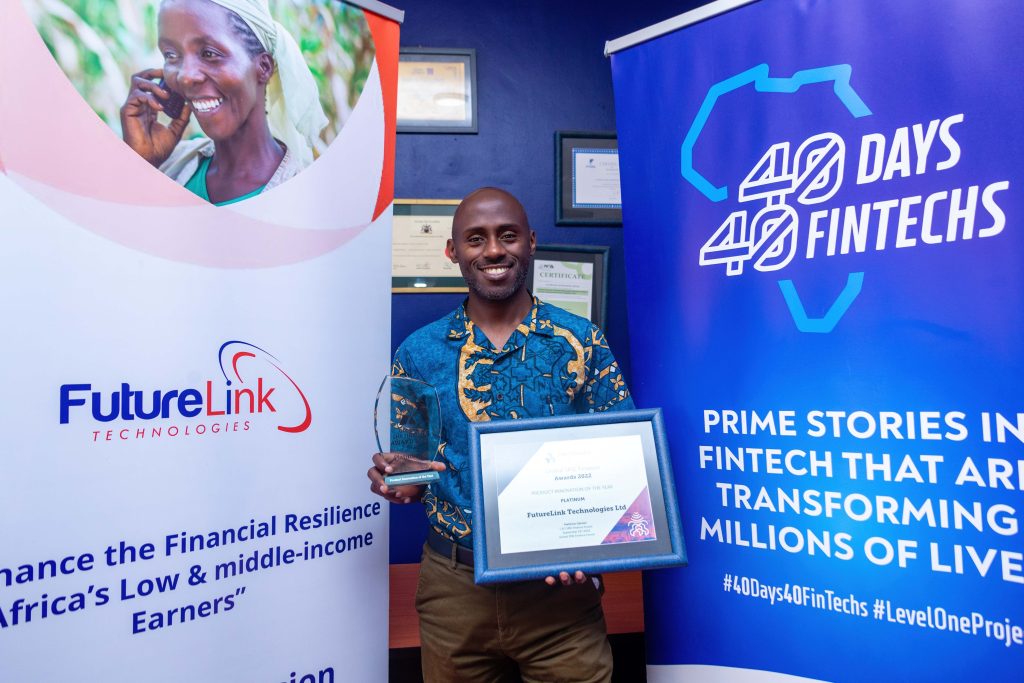
Future Link Technologies’ MSACCO platform is facilitating loans worth billions. #40Days40FinTechs Season 4 Day 22

In 2020, members of SAO Zirobwe Sacco in Luweero district were introduced to something ‘alien’. They were told that there was an electronic platform for them to deposit, save, withdraw or get a loan digitally. They just needed to download an Application on their phone or dial a given USSD number and start transacting.

“Sincerely I did not first buy it because personally I didn’t trust those digital things. I was afraid that I could lose my money without any trace,” recalls Edward Kisekka, a farmer in Zirobwe and member of the SAO Sacco.

Kisekka says that he had been saving and borrowing from this Sacco for more than 10 years and every time he needed a loan, he had to first visit the Sacco premises, fill out a few forms, declare his guarantor and get the money in cash.

“That’s is how we used to do it; now they were saying I could do all that using a phone,” he says.

Well, while Kisekka was primarily hesitant, he needed just six months to learn and appreciate this service called MSACCO.

“People started using it and I realised that it actually worked and I got onboarded too. It is indeed very convenient because I can easily transact with my phone from anywhere, anytime, even at night,” he says.

What is MSACCO?

MSACCO is a product of FutureLink Technologies, a Payment System Operator that works to enhance the financial resilience of Africa’s low and middle-income earners through a community-driven digital marketplace for affordable financial services.

According to Vincent Tumwijukye, the CEO and Co-founder of FutureLink Technologies, the MSACCO platform is an omni-channel that enables customers to access, assess and choose the most appropriate and affordable financial services.

Tumwijukye says that this platform was designed to help people grow personal savings, access affordable credit, and earn income in form of annual dividends by opening an account with any of the more than 300 SACCOs and MFIs that FutureLink works with.

“Regardless of what digital channel a customer prefers to use, (USSD or Mobile App), MSACCO gives a seamless user experience. So, if you have no relationship with any Sacco, you will be able to easily register. We have integrated with NIRA which means you don’t have to carry many documents; you just submit your NIN and we confirm with NIRA and we will be able to verify you and you join [a Sacco of your choice],” he says.

He adds that after signing up, one can actually request for a loan right away without going to a Sacco and the request will be received and processed in real-time.

“We work with the Credit Reference Bureau. This means that you don’t have to get a credit reference report…you just give us consent and we offer CRB to the lender,” he says.

Tumwijukye says that by introducing a marketplace for saving and lending institutions, FutureLink Technologies has helped many people such as Kisekka to benefit from this platform because of the convenience it brings.

“We have risen to be the kind of platform upon which financial cooperatives across the country are able to rely to access and serve their customers. These cooperatives have a transaction value of over 3.5 trillion and a total loan portfolio of about shs 400bn. We think that is a demonstration of community resilience,” he says.

Meanwhile, Isaac Yawe, a Credit Manager at SAO Zirobwe Sacco, says that since they enrolled for MSACCO in 2019, business has more than doubled.

“Most of our clients come for Boda Boda loans, business loans, agricultural loans, school fees loans, etc. Ever since we introduced them to the MSACCO platform, the numbers have grown exponentially because now they no longer need to come to our offices to transact,” he says.

Yawe says more women have enrolled on this platform than men.

“This Sacco started in 2003 and we now have over 15,065 members. Around 60 per cent of our members are women while 40 per cent are men. 40 per cent of our women members have enrolled on MSACCO compared to 20 per cent of the men that are using this digital platform,” he says.

40 Days 40 FinTechs

FutureLink Technologies is the 22nd participant in Season Four of the 40 Days 40 FinTechs initiative organised by HiPipo to shine a spotlight on innovative stories changing lives of people at the bottom of the pyramid.

Tumwijukye says that this initiative has played a very critical role in FinTech evolution because of the constant engagement between old-timers and new entrants which in the end creates market information and the resultant impact.

“For me being part of 40 Days 40 FinTechs is an opportunity to tell my story of 17 years [in this sector which other people can use and learn from],” he said.

The 40 Days 40 FinTechs initiative is organised in partnership with the Level One Project, Mojaloop Foundation, INFITX, Cyberplc Academy, Ideation Corner and Crosslake Technologies with generous support from the Bill and Melinda Gates Foundation.