Home Blog Page 8

Data, Dreams and Dilemmas: African Lives at the Centre of the Open‑Finance Revolution

By HiPipo Money

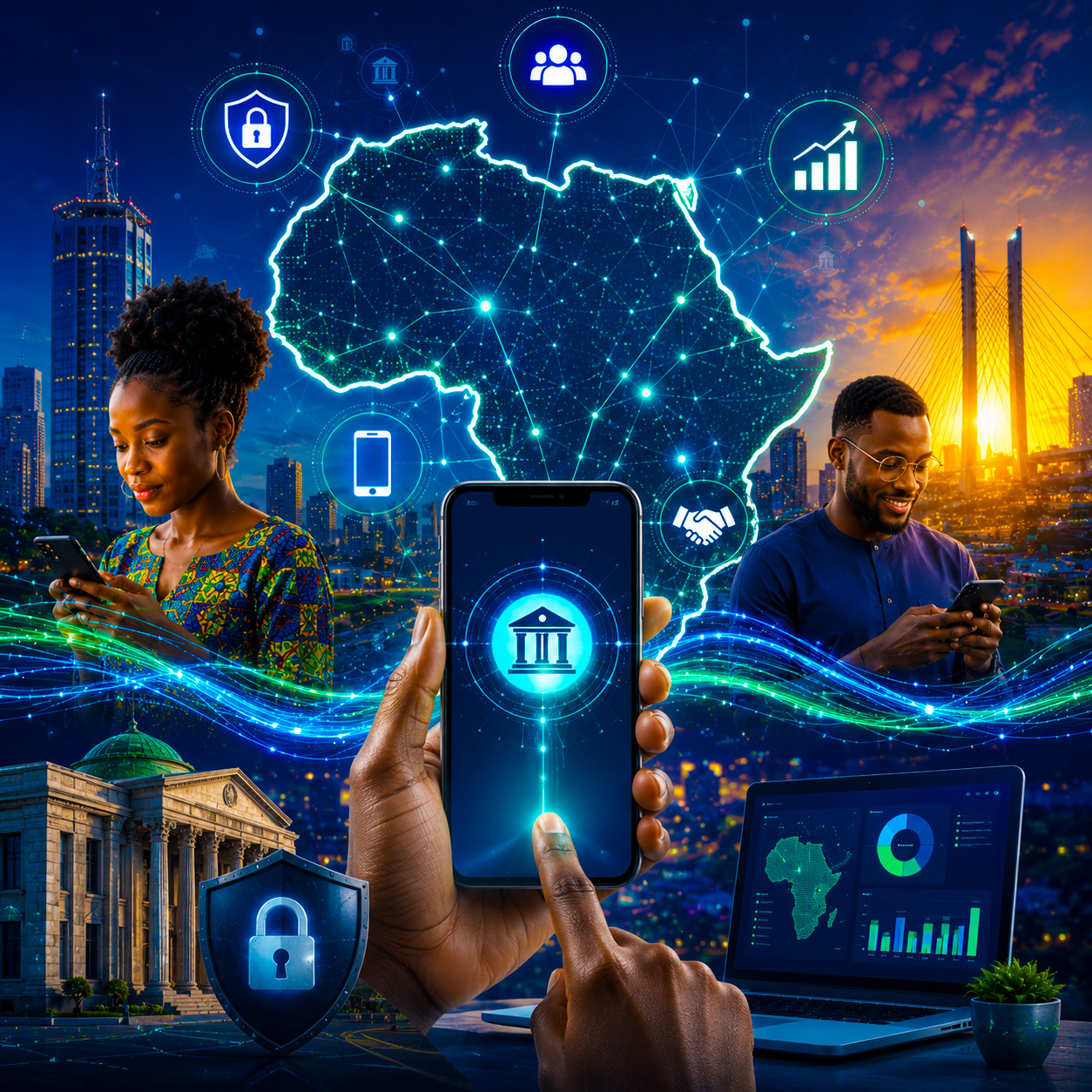
From dairy farmers in Rwanda to market women in Lagos, consumer‑permissioned data sharing is opening new vistas of opportunity. Yet the shift towards open finance also surfaces profound questions about privacy, power and who benefits from Africa’s digital future.

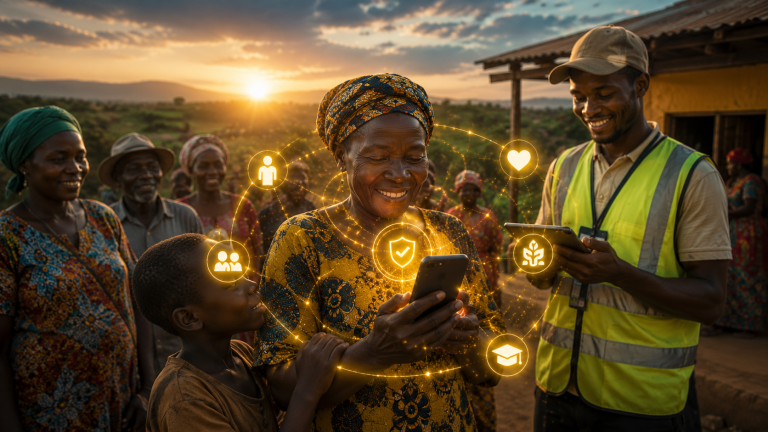
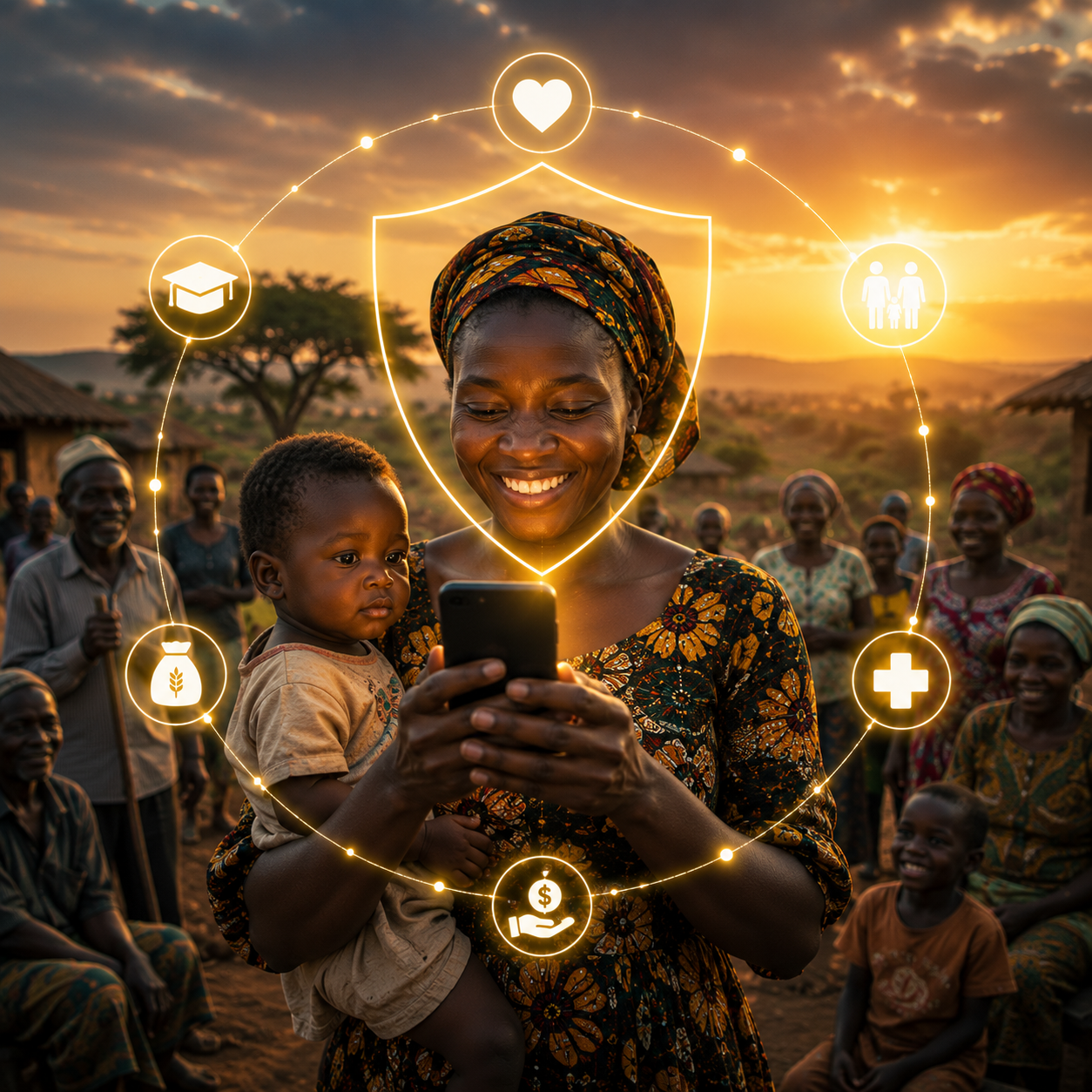
The soft whir of a smartphone motorbike app and the high‑pitched chatter of market stalls mingle in a dusty courtyard in Kigali. Inside a small house, 28‑year‑old Chantal, a dairy farmer and mother of three, swipes through an unfamiliar interface. She’s using an experimental application built by a Rwandan fintech in partnership with local cooperatives. The app links her savings group account, mobile‑money wallet and crop insurance plan. With a few taps, she can see her milk sales, contributions to the savings group and the status of a microinsurance claim filed after recent floods. What she doesn’t see are the streams of data coursing between providers: her transaction history is being pulled from her mobile‑money operator and shared with a credit bureau; her insurance premiums are calculated using rainfall data and her cooperatives’ ledger. For Chantal, the experience feels magical, an integrated financial life she never imagined. But behind the magic lies a radical change in how financial data is owned and exchanged, the essence of open finance.

To appreciate why open finance matters, one must recall Africa’s digital transformation journey. Two decades ago, an unbanked trader in Kampala or Kisumu faced enormous friction simply to send or receive money. Today, mobile‑money agents populate nearly every village, and Sub‑Saharan Africa accounts for about 65 per cent of global mobile‑money transactions. This explosion in digital payments created repositories of transaction data that, until recently, remained locked within each provider. Open finance shifts the paradigm by letting consumers “take control of their data in the financial system and gain the ability to share it with other providers”. The World Bank notes that such data sharing reduces switching costs, diminishes information asymmetry and empowers consumers by creating a level playing field between incumbents and new entrants. In simple terms, it means Doreen Nanfy, or a shopkeeper in Lagos, can authorise her bank or mobile‑money operator to share her financial history with a fintech that might offer her a better loan or savings product.

The human implications are profound. In Nigeria, open finance is no longer theory. After years of groundwork, the CBN announced that it would launch the open‑banking regime in August 2025, positioning Nigeria as the first African country to adopt this transformative framework. Operational guidelines published in 2023 lay out detailed consent management processes, requiring that customers’ consent be explicit, time‑bound and easily revoked. Banks must expose data via secure APIs, and third‑party FinTechs – once considered outsiders, can apply to become accredited API consumers or providers. For everyday Nigerians this could mean comparing credit offers, automating savings plans or aggregating multiple accounts on a single dashboard, all with peace of mind that their data will not be shared without permission. Crucially, the guidelines emphasise accessibility and user experience, aiming to make consent flows simple for people who may be using USSD on a feature phone, not just smartphones.

The excitement is palpable among innovators. “Finally, we can build the tools we’ve been dreaming of,” says Sola, the Lagos fintech founder whose startup creates budgeting and lending products for market traders. “Our customers will own their data; we won’t have to beg banks for it.” Nigeria’s open‑banking experiment is part of a broader global movement. In late 2024, a coalition including the IMF, World Bank and Bank for International Settlements issued high‑level guidelines urging public authorities to harness open finance to accelerate digital financial services and innovation. Queen Máxima of the Netherlands, the UN Special Advocate for Financial Health, reminded policymakers that open finance presents a chance to design systems that benefit those historically excluded. World Bank President Ajay Banga argued that open finance could be a game changer, helping bring services to people who had none and providing capital to millions of women entrepreneurs. Their optimism reflects a belief that data portability can unlock new credit models, micro‑insurance products, investment apps and cross‑border remittance services.

Optimism, however, does not negate risk. As more data is exchanged, new vulnerabilities emerge. The IMF guidelines caution that open finance can heighten data security and privacy risks. If big technology companies gain access to financial data without sharing their own, competition could be distorted, and consumer protection weakened. The World Bank’s digital‑finance knowledge base warns that authorities must consider how small players can meet technical standards and that volume‑based data access fees may disadvantage them. In Chantal’s village, smartphone ownership is far from universal; a recent Cenfri report notes that smartphone‑based consent models popular in Europe may not work in African settings and that alternative methods, like USSD or agent‑assisted consent, will be necessary. Cenfri also stresses that open finance carries the risk of exacerbating existing inequalities if data are misused or if the benefits accrue mainly to urban elites.
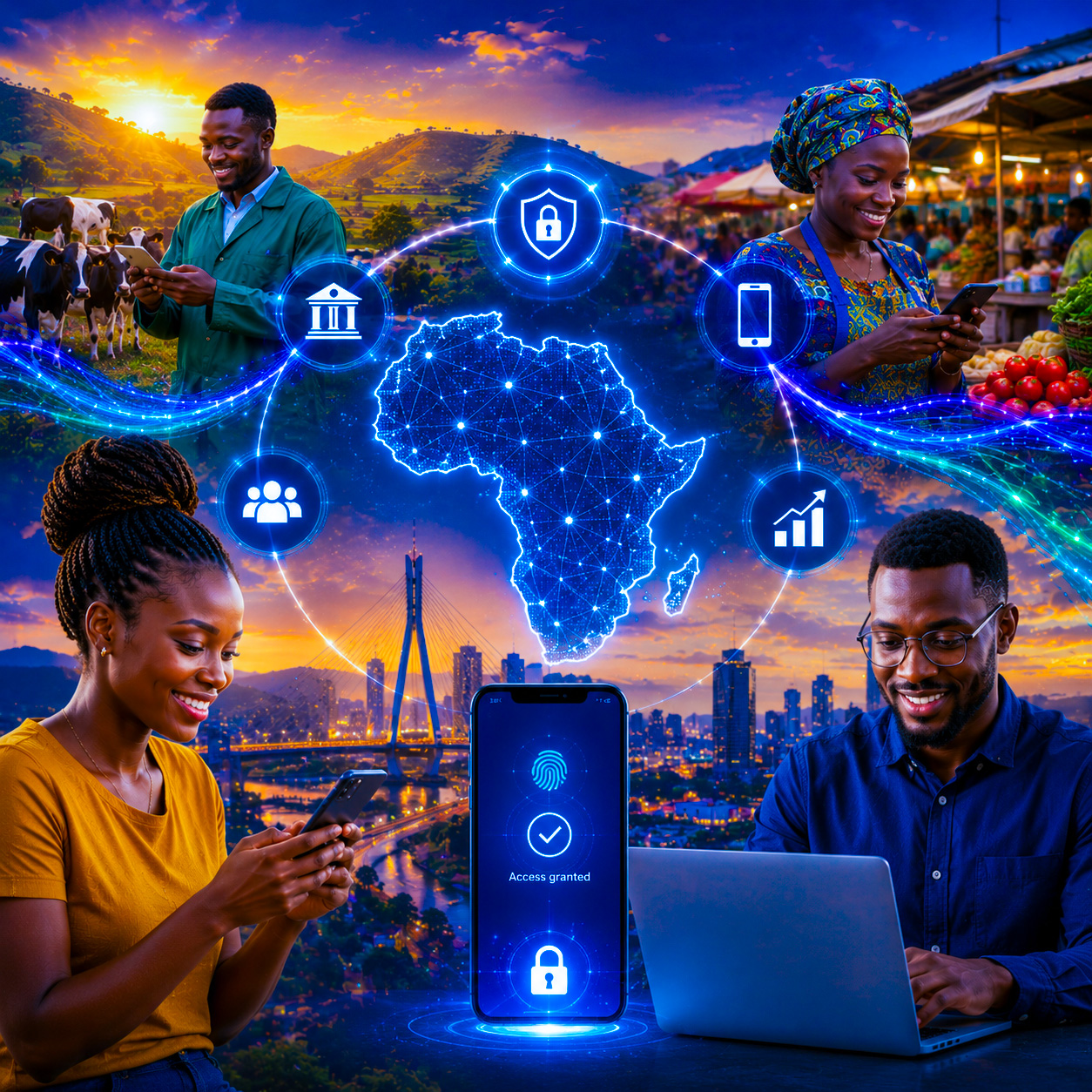
These warnings echo through community meetings in Nairobi’s Kibera settlement, where women entrepreneurs gather to discuss digital tools. “We’ve heard that new apps want to collect our data, but will they protect us?” asks Mary, who runs a hair salon and belongs to a savings group. She is right to be cautious. Without strong data protection laws and enforcement, unscrupulous actors could harvest customer data for predatory lending or targeted scams. Nigeria’s guidelines attempt to mitigate this by mandating encrypted tokens and requiring an open‑banking registry for oversight. But across much of Africa, regulatory capacity remains thin. A patchwork of data‑protection laws exists, some robust, others vague or unenforced. Civil society must therefore play an active role in holding institutions accountable and educating consumers about their rights.

Progress in other African countries illustrates the diversity of approaches. Ghana’s central bank published a draft open‑banking directive in 2024 as part of its ongoing Payment Systems Strategy. South Africa’s Financial Sector Conduct Authority has issued policy recommendations on open finance, emphasising that it extends beyond payment initiation to include a broad array of financial products. In Kenya, home to Africa’s most famous mobile‑money ecosystem, regulators are treading carefully, encouraging API standardisation while reinforcing data‑protection rules. In smaller markets such as Namibia and Zambia, feasibility studies conducted with Cenfri and Smart Africa are helping tailor roadmaps to local conditions. These roadmaps recognise that implementation will take years and must begin with foundational infrastructure, followed by pilots and gradual scaling.

Rwanda offers a glimpse into the human stories that such roadmaps must respect. The country’s early digital identity system, known as Irembo, has allowed citizens to access government services online. When Cenfri partnered with the National Bank of Rwanda to explore open finance, they discovered that many consumers still rely on feature phones. So they designed consent prototypes using both USSD codes and agent support. Farmers like Chantal were consulted on what information they would need to feel comfortable sharing data. The resulting approach emphasises clear explanations of what data will be shared, why it matters and how long the permission lasts. It also highlights the importance of intermediaries, cooperatives, savings groups, agents, in building trust. Similarly, in Zambia, open‑finance pilots are being linked to agricultural value chains, allowing cotton farmers to receive input financing based on transaction histories while ensuring data is only shared with their explicit consent.

Open finance also has a cross‑border dimension. The African Continental Free Trade Area seeks to facilitate trade across 54 countries. Initiatives like the Pan‑African Payment and Settlement System allow for near‑real‑time settlement in local currencies. With harmonised open‑finance standards, a Ugandan exporter could share her transaction history with a bank in Côte d’Ivoire to secure a working‑capital loan. Remittance corridors could be streamlined, with senders authorising service providers to aggregate data and shop for the cheapest rates. Digital insurers could offer products that follow migrant workers across borders. Such visions depend on robust digital public infrastructure, including digital identity systems, cybersecurity frameworks and interoperability, and on political coordination that remains nascent.

Women’s inclusion sits at the heart of this story. In many African countries, women are disproportionately unbanked and have less access to digital devices; studies show that women in low‑ and middle‑income countries are nine percentage points less likely than men to own a phone. Without targeted policies, open finance could worsen this divide by rewarding data‑rich customers (often male, urban and formal) while neglecting data‑poor women, farmers and informal workers. Yet open finance could also be a lifeline for women entrepreneurs, as Ajay Banga noted, if frameworks ensure that non‑traditional data, such as mobile‑money flows, communal savings records or retail purchase histories, can be used to underwrite loans. Programmes like HiPipo’s Women in FinTech Hackathon and Include Everyone initiative already support female innovators and digital‑literacy campaigns. Integrating these efforts into open‑finance roadmaps could amplify impact.

As open finance gains momentum, the role of intermediaries such as HiPipo and Digital Impact Awards Africa becomes even more vital. These organisations bridge the worlds of innovation, policy and community. They can convene regulators, banks and FinTechs to co‑design standards, highlight best practices from Nigeria or Rwanda and ensure that consumer voices inform policy. They can support small‑scale innovators who might otherwise struggle with compliance costs, and they can champion the inclusion of women and rural communities. They can also celebrate successes through awards and storytelling, embedding open finance within Africa’s broader narrative of digital transformation.

For Chantal, the dairy farmer, the concept of open finance is abstract. What matters is whether she can continue to access fair credit, save securely and protect her family against drought. For Sola, the fintech founder, open finance is a new canvas for creativity, but also a maze of regulatory and technical hurdles. For regulators, it is a balancing act between fostering innovation and preventing harm. For civil society, it is an opportunity to demand accountability. For Africa as a whole, it is part of an unfolding journey from the early days of mobile money to a future in which data itself is the currency of empowerment.

Open finance is not a niche fintech trend; it is a structural shift that could determine who thrives in Africa’s digital economy. By bringing to life the stories of farmers, traders and innovators, this feature shows how data portability may transform daily life while surfacing the dilemmas of privacy, power and inclusion. Whether Africa’s open‑finance revolution elevates millions or leaves them behind depends on choices being made today about consent models, infrastructure investments, gender equity and regulatory oversight.
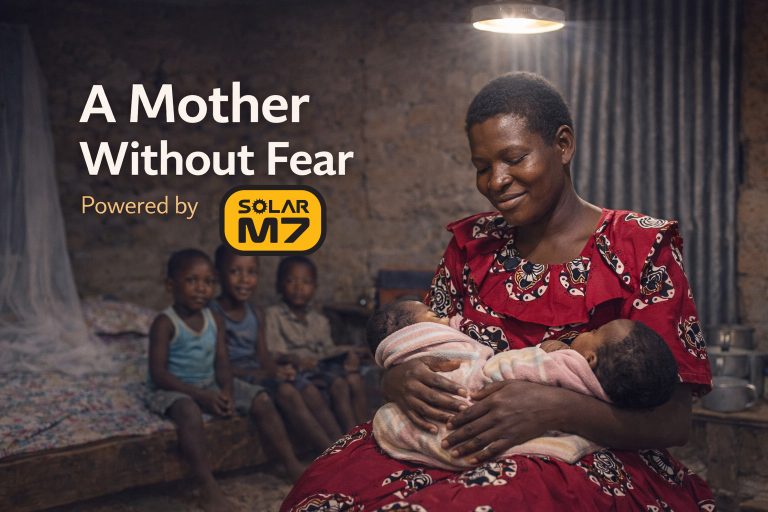
The Mother Who Reached for Her Baby — And Touched Fear Instead

A #100DaysofSolar Human Impact Story from Kasenge Nakawuka, Uganda

For Namukasa Margaret, motherhood once became terrifying in a single moment of darkness.

At 40 years old, the mother of four, including twins, spent her nights in Kasenge Nakawuka doing what mothers everywhere do: waking through the night to care for her children.

But one evening, everything changed.

As Margaret reached out in complete darkness to breastfeed her newborn baby, her hand touched something cold and alive beside the child.

It was not her baby. It was a snake.

In panic and terror, she screamed and fled the house with her older children as neighbours rushed to help. What should have been a quiet moment of motherhood became a nightmare that haunted her long afterward.

From that night on, darkness no longer felt ordinary.

Every shadow carried fear.

Every movement inside the house felt dangerous.

And caring for her children after sunset became emotionally exhausting because she could no longer trust what she could not see.

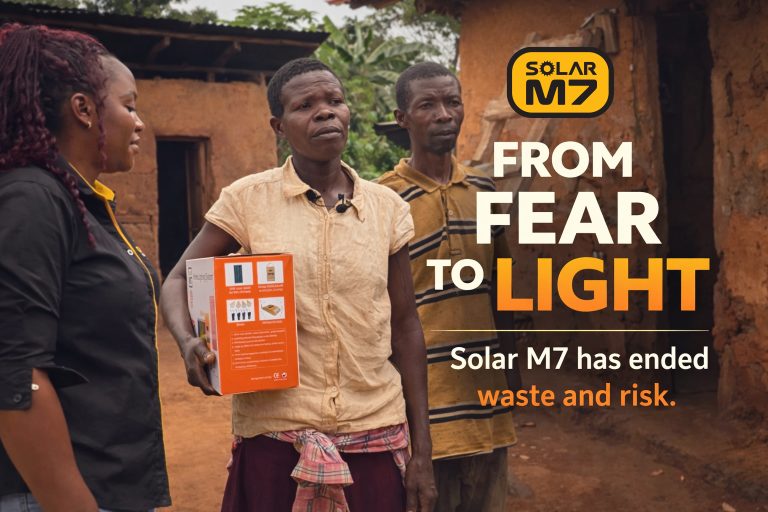
Then Solar M7 arrived. And for the first time since that terrifying night, Margaret began feeling safe inside her own home again.

Today, bright, reliable light fills every corner of the house after sunset. She now moves confidently while caring for her twins and children at night. The darkness no longer hides danger around her family. The fear that once controlled her evenings has slowly disappeared.

For Margaret, the transformation feels deeply personal.

“After the snake incident, nights became frightening for me,” she shared during her interview. “But now I can see clearly, care for my children safely, and sleep without the fear I once carried every night.”

According to Doreen Nanfuka, many mothers in underserved communities silently face dangerous living conditions made worse by lack of reliable lighting.

“When homes remain completely dark at night, mothers and children become vulnerable in ways many people never imagine,” Doreen explained. “Reliable light restores safety, confidence, and peace of mind inside the household.”

Innocent Kawooya says stories like Margaret’s reveal why energy access is also about protecting families from hidden dangers.

“Reliable light helps parents care for children more safely and confidently,” he noted. “No mother should live in fear simply because darkness makes her home unsafe.”

Today, nights inside Margaret’s home no longer feel filled with terror.

Her children sleep safely. The house feels secure. And in a home where darkness once turned motherhood into fear, Solar M7 is now helping restore something every parent deserves.

Safety. Peace. And the strength to nurture a family without fear.

Watch the full story of Namukasa Margaret from Kasenge Nakawuka, Uganda across our platforms:

YouTube
TikTok
Facebook
Instagram
LinkedIn
X/Twitter

#100DaysofSolar #SolarM7 #IncludeEveryone #EnergyAccess #HumanImpact #Nakawuka #Uganda #CleanEnergy #HiPipo

THE DIGITAL SAFETY NET – How Mobile Money Is Transforming Social Protection, and Why Africa Must Design Cash Transfers That Truly Reach the Last Mile

By HiPipo Money

When crisis reaches a household, time matters.

A mother waiting for food support cannot afford a delayed payment. A displaced family cannot wait for paperwork to move across ministries. A rural elder cannot spend scarce transport money travelling long distances to collect a small cash transfer. A vulnerable household surviving on thin margins cannot lose part of its support to informal deductions, transport costs, or unreliable distribution systems.

This is why the digitisation of social protection payments has become one of the most important shifts in Africa’s public finance and financial inclusion landscape.

Across the continent, governments are increasingly using mobile money, bank accounts, prepaid cards, agent networks, and digital payment platforms to deliver cash transfers and social assistance directly to citizens. The logic is powerful: if governments can move money digitally, they can reach vulnerable populations faster, reduce leakage, improve transparency, lower delivery costs, and bring more people into formal financial ecosystems.

But the story is not simple.

Digital payments can make social protection more efficient.

They can also expose the weakest citizens to new forms of exclusion if systems are poorly designed.

That tension is now shaping the future of government-to-person payments across Africa.

Social protection has always been about more than money. It is about resilience. It is about helping households survive shocks, keep children in school, access healthcare, rebuild livelihoods, and avoid falling deeper into poverty. Cash transfers are especially important during crises, and digital delivery can create long-term benefits by expanding financial inclusion and strengthening resilience. The World Bank has noted that digital payments for social protection can support recovery, rebuild livelihoods, and promote financial inclusion, especially when women receive predictable deposits into accounts they control. (World Bank Blogs)

That insight matters deeply for Africa.

For many low-income citizens, a government transfer may be their first formal interaction with a digital financial system. A social payment can become the gateway to a mobile wallet, a bank account, a savings habit, a transaction record, and eventually broader access to financial services.

This is where social protection and digital financial inclusion meet.

When designed well, digital cash transfers can reduce travel time, improve payment predictability, increase safety, and make support more convenient for beneficiaries. Recent World Bank evidence on digital government-to-person payments shows that recipients often report better convenience, safety, transparency, reduced waiting times, and higher satisfaction, especially when they have choice in how and where they receive funds. (World Bank)

For governments, the efficiencies can be equally significant.

Digital systems can improve beneficiary identification, reduce ghost payments, support audit trails, strengthen reporting, and enable faster response during emergencies. They can also make it easier to scale programs quickly when droughts, pandemics, floods, food insecurity, or economic shocks hit vulnerable communities.

This was visible globally during the COVID-19 period, when many governments expanded emergency transfers and relied more heavily on digital channels. The crisis showed that digital payment infrastructure is not only a financial tool; it is emergency response infrastructure. (World Bank)

Yet Africa’s experience also shows that digitising social protection is not automatically inclusive.

The poorest citizens are often the hardest to reach digitally.

Many potential beneficiaries lack formal identification, mobile phones, SIM registration, network coverage, digital literacy, or access to nearby agents. Women may face additional barriers around phone ownership, mobility, household control of money, and social norms. Older persons and people with disabilities may struggle with PIN systems, long agent queues, biometric failures, or inaccessible interfaces.

A digital transfer that looks efficient in a government dashboard may still be difficult for a beneficiary to receive in real life.

This is the central challenge.

Digital social protection must be designed from the beneficiary outward, not only from the system inward.

If a rural recipient must travel long distances to cash out, the payment is not fully efficient. If an agent lacks liquidity, the transfer is not fully accessible. If a woman receives money on a phone controlled by someone else, the transfer is not fully empowering. If fees consume part of the benefit, the transfer is not fully protective. If fraudsters exploit low-literacy users, the system is not fully safe.

The promise of digital cash transfers therefore, depends on the strength of the surrounding ecosystem.

Governments need reliable beneficiary databases, inclusive digital identity systems, interoperable payment rails, strong agent networks, clear grievance mechanisms, consumer protection rules, and effective monitoring. Payment providers need liquidity systems, rural reach, transparent fees, accessible interfaces, and user education. Communities need trust, awareness, and support.

Mobile money is especially important because it already reaches places traditional banks often do not. Agent networks can bring public payments closer to households, reducing the cost and burden of collection. But agent networks must be properly managed. Liquidity failures, network downtime, fraud, and informal charges can quickly weaken confidence in the system.

Choice is also becoming an important principle.

Beneficiaries should not be locked into one provider when multiple safe channels exist. A well-designed system can allow recipients to choose between mobile money, bank accounts, cards, or other approved channels depending on what works best for their context. This strengthens competition, reduces dependency, and improves user experience.

The broader policy lesson is clear: digitisation should not mean forcing vulnerable citizens into systems they cannot use confidently.

It should mean building systems around their realities.

For Africa, the next generation of social protection payments must therefore address five major priorities.

First, identity. Citizens need accessible and inclusive identification systems that allow them to register for support without exclusion. Second, infrastructure. Rural connectivity, electricity, agent liquidity, and interoperability must be strengthened. Third, affordability. Beneficiaries should not lose meaningful value through fees or transport costs. Fourth, literacy. Recipients must understand how to receive, store, withdraw, and protect their money. Fifth, protection. Strong complaint systems, fraud prevention, and data privacy safeguards must be built into every program.

This is where digital public infrastructure becomes central.

Social protection payments work best when identity, payments, and data systems are connected responsibly. A government that can identify citizens accurately, pay them quickly, and monitor outcomes transparently is better positioned to respond to poverty, crisis, and inequality.

But the human layer must remain at the center.

Digital transformation should not reduce beneficiaries to account numbers. It should give them greater dignity, security, and control.

For women, this can be especially powerful. A transfer paid into an account in a woman’s own name can increase privacy, control, and decision-making power within the household. But this benefit depends on whether she can access and use the account independently. That is why gender-sensitive design must be part of every digital social protection program.

For SMEs and informal economies, digital transfers also have secondary effects. When government support enters communities digitally, it can stimulate local merchant payments, increase wallet usage, support small businesses, and strengthen digital financial habits. A social transfer can become part of a wider digital economy if merchants, agents, and households are connected effectively.

This makes social protection one of the most strategic entry points for mass digital financial usage.

Not just access.

Usage.

And not just usage.

Resilience.

For HiPipo Money, this is a critical story because it sits at the heart of the Include Everyone agenda. The question is not simply whether governments can digitise cash transfers. The deeper question is whether digital systems can protect the poorest, empower women, strengthen trust, and connect vulnerable citizens to long-term economic opportunity.

This is also where platforms such as the Digital Impact Awards Africa can play a powerful role by recognising institutions, FinTechs, mobile money providers, banks, government agencies, and innovators building responsible, inclusive, and last-mile social payment systems.

Africa’s social protection future will not be judged only by how fast money leaves government accounts.

It will be judged by what happens when that money reaches a household.

Did it arrive on time?

Did the right person receive it?

Was it safe?

Was it affordable?

Was it easy to access?

Did it strengthen dignity?

Did it open the door to broader financial inclusion?

Because the true success of digital social protection is not the digitisation of payment alone.

It is the protection of people.

And if Africa gets this right, mobile money and digital payments will not only move government support faster. They will help build a more resilient, transparent, and inclusive economy, one household at a time.

Spiro Raises $215 Million to Supercharge Electric Mobility Across Africa

African electric mobility company Spiro has secured $215 million in fresh funding to expand its electric vehicle ecosystem and battery-swapping infrastructure across the continent, the company announced on 2nd June 2026.

The investment round attracted backing from several institutional investors, including Denmark’s Impact Fund Denmark and Equitane, signaling growing confidence in Africa’s clean transportation sector. The funding will support the rollout of new battery-swapping stations, expansion into additional markets, and the growth of local manufacturing operations.

Spiro currently operates in seven African markets: Kenya, Rwanda, Uganda, Togo, Benin, Nigeria, and Cameroon. The company said it plans to extend its footprint into the Democratic Republic of Congo and Ethiopia, as demand for affordable electric transport solutions continues to rise across the continent.

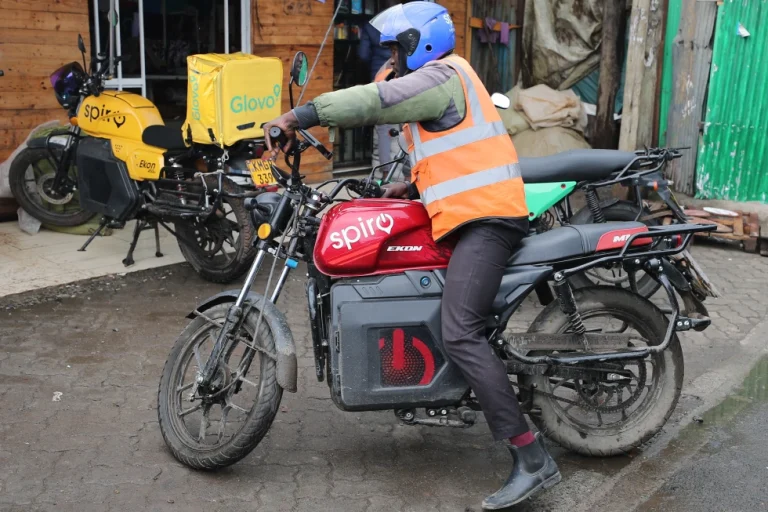
The company has built one of Africa’s largest electric mobility networks, deploying more than 100,000 electric vehicles and operating 2,500 battery-swapping stations across its existing markets. The battery-swapping model allows riders to exchange depleted batteries for fully charged ones within minutes, eliminating lengthy charging times and helping commercial riders stay on the road.

Beyond vehicle deployment, Spiro has invested heavily in local production infrastructure. The company operates manufacturing facilities in Kenya, Rwanda, and Uganda, while a battery recycling plant in Nigeria supports its efforts to build a circular and sustainable energy ecosystem.

According to the company, Spiro has created 6,000 sustainable direct and indirect jobs across its African markets. Founder Gagan Gupta, who also serves as Equitane Chairman, described the past year as a defining strategic milestone for the company.

“This past year marked a defining strategic milestone for Spiro,” Gupta said. “Across seven active markets, our deployment of 100,000 electric vehicles and 2,500 smart-swap stations has turned sustainable mobility into an affordable, everyday reality.”

He added that Spiro has become a major driver of local industrialisation, value creation, and manufacturing across African markets. “Supported by our global pool of investors, we are entering our next growth chapter to deliver clean, cost-effective energy and transport alternatives to millions of riders across the continent,” Gupta said.

Electric motorcycles have emerged as a particularly attractive solution in many African cities, where two-wheel transport plays a central role in moving people and goods. Industry analysts say battery-swapping technology is helping overcome one of the biggest barriers to electric vehicle adoption by providing riders with quick and convenient access to power.

For commercial riders, time off the road means lost income. Swapping a depleted battery for a fully charged one takes minutes, compared to the hours required for conventional charging. That efficiency has made Spiro’s model especially popular among boda boda riders and delivery drivers.

Lars Bo Bertram, Chief Executive Officer of Impact Fund Denmark, said the investment reflects growing confidence in both Spiro’s business model and the broader opportunities within Africa’s electric mobility sector.

“We are investing in Spiro and bringing Danish pension capital into one of Africa’s most promising growth markets because we see potential for significant commercial growth in Spiro and electric mobility across Africa, as well as measurable climate impact,” Bertram said. “That is exactly the type of investment we want to make.”

The funding is expected to help Spiro scale its infrastructure network, strengthen manufacturing capabilities, and advance new technologies aimed at making clean transportation more accessible to millions of riders across the continent.

The $215 million raise comes at a time when African countries are increasingly looking to reduce dependence on imported fossil fuels while addressing rising transportation costs. Electric mobility has emerged as a priority sector for several governments, with policy reforms and incentives being introduced to encourage adoption.

Spiro’s announcement follows other recent e-mobility investments on the continent, including GOGO Electric’s funding to boost production in Uganda and Visa’s investment in Nigerian fintech Moniepoint, highlighting the growing appetite for African tech-driven ventures.

With the new funding, Spiro plans to accelerate its infrastructure rollout, enter the DR Congo and Ethiopia markets, and deepen its local manufacturing capabilities. The company’s battery recycling plant in Nigeria will also be expanded as part of its commitment to a circular economy.

For millions of African motorcycle riders who rely on two wheels for their livelihoods, the expansion means greater access to affordable, clean, and reliable transport. And for the continent’s climate goals, it represents a significant step toward reducing emissions from one of the fastest-growing sources of fossil fuel consumption.

Open Finance: Unlocking Africa’s Data Economy and Redefining Financial Competition

By HiPipo Money

Consumer‑permissioned data sharing is sweeping across the continent. With Nigeria leading the charge, regulators and innovators must balance the promise of greater innovation, competition and inclusion against serious questions about data privacy, security and the future of banking.

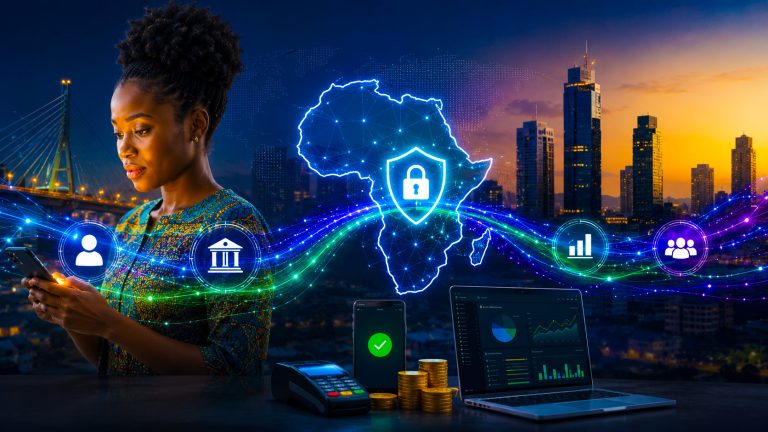
Africa’s digital finance revolution has always been rooted in people, in the traders who adopted mobile money when banks ignored them, in the informal businesses that used airtime transfers as working capital and in the mothers who kept their savings secure through mobile wallets rather than under mattresses. Today, a new revolution is taking shape, one that goes beyond mobile transactions to the very way data flows between institutions. This is the world of open finance: a model in which customers can authorise their banks, insurers and mobile‑money providers to share financial data with third‑party innovators through secure, standardised APIs. In Lagos, a young fintech founder named Sola dreams of building an app that helps market traders compare loans, budget cash flows and access credit from multiple lenders. Until recently, those traders’ financial data were locked inside siloed bank systems. But in April 2025, the Central Bank of Nigeria (CBN) announced that it would launch an open‑banking regime, culminating in operational guidelines published in March 2023, making Nigeria the first African country to implement open banking. The initiative opens the door for innovators like Sola by mandating that banks expose data through secure APIs, subject to customer consent, enabling third parties to build new services and fostering competition and interoperability.

The seeds of open finance could only sprout in the fertile soil of Africa’s digital payments boom. Sub‑Saharan Africa accounts for roughly two‑thirds of all mobile‑money transactions worldwide and, by 2021, about one‑third of adults had mobile‑money accounts. This widespread digital adoption has created immense datasets about spending, saving and borrowing. At the same time, it has revealed how much more could be achieved if those datasets were portable. Open finance promises to do just that, allowing consumers to “take control of their data in the financial system and gain the ability to share it with other providers”. According to the World Bank’s Digital Finance Inclusion knowledge base, open finance reduces switching costs, reduces information asymmetries and levels the playing field between large incumbents and small entrants. By enabling broader access to a wider range of financial services – credit, insurance, investment, pensions, it has the potential to “significantly enhance financial inclusion”. It is not simply a technical evolution of open banking but a radical rethinking of who owns financial data and how it is monetised.

Nigeria’s early move reflects both ambition and necessity. For decades, Nigerian banks treated customer data as proprietary. Customers seeking to switch banks or obtain a loan from a fintech had little power to port their transaction history. The CBN’s framework and accompanying operational guidelines, developed from 2021 onwards, are designed to change that by establishing consent management processes, central registries and security protocols. Consent must be explicit, time‑bound and easily revoked; an encrypted token reflecting the scope of customer rights must accompany every API call. The guidelines cover a broad scope of services, including payments and remittances, deposit taking, credit, personal finance management and even credit scoring. Eligible participants range from banks and FinTechs to non‑bank entities such as fast‑moving consumer goods companies and payroll bureaus. By creating an Open Banking Registry to monitor participants and requiring service‑level agreements to ensure reliability, the CBN hopes to foster an ecosystem where data flows securely and innovations flourish.

The move has global resonance. In November 2024, a coalition of international organisations, including the World Bank, IMF, Bank for International Settlements and the United Nations Secretary‑General’s Special Advocate for Financial Health, published a high‑level “Key Considerations for Open Finance” to guide regulators. Their press release called open finance the next frontier of financial services, noting that 76 per cent of the world’s population already has access to a basic transaction account and that open finance can expand the use and benefits of those accounts. Her Majesty Queen Máxima, the UN Special Advocate, emphasised that open finance must be shaped in a way that benefits those who have been financially excluded or underserved. Ajay Banga, President of the World Bank Group, declared that done right, open finance could be “a game changer” capable of bringing financial services to people who traditionally had none and of providing capital to “80 million more women entrepreneurs” who currently lack it. These statements underline the extraordinary expectations riding on data sharing frameworks.

Proponents argue that open finance empowers customers by enabling them to authorise data sharing without bilateral contracts between institutions. As the IMF release explains, customers can give consent for a financial institution to share their data with another institution, reducing information asymmetry and fostering a more competitive market. With the ability to access and combine data from multiple banks, insurers or mobile‑money providers, FinTechs can offer more tailored products: a credit‑scoring platform can incorporate salary payments, remittance flows and mobile‑wallet activity to provide fairer loans; an investment app can aggregate savings and pension balances into a single dashboard; a digital insurer can pre‑fill application forms using verified data. This empowerment extends to micro and small enterprises (MSEs) and women‑owned businesses, allowing them to compare offers and negotiate better terms.

Yet the same mechanism that promises empowerment also carries new risks. When data flows multiply, the attack surface for hackers widens and the potential for misuse grows. The IMF release warns that open finance can “bring new or enhanced risks” because more data is exchanged between financial providers, heightening “data security, protection, and privacy” concerns. The guidelines call on public authorities to balance consumer protection with innovation and to monitor whether dominant players from other sectors – for example, large technology platforms- gain access to financial data without reciprocity. Agustín Carstens, the BIS general manager, notes that the benefits of open finance can only be realised if accompanied by “adequate regulation and safeguards”. This caution resonates strongly in Africa, where data protection laws and enforcement capacities vary widely and where digital literacy remains uneven.

In fact, context matters as much as ambition. A synthesis note by the Cape‑Town‑based think tank Cenfri, produced in partnership with Rwanda’s central bank and Zambia’s central bank, warns that global approaches to open finance are not always appropriate for African markets. Open finance comes with costs and risks, particularly because highly sensitive personal information becomes shareable; to avoid exacerbating inequalities, African regulators must tailor strategies to local conditions rather than copy‑pasting frameworks from the UK or Brazil. For example, smartphone‑based consent models may work in Europe, but Africa’s relatively low smartphone penetration means alternative methods, such as USSD menus, agents or voice interfaces- will be necessary. Cenfri’s note also highlights that open finance rollouts are long‑term endeavours unfolding over five to seven years: first building foundational infrastructure, then piloting use cases, scaling up with large institutions and eventually expanding to sectors like insurance and pensions. Case studies in Rwanda and Zambia show that readiness levels differ across countries and that local capacity‑building is essential.

This context underscores that open finance is not a silver bullet for inclusion. To succeed, it must ride on well‑designed digital public infrastructure such as national identity systems, interoperable payment rails and secure data‑sharing platforms. The World Bank emphasises that open finance must support competition by ensuring smaller players can meet standards for APIs and by adopting phased approaches. Pricing policies matter: volume‑based data access fees can put small fintechs at a disadvantage, while bilateral pricing agreements may discourage participation. When digital markets are already dominated by a handful of mobile‑money operators, as is the case in several African countries, regulators will need to pay close attention to avoid entrenching incumbents. Conversely, well‑designed frameworks could unleash a wave of specialised firms, from rural micro‑insurers to climate‑risk analytics platforms, that can compete because they can access customer‑permissioned data.

Nigeria’s example offers both inspiration and caution. The open‑banking guidelines are explicit about consent: customers must provide time‑bound, explicit consent, and there must be an option to opt out. The framework categorises data into four classes, product information, market‑insight transactions, customer information and transactional data, each with its own risk level. API providers must publish performance metrics and abide by dispute‑resolution procedures. At the same time, the guidelines emphasise accessibility and interoperability across technologies and organisations. This ambition requires significant investment in API gateways, cybersecurity, audit processes and consumer education. For many African banks and FinTechs, the cost of compliance may be high, raising questions about whether smaller institutions can keep up and whether a slow, phased approach might be necessary. The introduction of Nigeria’s open‑banking registry also raises a host of governance issues: Who manages the registry? What liability falls on an API provider if a downstream player misuses data? These questions will need clear answers to build trust.

Beyond Nigeria, other African jurisdictions are moving cautiously towards open finance. The Bank of Ghana released a draft open‑banking directive in 2024, building on its Payment Systems Strategy and seeking to accelerate digital innovation while protecting consumers. In South Africa, the Financial Sector Conduct Authority (FSCA) has issued policy recommendations on open finance, noting that it is an evolution of open banking and extends data sharing beyond payment initiation to a wider scope of financial products and consumer data. Kenya’s fintech ecosystem, anchored by mobile‑money giant M‑Pesa, is exploring open APIs with prudence; regulators there remain focused on data privacy rules and have warned that screen‑scraping practices could be replaced by more secure API standards. Namibia and Zambia are working with Smart Africa and Cenfri to assess feasibility and design context‑appropriate frameworks. These parallel efforts point to a pan‑African conversation about how to harmonise standards without sacrificing local nuance.

Underlying this conversation is a deeper question about the very nature of data ownership. Should consumers control their data, essentially renting it out to providers, or does data become a shared resource for the financial system? In the mobile‑money era, providers accumulated vast transaction histories without necessarily granting consumers visibility into how that data was used. Open finance shifts the paradigm by requiring consent and transparency. But in a region where women are nine percentage points less likely than men to own a phone, and where literacy barriers persist, a purely digital consent regime could exclude millions. Open finance must therefore be designed alongside initiatives to close the gender digital divide, expand device access and build financial literacy.

The stakes extend beyond consumer apps. Open finance could profoundly reshape cross‑border trade and regional integration. The African Continental Free Trade Area (AfCFTA) aims to reduce barriers to goods and services; open finance could complement that by facilitating cross‑border financial services through harmonised data‑sharing standards. Initiatives like the Pan‑African Payment and Settlement System (PAPSS) already allow businesses to settle trade in local currencies; open finance could enable cross‑border credit scoring, factoring and insurance. For small exporters in, say, Kigali or Abidjan, being able to share transaction histories with a foreign lender could unlock working capital. Meanwhile, digital public infrastructure such as interoperable QR codes and national digital identities would provide the rails on which open finance rides.

Ultimately, the success of open finance in Africa will depend on trust. Regulators must craft clear, enforceable rules that protect consumers without stifling innovation. Banks and FinTechs must invest in robust APIs, cybersecurity and consumer education. Consumer groups and civil‑society organisations must advocate for inclusive design that serves women, rural communities and people with disabilities. International partners must avoid imposing one‑size‑fits‑all models and instead support local capacity building. The promise is vast: better products, more competition, deeper inclusion and a financial ecosystem that reflects the dynamism of Africa’s markets. But the risks are equally real. As Nigeria begins its open‑banking experiment and other countries draft their own rules, Africa has the chance to pioneer a version of open finance that is equitable, secure and truly transformative.

Open finance is more than a technical project; it is a reimagining of who controls financial data and how value is created from it. In a region where mobile money has already brought millions into the digital economy, making data portable could unleash waves of innovation and competition. At the same time, the concentration of data in the hands of a few players could entrench inequalities or expose consumers to new forms of exploitation. By examining Nigeria’s early experiments, global guidelines and context‑specific insights from Rwanda and Zambia, we understand that success will require careful regulation, robust digital infrastructure and a relentless focus on inclusion.

The Mother Who Finally Escaped the Cost of Darkness

A #100DaysofSolar Human Impact Story from Buteyongera, Mukono District, Uganda

For Awori Scovia, darkness was never free.

Every single day, the mother of seven spent money on candles just so her family could survive the night. More than a dollar disappeared daily into weak flames that barely lit the house, produced smoke, and still left her children struggling to see properly after sunset.

And even then, danger never felt far away.

In Buteyongera, candle fires have destroyed too many homes. Families live with constant fear of sleeping beside open flames inside small houses built closely together. People in the community speak painfully about homes burning in the middle of the night, lives disrupted in moments that begin with only a single candle.

For Scovia, every evening carried worry.

Would the candle fall?

Would the children be safe?

Would the house survive another night?

Then Solar M7 arrived.

And suddenly, the fear that had followed her family for years began to disappear.

Tonight, her home glows brightly and safely.

Her children sit comfortably under clean light, reading without fear or strain. The smoke is gone. The stress is lighter. And for the first time in a long while, evenings no longer feel like a dangerous financial burden.

“Candles were costing us so much money, yet the light was never enough,” Scovia shared during her interview. “Now the children can study properly, and I sleep knowing the house is safer.”

According to Doreen Nanfuka, families like Scovia’s are often trapped in a painful cycle where poverty forces them to spend continuously on unsafe energy alternatives.

“Many people underestimate how expensive darkness truly is,” Doreen explained. “Families spend money every day on candles and risky lighting while still living in fear. Solar changes both the financial and emotional reality inside the home.”

Innocent Kawooya says one of the most important goals of #100DaysofSolar is to help families move away from unsafe and expensive energy sources.

“When a family no longer depends on candles, they gain more than light,” he noted. “They gain safety, savings, dignity, and greater opportunity for their children.”

Today, evenings inside Scovia’s home feel different.

Children read peacefully. A mother rests with less fear.

Money once burned away through candles can now support the family in other important ways.

And in a community where darkness once carried constant risk, hope now shines far brighter than fear.

Watch the full story of Awori Scovia from Buteyongera, Mukono District, Uganda across our platforms:

YouTube
TikTok
Facebook
Instagram
LinkedIn
X/Twitter

#100DaysofSolar #SolarM7 #IncludeEveryone #EnergyAccess #HumanImpact #Mukono #Uganda #CleanEnergy #HiPipo