Home Blog Page 5

FINTECHS BUILT FOR HER – How Women-Focused Digital Finance Platforms Are Quietly Reshaping Entrepreneurship Across Africa

By HiPipo Money

Africa’s FinTech revolution is often described through the language of scale.

Millions of users. Billions in transactions. Rapid mobile money adoption. Explosive startup growth.

But beneath the numbers, another quieter transformation is taking place across the continent.

A growing generation of FinTech companies is building specifically for women entrepreneurs.

Not as a side market.

Not as a symbolic inclusion strategy.

But because millions of African women have historically been underserved by traditional financial systems despite being central to local economies.

Across Africa, women run market stalls, farms, tailoring businesses, food enterprises, transport operations, retail shops, savings groups, beauty businesses, and informal trade networks that support millions of households every day.

Yet many still struggle accessing affordable credit, insurance, savings tools, and formal financial systems designed around the realities of their lives.

Traditional banking often failed to understand how women actually manage money. FinTechs are beginning to change that. One of the most important shifts has emerged through digital savings groups.

Long before FinTech became fashionable, women across Africa had already built powerful informal financial systems through:

  • village savings groups,
  • rotating savings circles,
  • community lending structures,
  • and collective contribution networks.

These systems survived because they were trusted, flexible, social, and deeply connected to local realities.

Women used them to:

  • save gradually,
  • access emergency support,
  • fund businesses,
  • pay school fees,
  • and build resilience in environments where formal banking often remained inaccessible.

But these systems also faced limitations. Cash handling created risk. Records were difficult to track. Remote participation remained difficult. Scaling beyond local communities was limited. Digital finance is now modernising many of these traditional systems.

Women’s savings groups increasingly use mobile platforms to save digitally, track contributions, distribute loans, manage records, and move money securely through phones instead of relying entirely on physical cash systems.

The significance goes far beyond convenience. These platforms are blending something powerful: Traditional community trust with modern financial infrastructure.

For many women entrepreneurs, digital savings ecosystems become the first real pathway into formal financial participation. A woman contributing small amounts consistently through digital savings tools gradually builds:

  • transaction history,
  • financial visibility,
  • and digital confidence.

Over time, that visibility can help unlock access to broader financial opportunities.

A trader previously invisible to formal systems may eventually qualify for:

  • working capital,
  • merchant services,
  • insurance,
  • or digital credit products.

The phone becomes more than a payment tool. It becomes a financial identity layer.

Microinsurance is becoming another major area of innovation.

Historically, insurance products across much of Africa were often inaccessible to low-income women entrepreneurs. Premiums felt too expensive. Enrollment processes were too formal. Distribution systems rarely reached informal business owners effectively.

Yet women operating microbusinesses face enormous vulnerability. Illness. Climate shocks. Inventory loss. Crop failure. Household emergencies. One unexpected disruption can destroy years of progress.

Digital microinsurance platforms are beginning to address this gap through:

  • low-cost coverage,
  • mobile onboarding,
  • flexible premium structures,
  • and simplified claims systems
    designed around informal economic realities.

This matters enormously because resilience is just as important as growth in low-income entrepreneurial environments.

A woman entrepreneur who can recover after crisis is far more likely to sustain long-term economic mobility. FinTechs are also rethinking credit itself.

Traditional lending systems often relied heavily on:

  • collateral,
  • formal employment,
  • fixed salaries,
  • and conventional credit histories.

But millions of African women entrepreneurs operate active businesses outside those structures every day.

FinTech platforms increasingly use:

  • transaction patterns,
  • mobile money history,
  • savings behavior,
  • merchant payments,
  • and alternative financial data
    to assess reliability and creditworthiness.

This creates opportunities for women historically excluded from formal lending systems.

A trader once considered “unbankable” may now access working capital because her transaction behavior demonstrates financial discipline digitally.

That shift is transformative.

There is another important change happening quietly beneath the surface.
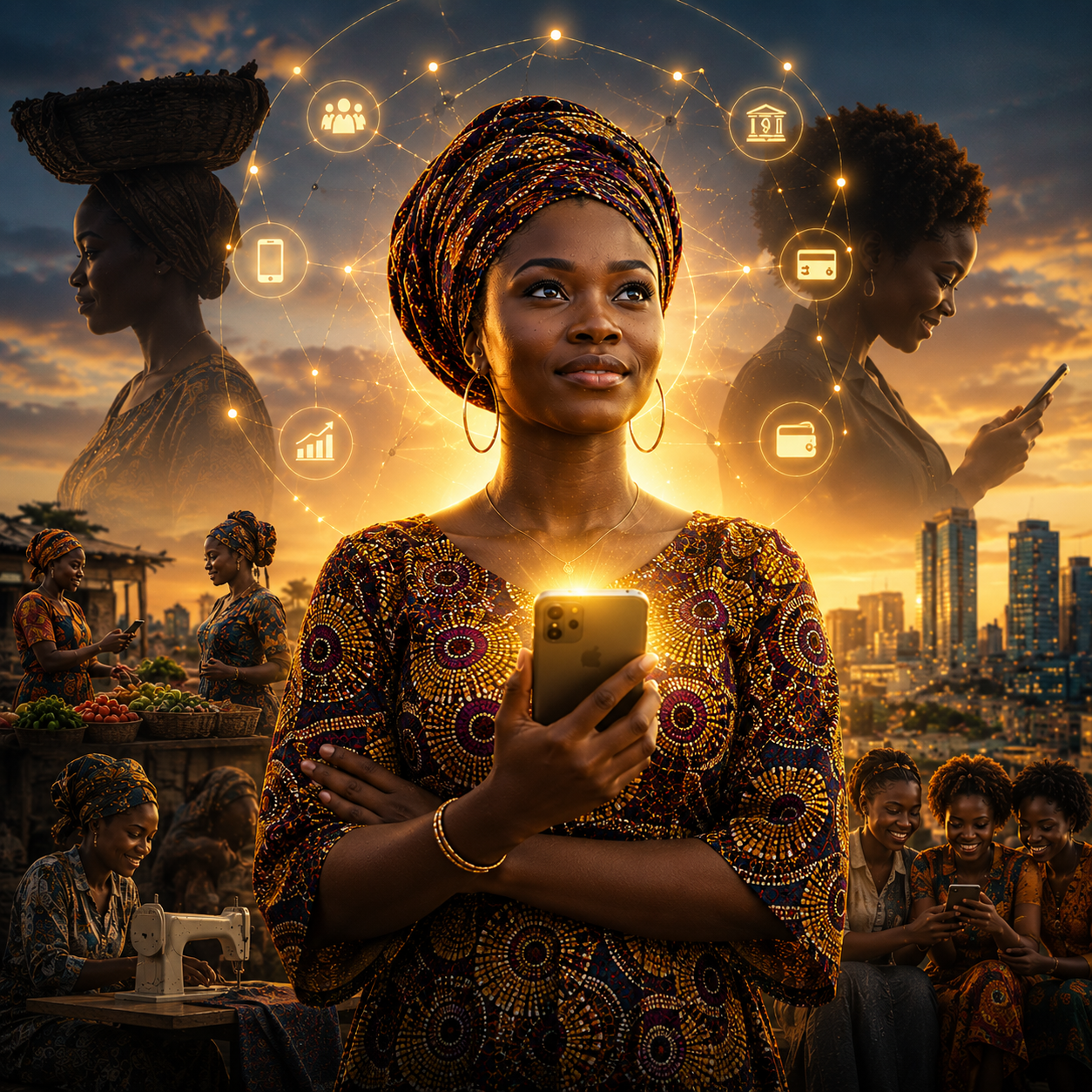
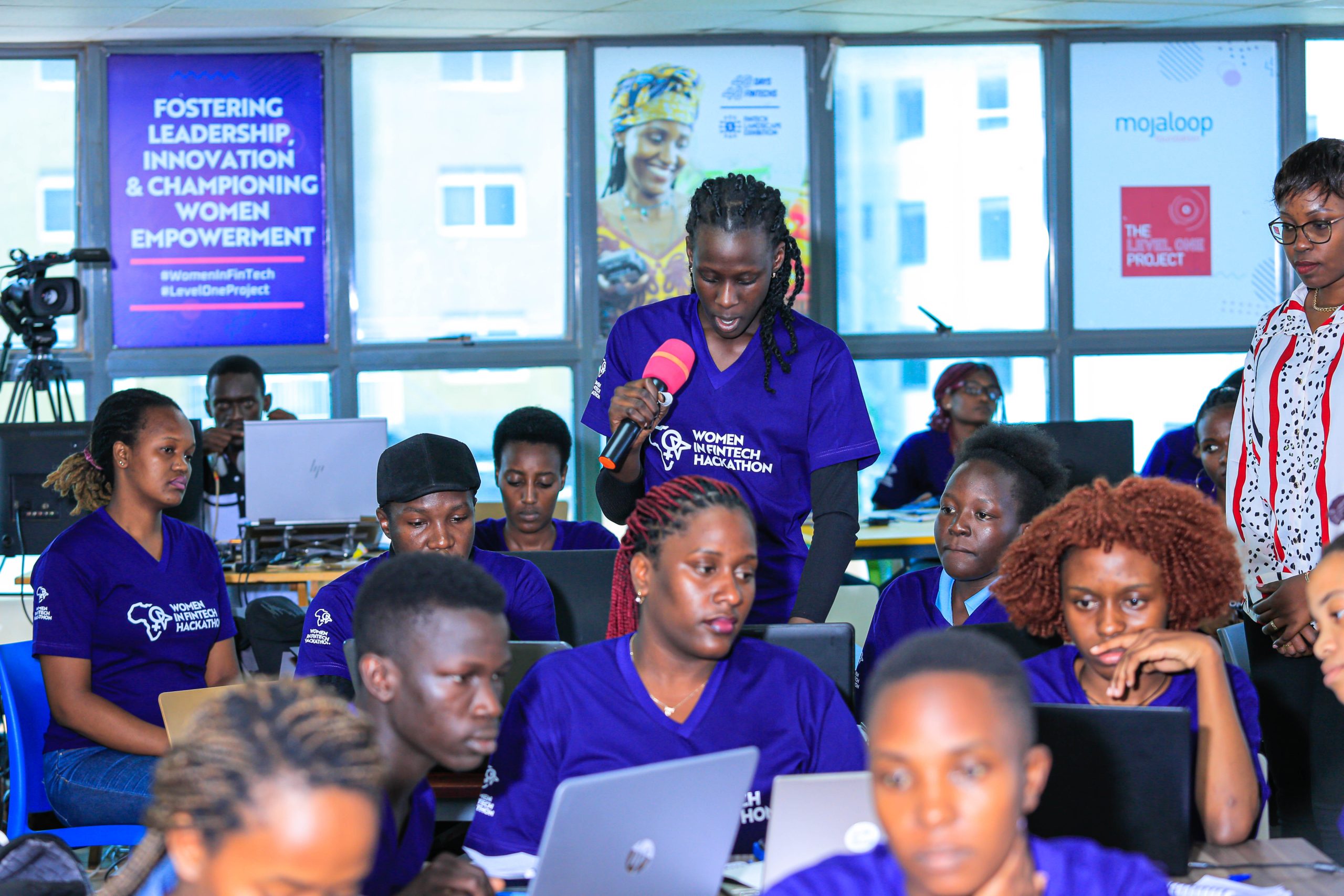
Women are increasingly building the FinTech ecosystem itself.

Across Africa, more women are emerging as:

  • FinTech founders,
  • digital finance executives,
  • mobile money agents,
  • ecosystem leaders,
  • and innovation advocates.

That representation matters because financial systems become more inclusive when women help design them directly.

Products shaped around actual user realities tend to solve problems more effectively than systems built around assumptions.

The future of African FinTech will likely become stronger as women move from being primarily users of digital finance into becoming architects of digital finance itself.

The rise of women-focused FinTech ecosystems also reflects a broader shift happening within African digital finance.

The conversation is moving beyond:
“How many people have accounts?”

Toward:
“How meaningfully are people participating economically?”

That distinction matters enormously.

A woman may technically own a mobile wallet while still struggling to access:

  • business financing,
  • insurance,
  • savings products,
  • or growth infrastructure.

True inclusion requires systems designed around actual economic realities, not simply digital onboarding numbers.

This is why many women-focused FinTech ecosystems increasingly combine:

  • financial literacy,
  • community savings,
  • mobile payments,
  • insurance,
  • entrepreneurship support,
  • and digital education
    into broader financial ecosystems rather than isolated products.

The strongest platforms increasingly behave less like standalone apps and more like economic infrastructure.

Yet major challenges remain.

Millions of women still face:

  • smartphone affordability barriers,
  • digital literacy gaps,
  • fraud risks,
  • connectivity challenges,
  • and limited financial confidence.

Women-led FinTechs themselves often struggle accessing:

  • venture funding,
  • institutional visibility,
  • growth capital,
  • and regulatory support.

The ecosystem is growing rapidly, but unevenly. Still, the momentum is becoming increasingly difficult to ignore. Governments, investors, telecom operators, development institutions, and innovation ecosystems increasingly recognise that women are not peripheral participants in Africa’s digital economy.

They are central growth drivers. And FinTechs designed around women’s realities may unlock one of the continent’s largest untapped economic opportunities. There is also a broader macroeconomic story unfolding beneath the surface.

Women already drive enormous portions of:

  • informal trade,
  • agriculture,
  • household spending,
  • microenterprise activity,
  • and caregiving economies across Africa.

When women entrepreneurs gain stronger financial tools, the effects ripple across households, communities, education systems, and local commerce networks.

Productivity improves. Resilience strengthens. Economic participation deepens. This is why women-focused FinTech innovation is no longer simply a gender conversation. It is an economic growth conversation.

For HiPipo Money, the rise of women-focused FinTechs represents one of the most important transformations shaping Africa’s digital finance future.

The continent’s FinTech revolution is becoming more powerful not simply because more technology exists, but because the technology is increasingly adapting to real human realities.

This aligns strongly with broader conversations around:

  • women’s empowerment,
  • financial inclusion,
  • digital literacy,
  • mobile money,
  • microfinance,
  • entrepreneurship,
  • and inclusive innovation championed through ecosystems such as Women in FinTech, Include Everyone, the Digital Impact Awards Africa (DIAA), and wider digital transformation movements across Africa.

Because ultimately, the future of digital finance is not only about scaling transactions. It is about expanding opportunity. A woman saving through a digital group for the first time. A trader accessing working capital digitally. A mother protecting her business through microinsurance. A rural entrepreneur building financial visibility. A FinTech founder designing systems she once needed herself. Most people still think of FinTech mainly as technology.

But across Africa, some of the most important FinTech innovation is becoming something much deeper: Infrastructure for women’s economic resilience, visibility, and growth itself.
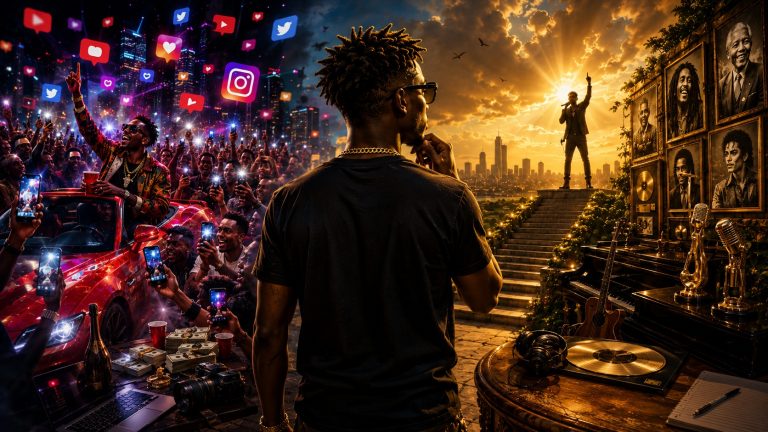
POPULARITY BUILDS ATTENTION. FAME BUILDS LEGACY — AND MOST ARTISTS CONFUSE THE TWO

In today’s entertainment economy, attention is everywhere.

A single scandal can dominate timelines within minutes. A viral interview can turn an unknown artist into a national talking point overnight. A controversial video, a leaked private moment, a public feud, or an outrageous statement can suddenly push a musician into the centre of conversation across radio, television, TikTok, X, Instagram, YouTube, blogs, and gossip platforms.

But attention alone has never guaranteed longevity.

And that is where many artists misunderstand the difference between popularity and fame.

Popularity simply means being widely known.

Fame, however, is something far deeper. Fame is emotional connection. It is admiration. It is loyalty. It is public affection strong enough to survive silence, controversy, failure, aging, industry changes, and even long absences from the spotlight.

Popularity creates noise.
Fame creates legacy.

And in the long run, legacy is far more valuable than noise.

Across the global entertainment industry, countless artists have experienced moments of explosive popularity. Their names trend everywhere. Their faces dominate conversations. Their songs become unavoidable. Their scandals attract endless media attention.

Yet only a small percentage transform that visibility into lasting fame.

That distinction matters because the economics of entertainment are heavily tied to emotional connection. The artists who earn the most sustainable careers are usually not just the most visible, but the most loved, respected, admired, or emotionally trusted by audiences.

Audiences spend differently on artists they adore.

People may stream a popular song temporarily, but they buy concert tickets, defend reputations, support brands, wear merchandise, forgive mistakes, and remain loyal for years to artists they genuinely love. That emotional investment is what turns entertainers into institutions.

This is why popularity alone is often unstable.

Attention moves quickly. Public conversation changes rapidly. Viral moments fade. Social media algorithms shift. Trends disappear. New artists emerge daily. Controversy loses value with time. What shocks audiences today may become irrelevant tomorrow.

Fame, however, operates differently.

Fame is built slowly through consistency, authenticity, emotional trust, cultural relevance, professionalism, identity, values, storytelling, and public perception accumulated over years. Fame survives beyond trends because it becomes attached to meaning rather than mere visibility.

And this difference can completely shape an artist’s career trajectory.

Uganda’s entertainment industry itself offers numerous examples of this distinction between temporary popularity and enduring fame.

Take Moses Golola for instance. Long before many musicians mastered the art of commanding public attention, Golola understood something crucial: personality itself could become entertainment.

His humor, outrageous confidence, dramatic interviews, unforgettable quotes, and theatrical public appearances made him one of the country’s most recognizable public figures. Interestingly, his fame often extended beyond his athletic performances. Many people could easily recall his catchphrases even more than specific fights he participated in.

Golola transformed visibility into cultural identity.

That is an important difference.

He was not merely known.
He became memorable.

And memorability is one of the foundations of fame.

The same contrast can be observed within music itself.

Grace Nakimera once built extraordinary admiration around her live performances. Beyond simply releasing songs, she cultivated a recognizable performance identity. Her stage presence, energy, choreography, and incorporation of traditional dance elements created an experience audiences emotionally attached themselves to.

People did not simply know Grace Nakimera.
They anticipated her.

That anticipation created commercial value.

At a certain point, her performances became a premium product because audiences associated her brand with excellence and emotional excitement. That is what happens when popularity evolves into admiration.

However, fame also requires consistency and sustainability. Entertainment audiences evolve constantly, and maintaining emotional relevance over long periods requires reinvention, discipline, and strategic brand management.

Then there are artists whose popularity emerged primarily through controversy.

Desire Luzinda experienced an enormous spike in visibility during one of the most controversial moments of her career. Public attention exploded. Conversations intensified. Media coverage multiplied. Interest in her music temporarily surged alongside her increased visibility.

For a moment, the commercial benefits of that popularity became very real — performances increased, fees improved, and public curiosity expanded.

But controversy-driven popularity often faces one major challenge: it is difficult to sustain emotionally.

Audiences may become curious quickly, but curiosity alone rarely builds long-term loyalty. Once the shock fades, artists are often left with the difficult task of rebuilding identity beyond the controversy that initially drove visibility.

That is why scandals alone rarely create enduring fame.

Fame requires emotional substance beyond headlines.

A similar lesson can be drawn from the career trajectory of Iryn Namubiru. At one stage, her artistry, vocals, and public image positioned her toward deep audience admiration. However, repeated controversies and public conflicts complicated that emotional relationship with audiences over time.

Public trust matters enormously in fame economics.

An artist’s reputation becomes part of their commercial value. The more audiences emotionally trust or respect a public figure, the easier it becomes to sustain long-term relevance, partnerships, performances, endorsements, and audience loyalty.

On the other hand, Juliana Kanyomozi represents a powerful example of sustained fame. She can remain relatively quiet musically for extended periods and still command admiration, audience affection, media respect, and strong concert attendance.

Why?

Because fame is not built solely on frequency.
It is built on emotional equity.

Over the years, Juliana cultivated elegance, professionalism, restraint, consistency, emotional connection, and public dignity. Even when faced with personal challenges or public scrutiny, she managed her image carefully enough to preserve audience respect.

That respect became long-term brand capital.

And in entertainment, brand capital is often more valuable than temporary hype.

Artists like Bebe Cool and Bobi Wine demonstrate yet another dimension — the ability to balance both popularity and fame simultaneously.

They remain constantly visible while also maintaining emotional attachment with specific audiences. Beyond music itself, both artists strategically connect themselves to broader identities, causes, communities, and narratives larger than entertainment alone.

One builds influence through philanthropy, industry presence, and visibility.
The other strengthens emotional loyalty through activism, social representation, and grassroots identity.

In both cases, audiences feel emotionally connected to something beyond songs.

That emotional attachment is what transforms entertainers into movements.

And perhaps that is the ultimate lesson for modern artists navigating the digital era.

Today’s music industry rewards visibility aggressively. Social media algorithms encourage constant exposure. Virality is monetized. Shock value spreads rapidly. Trends move at incredible speed.

As a result, many artists obsess over becoming known.

But the deeper question is:
Known for what?

What do audiences genuinely admire about you?
What emotional value do you represent?
What identity have you built?
What trust have you earned?
What feeling do people associate with your name?

Because eventually, every artist discovers that visibility alone is not enough.

At some point, public attention demands emotional meaning.

The future belongs not merely to artists who can dominate conversations temporarily, but to those capable of building emotional permanence in the hearts of audiences.

Popularity may fill headlines.

But fame fills history.

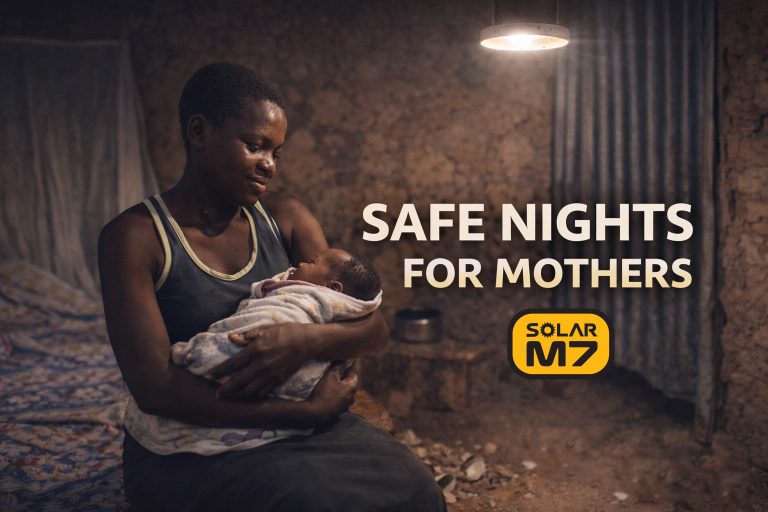
The Mother Who No Longer Fears the Night Beside Her Baby

A #100DaysofSolar Human Impact Story from Kasenge Nakawuka, Uganda

Every night, Nabatezi Gorretti carried the same fear into the darkness.

Inside her home in Kasenge Nakawuka, the mother of one tried to care for her baby beneath the weak flame of a tadooba lamp, a small light source that brought more danger than comfort into the room.

The flame flickered constantly.

Smoke filled the house.

And every evening carried the frightening possibility of fire.

For Gorretti, motherhood became filled with anxiety after sunset. Feeding her child at night required caution with every movement. Soothing the baby meant staying close to smoke and open flame. Even simple caregiving tasks became stressful because darkness and danger surrounded every moment.

Instead of peace, the nights brought fear. Then Solar M7 arrived. And slowly, the atmosphere inside her home began to change.

Today, reliable solar light fills the room safely after sunset. The smoke is gone. The dangerous flame no longer threatens her child. Gorretti now feeds, comforts, and cares for her baby with calmness and confidence instead of fear.

The home feels lighter. Safer. Peaceful again.

“For a long time, nights were stressful because I feared the tadooba and the danger it brought,” Gorretti shared during her interview. “Now I care for my baby comfortably and safely, and the home feels calm again.”

According to Doreen Nanfuka, many mothers across underserved communities silently endure unsafe nighttime conditions while trying to care for young children.

“When reliable light enters a home with a baby, you immediately see emotional relief,” Doreen explained. “Mothers feel safer, children sleep more peacefully, and the household becomes calmer overall.”

Innocent Kawooya says stories like Gorretti’s reveal how energy access directly affects caregiving, safety, and emotional wellbeing inside families.

“Reliable light helps parents nurture children in safer and healthier environments,” he noted. “No mother should have to raise her child surrounded by fear of smoke, fire, or darkness.”

Today, nights inside Gorretti’s home no longer feel dangerous.

Her baby rests peacefully.

The room glows safely.

And in a house where darkness once threatened her confidence as a mother, Solar M7 is now helping restore something deeply important.

Peace. Safety. And the comfort every parent deserves while caring for a child.

Watch the full story of Nabatezi Gorretti from Kasenge Nakawuka, Uganda across our platforms:

YouTube
TikTok
Facebook
Instagram
LinkedIn
X/Twitter

#100DaysofSolar #SolarM7 #IncludeEveryone #EnergyAccess #HumanImpact #Nakawuka #Uganda #CleanEnergy #HiPipo

THE WOMEN WHO MOVED THE DIGITAL ECONOMY

MacKenzie Scott did not become globally influential simply because of wealth. She became influential because she changed the direction of opportunity. Her philanthropy challenged traditional systems of gatekeeping and proved that empowering institutions serving communities can shift entire generations. Across Africa, another transformation has quietly been unfolding for nearly two decades. Not from Silicon Valley boardrooms. Not from global investment banks. But from border markets, trading centers, crowded taxi parks, university halls, informal settlements, mobile phones, and women who refused to remain excluded from the future.

For years, Africa’s digital economy was discussed mainly through statistics. Millions remained financially excluded. Millions lacked access to banking infrastructure. Millions of women worked tirelessly within informal economies yet remained invisible to formal financial systems. But behind every statistic was a real woman, a mother struggling to save safely, a cross-border trader carrying cash through unsafe routes, a young entrepreneur without access to digital tools, a market vendor excluded from credit systems, a healthcare worker unable to scale her services, or a girl with talent but without access to opportunity. The true story of Africa’s digital revolution has never simply been about technology. It has always been about inclusion. And inclusion only becomes meaningful when women are fully part of the transformation.

For nearly two decades, HiPipo and its broader ecosystem of initiatives consistently pushed one powerful philosophy: Africa cannot achieve meaningful digital transformation while women remain digitally excluded. That vision influenced financial literacy campaigns, healthcare innovation systems, cross-border empowerment programs, entrepreneurship initiatives, interoperability advocacy, youth innovation platforms, and regional inclusion efforts that today impact millions across Africa. This has never simply been a story about “women empowerment” as a slogan. It has been about redesigning economic participation itself.

Long before “fintech” became one of Africa’s most celebrated sectors, women already dominated informal trade networks across the continent. Women sustained households, powered agricultural economies, operated small businesses, managed savings circles, and facilitated community survival systems. Yet most formal financial systems were never built with them in mind. Traditional banking structures required formal employment, paperwork, physical branches, minimum balances, and literacy structures that many underserved communities could not easily access. As a result, millions of economically active women remained financially invisible. This invisibility became one of Africa’s greatest development barriers because communities cannot truly prosper when the people carrying economies are excluded from financial systems.

The mobile phone changed everything. Suddenly, financial participation no longer depended entirely on physical bank buildings. A woman in a rural village could receive money instantly, save digitally, transact remotely, access information, participate in commerce, and begin connecting to broader economic systems. But technology alone was never enough. Access without education creates vulnerability. Connectivity without literacy creates exploitation. Innovation without inclusion creates inequality. This is why some of the most important work over the last twenty years was not merely building platforms — it was building understanding.

One of the most transformative philosophies that emerged during this period carried a remarkably simple message: Include Everyone. Not include some. Not include urban elites. Not include only smartphone users. Everyone. Women traders. Rural communities. Informal workers. Youth. Market vendors. Cross-border traders. Microbusiness owners. Communities traditionally ignored by formal innovation systems. This philosophy evolved into regional empowerment initiatives spanning financial literacy, interoperability advocacy, cross-border inclusion, digital safety education, and entrepreneurship ecosystems across COMESA markets and beyond.

The impact became measurable. Women who once feared digital financial systems began using interoperable payment platforms. Informal traders began understanding transaction histories and digital records. Communities learned the importance of separating business finances from household finances. Women entrepreneurs became more confident in digital commerce and savings behavior. In Zambia and Malawi, women cross-border traders operating within busy informal trade corridors participated in training programs focused on digital financial literacy, safety, interoperability, fraud prevention, budgeting, and entrepreneurship. Many had never before participated in structured digital finance education. The results were transformative. Women reported improved confidence in budgeting, stronger financial discipline, safer transaction practices, and measurable growth within their businesses. More importantly, many began seeing themselves not merely as users of digital systems, but as participants in shaping Africa’s future economy.

Perhaps one of the most overlooked forms of infrastructure in Africa is confidence itself. Confidence determines whether people adopt opportunity. Many women across Africa were historically taught to survive economically but not necessarily to scale economically. Digital literacy changes that. Financial literacy changes that. Entrepreneurship training changes that. Exposure changes that. When women gain access to financial understanding, digital confidence, leadership opportunities, networks, and market visibility, they transition from participation into ownership. That shift changes families, communities, and entire economies.

One of the strongest indicators of change emerged through women-focused innovation initiatives and entrepreneurship platforms. Increasingly, women were not positioned only as beneficiaries of systems but as creators of systems. Women-led teams began developing healthcare technologies, financial solutions, savings systems, commerce tools, and digital community platforms. This distinction matters profoundly because Africa’s future cannot simply be designed for women, it must increasingly be designed by women. The continent’s future digital economy requires female founders, engineers, product designers, innovators, policymakers, strategists, regulators, and ecosystem builders. That is how inclusion becomes permanent rather than symbolic.

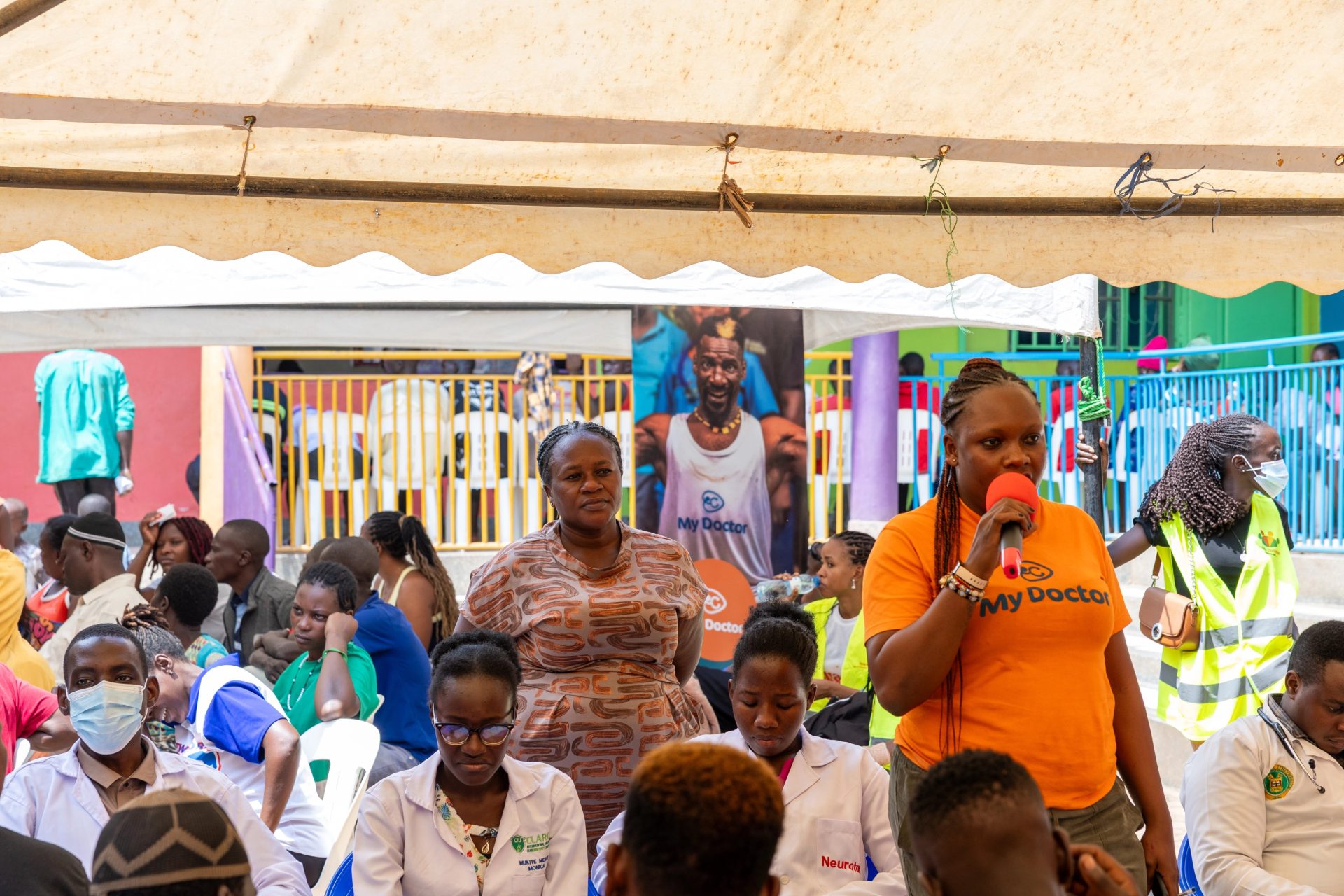
Healthcare also became one of the most important pillars within this broader empowerment conversation. Women empowerment cannot be separated from healthcare access because health access itself is economic access. A woman struggling to access healthcare often loses time, mobility, income, productivity, stability, and economic resilience. This is one of the reasons why My Doctor emerged as far more than simply a healthcare platform. My Doctor became part of a broader inclusion vision focused on ensuring that healthcare itself becomes digitally accessible, affordable, scalable, and community-centered.

For years, millions of Africans — especially women — faced enormous barriers to healthcare access. Transport costs, overcrowded facilities, distance, delayed consultations, lost work hours, childcare responsibilities, and affordability challenges made healthcare difficult to access consistently. Through My Doctor, the vision was to redesign healthcare around accessibility and convenience. Telemedicine systems incorporating voice calls, video consultations, WhatsApp communication, SMS engagement, and community outreach helped create new pathways for women and underserved populations to access care without unnecessary barriers. In many communities, convenience is not a luxury — it is empowerment itself.

The My Doctor ecosystem consistently recognized that women often carry multiple simultaneous responsibilities: caregiving, entrepreneurship, parenting, household management, and income generation. When healthcare systems fail women, entire communities suffer economically and socially. By reducing transport burdens, minimizing lost productivity hours, extending healthcare access into underserved areas, and integrating digital health solutions into everyday life, My Doctor contributed to restoring one of the most important forms of economic power: time. When women regain time, they regain productivity. When they regain productivity, they regain economic possibility.

The My Doctor ecosystem also aligned strongly with youth empowerment and healthcare entrepreneurship. Through HiPipo University and healthcare entrepreneurship initiatives, young healthcare professionals — including women — were encouraged to think beyond traditional employment models and begin viewing healthcare itself as an innovation ecosystem. Doctors, nurses, clinicians, allied health professionals, and entrepreneurs were encouraged to embrace digital systems, scalable care models, telemedicine, remote consultations, health technology innovation, and community-centered healthcare delivery. This approach helped create a new generation of healthcare thinkers increasingly prepared for Africa’s evolving digital future.

Financial literacy also emerged as one of the most underestimated liberation tools across the empowerment movement. Not because saving money is new, but because understanding systems creates freedom. Many hardworking women lacked structured financial frameworks despite carrying significant economic responsibility within their households and businesses. Financial literacy initiatives focused on budgeting, reinvestment, separating personal and business finances, digital safety, long-term planning, responsible borrowing, and growth-oriented thinking helped many women transition from survival-based economic activity into scalable economic behavior.

Financial literacy is ultimately about power. Financially informed women negotiate differently, invest differently, lead differently, raise children differently, and participate differently in society. When multiplied across millions of households, the impact becomes national in scale. Stronger women create stronger communities. Stronger communities create more resilient economies.

Over the last two decades, the internet also helped create a new kind of African woman — digitally connected, globally aware, entrepreneurial, ambitious, creative, and increasingly independent. Social media, mobile money, creator economies, digital commerce, online education, and mobile entrepreneurship opened opportunities previous generations could barely imagine. Today, a young African woman can run a business from her phone, learn online, access international audiences, receive payments digitally, build a brand, influence conversations, and participate within the global economy from almost anywhere.

Yet significant challenges remain. Smartphone affordability gaps persist. Internet access costs remain high in many areas. Cybersecurity threats disproportionately affect vulnerable populations. Women founders still face major investment barriers. Digital safety concerns remain real. Representation gaps continue across leadership and funding ecosystems. This means the next chapter of empowerment must move beyond access alone toward ownership, leadership, and institutional influence.

The global economy increasingly recognizes something Africa has always known: women are not a “special interest group.” They are economic engines. When women gain access to healthcare, finance, education, technology, leadership opportunities, digital systems, and entrepreneurship ecosystems, entire economies expand. Consumer spending improves. Child welfare improves. Educational outcomes improve. Innovation accelerates. Poverty reduces. Community resilience strengthens. Empowering women is not charity. It is economic strategy.

Africa’s next great economic opportunity may therefore lie in the millions of women who remain partially excluded from full participation in the digital economy. The countries, institutions, and ecosystems that succeed over the coming decades will be those that reduce exclusion, democratize access, invest in women-led innovation, expand interoperability, localize technology, lower participation barriers, and build systems intentionally designed around inclusion.

The future will not simply be defined by who builds apps or launches platforms. It will be defined by who builds inclusive systems. Real transformation happens when a rural mother accesses healthcare through her phone, when a trader safely scales her business digitally, when a young female founder receives investment, when financial literacy becomes mainstream, and when underserved communities become economically visible.

Some revolutions do not arrive loudly. Some happen quietly through community clinics, financial literacy workshops, digital platforms, mobile phones, mentorship programs, cross-border empowerment initiatives, and ecosystems that consistently insisted on one message: Include Everyone.

For nearly twenty years, that work has continued through partnerships, policy engagement, healthcare innovation, entrepreneurship ecosystems, digital literacy movements, regional inclusion programs, interoperability advocacy, and community-centered development initiatives across Africa. Not simply to empower women as a slogan, but to help redesign Africa’s future around inclusion itself.

And perhaps history will eventually recognize something profound: the women once excluded from Africa’s digital economy may ultimately become the very people who transform it most.

FROM SOUTH AFRICA TO $8.4 BILLION – Why Africa’s Greatest Wealth Opportunity Is Innovation

When news emerged that South African-born biotech entrepreneur and physician Patrick Soon-Shiong had become the richest person in Los Angeles with an estimated net worth of $8.4 billion, the world saw another billionaire headline. But beneath the wealth figure lies a much deeper lesson for Africa and for every young innovator trying to build something meaningful on the continent.

Patrick Soon-Shiong’s story is not simply about money. It is about the extraordinary power of innovation when it is focused on solving problems that affect millions of people. Born in South Africa, he rose from the medical and scientific world to become one of the most influential healthcare innovators globally. His cancer drug innovations transformed lives, reshaped healthcare possibilities, and ultimately generated billions of dollars in value. His journey proves that global wealth can emerge from African roots when vision, science, persistence, and opportunity collide.

Africa today stands at a similar turning point.

The continent is filled with enormous challenges — financial exclusion, limited healthcare access, energy poverty, unemployment, low access to quality education, digital inequality, and barriers for women and youth. But history repeatedly shows that the world’s greatest fortunes are often created by solving humanity’s largest problems. Google solved access to information. Amazon transformed commerce. Visa revolutionized payments. M-Pesa changed how millions move money. Patrick Soon-Shiong transformed healthcare innovation. In every generation, wealth follows impact.

This is why Africa’s future billionaires may not emerge from traditional industries alone. They will likely emerge from technology, healthcare, financial inclusion, renewable energy, artificial intelligence, agriculture innovation, education platforms, and digital ecosystems that improve life for millions of people.

For over two decades, HiPipo has operated with this exact understanding. Long before “digital transformation” became a global buzzword, HiPipo was already investing in people, ideas, innovation ecosystems, digital literacy, financial inclusion, and youth empowerment across Africa. Through initiatives such as Include Everyone, 40 Days 40 FinTechs, Digital Impact Awards Africa, HiPipo University, financial literacy programs, women-led innovation programs, and regional digital transformation platforms, millions of young people have been exposed to opportunities that previously felt impossible.

These efforts are bigger than events or campaigns.

They are about creating an ecosystem where innovation can grow.

The reality is that billionaires are rarely created in isolation. They emerge from environments that encourage experimentation, reward creativity, support entrepreneurship, and connect innovators to knowledge, mentorship, and capital. Africa does not lack intelligent young people. Africa does not lack ambitious women. Africa does not lack ideas. What the continent has historically lacked is enough sustained investment into innovation ecosystems that can turn local ideas into scalable global solutions.

This is why the role of visionary investors and supporters matters so deeply.

One of the most important examples globally is Bill Gates. While many billionaires focus primarily on preserving wealth, Bill Gates became globally respected for continuously investing in innovation, healthcare, education, science, agriculture, financial inclusion, and global development. Through the Bill & Melinda Gates Foundation, billions of dollars have been directed toward solving some of humanity’s most urgent problems, especially in Africa.

What makes Bill Gates particularly important in the African innovation story is not simply the amount of money invested. It is the philosophy behind the investment. He consistently demonstrates that supporting innovators, researchers, entrepreneurs, and scalable systems can transform entire societies. From digital financial services to healthcare systems, agricultural innovation, vaccine development, and digital infrastructure, his support has repeatedly accelerated solutions that governments and markets alone struggled to scale.

That same philosophy is increasingly visible across Africa’s emerging innovation ecosystem.

Organizations like HiPipo have spent years building platforms that expose young people and women to digital opportunities, entrepreneurship, financial systems, healthcare innovation, and technology-driven growth. The impact of such ecosystems may not immediately appear on billionaire rankings, but over time they shape the individuals who eventually build transformative companies.

The next African billionaire may currently be a student attending a digital training program. She may be a young woman learning financial literacy in a border community. He may be a startup founder struggling with internet access while building an idea capable of serving millions. They may not yet have capital, but they possess something equally important — proximity to possibility.

That is what innovation ecosystems create.

Patrick Soon-Shiong’s story reminds Africa that world-changing innovation can emerge from this continent. Bill Gates’ lifelong investment philosophy reminds the world that supporting innovation ecosystems can change humanity itself. And the continued work of institutions like HiPipo demonstrates that empowering youth, women, entrepreneurs, and innovators is not charity — it is long-term economic transformation.

Africa’s future billionaires will likely not be defined only by personal wealth. They will be defined by how many lives they improve, how many systems they transform, and how many opportunities they create for others.

The next $8.4 billion African success story may already be quietly growing somewhere in Kampala, Kigali, Lusaka, Nairobi, Lagos, or Johannesburg.

The question is whether Africa will continue investing enough in innovation, education, inclusion, and ecosystems to help that future rise.

Somali World Cup Referee Banned from US Over Alleged Terror Links, Returns Home as Hero

Somali referee Omar Artan was denied entry to the United States because of his “association with suspected members of terror organisations,” a US official has claimed, ending the 34-year-old’s dream of becoming the first Somali to officiate at a World Cup finals.

Artan, named Africa’s Referee of the Year in 2025, was set to be one of 52 referees selected for the 2026 World Cup. But his journey came to an abrupt halt on Monday when he was detained at Miami International Airport, subjected to an 11-hour immigration interview, and put on a flight to Istanbul.

Despite holding a diplomatic passport and a single-entry US visa, Artan was refused admission. Somalia is among twelve countries on a travel ban list introduced by President Donald Trump.

A Trump administration source provided the official justification for the ban.

“This individual was seeking admission to the United States,” the source said. “Upon further inspection by CBP [Custom and Border Protection], derogatory information, including association with suspected members of terror organisations, was discovered making the traveller ineligible for admission to the United States under the Immigration and Nationality Act (INA).”

The source added: “President Trump’s administration will not allow any security threat to enter our country – full stop.”

Artan told the New York Times that during his questioning, border officials asked him about his links to Somali militant group Al Shabab. He said he told them he knew nothing about the group.

It was not possible for Artan to stay outside the United States and referee matches played in Canada or Mexico, as all on-pitch officials were based in Florida for training, preparation, and security. His World Cup dream, he later said, had “crashed down.”

Upon landing at Aden Adde International Airport in Mogadishu on Wednesday, Artan received a hero’s welcome. He was greeted by government officials, representatives of the Somali Football Federation, fellow referees, and local residents.

He later met President Hassan Sheikh Mohamud at the Presidential Palace and is expected to attend a public event at Mogadishu Stadium.

In a brief statement to the media at the airport, Artan spoke of his determination to officiate at the 2030 World Cup but did not take questions from journalists.

“Everything is pre-destined,” he said.” FIFA supported me well and were in touch with me until I reached Mogadishu. I promise you that I’ll be officiating at the next World Cup.”

Artan used his return to issue a defiant message to his country’s young people, urging them not to lose hope in the face of his treatment.

“Let’s all defend Somalia’s honour,” he said. “We all belong to Somalia, whether it’s bad or good. That flag is ours, and so is the passport – let’s defend it.”

He added: “The youth shouldn’t be demoralised about their country. Despite this happening to me, I’ll still stand for my nation. I want to continue my journey from here and urge the youth to do the same.”

President Trump placed a full entry ban under any visa category for twelve countries, including Somalia, in June 2025. Two days before the World Cup draw in December 2025, Trump drew widespread attention for comments made about Somalia in the lead-up to a planned immigration enforcement operation in Minnesota, which has a large Somali community.

“With Somalia, which is barely a country, you know, they have no anything,” Trump said at the time. “They just run around killing each other. There’s no structure.”

He added that Somali immigrants should “go back to where they came from” and that the US would “go the wrong way if we keep taking in garbage to our country.”

Artan’s exclusion raises questions about the intersection of sports and geopolitics. FIFA, world football’s governing body, has not issued a detailed statement on the matter, though Artan acknowledged that the organisation supported him and remained in contact until he reached Mogadishu.

For Somalia, the incident has become a matter of national pride. A referee who was denied entry to the United States has been embraced at home as a symbol of resilience. For the United States, the administration has made clear that security concerns override any sporting considerations.

Artan, meanwhile, has already set his sights on 2030. Whether he will be allowed to pursue that dream remains uncertain.